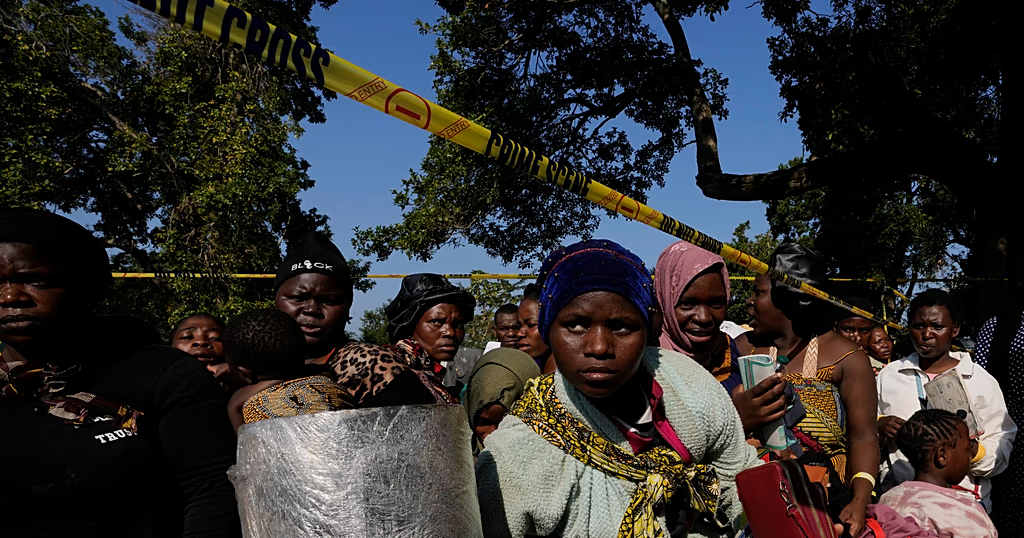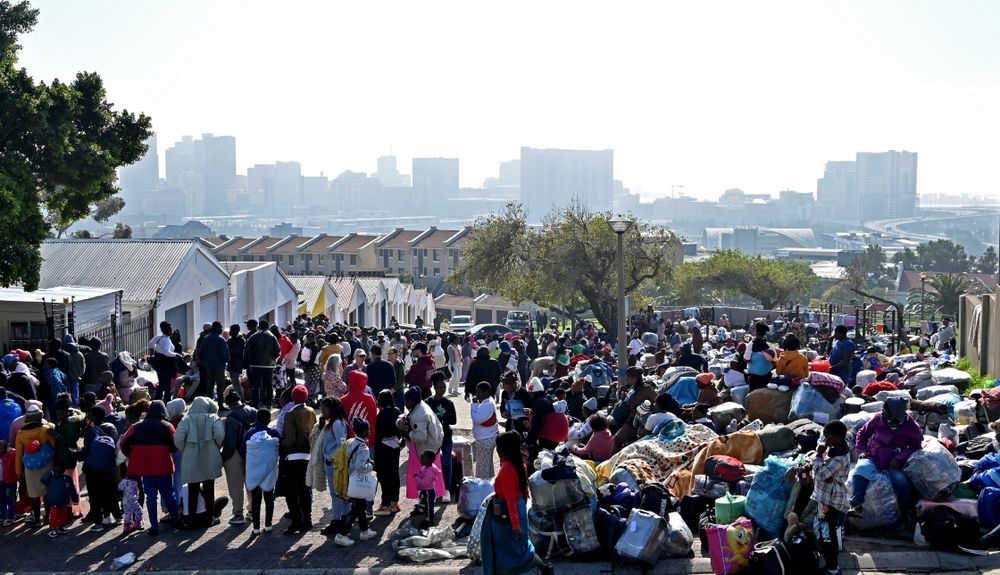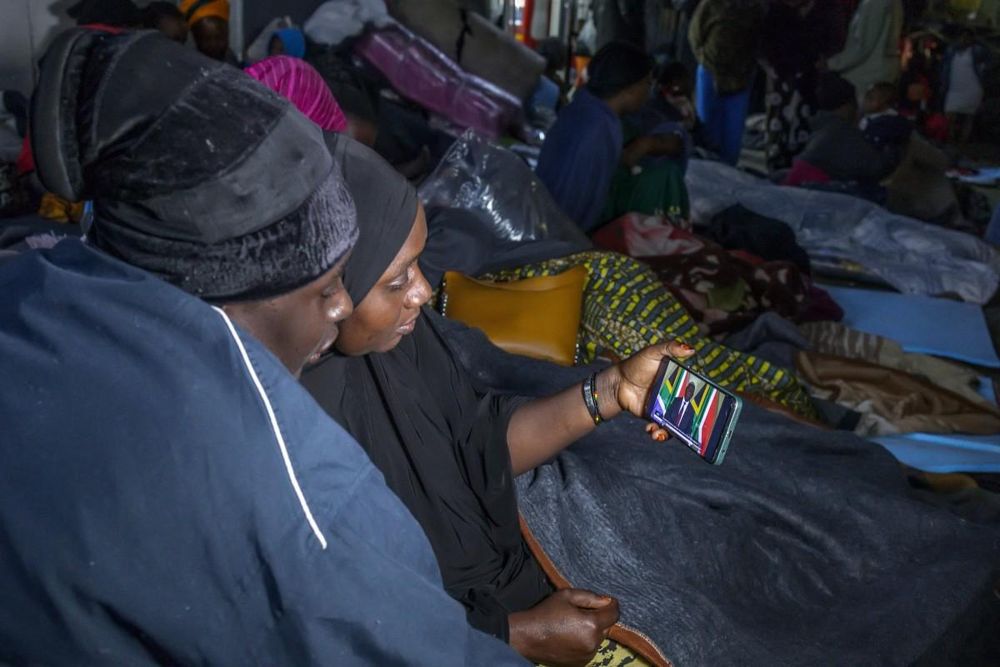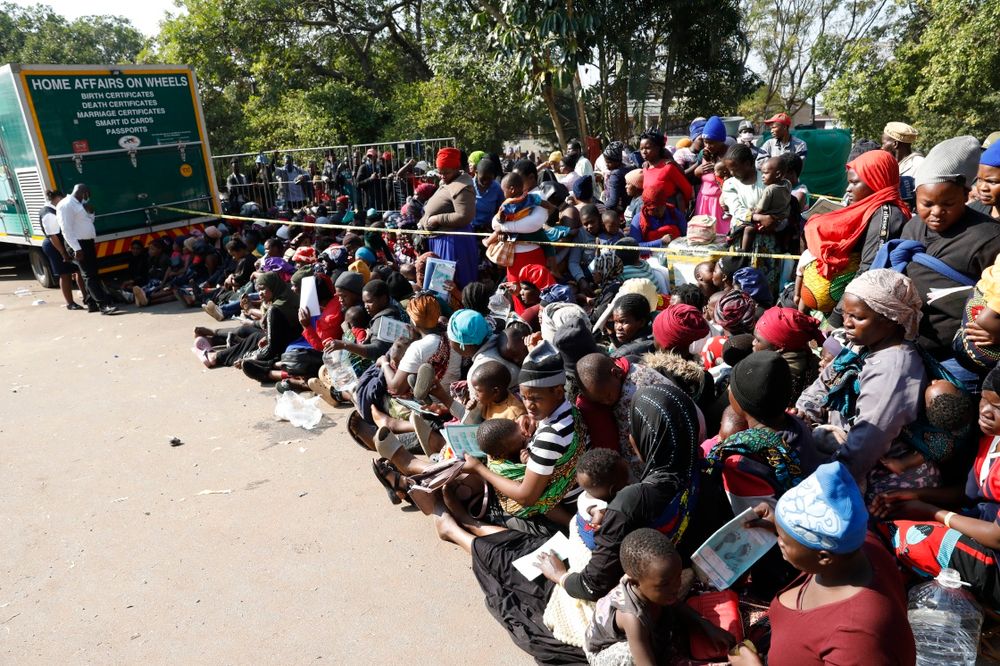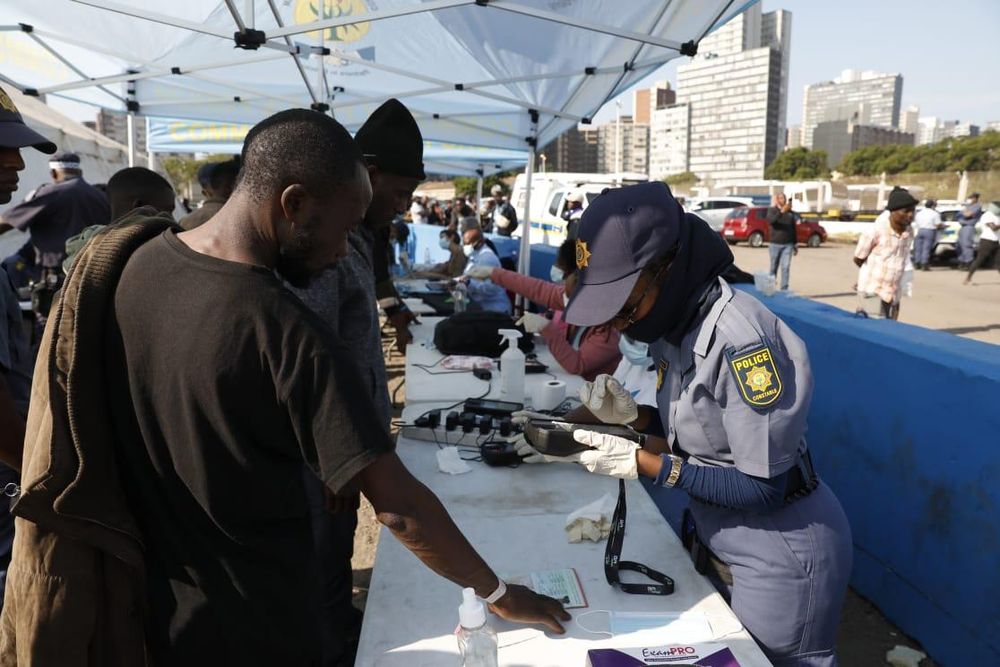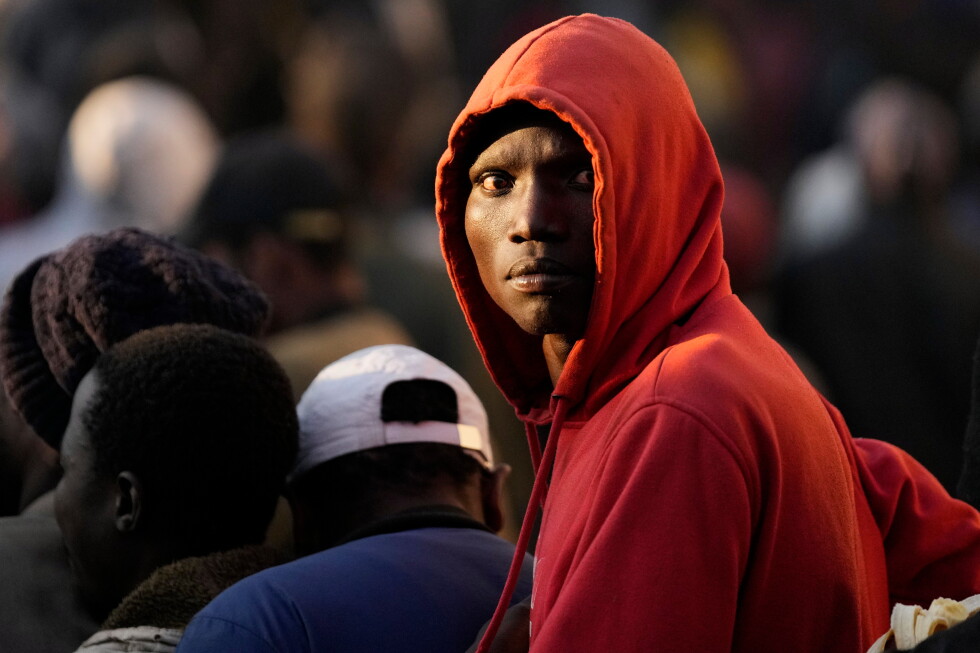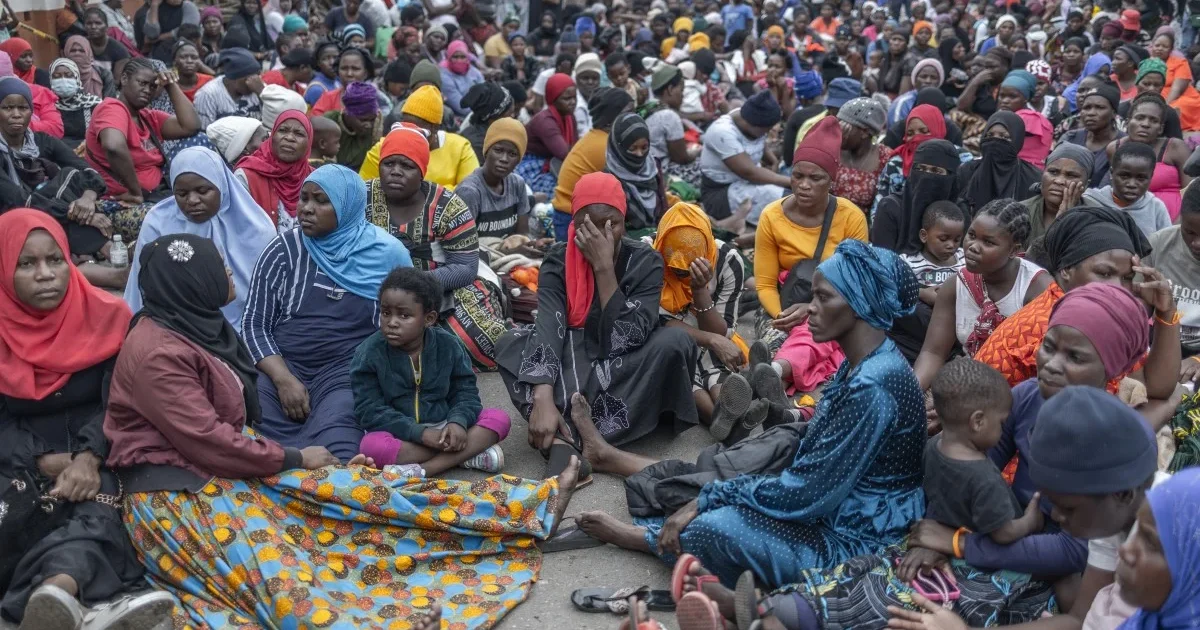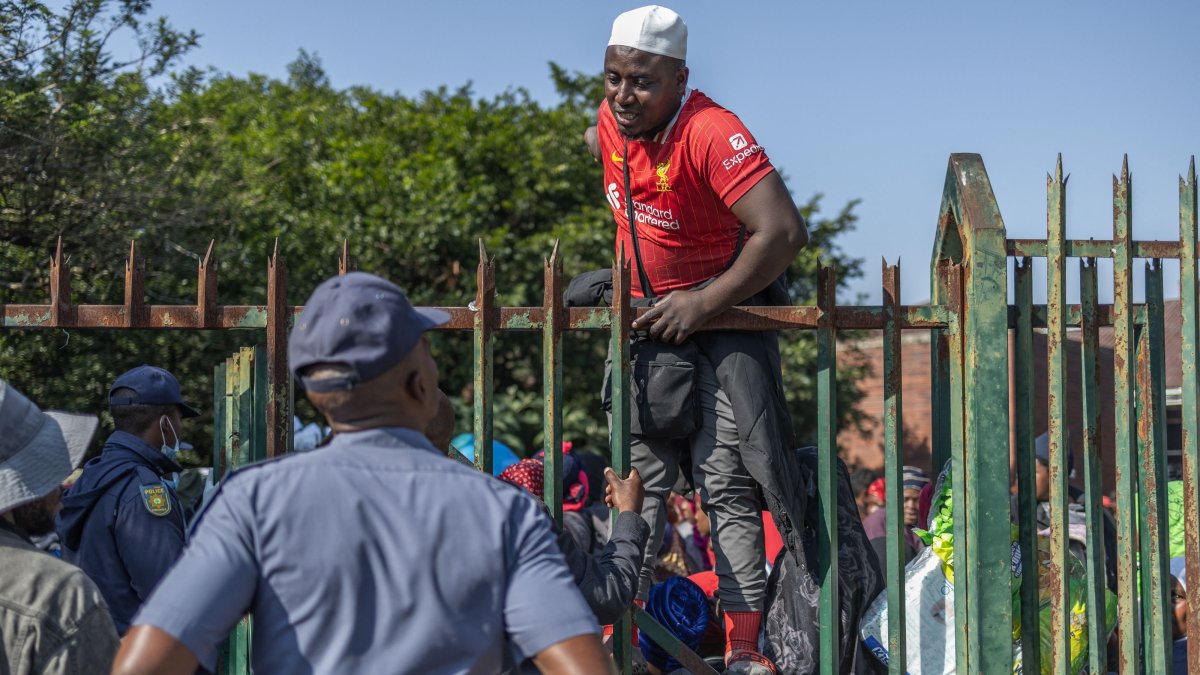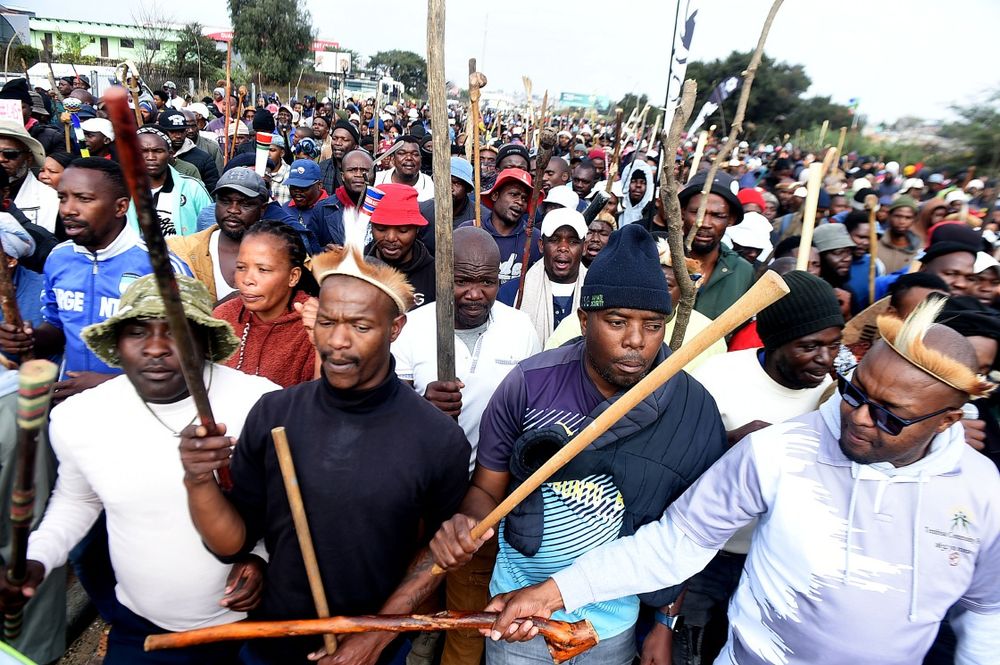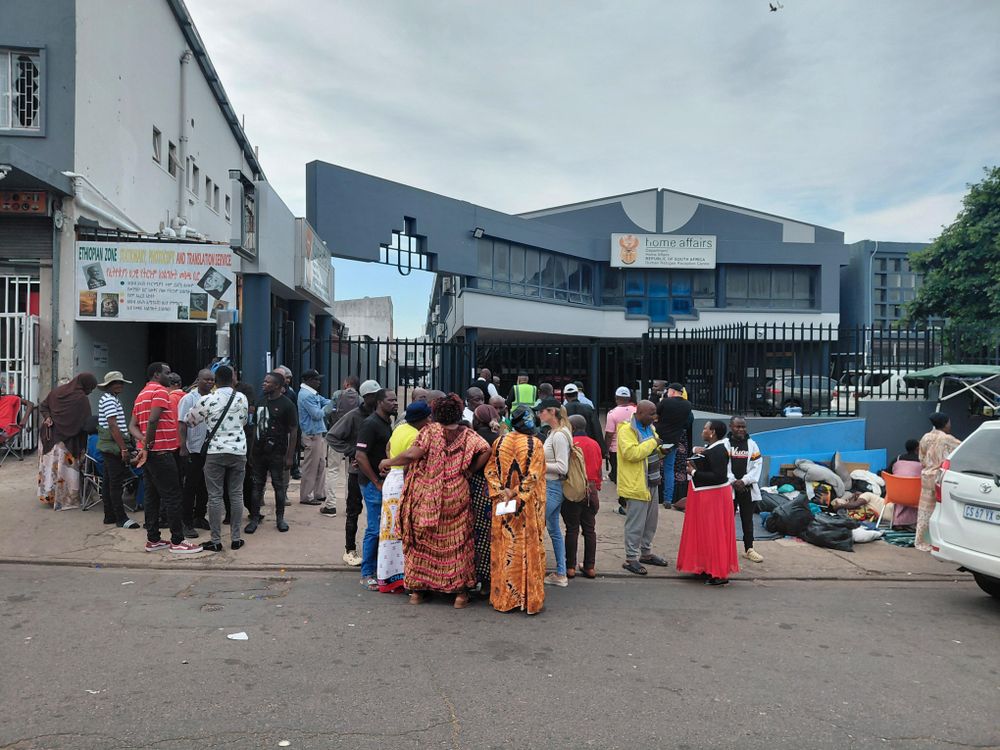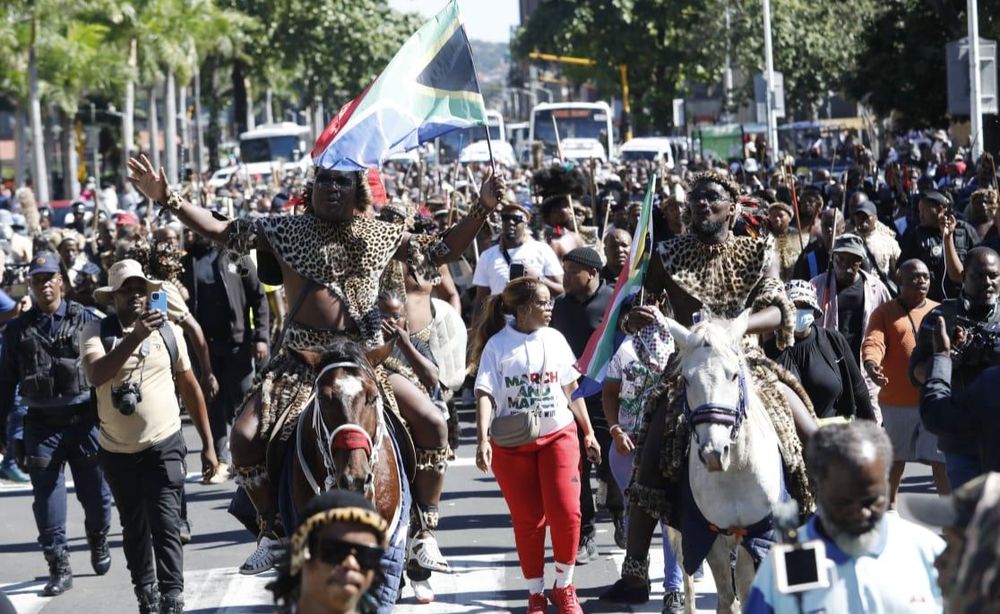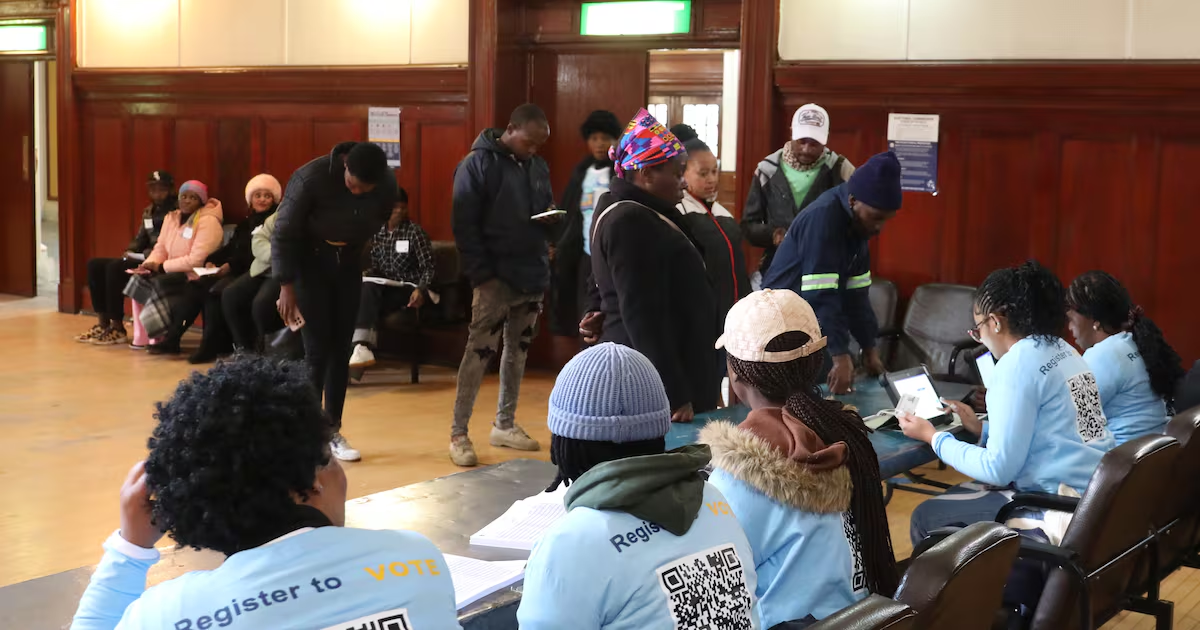
The thousands of desperate, frightened African foreign nationals who have camped in open spaces in the freezing cold in KwaZulu-Natal and the Western Cape is a cautionary tale of what happens when governments have free rein to rule as they please, without fear of consequences at the ballot box.Anxious to leave the country before a June 30 deadline set by activist groups opposed to illegal immigration, they have little option but to return to struggling home countries such as Zimbabwe, where many will confront the same economic and political problems that drove them to South Africa in the first place, many of them without the required documentation.Credit must go to President Cyril Ramaphosa’s government for distancing itself from the month-end deadline and calling for restraint and peaceful protests by those angry over undocumented migrants. Despite his past derogatory rhetoric against foreign nationals in the country illegally, Zulu king Misuzulu kaZwelithini must also be applauded for appealing for restraint. (Supplied) Many South Africans believe their neighbours on the continent have only themselves to blame for failing to participate in democratic systems back home and not doing enough to take their governments to account. The fairness or accuracy of that charge is up for debate.If nothing else, the plight of their fellow Africans should leave all sober-minded South Africans raring to exercise their democratic right to choose their next representatives at local government level come November 4.The signs are already visible in South African municipalities of what happens when we don’t hold those that govern us to account: roads riddled with potholes, bursting water pipes, and raw sewage flowing down residential streets. Voter apathy is therefore no longer an option.And yet, data shows that South Africa’s voter turnout has declined over the years, though the country still performs better than some established democracies in certain elections. But at 58.6%, the turnout for the May 2024 general elections was lower than the historical global average for national elections. It’s worth noting that in South Africa turnout figures are usually reported as a percentage of registered voters, not all eligible citizens. Because millions of eligible South Africans never register, the share of the total voting age population that actually voted is substantially lower than 58.6%. Countries with compulsory voting, such as Australia, often achieve 85%-95% turnout.Research shows that more than 11-million registered voters did not vote in 2024 and many eligible citizens were not registered at all. That is the height of irresponsibility in one of Africa’s most thriving democracies, where free and fair elections have been consistently conducted by an independent body since 1994. Many fellow African nations cannot make that claim.It’s a betrayal of Nelson Mandela, Steve Biko and thousands who sacrificed themselves, sometimes their lives, so that the right to vote was not just the preserve of whites.Perhaps there is something to be said for EFF leader Julius Malema’s proposed private members‘ bill which would see all eligible South African adults automatically registered as voters.All that being said, the announcement by the Electoral Commission of South Africa that its weekend voter registration blitz yielded 2.9-million new voters is welcome. This is an improvement on the 1.7-million voter registration transactions during the registration weekend in the previous municipal elections in 2021.It brings the total number of registered voters to 28.5-million and there is scope for that number to rise as online applications will remain open in the run-up to November 4.We hope when that day comes, all those 28-million plus people will get out of their houses and trek to the ballot box to select leaders who will tackle the myriad problems facing our municipalities.
EDITORIAL | Apathy is not an option in the November elections
The plight of foreign nationals exposes the dangers of unchecked government power
603 words~3 min read