Carl Bildt
STOCKHOLM — Bosnia needs a political reboot. More than three decades after the Dayton Accords ended the devastating 1992-95 war, it is high time that the country bear full responsibility for its own future.
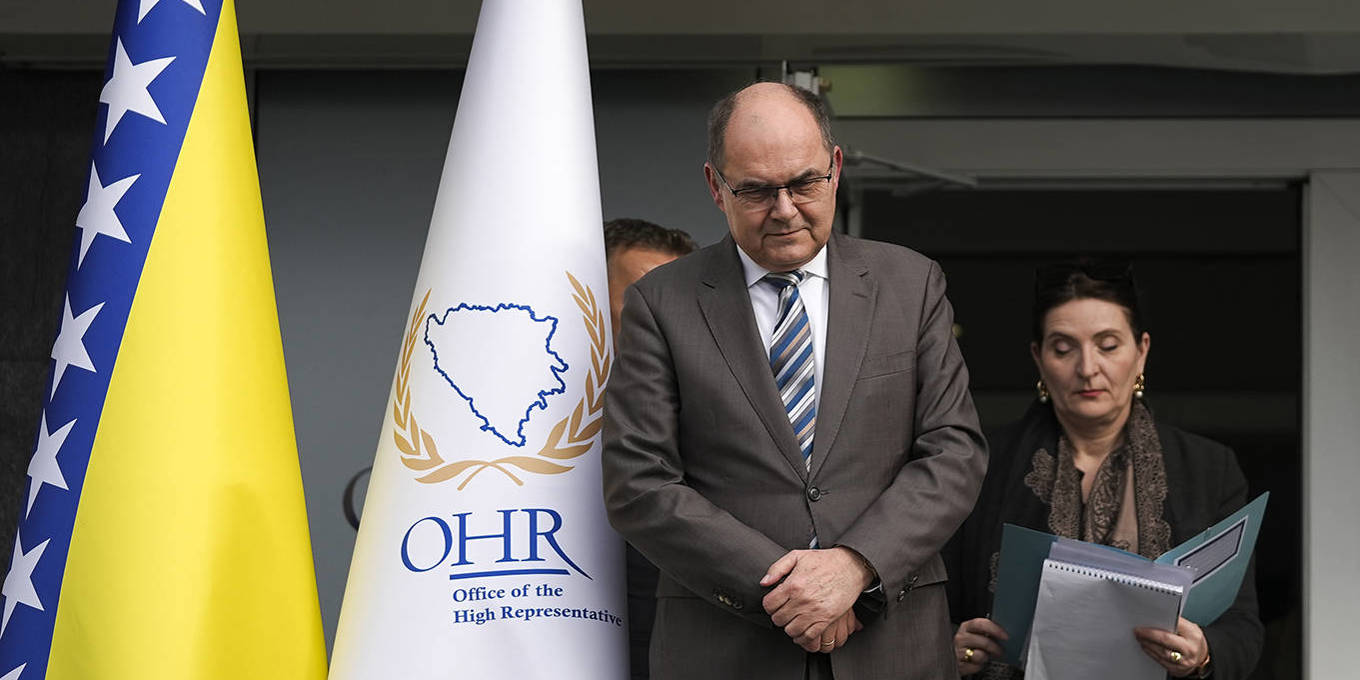
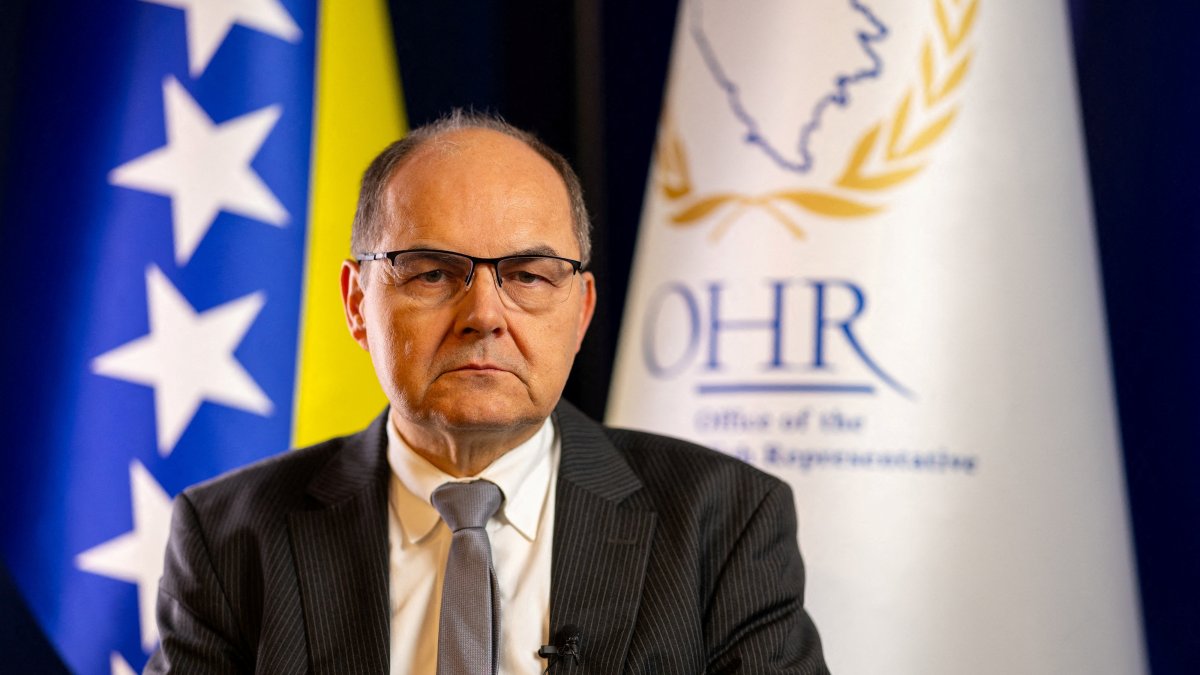
As part of the 1995 settlement, an international High Representative for Bosnia and Herzegovina was established to help coordinate and implement all the civilian and political provisions of the peace agreement. A massive NATO force would remain responsible for separating the military forces, but it was agreed that an independent political office was needed to bring the country back together.
That task fell initially to me as the first in a series of high representatives. My immediate priority was to set up the office and get the country’s institutions working, as outlined in the new constitution that had been agreed in Dayton. So, that is what I did. But the high representative was never supposed to be a permanent institution with powers to intervene directly in the country’s governance. Had any participant in the Dayton talks dared to propose such a thing, the idea would have been summarily rejected (I know, because I was there).
After a couple of years, though, the countries overseeing the peace agreement’s implementation decided to give the high representative the prerogative to intervene directly in Bosnia’s affairs, and these so-called Bonn powers have been used extensively ever since. Their legality was always dubious, at best, but as long as the new arrangement seemed to work, everyone accepted it. There were indeed critical moments when the high representative stepped in to break a political logjam and allow the country to move forward.