This week may prove to be one of the most important diplomatic moments in Bosnia-Herzegovina since the end of the war.
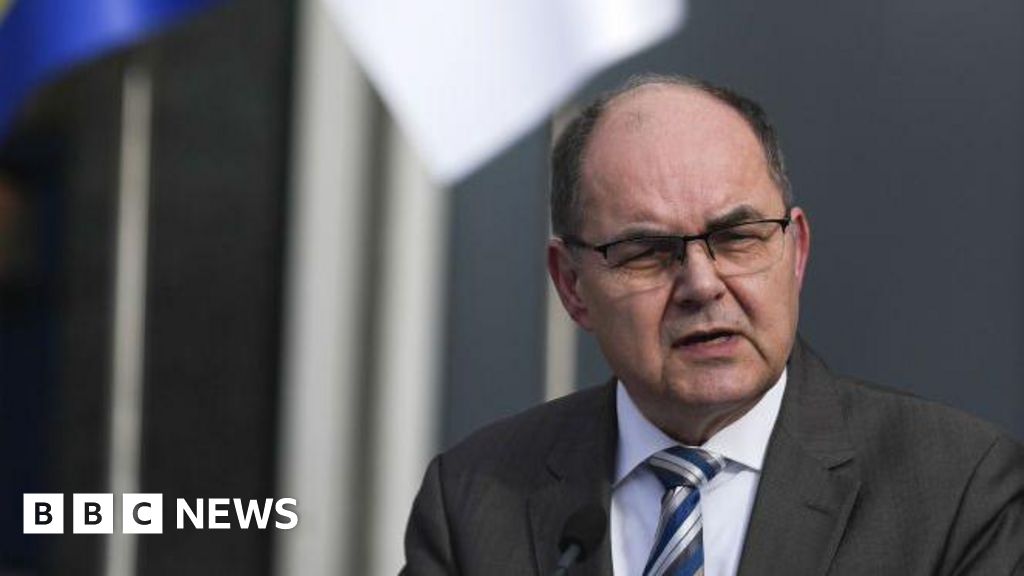
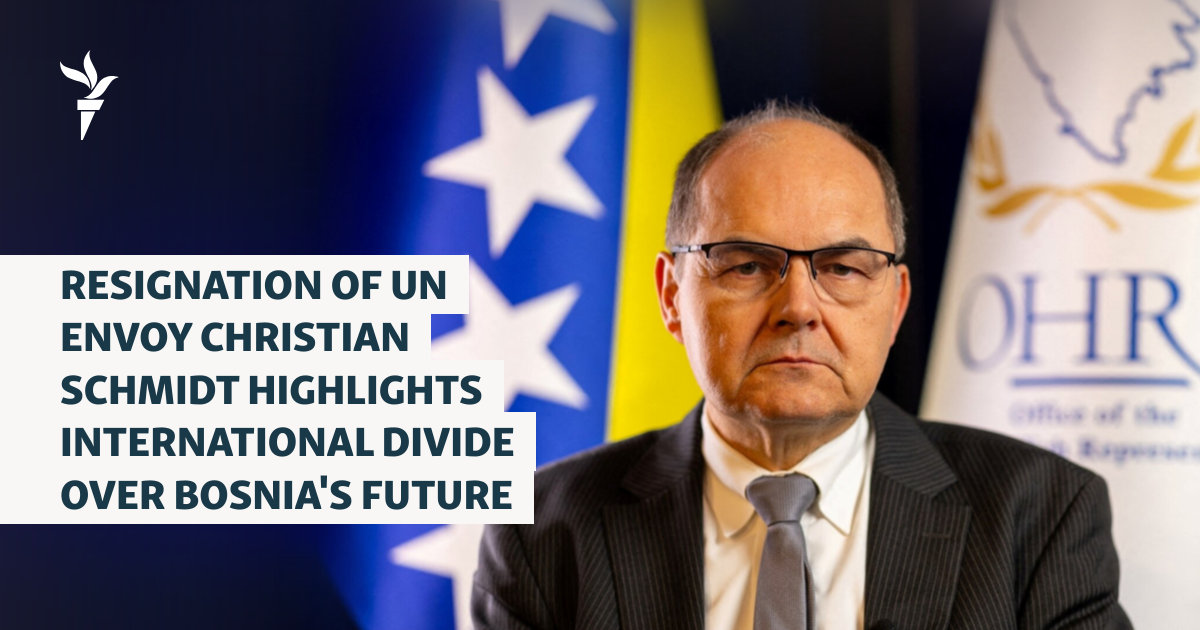
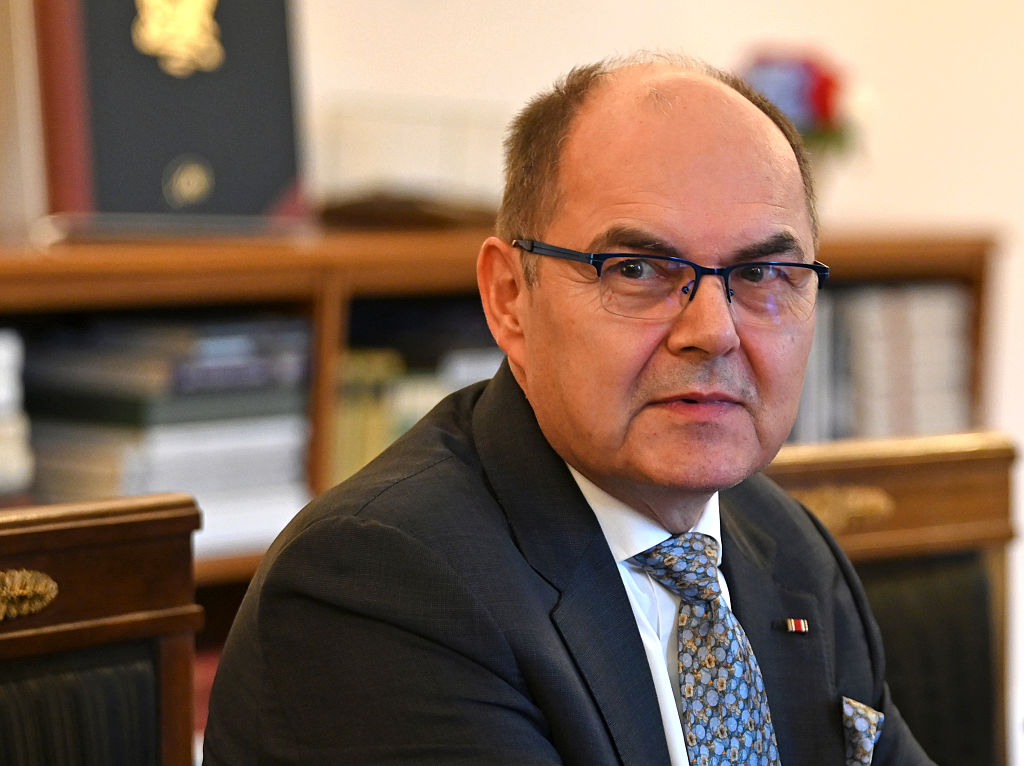
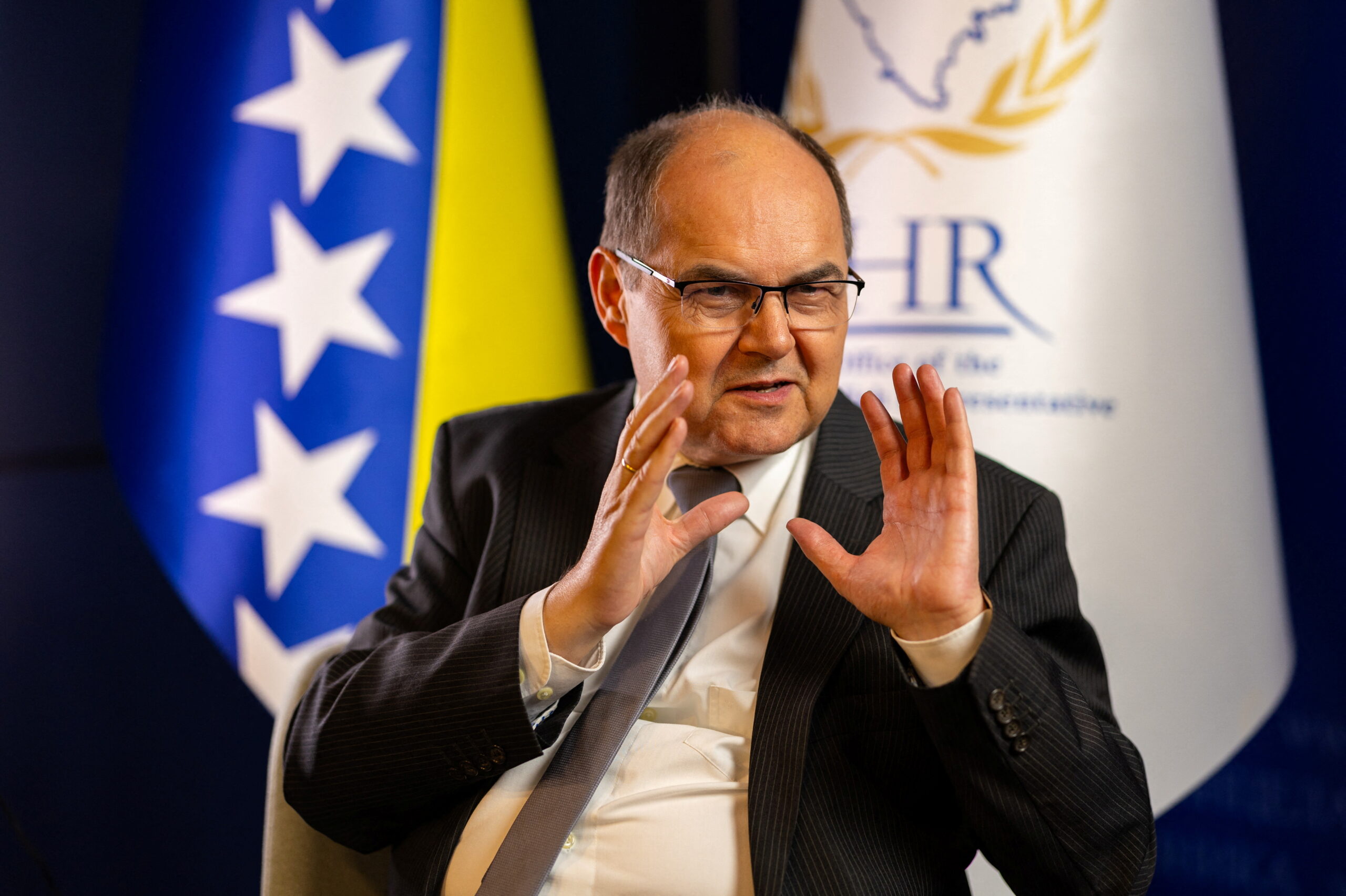
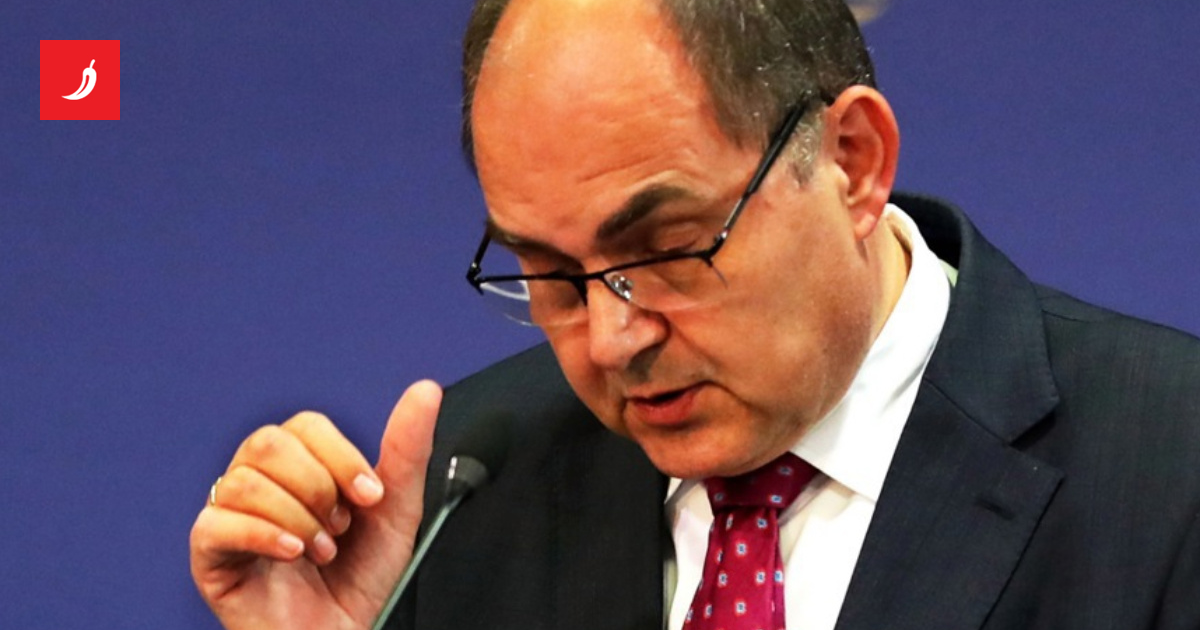
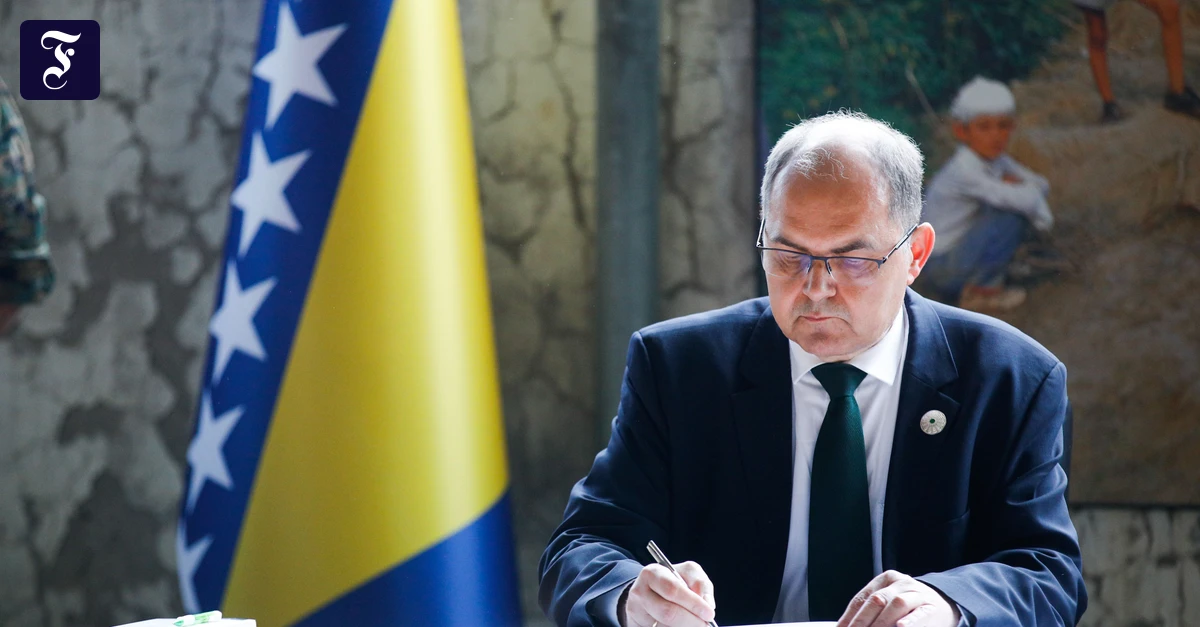
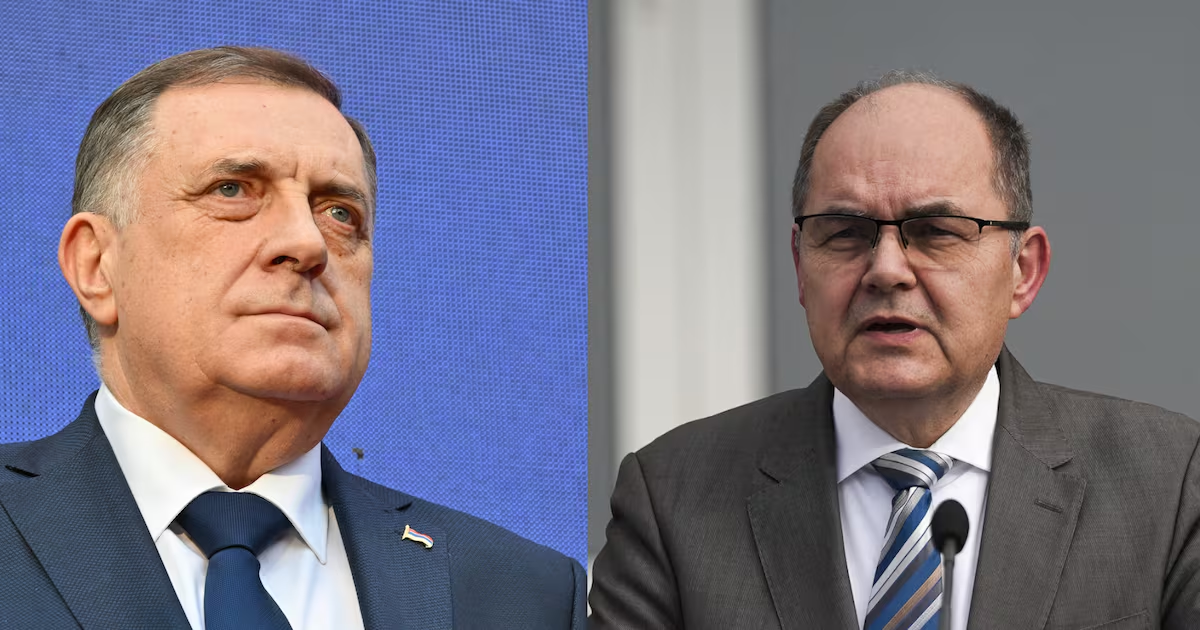
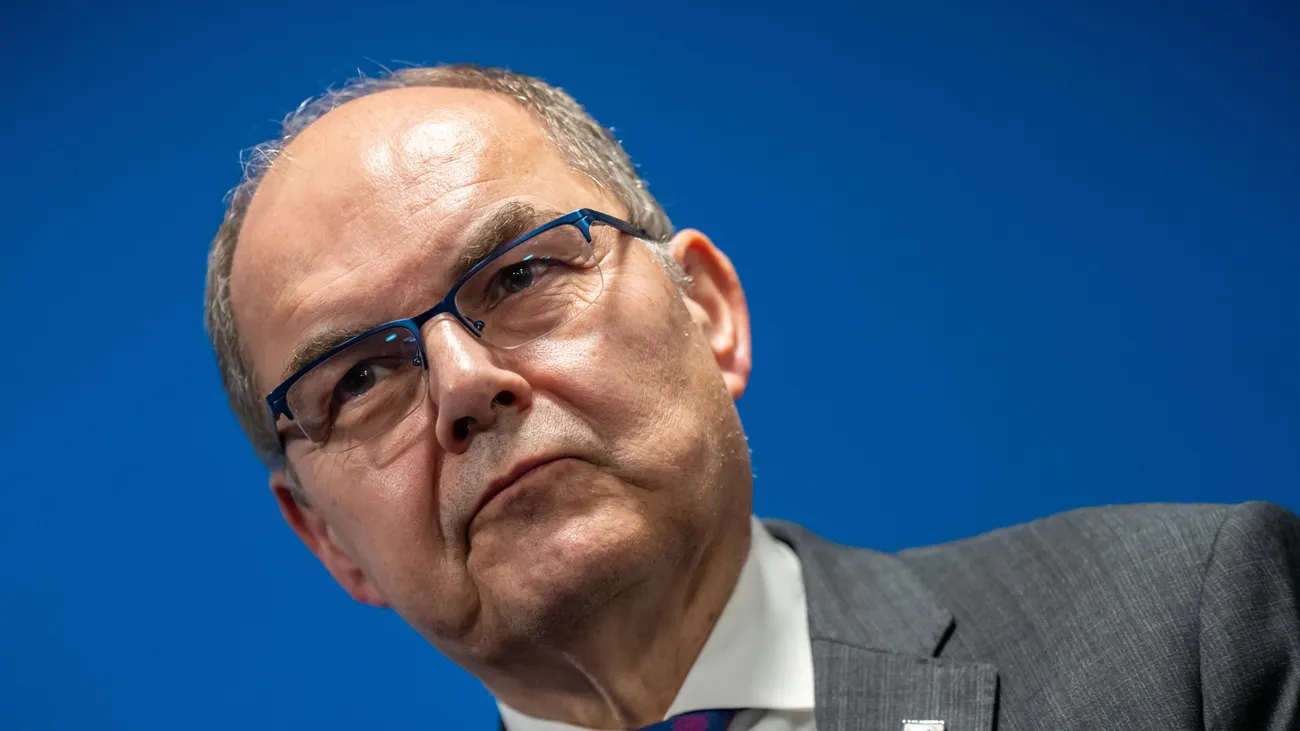
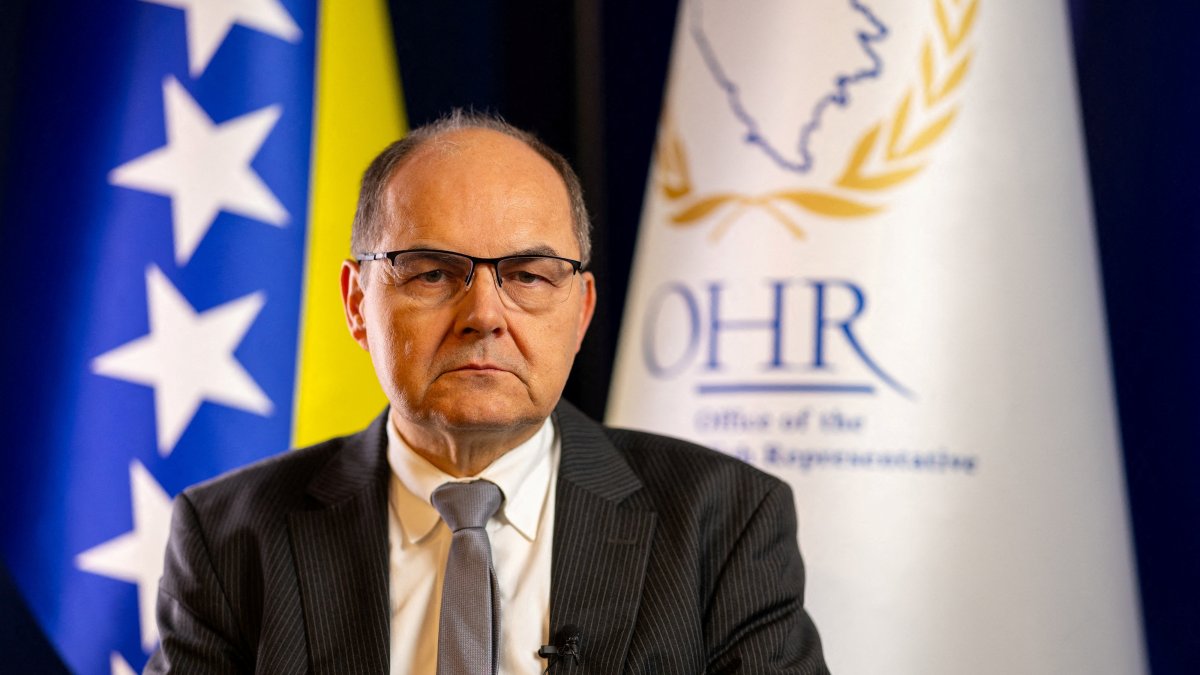
Behind closed doors in Sarajevo, international diplomats are deciding who will replace Christian Schmidt as the next High Representative following his sudden departure after five turbulent years in office.
The decision is being made by the Steering Board of the Peace Implementation Council (PIC), the international body established after the Dayton Peace Agreement to oversee the civilian implementation of peace in Bosnia. The board includes the United States, the United Kingdom, France, Germany, Italy, Canada, Japan, the European Union and Türkiye.
The position remains one of the most powerful international offices in Europe. Under the so-called Bonn Powers, a High Representative can impose laws, amend legislation and remove elected officials deemed to be violating the Dayton framework.
This week’s decision, therefore, goes far beyond selecting a successor to Schmidt. It is also a decision about what kind of Bosnia the international community believes it is dealing with in 2026.