Brussels and Washington increasingly diverge over the future of the Office of the High Representative
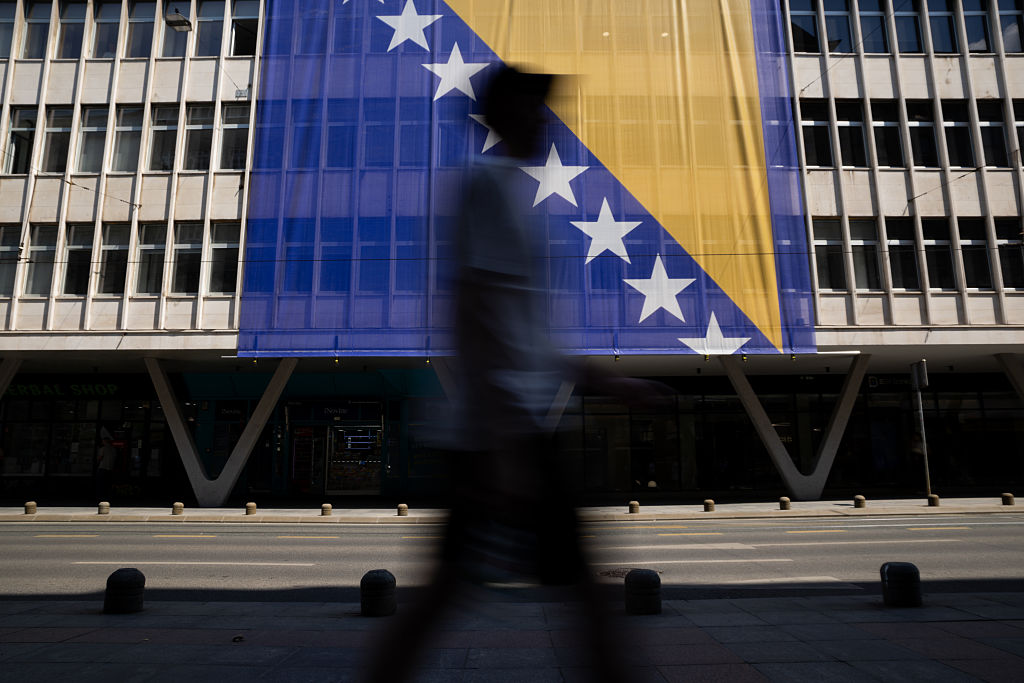
PRISTINA – Bosnia and Herzegovina risks becoming the latest flashpoint in transatlantic tensions as the EU and the US clash over who should oversee the country’s fragile post-war order, raising fresh questions about Western unity in the Western Balkans.
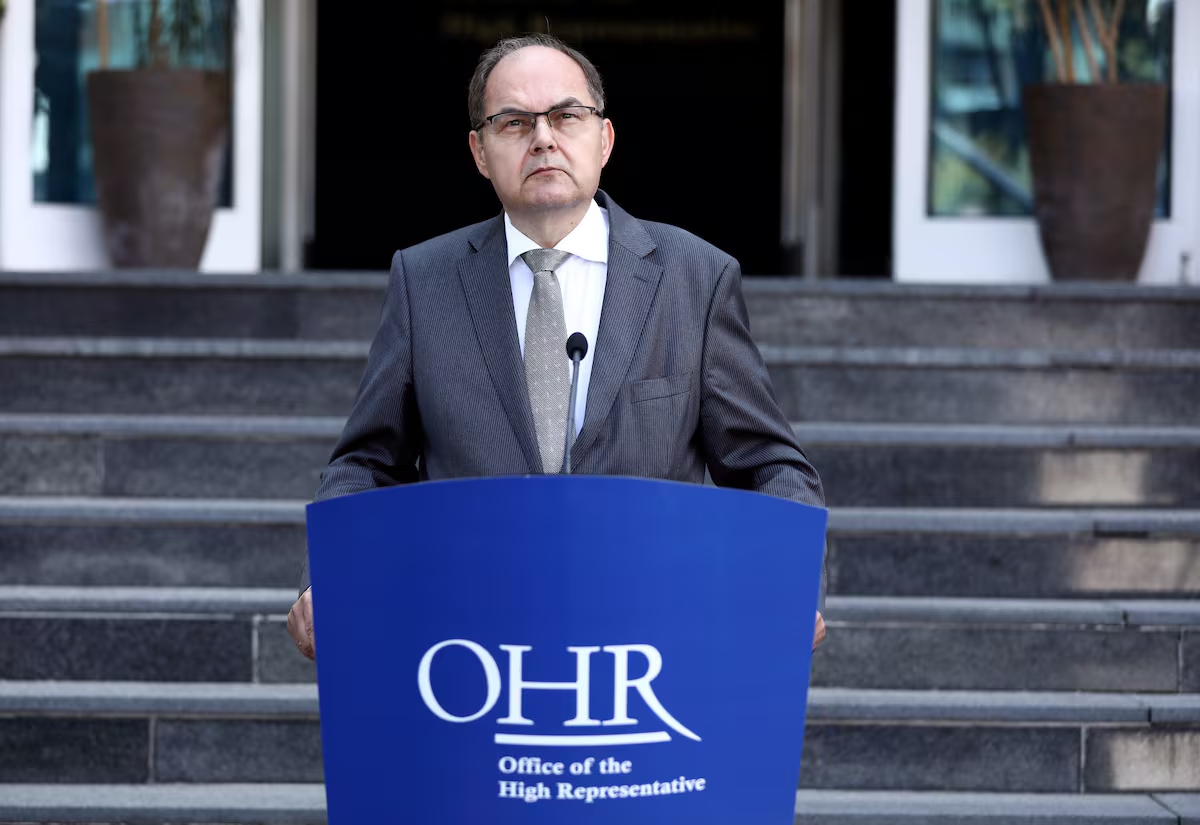
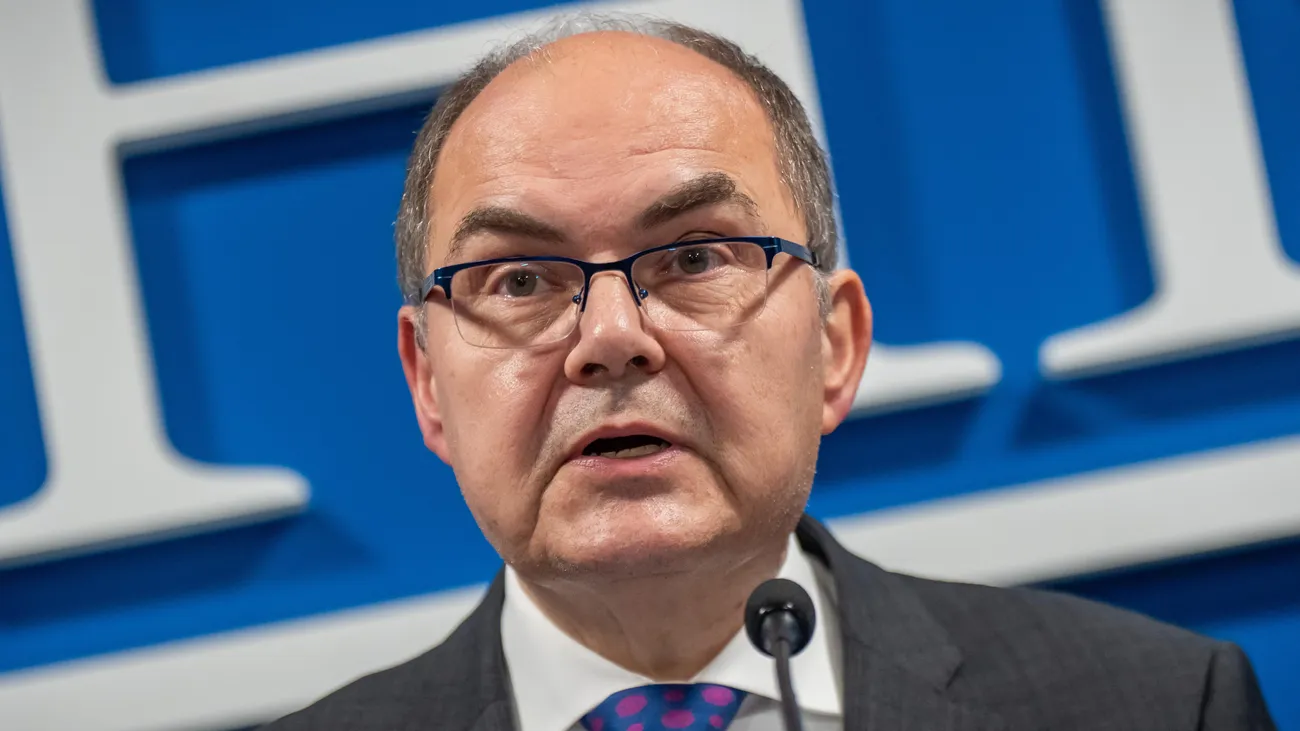
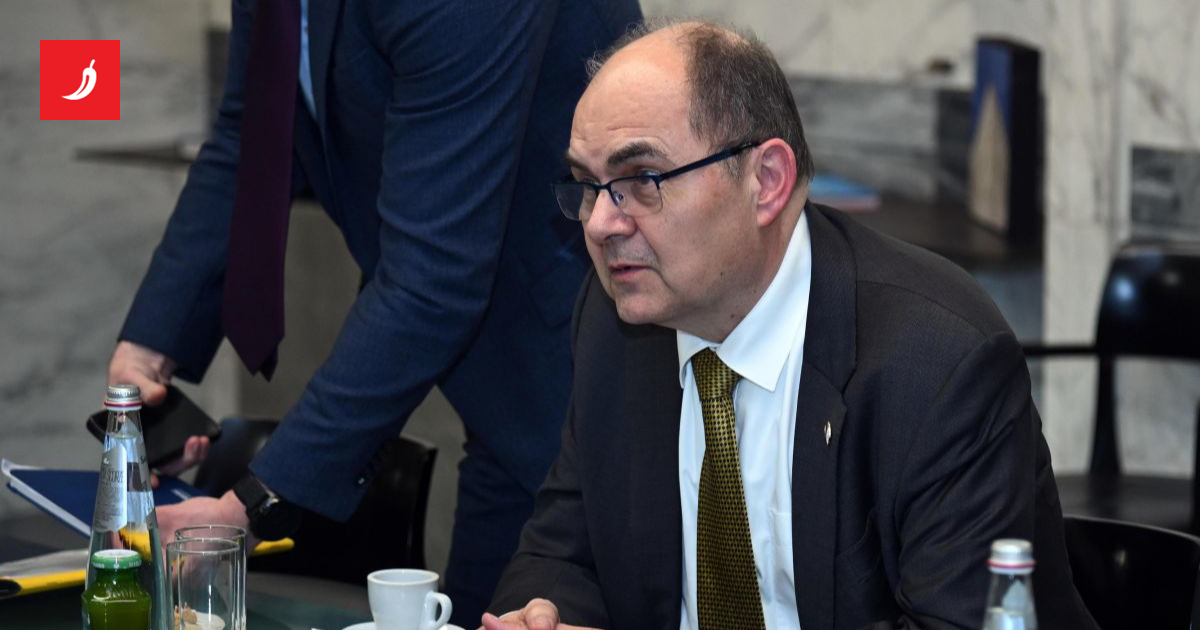
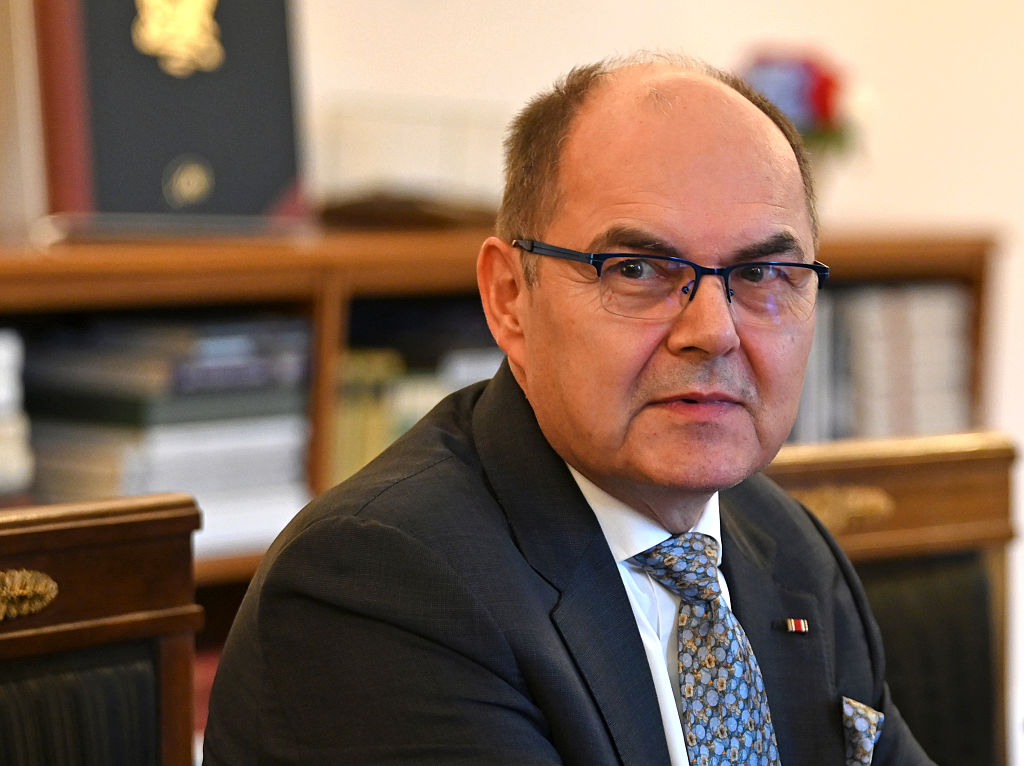
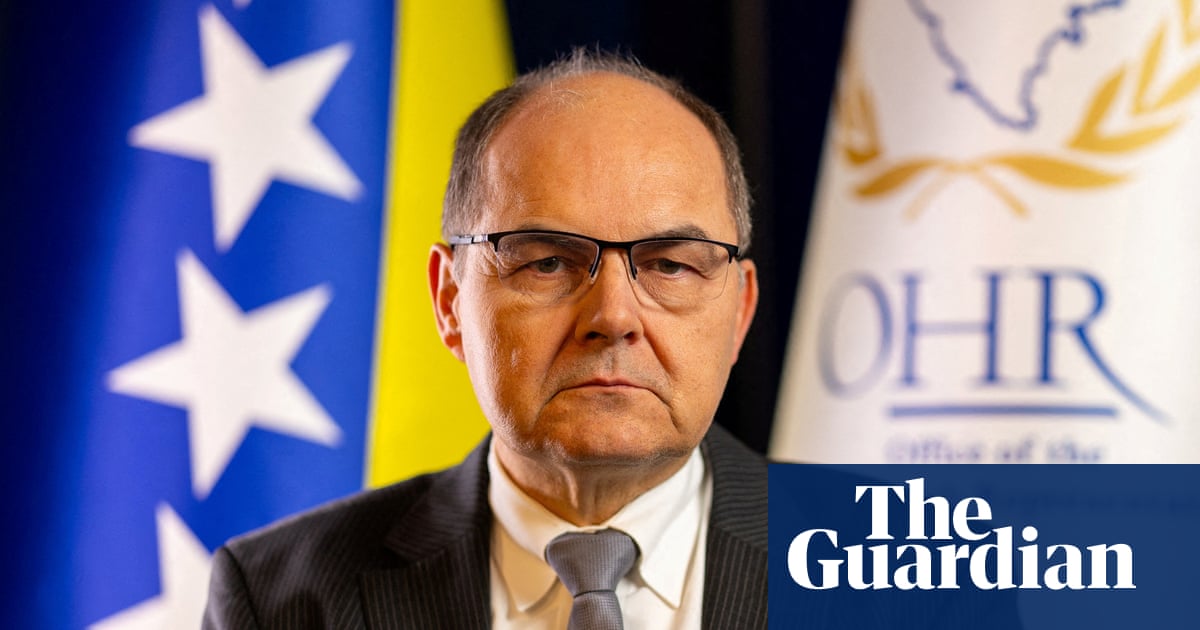
The Peace Implementation Council (PIC), which supervises the implementation of the 1995 Dayton Peace Agreement, is expected to meet on Tuesday to discuss a successor to High Representative Christian Schmidt, according to local media.
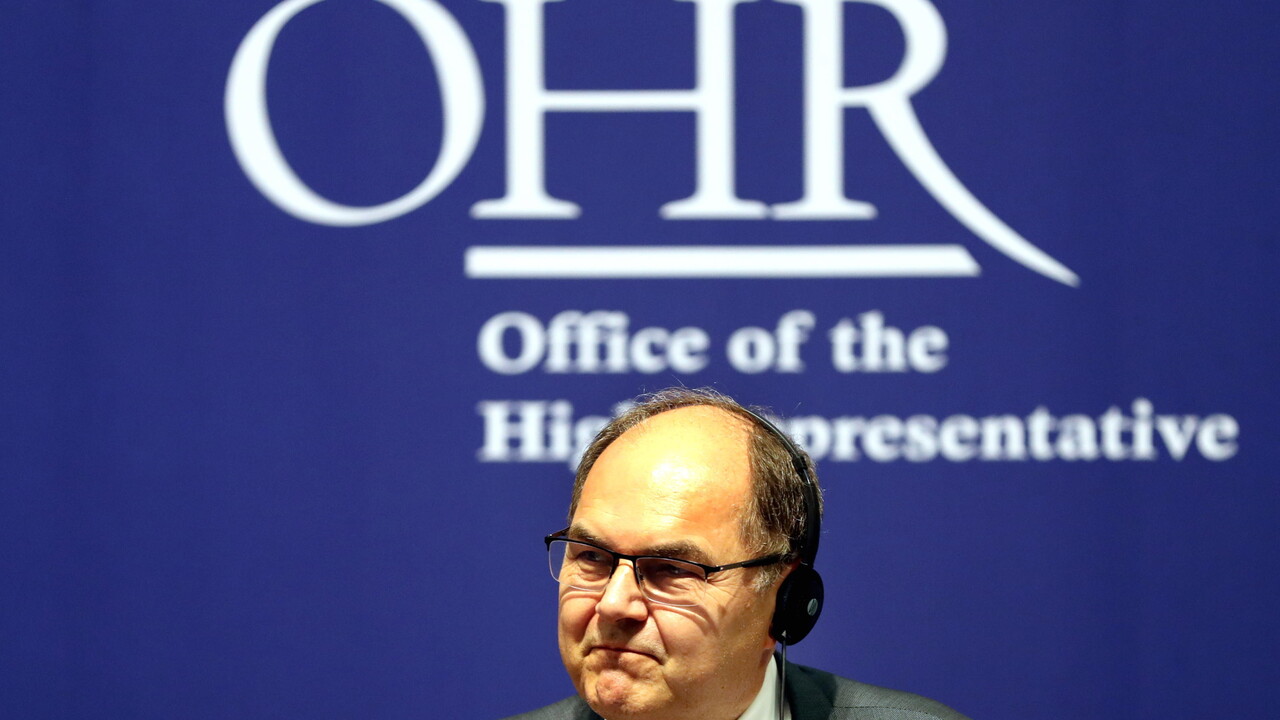
Schmidt announced his resignation in May, reportedly after coming under pressure from Washington, but has remained in office pending the appointment of a successor. The appointment comes as Brussels and Washington increasingly diverge over the future of the Office of the High Representative (OHR), the international body overseeing Bosnia’s post-war constitutional order.
Under the 1995 Dayton Peace Agreement, Bosnia was divided into the Bosniak-Croat Federation and Serb-majority Republika Srpska, linked by a weak central government and a power-sharing system between Bosniaks, Serbs and Croats. The OHR was created to enforce that settlement and prevent renewed conflict, but has remained in place for three decades despite being conceived as a temporary institution.