Workers take-home pay should be raised
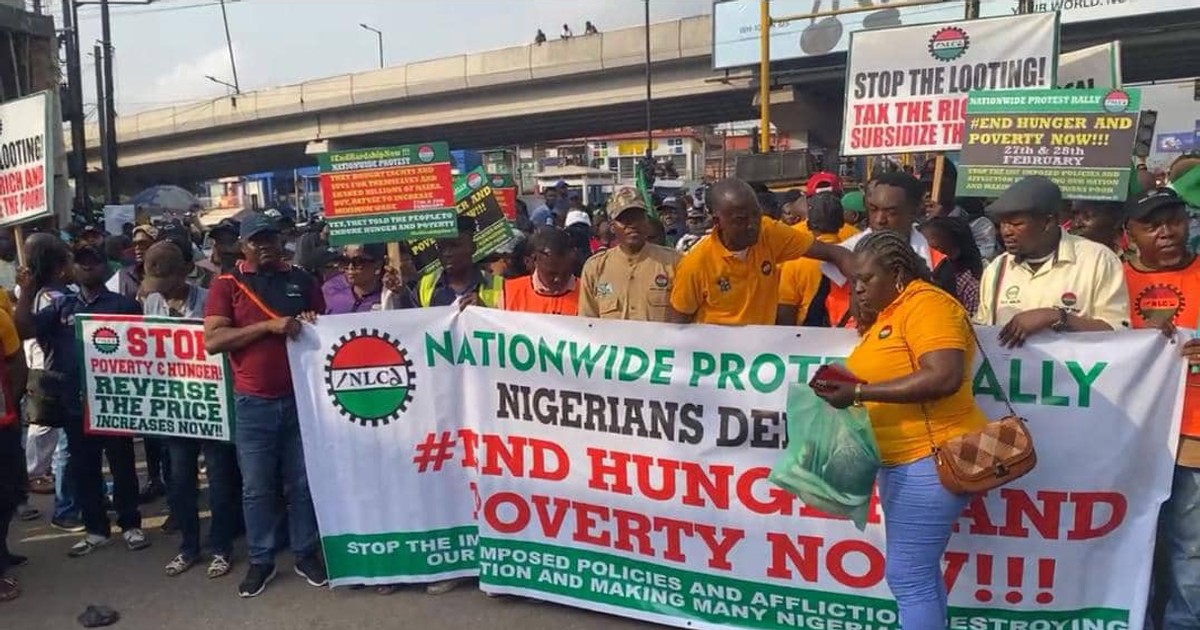
Amid rising inflation and increased living costs, the Nigeria Labour Congress (NLC) has been agitating for a significant wage raise to reflect the prevailing economic realities. In apparent response to the workers’ persistent demand, the Nigeria Governors’ Forum (NGF) has proposed N100,000. But the NLC has dismissed the offer as insignificant. “We consider it thoughtful of the Kwara State Governor (and NGF Chairman, AbdulRahman Abdulrazak) to propose this,” said Labour spokesman Benson Upah, “but certainly, N100,000 falls far below the realistic figure.” Instead, the NLC is asking for a N1 million monthly minimum wage that has also triggered divergent views.
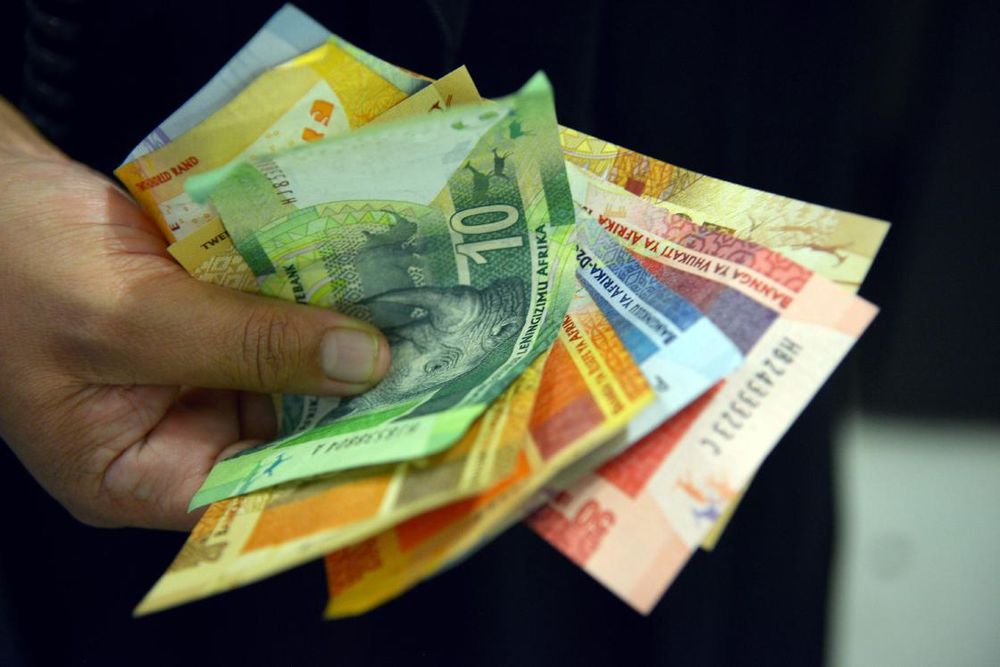
In July 2024, the federal government approved a new national minimum wage of N70,000 after prolonged negotiations with organised labour. But the call for another wage review intensified almost immediately amid worsening economic conditions. The removal of fuel subsidies and the floating of the naira led to significant depreciation of the national currency leading to skyrocketing transportation costs and food prices, and precipitating a sharp erosion of real wages. The economic hardship is further worsened by increases in electricity tariffs and the impact of recent tax measures. Another ground often advanced to support review of wages is that the Nigerian workforce is comparatively in the category of the least paid in Africa. So pitiable is the take home salary of a Nigerian worker that it pales in comparison to what workers in Ghana, Kenya, South Africa and Angola earn in the salary equation.