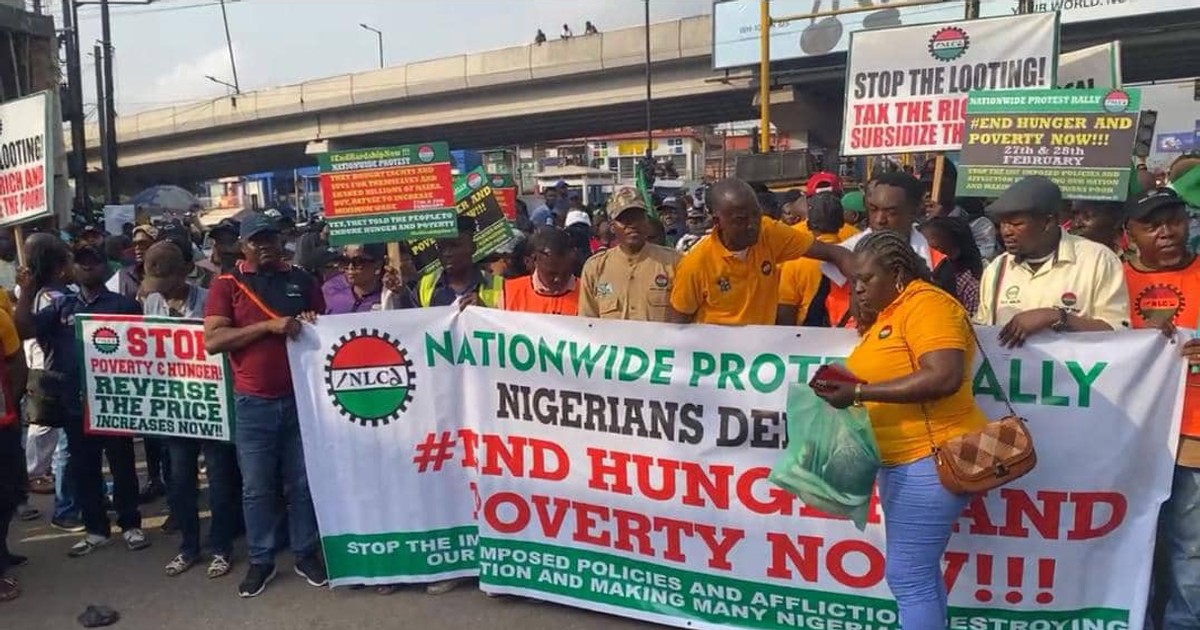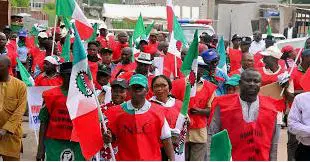
Eighty-eight years after trade unions gained legal recognition in Nigeria, labour leaders have expressed concern over the worsening economic conditions confronting workers, saying rising inflation and the cost of living have eroded the value of workers’ earnings.
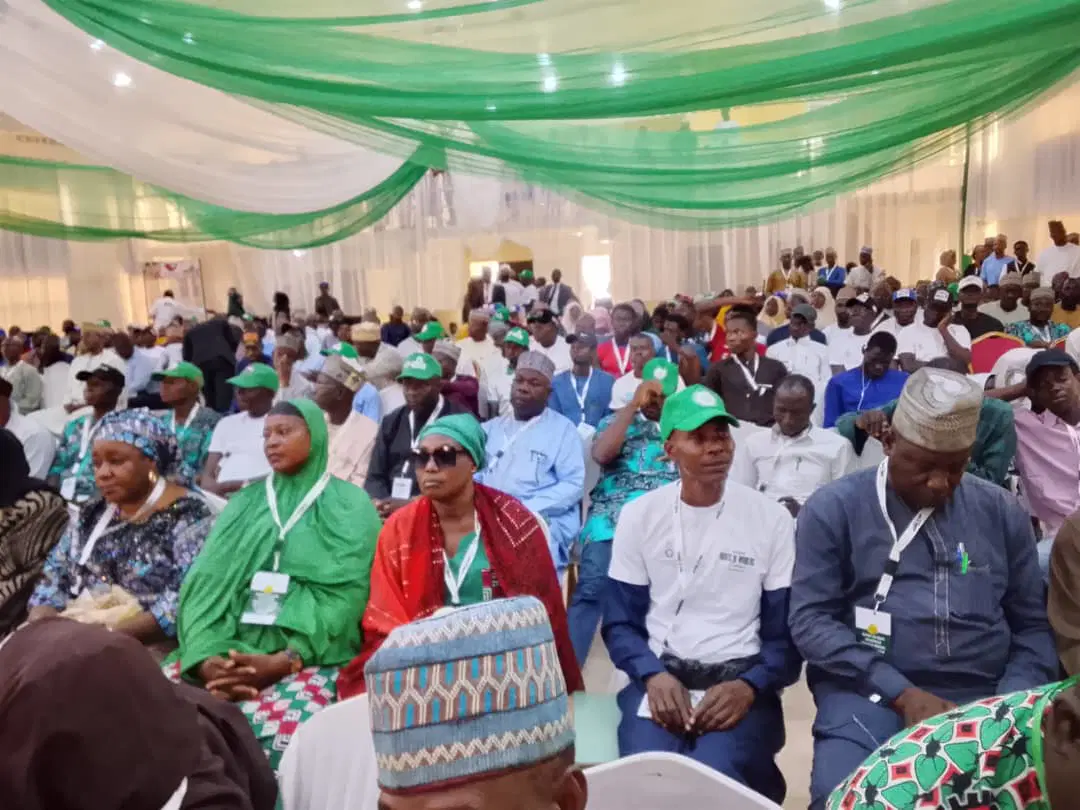
The labour leaders stated this on Friday at the Nigeria Rights of Workers Summit 2026, held in Birnin Kebbi, Kebbi State, to commemorate 88 years of workers’ organisation and trade unionism in the country.
The summit, themed “The Rights of Workers: Decent Work and a Just Economy in Nigeria,” brought together labour leaders, government officials, workers, employers, civil society organisations and representatives of the National Industrial Court to examine the state of workers’ rights and welfare in Nigeria.
Discussions at the event focused on workers’ remuneration across the 36 states, local governments and the private sector, as participants raised concerns over inflation, rising living costs, workplace safety, discrimination, job insecurity, and the protection of casual and other non-traditional workers.
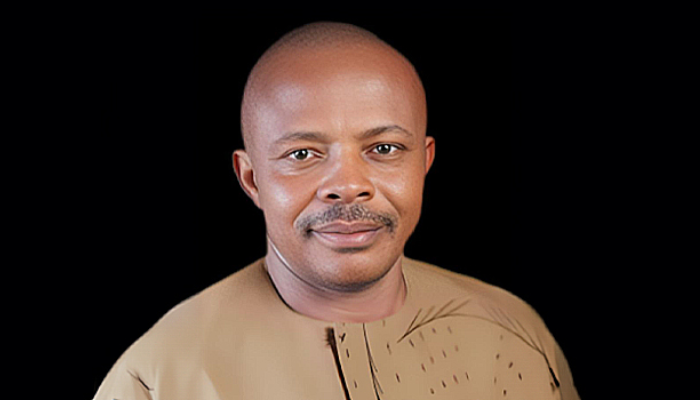
Speaking on behalf of the President of the Nigeria Labour Congress, Joe Ajaero, the Deputy President of the NLC, Adewale Adeyanju (Amba), identified the national minimum wage as one of the major challenges facing Nigerian workers.