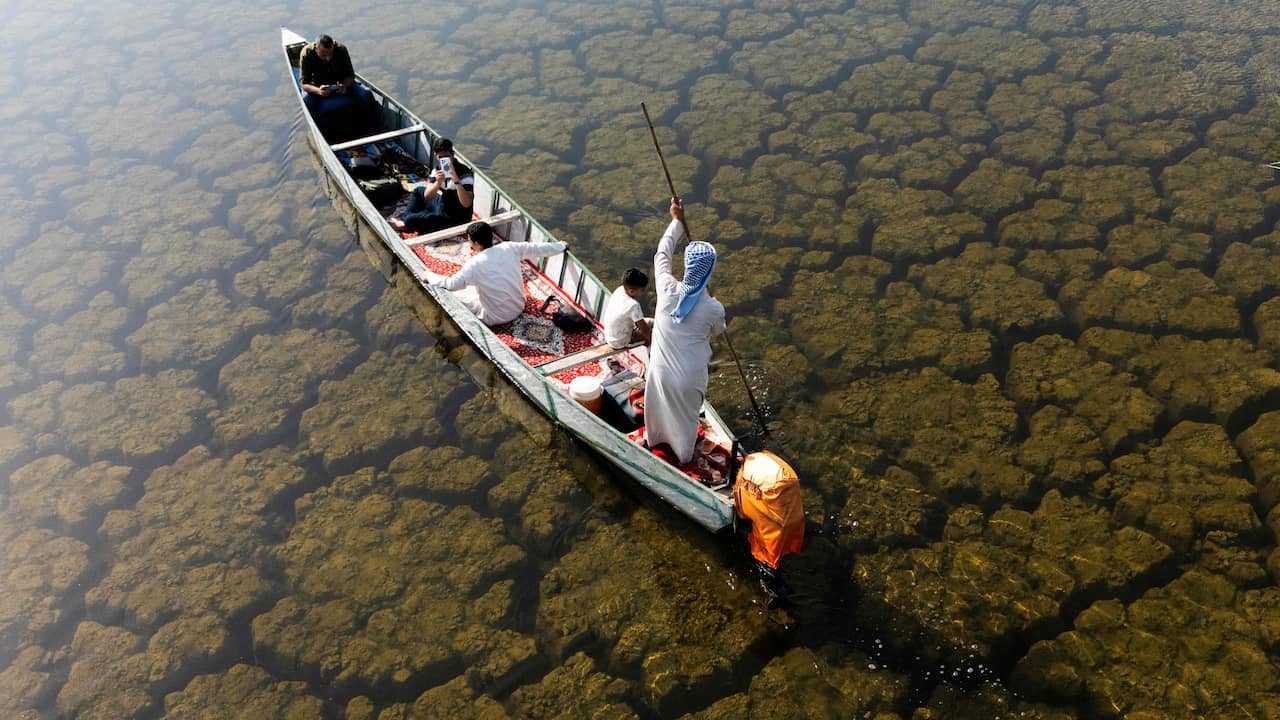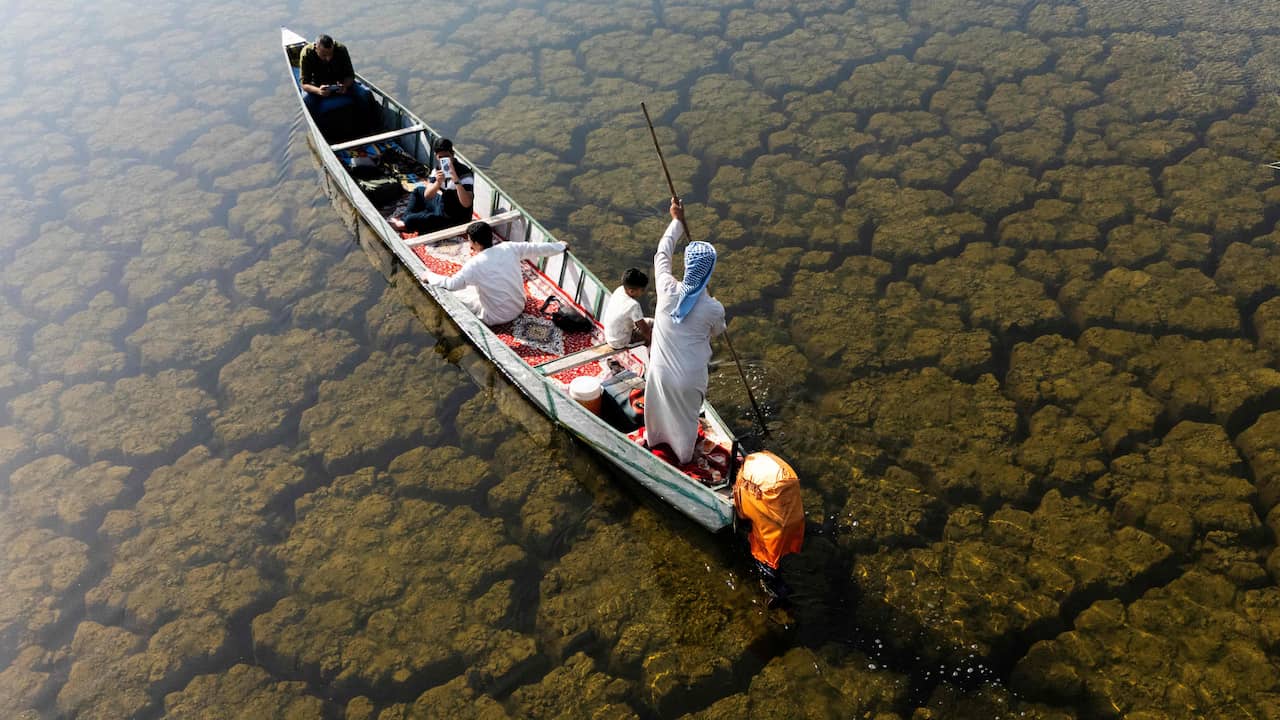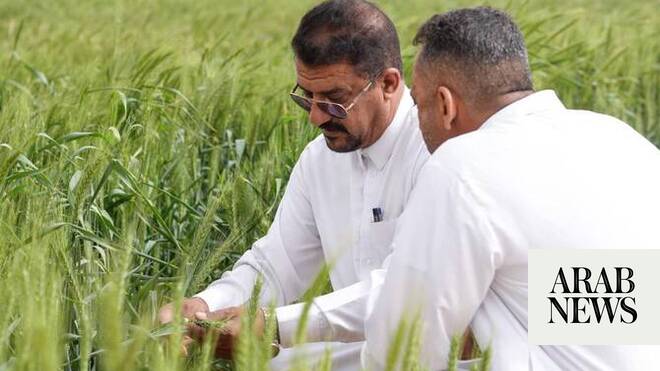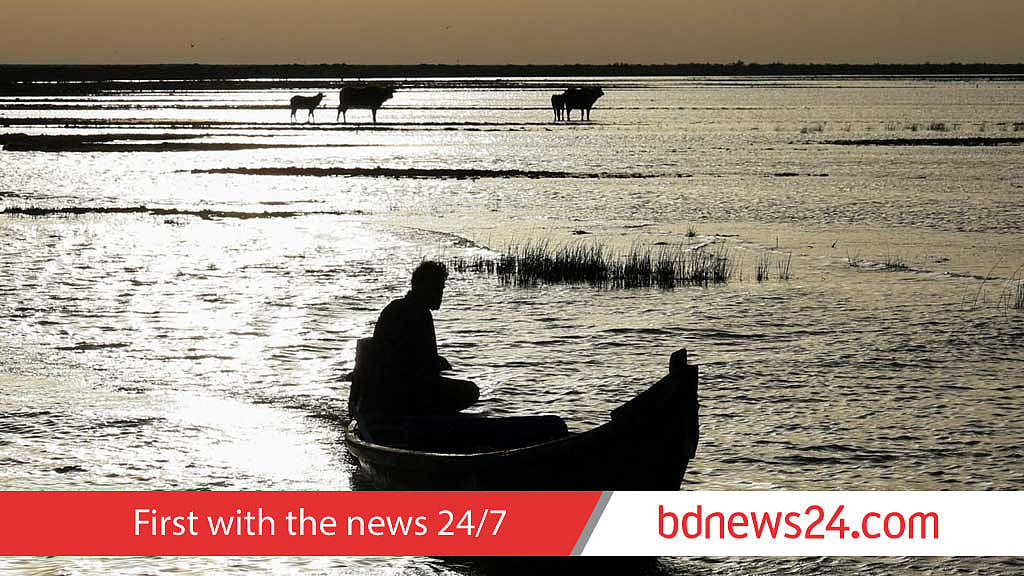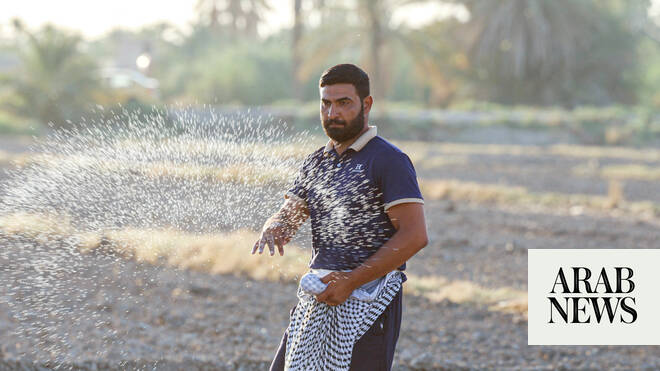
AL-MISHKHAB, Iraq: Alaa Al-Ibrahimi is planting rice again for the first time in years at his farm in Al-Mishkhab, in Iraq’s Najaf region.
“Last year, I did not cultivate a single dunam ... This year, by God’s will, we got water,” he said, as workers sowed Anbar rice — his preferred variety — on his plot of around 100 dunams, or 25 hectares.
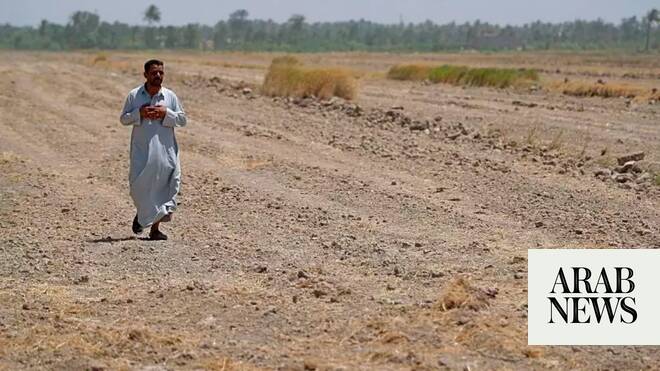
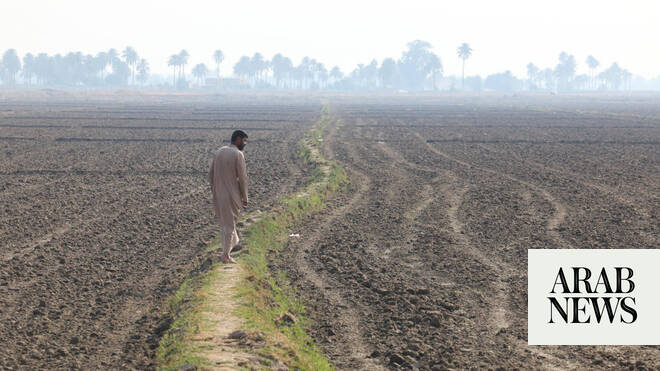
After years of drought that left water reserves at historic lows and prompted strict curbs on water-intensive crops, heavy rains and increased river flows from Iraq’s neighbors have once again allowed rice growers to flood their fields.
Cultivation of the staple crop has expanded to its largest area in four years, bringing economic relief for farmers like Al-Ibrahimi and supporting the government’s push for more self-sufficient food production.
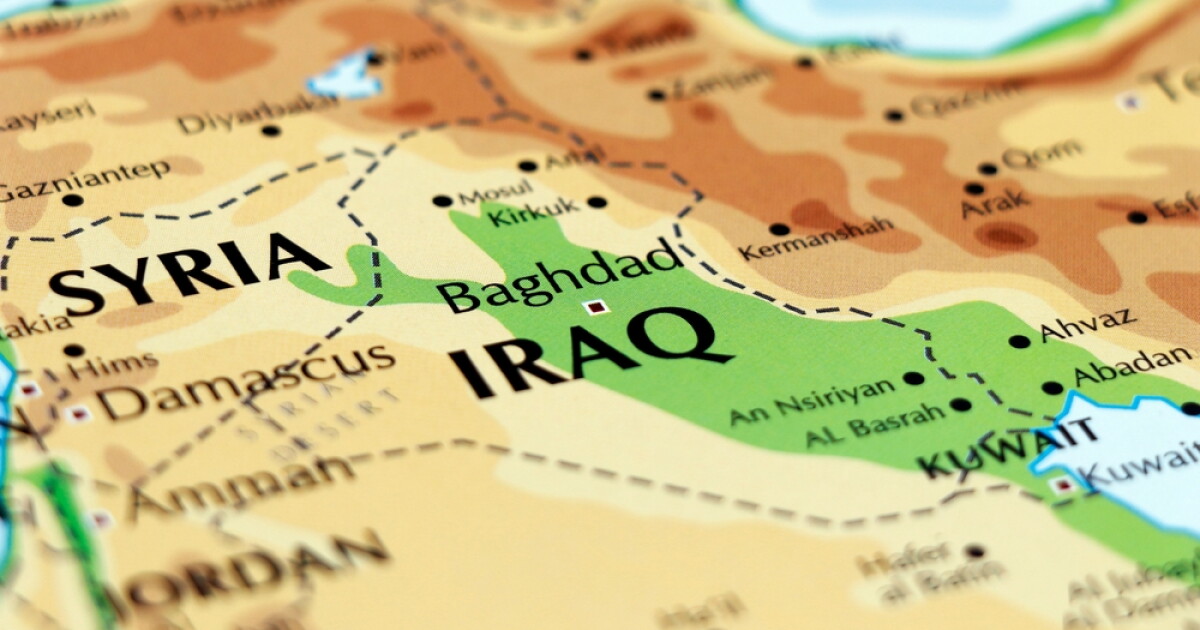
But, while welcome, the improvement in farming conditions across a region spanning from Morocco to Syria remains tenuous, particularly in Iraq, which ranks fifth globally for climate risk, according to the United Nations, and faces a long-term trend of higher temperatures and declining rainfall.