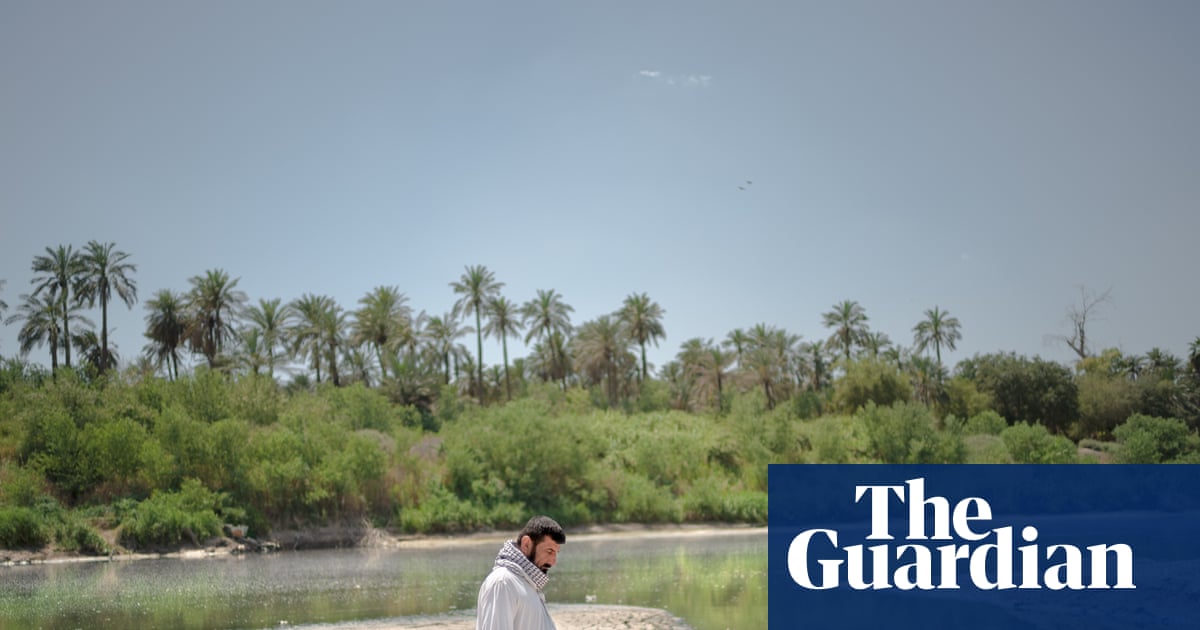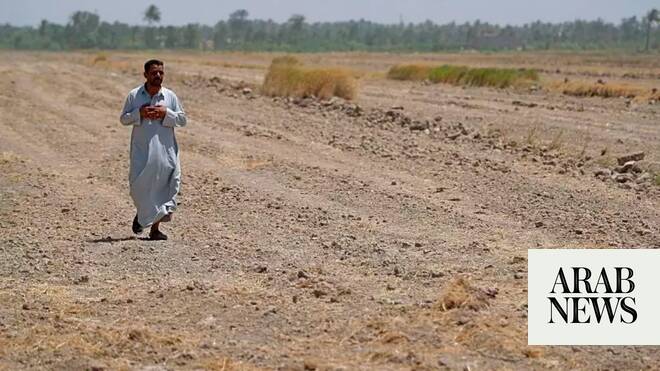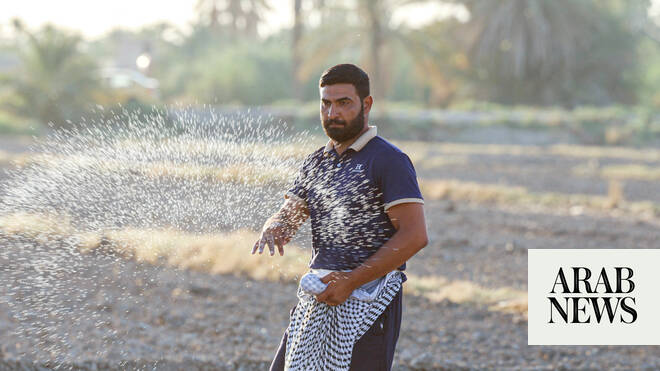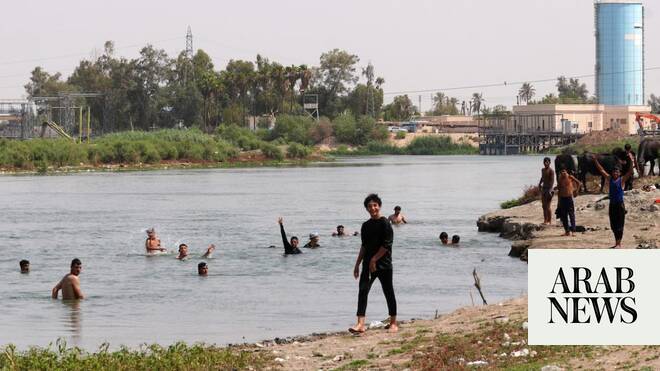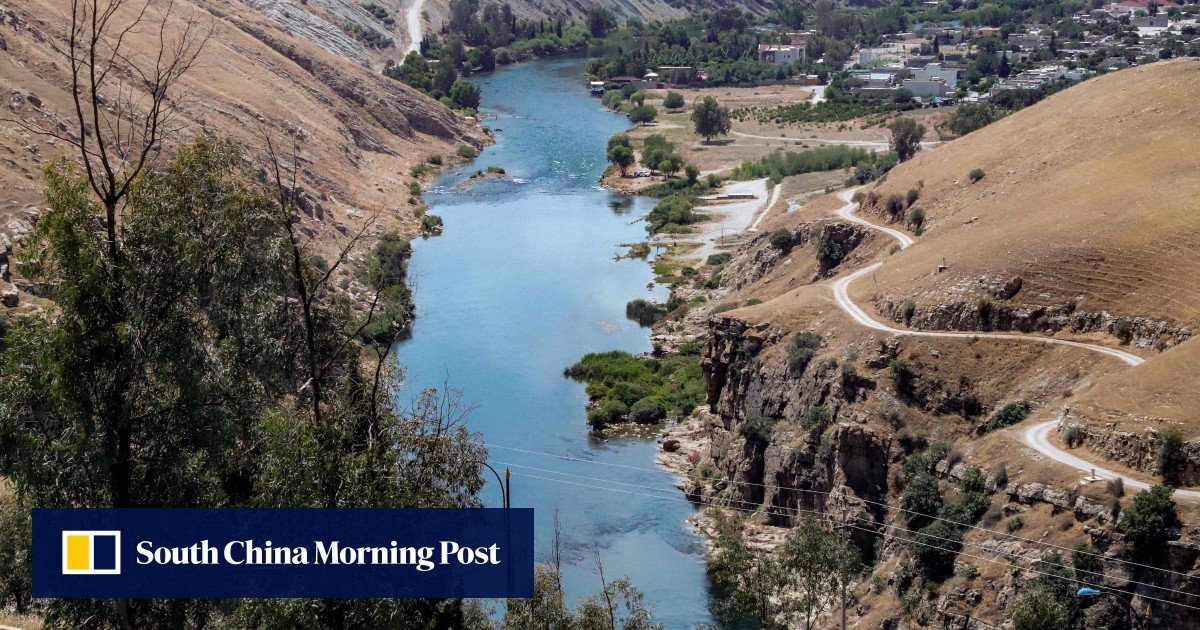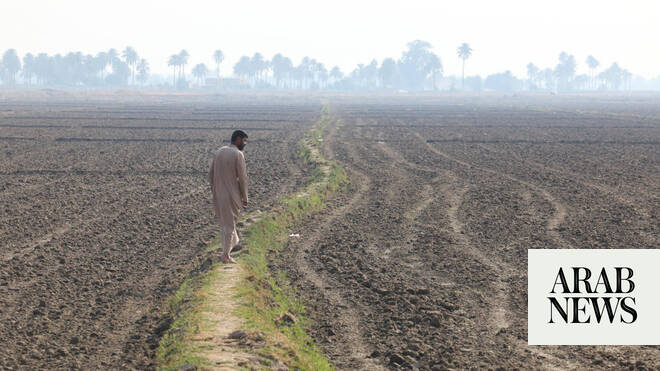
NAJAF: Iraqi wheat farmer Ma’an Al-Fatlawi has long depended on the nearby Euphrates River to feed his fields near the city of Najaf. But this year, those waters, which made the Fertile Crescent a cradle of ancient civilization 10,000 years ago, are drying up, and he sees few options.
“Drilling wells is not successful in our land, because the water is saline,” Al-Fatlawi said, as he stood by an irrigation canal near his parched fields awaiting the release of his allotted water supply.
A push by Iraq — historically among the Middle East’s biggest wheat importers — to guarantee food security by ensuring wheat production covers the country’s needs has led to three successive annual surpluses of the staple grain.
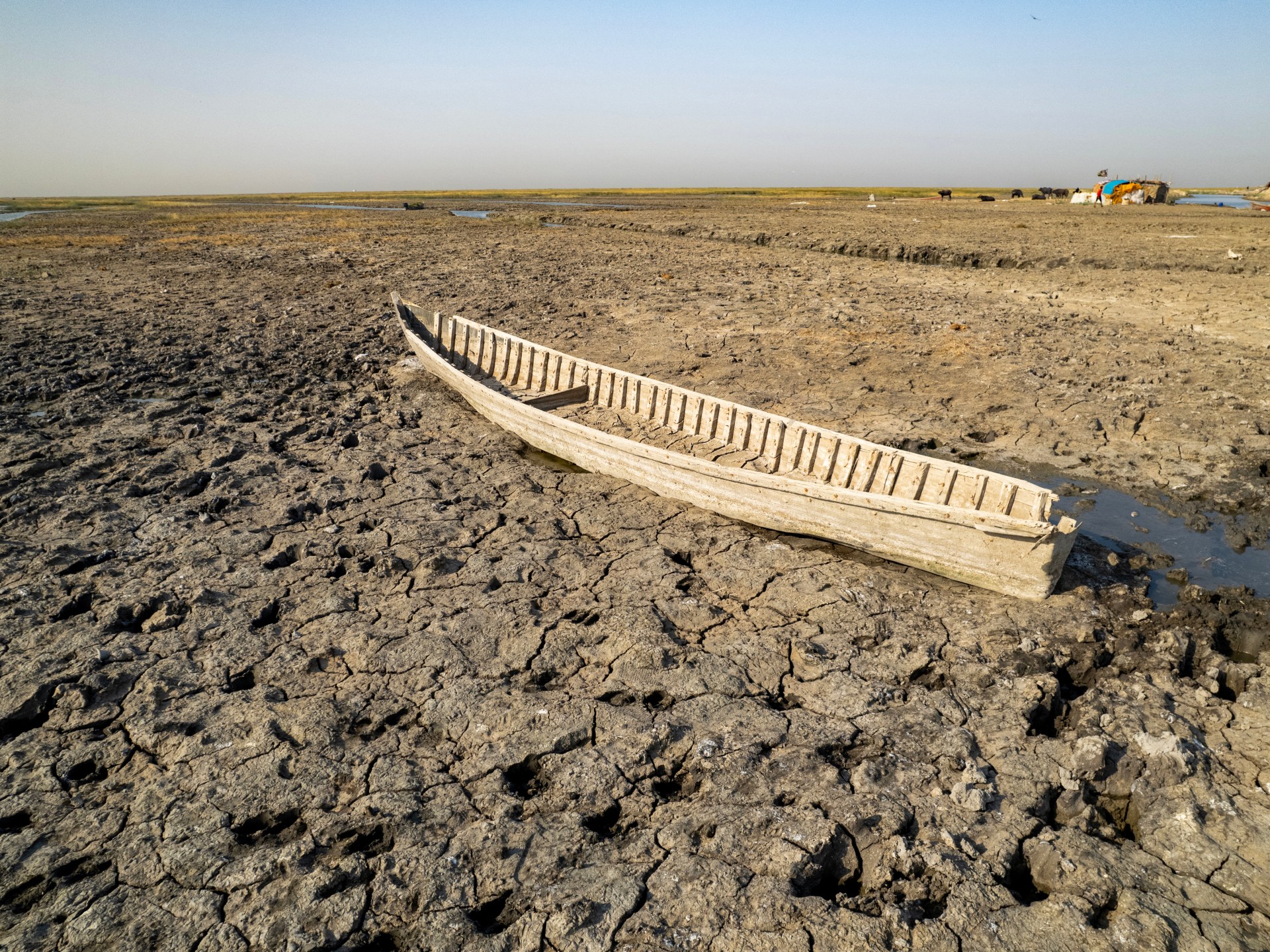
But those hard-won advances are now under threat as the driest year in modern history and record-low water levels in the Tigris and Euphrates rivers have reduced planting and could slash the harvest by up to 50 percent this season.
“Iraq is facing one of the most severe droughts that has been observed in decades,” the UN Food and Agriculture Organization’s Iraq representative Salah El Hajj Hassan told Reuters.