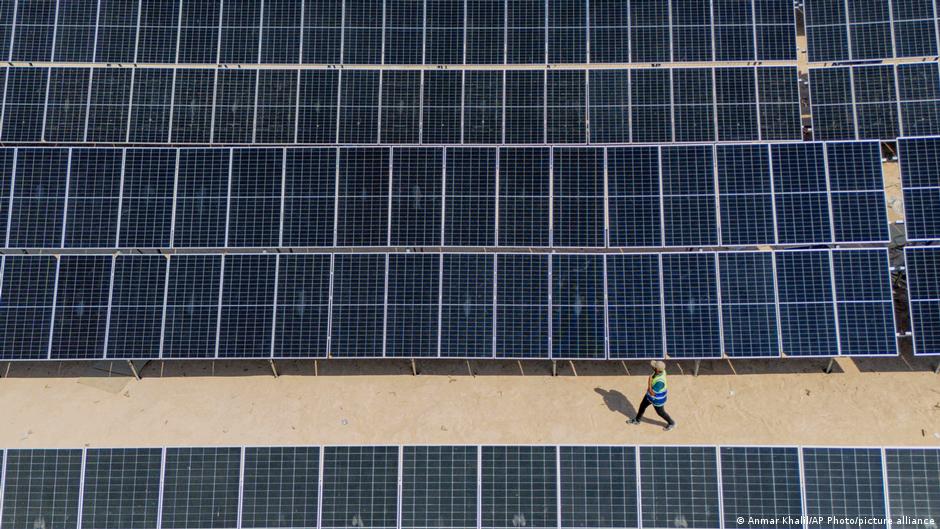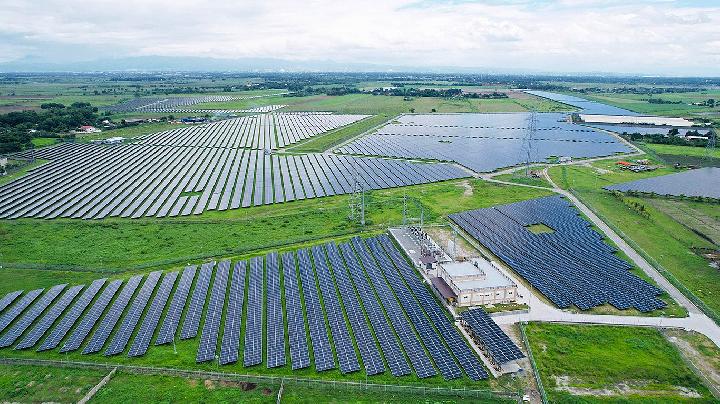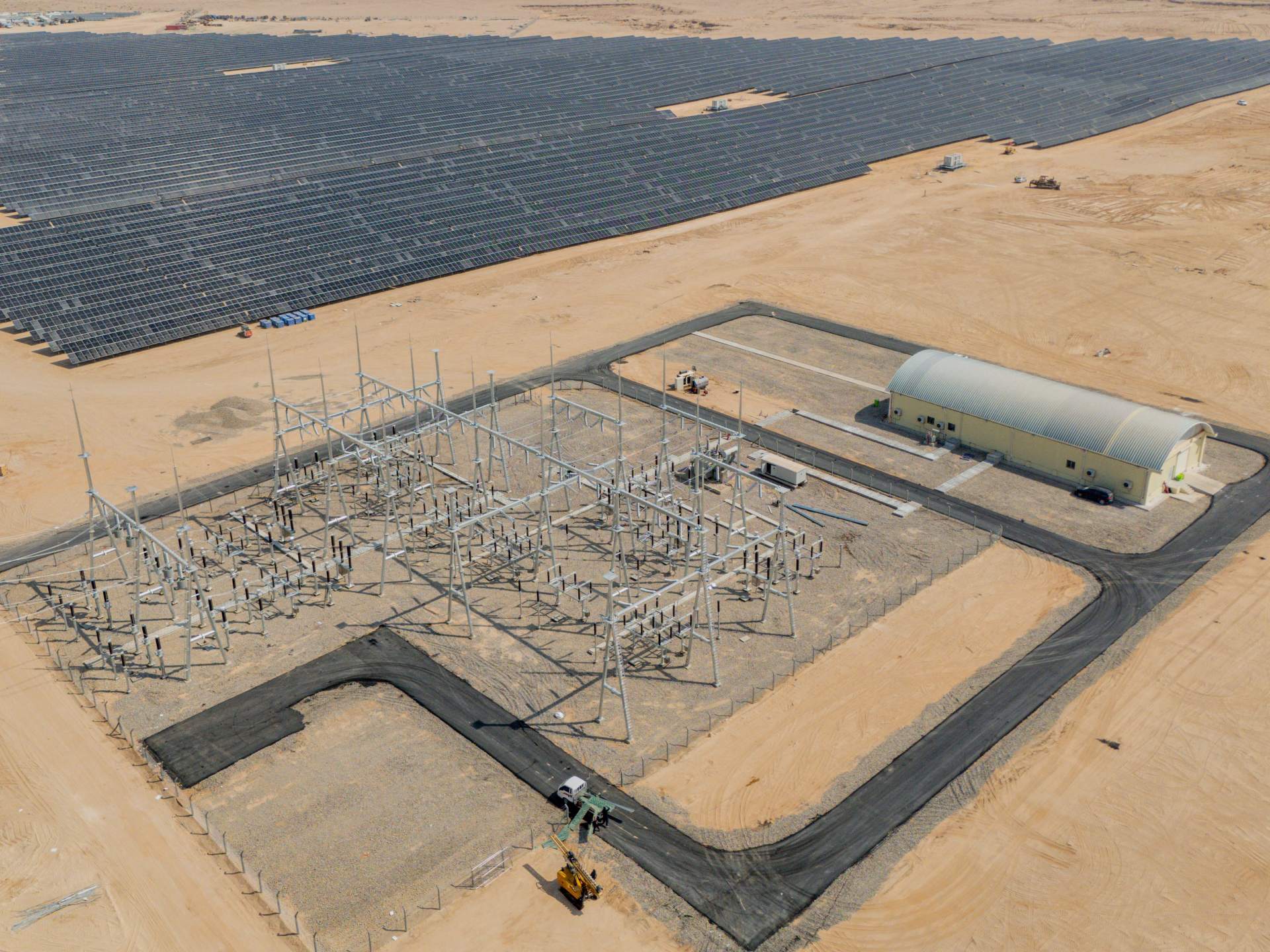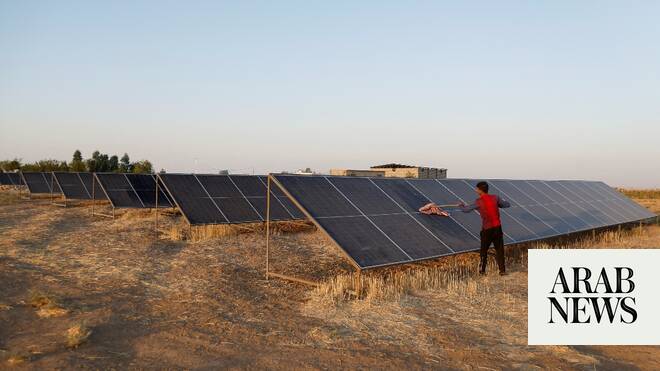
MOSUL: Weary of paying big bills for power supplies that are often cut off, wheat grower Abdallah Al-Ali is among the rising number of farmers to have turned to solar panels to keep their irrigation systems running during the searing heat of the Iraqi summer.
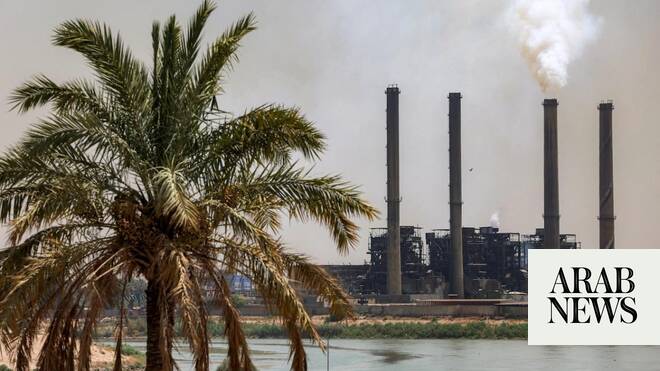
A member of the Organization of the Petroleum Exporting Countries, and one of the world’s leading oil producers, Iraq has struggled to provide its citizens with energy since the 2003 US-led invasion that toppled Saddam Hussein.
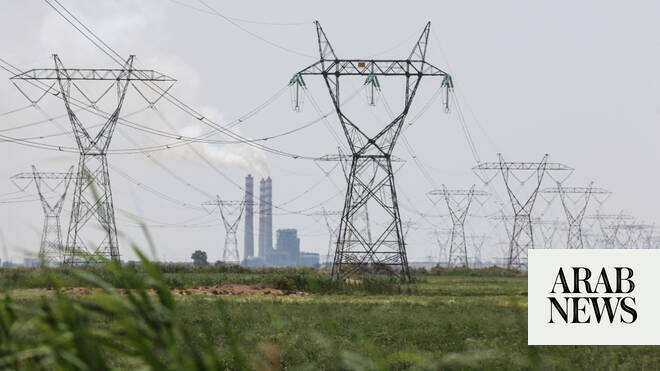
In the ensuing turmoil, under-investment and mismanagement have left the national grid unable to cope with demand.
On some summer days when temperatures can exceed 40 degrees Celsius (104°F), it provides electricity for only around half of the time, according to a Reuters witness in Mosul, in the northern agricultural province of Nineveh.
The monthly power bill for Al-Ali was nearly a million Iraqi dinars ($763.94). Since installing solar, he said he has been paying the national grid 80,000 Iraqi dinars and his supply has become reliable.