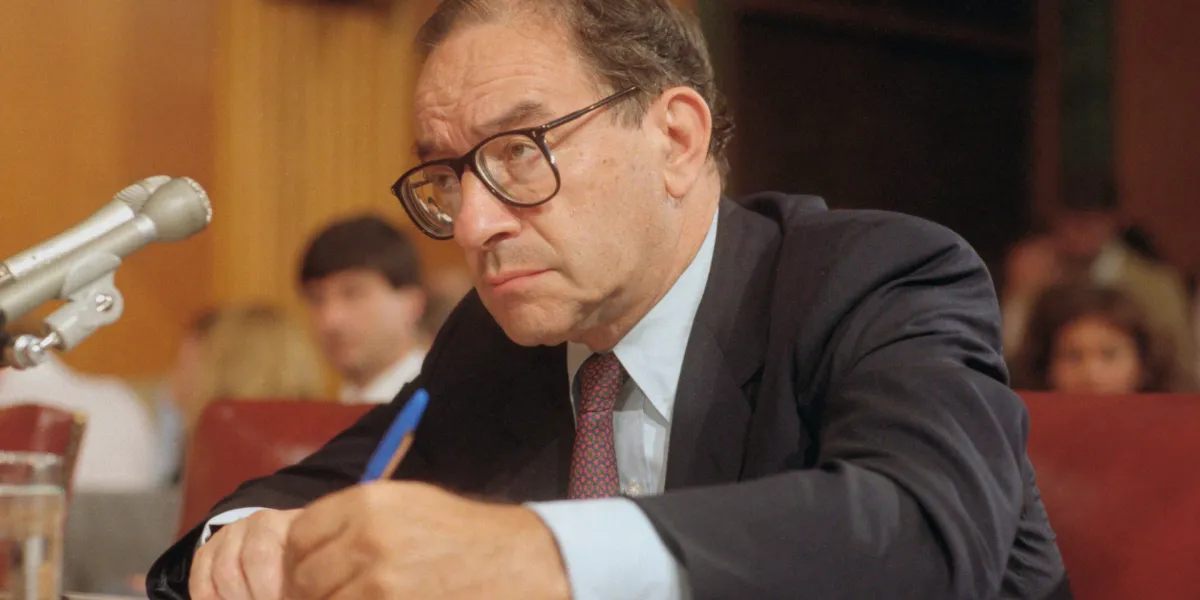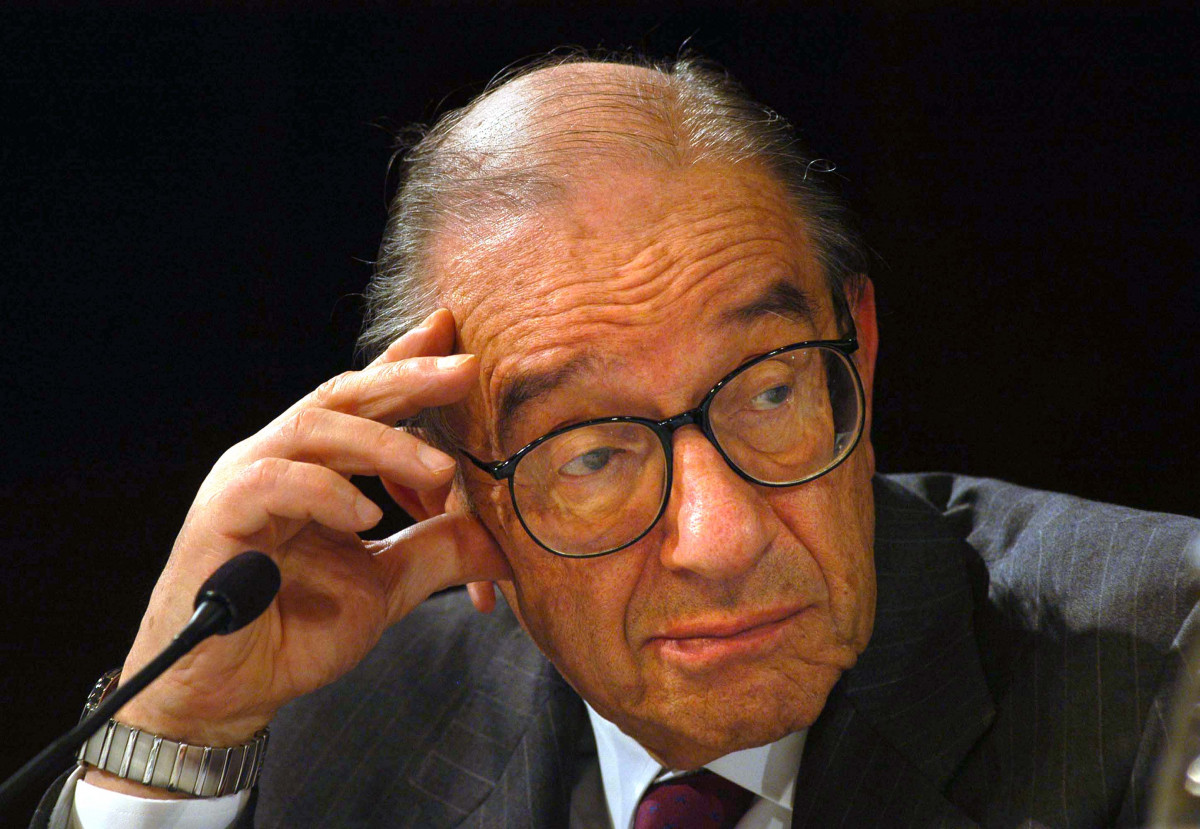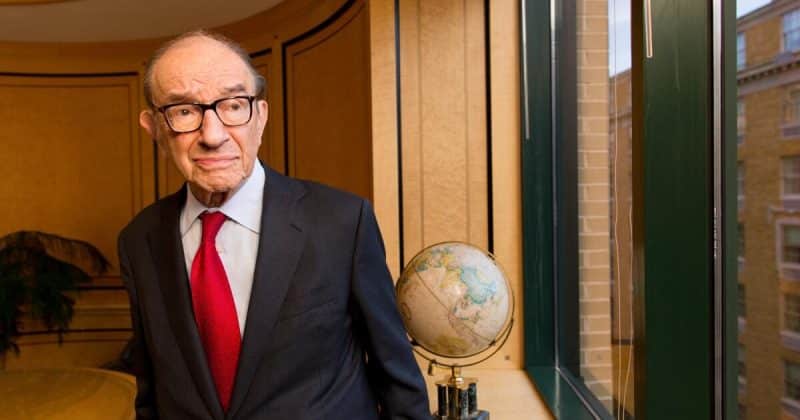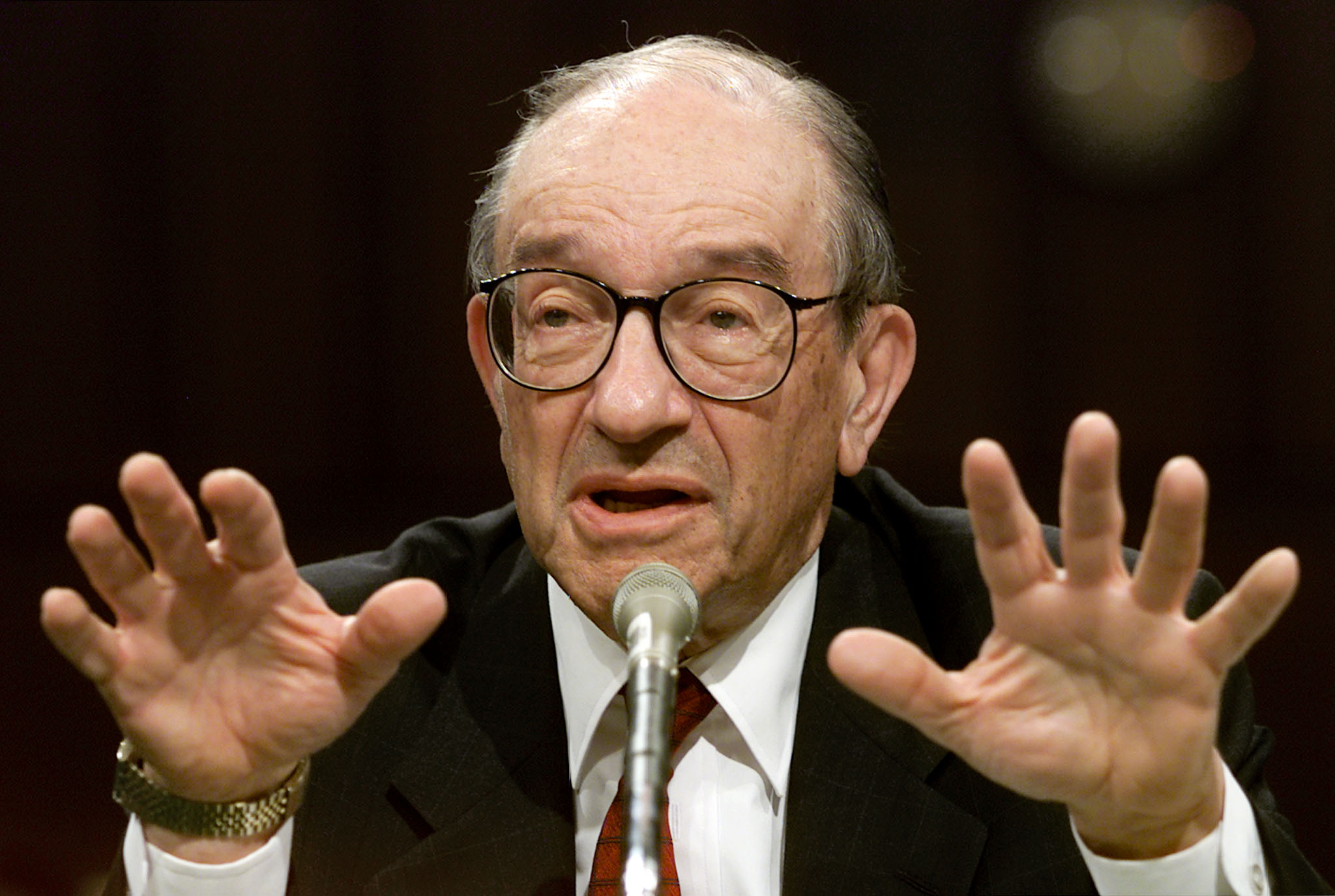
WASHINGTON—Alan Greenspan presided over one of the longest stretches of near-optimal economic performance in modern US history as chair of the Federal Reserve from 1987 to 2006. He also was at the helm during economic turmoil, including the dot-com tech bubble in the late 1990s and early 2000s.
Greenspan—who died Monday at the age of one hundred—leaves a legacy of both positive and negative lessons, and the current Federal Reserve leadership, under newly installed Chair Kevin Warsh, should take both on board. One notable danger now, as it was during Greenspan’s time, is getting the economy right but being wrong on financial stability risks.
Greenspan’s positive lessons
Greenspan was renowned for his attention to detail and his thorough analysis of economic data. As Federal Reserve chair, he was able to connect the dots of anecdotal evidence about capital goods orders and information technology investment using piecemeal firm-level data on productivity and profit improvement. With this data, he concluded early on that the internet investment boom in the late 1990s would lead to a sustained improvement in US productivity after some time lag. Based on this assessment, he resisted the urge to raise interest rates in 1996 and 1997, despite a tightening labor market. He was especially motivated by the fact that the consumer price index (CPI) rate started to moderate from above 3 percent in late 1996 to 1.7 percent by the end of 1997. His views were validated when productivity growth surged from 1.5 percent in the early 1990s to 2.5–3 percent from 1996 to 2004. This productivity improvement, together with China being integrated into world trade helping to lower goods prices, allowed his overall monetary accommodation to deliver an enviable average annual growth of 3 percent in both gross domestic product (GDP) and the consumer price index during his 18.5 years as Federal Reserve chair.