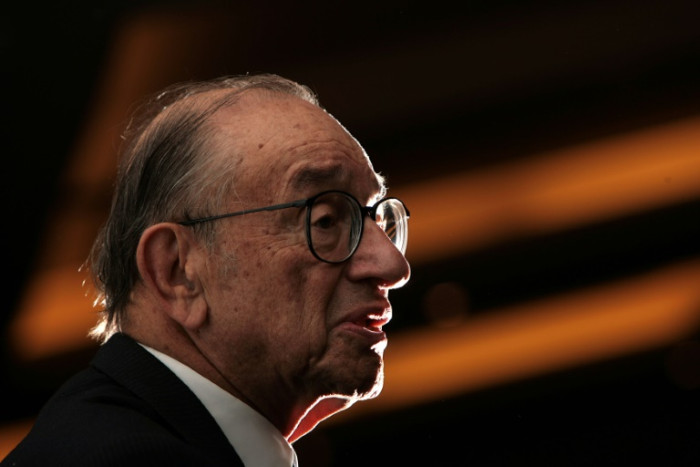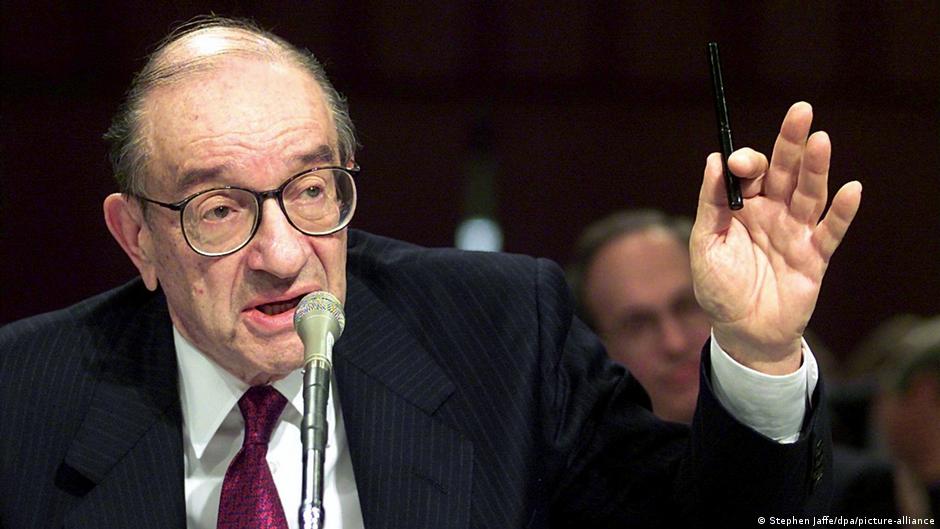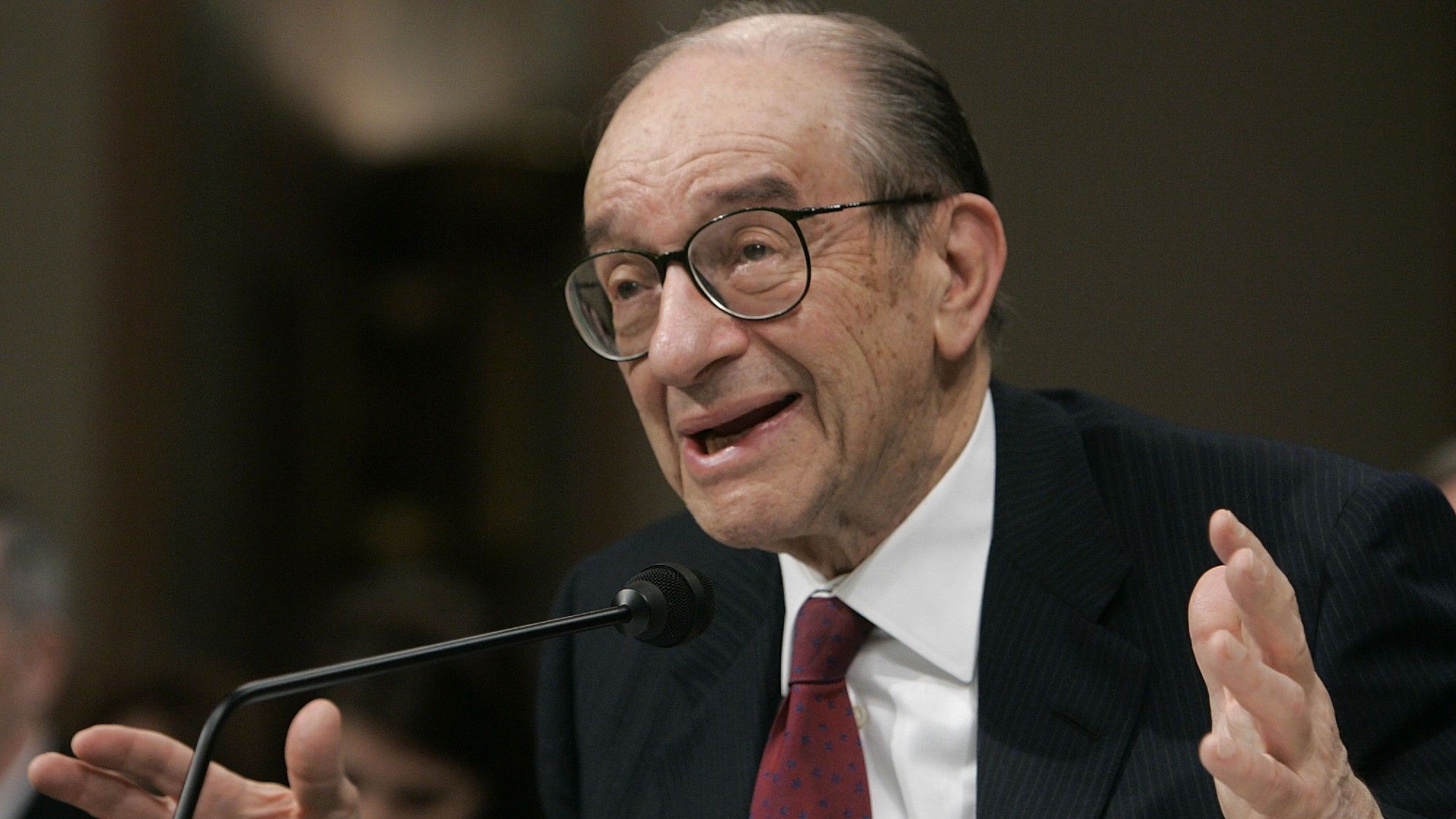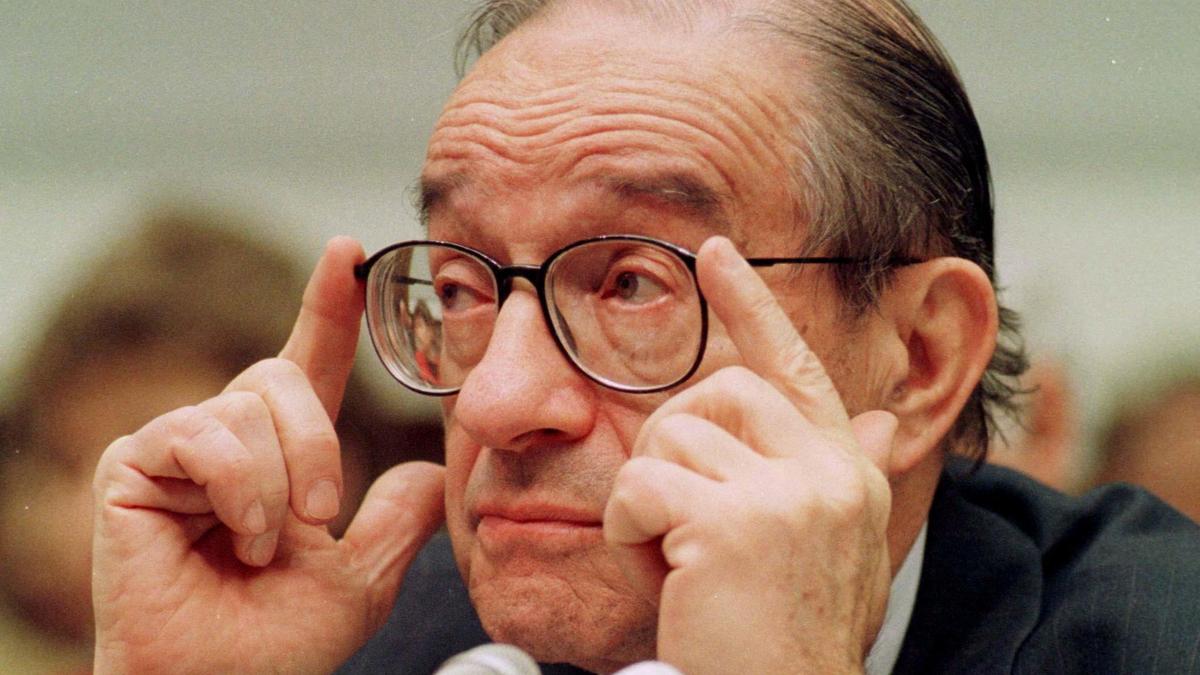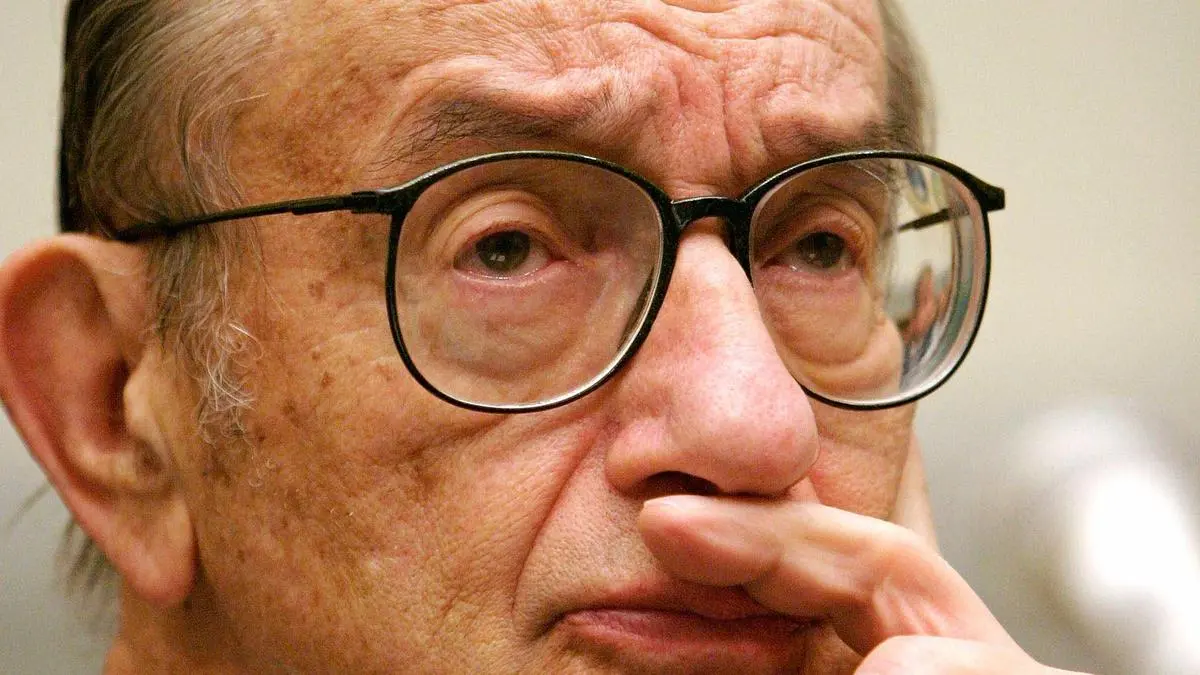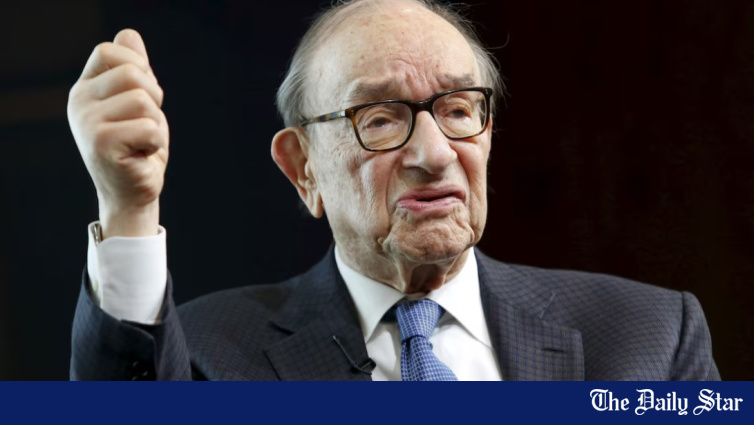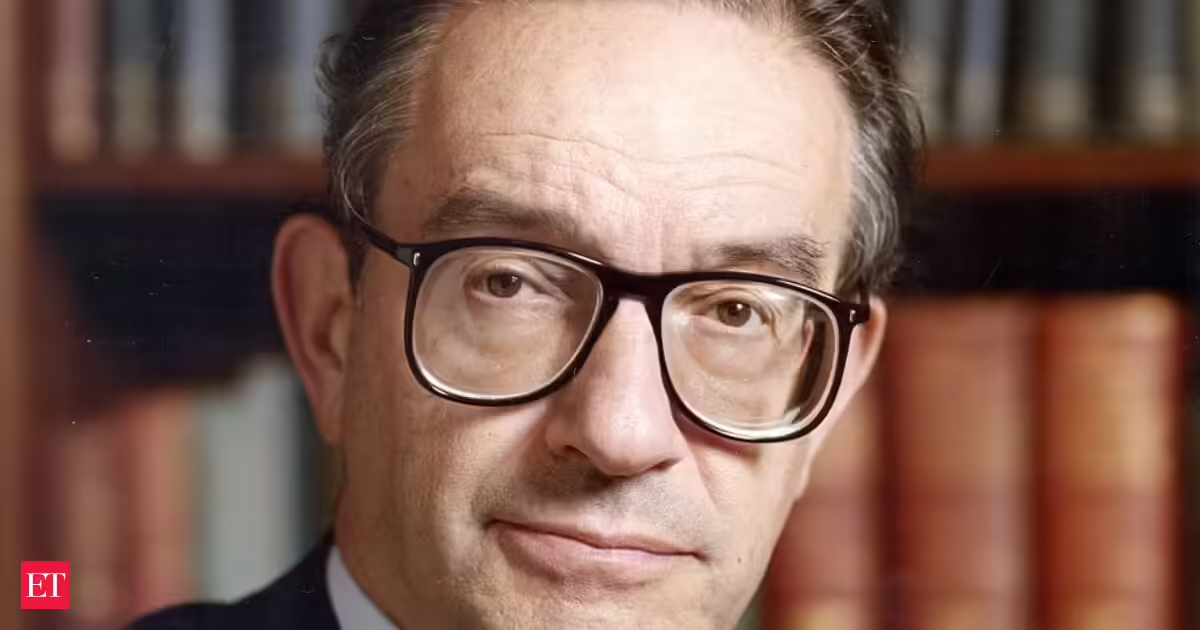
Alan Greenspan, who has died at the age of 100, was one of the most influential figures in the world economy, not just the United States. As US Federal Reserve chairman from 1987 to 2006 he guided monetary policy under four presidents, changed the way the Fed operated and used his influence to help bring about a decade of unbroken economic growth there in the 1990s. Unfortunately, his philosophy of focusing on using policy to boost markets at nearly all times, as well as a general sense that he took a “hands off” position on financial regulation, created the conditions for the financial crisis of 2008, the legacy of which we are still feeling today. The New Yorker was already something of an economics whisperer to presidents when Ronald Reagan named him to lead the Fed. He famously did not quickly lower interest rates in 1991 when the US economy appeared to be struggling – something George HW Bush saw as a reason why he lost re-election to Bill Clinton – but through that decade he became a key figure in what became known as the Great Moderation – a period of broad economic growth through the 1990s and mid-2000s. Greenspan’s key insight was his understanding that technological advances during that time meant the huge increase in productivity allowed the economy to absorb higher wages without boosting inflation. That in turn meant the Fed could keep interest rates lower for longer, which in turn boosted the economy. It was a fundamental change of outlook for the Fed and economists around the world. Yet his faith in markets’ ability to regulate themselves meant that despite warnings that house prices were becoming overinflated in the mid-2000s, the Fed didn’t move to “take the punch bowl away” with rate increases. That set the scene for the property crash and financial crisis in the US, which quickly spread around the world. Ireland experienced the worst such crash in relative terms, and we are still dealing with the fallout from it now. The housing crisis, along with low trust in government and financial institutions, can be traced at least in part back to that time. It is an unfortunate legacy for a man who, when he formally retired 20 years ago, did so to a cacophony of near universal praise.
Alan Greenspan’s mixed legacy as Federal Reserve chairman
Longtime US Fed chair presided over long period of growth but also played a part in creating conditions for global financial crisis
TL;DRAI
Greenspan, Federal Reserve chairman 1987–2006 (died at 100), leveraged tech-productivity theory to maintain low rates through 1990s growth but his hands-off regulation stance enabled housing bubbles in mid-2000s. His inaction catalyzed the 2008 crisis with lasting global consequences, illustrating the cost when governance lags systemic scale—a principle relevant to tech leaders managing innovation cycles and AI governance frameworks.
385 words~2 min read