Some of the most consequential decisions in the global economy of the 1990s were worked out in a bathtub.
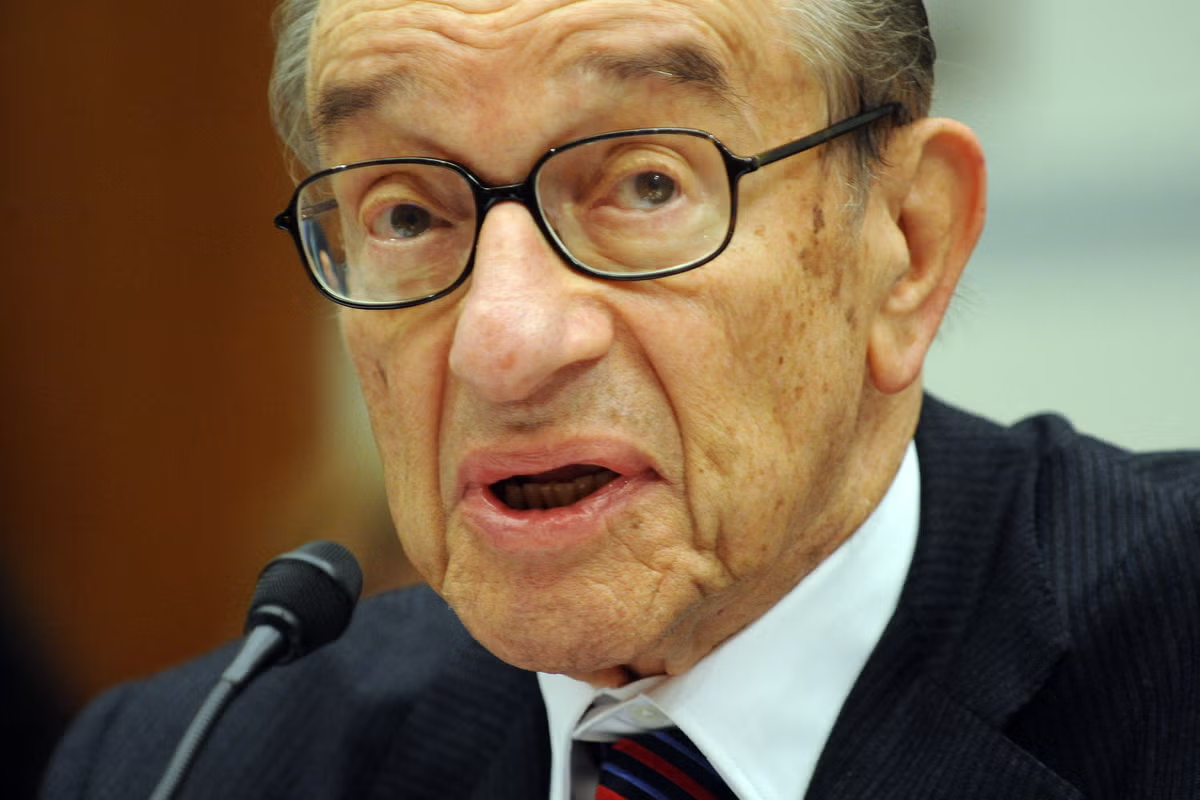
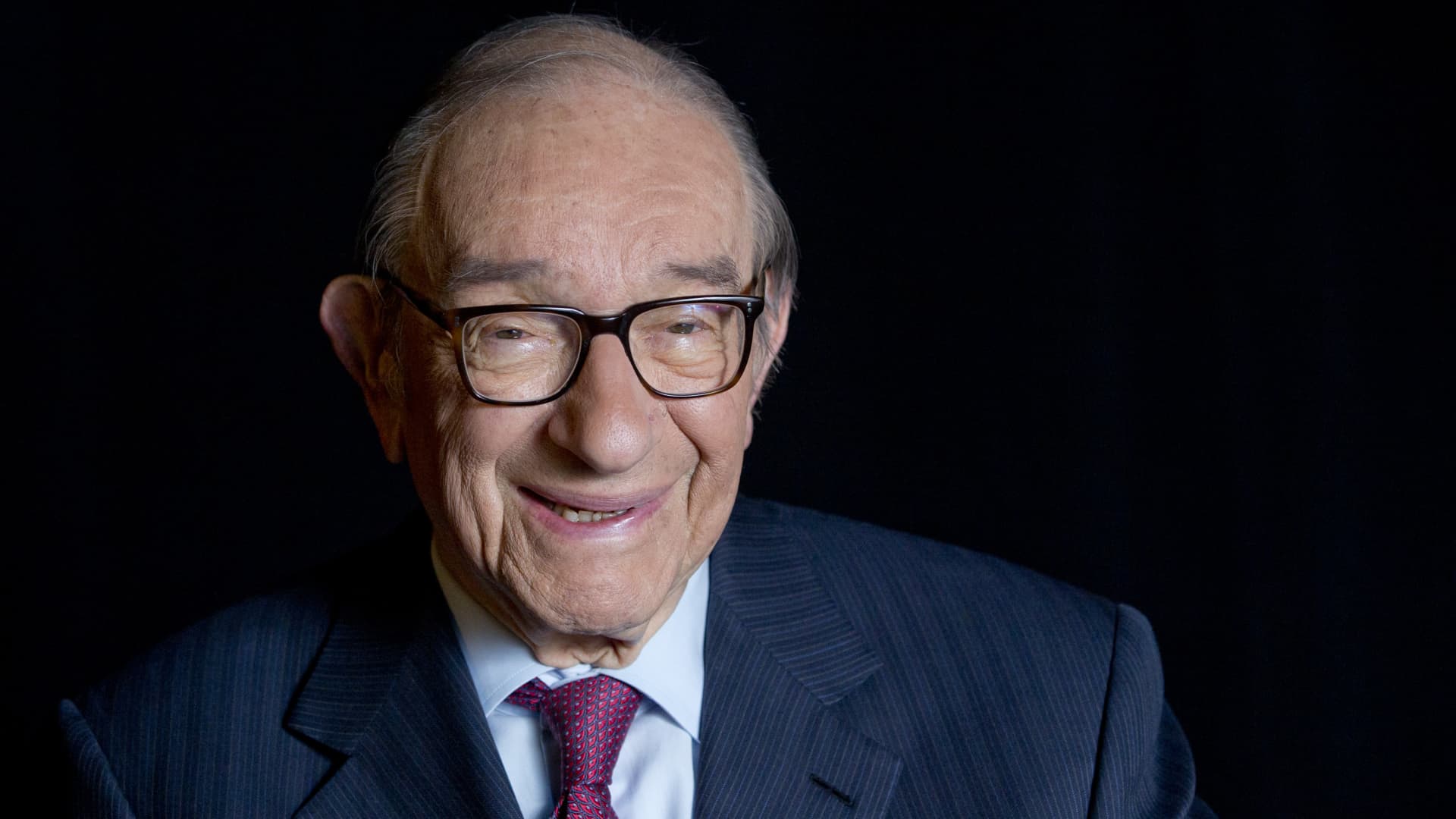
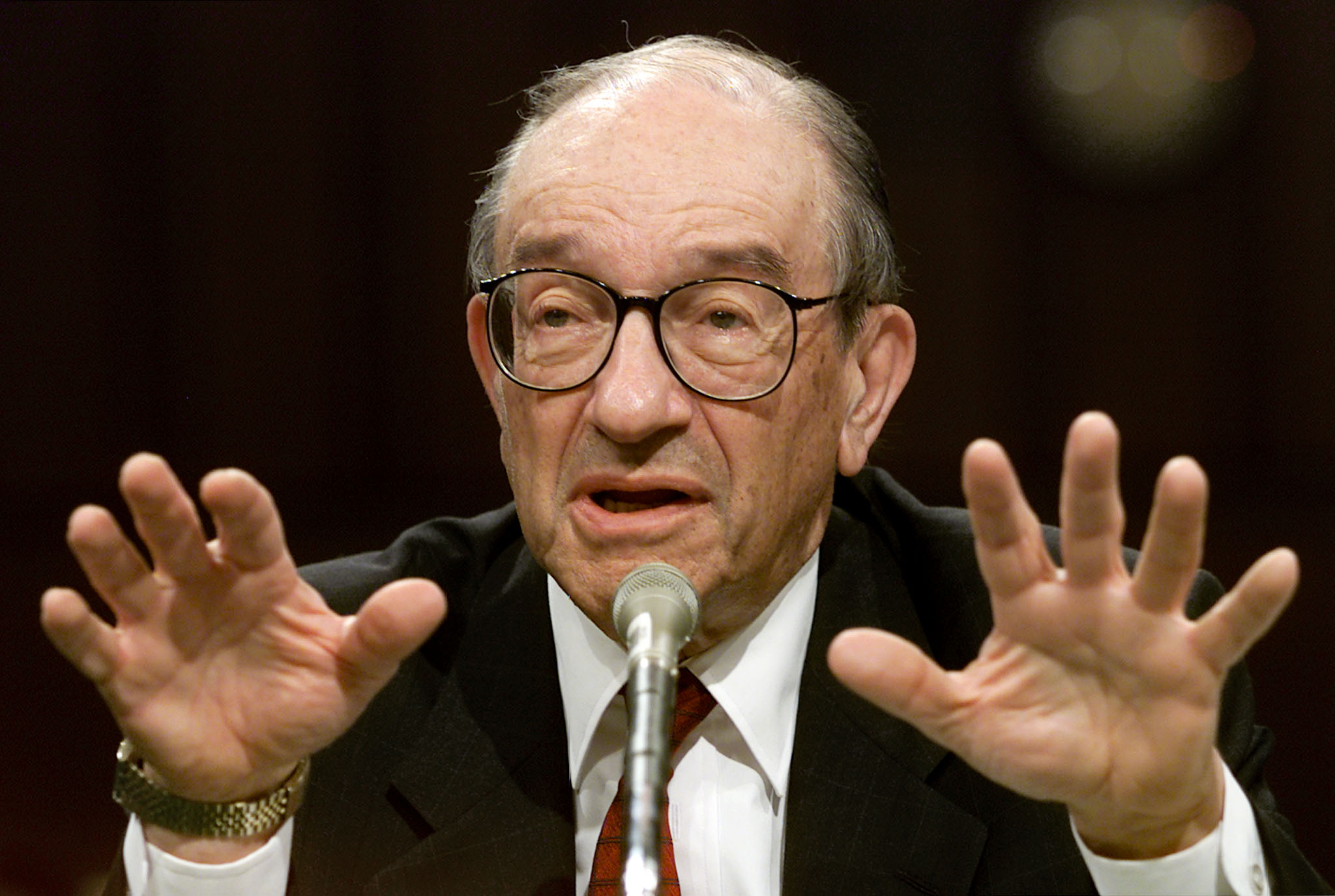
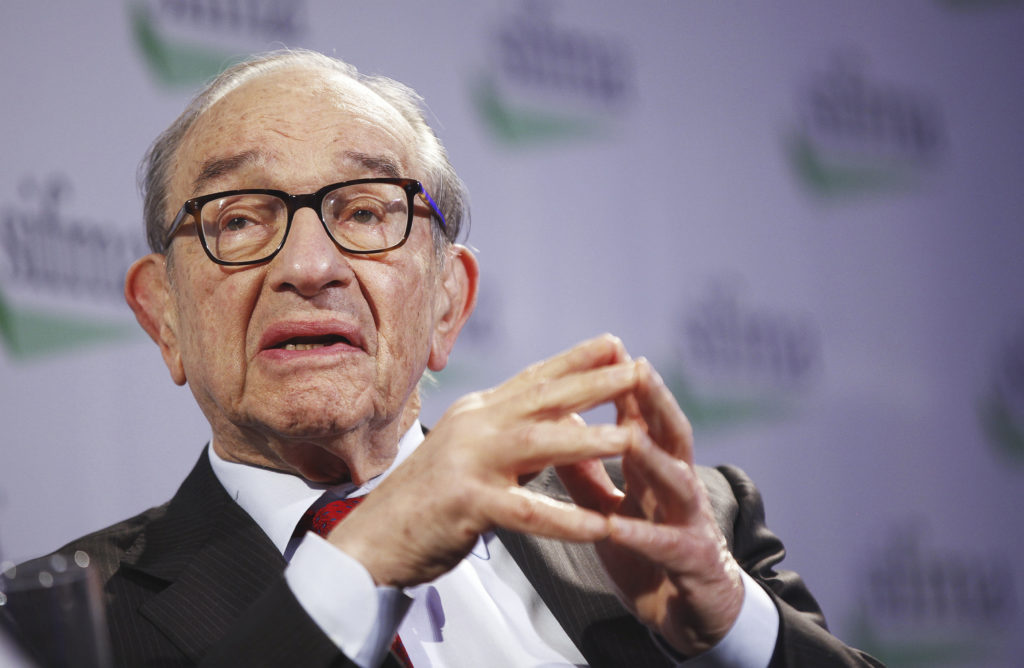
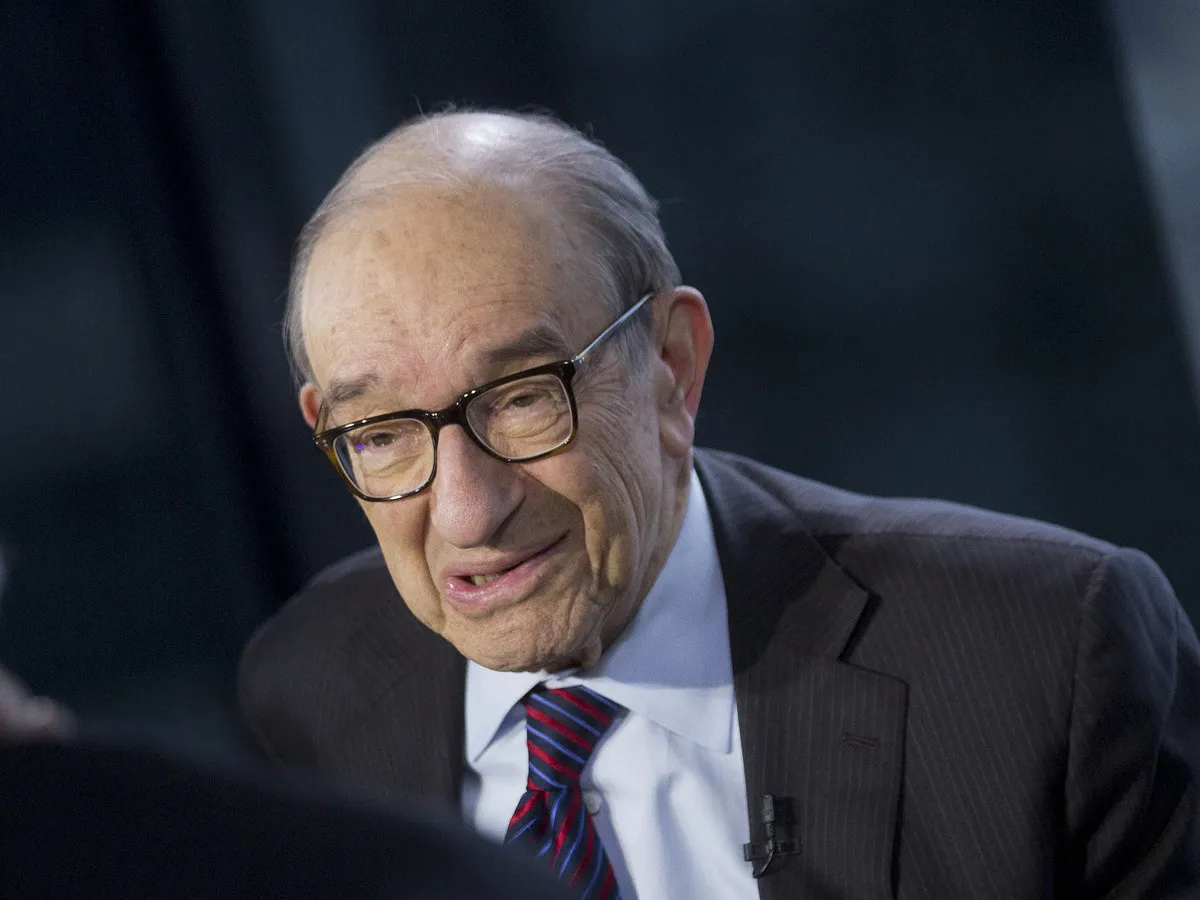
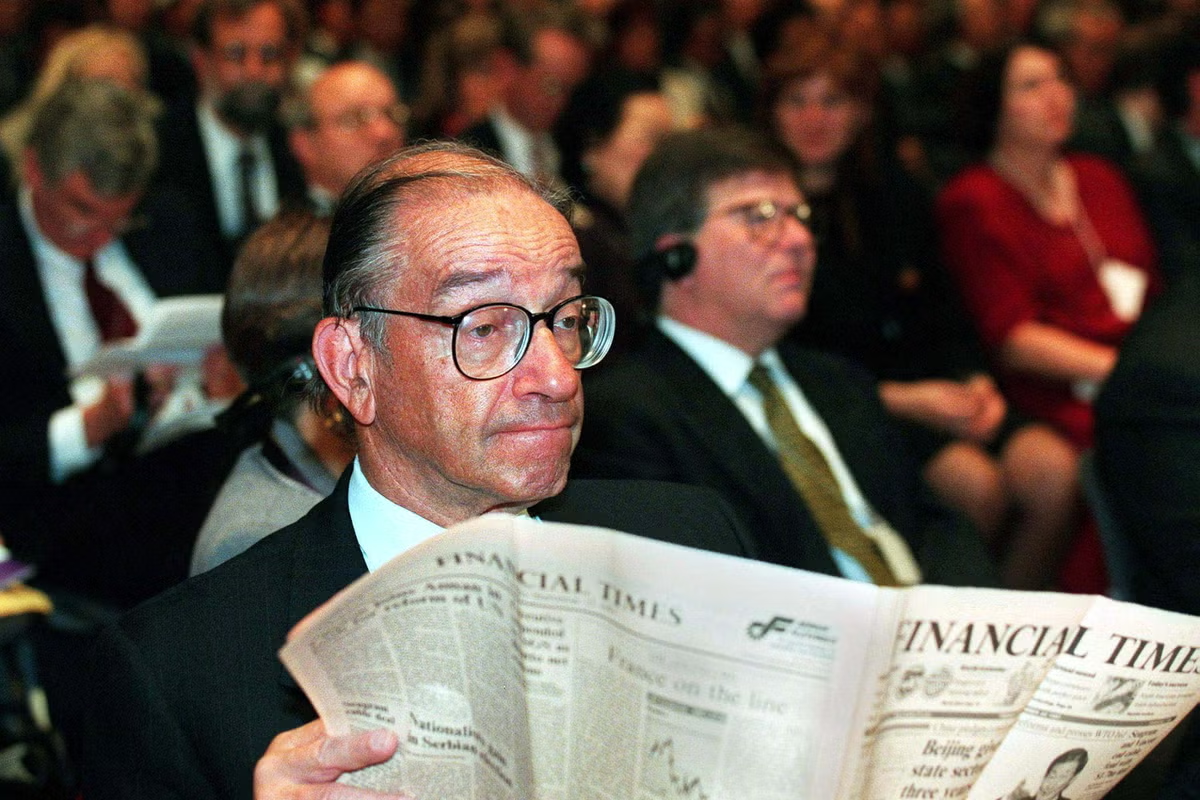
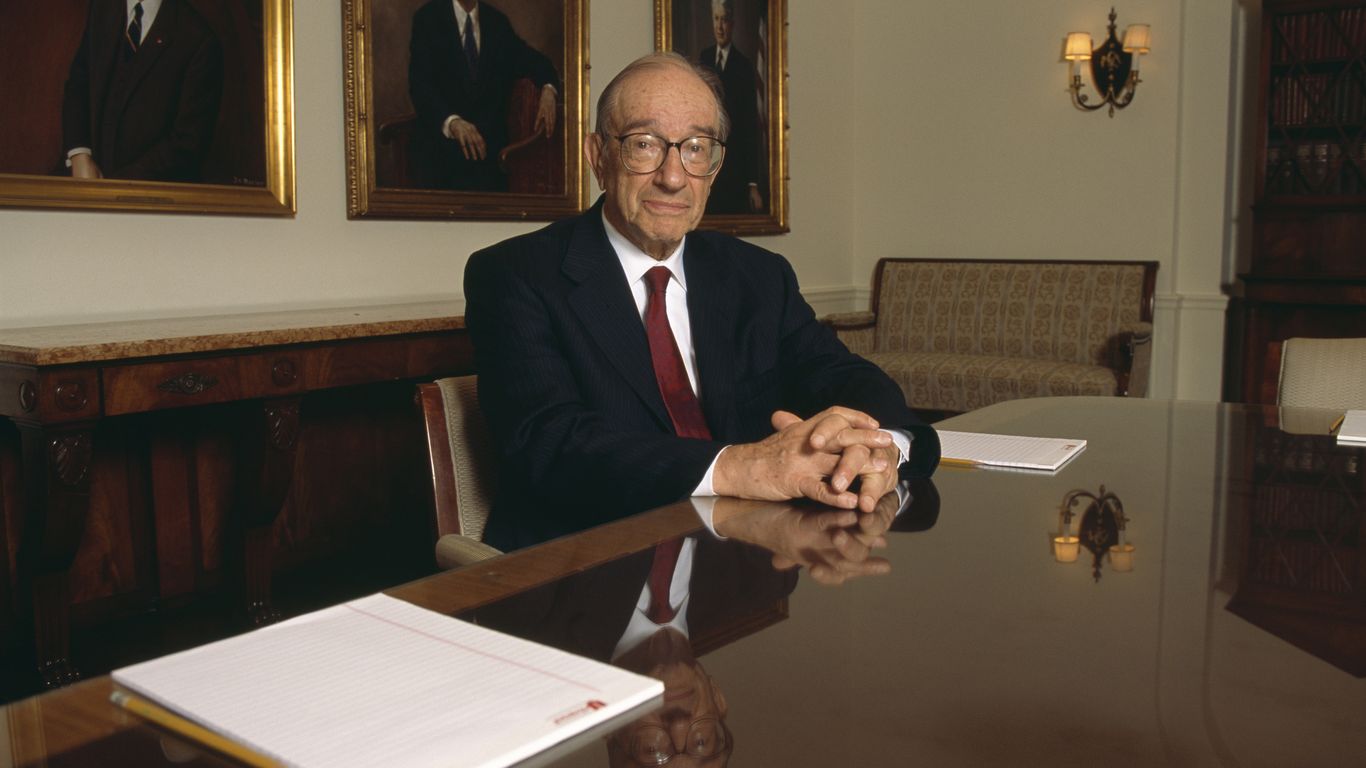
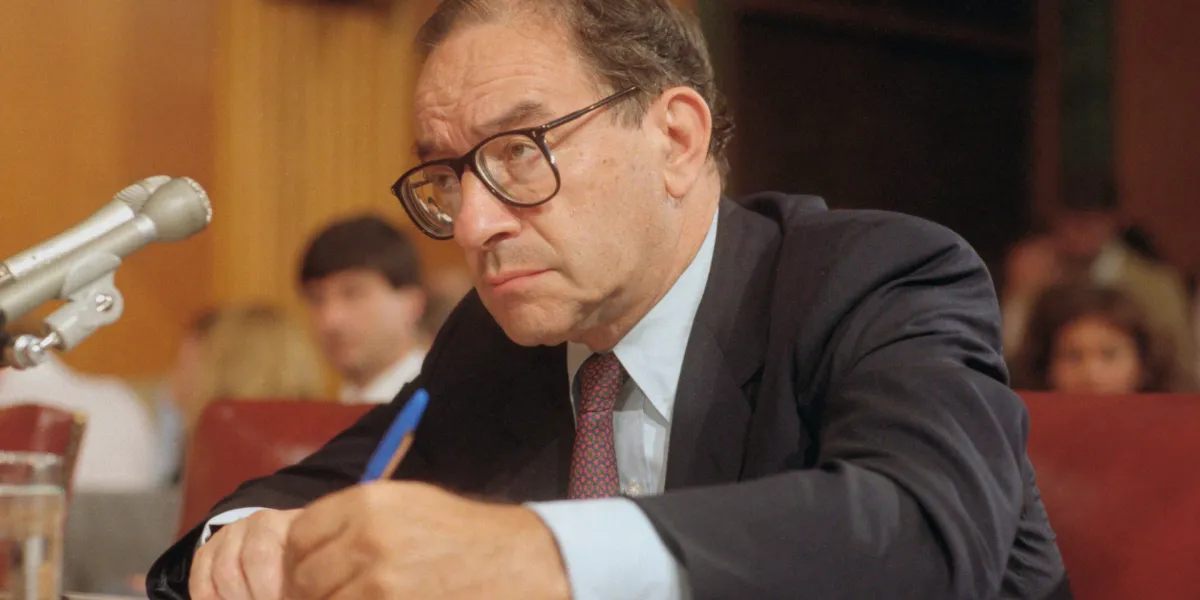
Alan Greenspan, who died Monday at 100 from complications of Parkinson’s, had a bad back. He soaked it at dawn in a deep tub at home, thinking through the economy before the day began, and it was there, said Peter Petre, the former Fortune editor who co-wrote his memoir, where his best ideas were formed, including the famous phrase “irrational exuberance.”
Greenspan died just as the U.S. stock market began another rout over “irrational exuberance,” but this time with a new target. The AI trade has left some AI-adjacent companies trading at valuations that Greenspan’s longtime vice chair at the Fed (and once considered heir apparent), Alan Blinder, described as “wild” to Fortune.“The question is, are they crazy?” Blinder said. “This is very much analogous to the questions that Greenspan faced in the late ‘90s.”When Greenspan presided over the bubbling internet age, he made an early bet that most economists, including Blinder, rejected: that the internet boom was allowing the economy to grow faster than official projections estimated. So, he kept interest rates low, even as inflation started heating up, to allow the boom to run.