The artificial intelligence gold rush has a resource problem. A new report from the United Nations projects that by 2030, AI data centers will guzzle 9.3 trillion liters of water per year, enough to meet the basic domestic water needs of 1.3 billion people in Sub-Saharan Africa.
The study, published by the UN University Institute for Water, Environment and Health (UNU-INWEH), titled “Environmental Cost of AI’s Energy Use: Carbon, Water and Land Footprints,” lays out a comprehensive accounting of what the AI explosion is actually costing the planet.
The full tab
The UNU-INWEH report projects that AI data centers will consume 945 terawatt-hours (TWh) of electricity annually by 2030. For context, that is nearly three times the combined total electricity usage of Pakistan, Bangladesh, and Nigeria. Three countries with a collective population north of 600 million people.
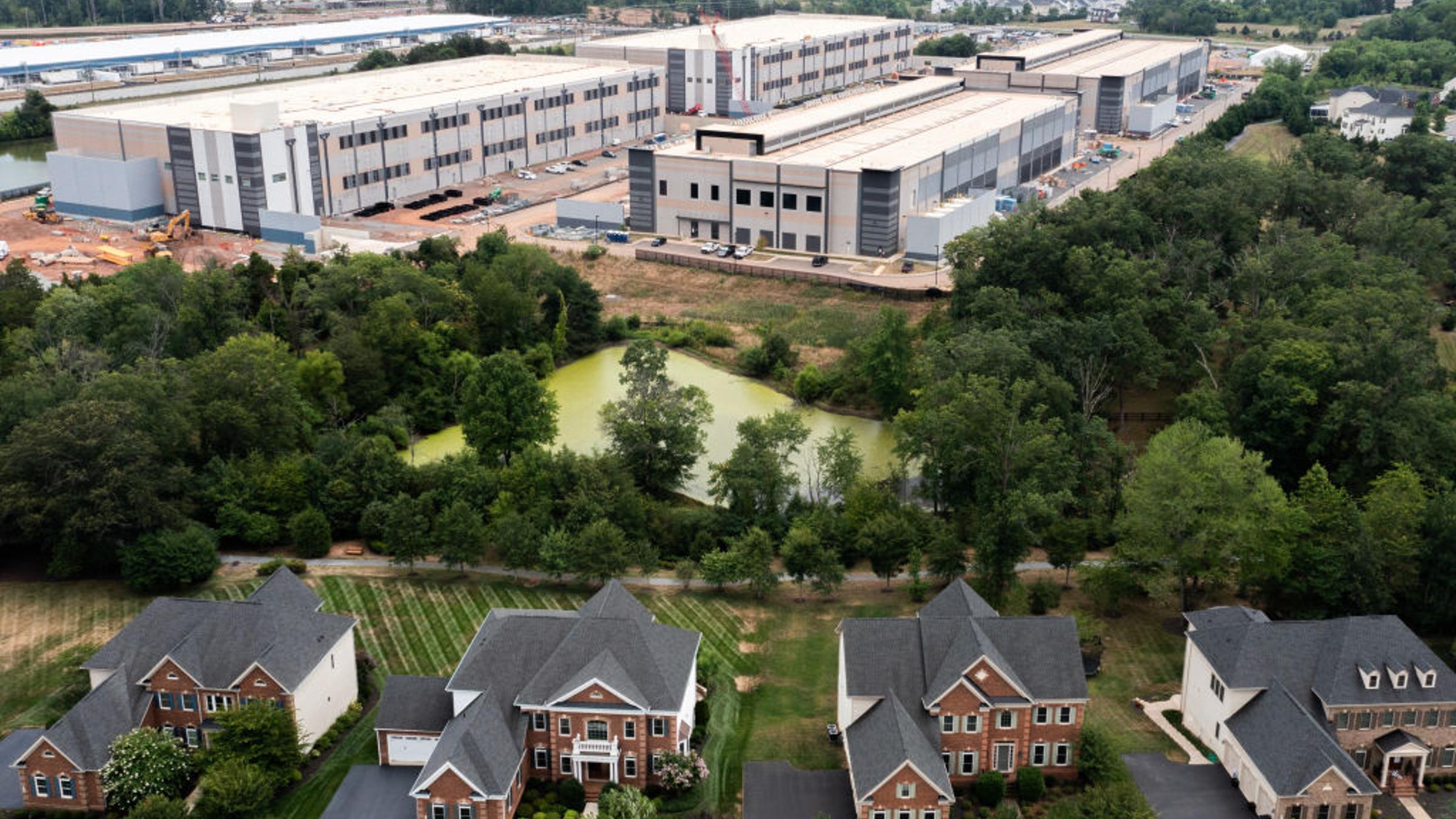
The water footprint clocks in at 9.3 trillion liters per year. The e-waste projection sits at roughly 2.5 million metric tons annually, which the report helpfully translates to the equivalent of discarding about 250 Eiffel Towers each year. And the land footprint of AI data centers could exceed 14,500 square kilometers, approximately twice the size of the Jakarta metropolitan area.