The artificial intelligence industry has a resource problem, and the United Nations wants receipts.
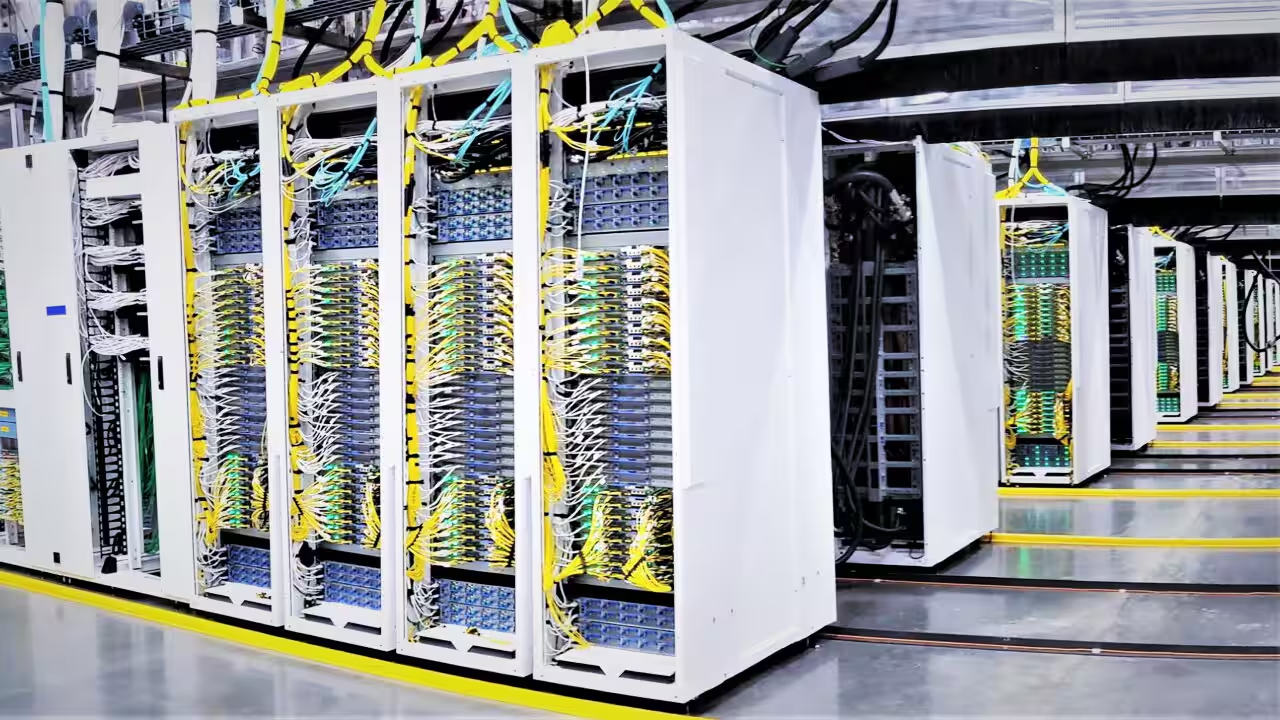
A report published on June 3 by the United Nations University Institute for Water, Environment and Health (UNU-INWEH) lays out the staggering environmental toll of AI infrastructure. The headline number: by 2030, global data centers dedicated to AI could consume approximately 945 terawatt-hours of electricity annually. That’s nearly triple the combined total electricity usage of Pakistan, Bangladesh, and Nigeria. Put differently, the machines learning to write your emails could soon account for almost 3% of the world’s anticipated electricity consumption.
The numbers behind the ask
Electricity is just the opening act. The report projects that water consumption tied to AI could reach 9.3 trillion liters per year by 2030. To make that number feel real: that’s equivalent to the basic annual domestic water needs of about 1.3 billion people.
Then there’s the physical footprint. The land required to support AI infrastructure could exceed 14,500 square kilometers.