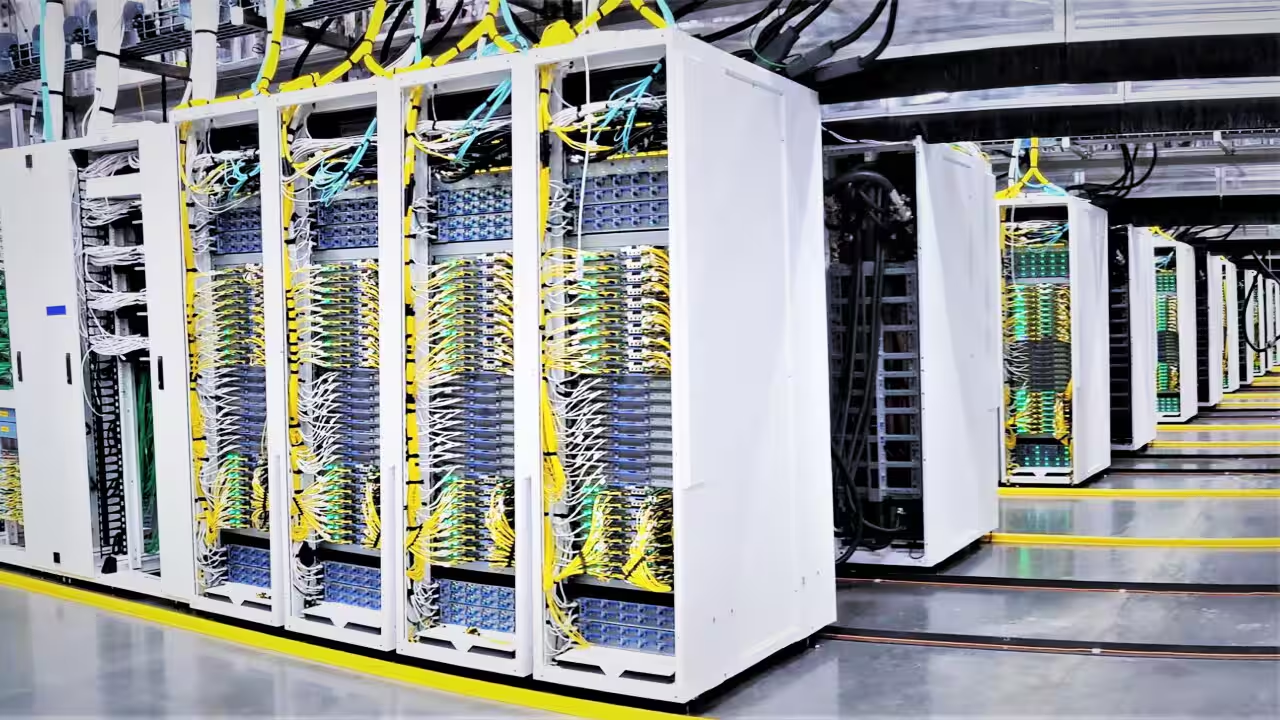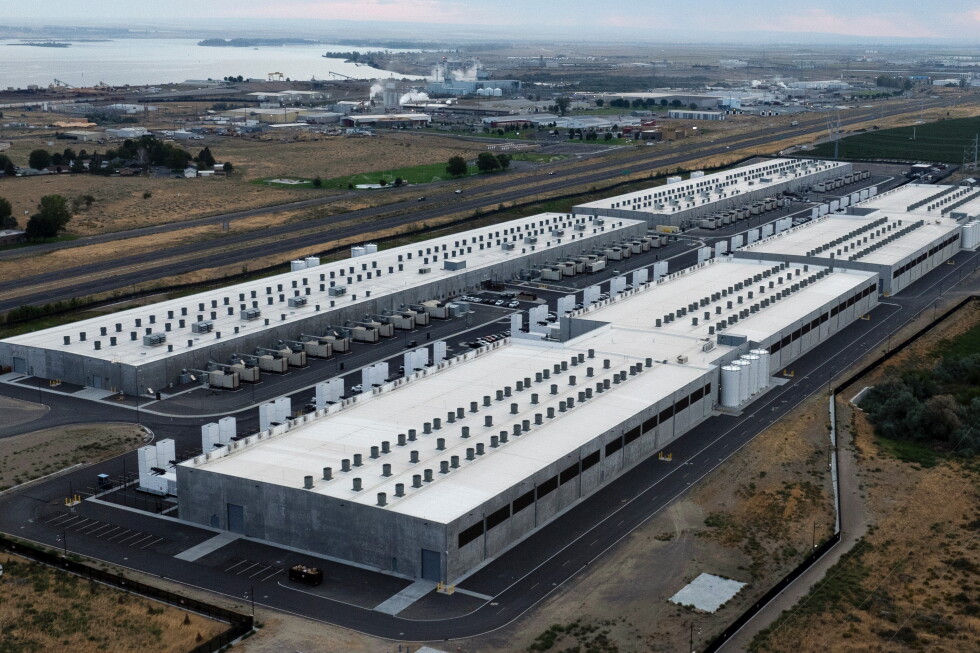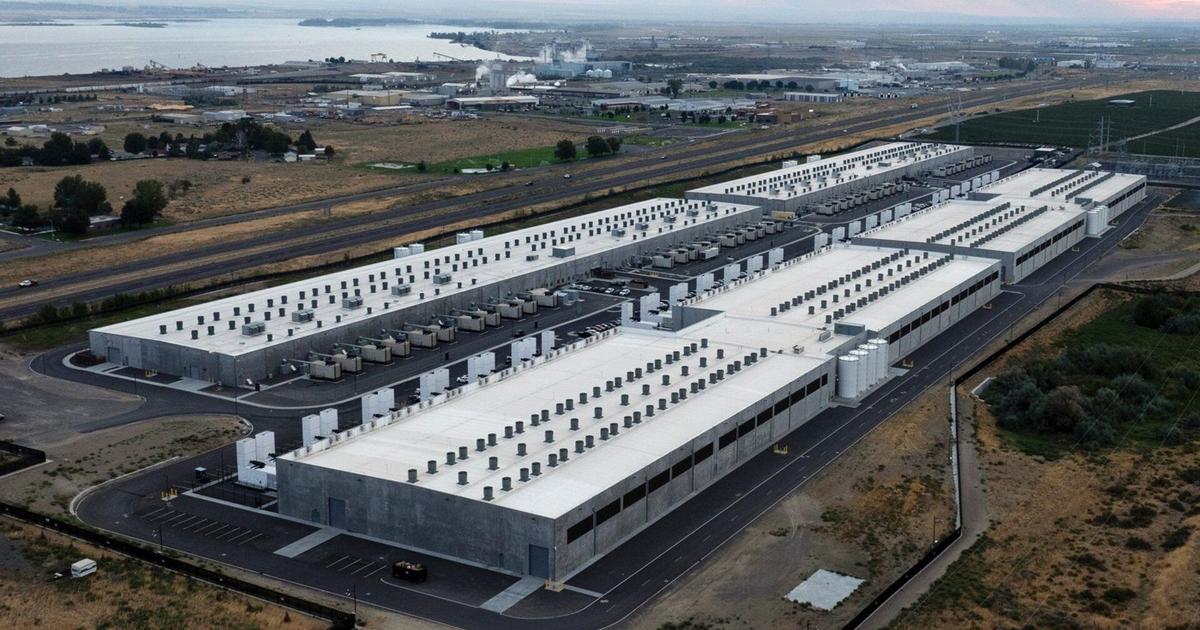
Nearly four years after ChatGPT’s launch, a new UN study warns the AI boom could consume water equal to the basic needs of 1.5 billion people, generate millions of tons of e-waste and widen the gap between rich and poor nationsNearly four years after the launch of ChatGPT, which marked the opening shot of the artificial intelligence revolution, a new UN study warns that the technology — or more precisely, its staggering expansion — could exact a heavy environmental price from the planet and billions of people.According to the researchers, by the end of the decade, the AI industry could consume an amount of water equal to the basic household needs of nearly 1.5 billion people, generate millions of tons of electronic waste and further deepen the gap between countries that control computing power and those left behind.GalleryData center in Ashburn, Virginia (Photo: Theodore Christ)Surprisingly, the study found that most of AI’s energy consumption does not come from training models, but rather from the billions of people who use the technology daily.According to the report, the data centers that power various AI services could consume about 945 terawatt-hours of electricity annually by 2030 — nearly three times the combined annual electricity consumption of Pakistan, Bangladesh and Nigeria, countries with a total population of more than 650 million.And this astronomical electricity consumption carries an additional cost. Data centers also require vast amounts of water for cooling and power generation, as well as land for power stations, infrastructure and supply chains.According to the study, the AI industry’s land use could exceed 14,500 square kilometers by the end of the decade — an area nearly 12 times the size of New York City, about nine times the size of London, six and a half times the size of the Tokyo metropolitan area and roughly two-thirds the size of Israel.A data center consumes vast quantities of chips, electricity and water The researchers further argued that while most of today’s discussion about AI’s environmental impact focuses on the cost of training large models such as Gemini, ChatGPT and Claude, the real problem lies elsewhere: the users themselves.According to the report, 80% to 90% of the total energy consumption of AI systems comes from everyday user activity. The researchers cited one of the world’s most popular AI services, which was not named, that is estimated to process about 2.5 billion requests a day and consume hundreds of gigawatt-hours of electricity annually.More efficient chips are unlikely to solve the problem. The researchers point to the “rebound effect”: As systems improve and become cheaper and more accessible, more people use them, ultimately driving resource consumption even higher.The report’s authors argue that the conversation about AI’s environmental impact focuses too heavily on greenhouse gas emissions, when those are only part of the broader picture. A shift to renewable energy sources may reduce carbon emissions, for example, but could also increase water consumption and land use, especially in areas already facing resource shortages.In some countries, data centers already account for a significant share of national electricity consumption. In others, new facilities are consuming large quantities of water, sometimes even during droughts.Even during droughts, data centers consume enormous amounts of water (Photo: Piyaset/Shutterstock)At the same time, the researchers warn of another problem that is beginning to gain momentum: electronic waste. According to projections, AI infrastructure could generate up to 2.5 million tons of e-waste annually by 2030.Much of that waste is expected to reach poorer countries that lack sufficient capacity to handle it safely. In addition, the increase in mining for minerals needed to manufacture chips and AI accelerators is raising concerns about significant environmental damage and human rights violations in mining regions.According to the report, more than 90% of dedicated AI computing power is currently concentrated in the United States and China. At the same time, more than 150 countries still lack significant AI infrastructure.The researchers said this gap is not merely economic. While some countries enjoy the benefits of the AI revolution, others bear the environmental burden of raw material mining, electricity production and waste treatment without enjoying the same advantages.Despite the alarming forecasts, the study’s authors stress that they are not calling for AI development to be halted. On the contrary, they say the goal is to ensure the technology develops more responsibly.To that end, they propose a model based on transparency, more efficient system design, international cooperation and responsibility throughout the full life cycle of products. They call on governments to take into account the electricity, water and land needs of data centers already at the planning stage, and on technology companies to develop systems that use fewer resources.The researchers noted that users themselves also have a role in the equation. Choosing less resource-intensive applications when possible could help reduce AI’s environmental impact.
The dark side of AI revolution: water, power and waste on an unprecedented scale
Nearly four years after ChatGPT’s launch, a new UN study warns the AI boom could consume water equal to the basic needs of 1.5 billion people, generate millions of tons of e-waste and widen the gap between rich and poor nations
796 words~4 min read