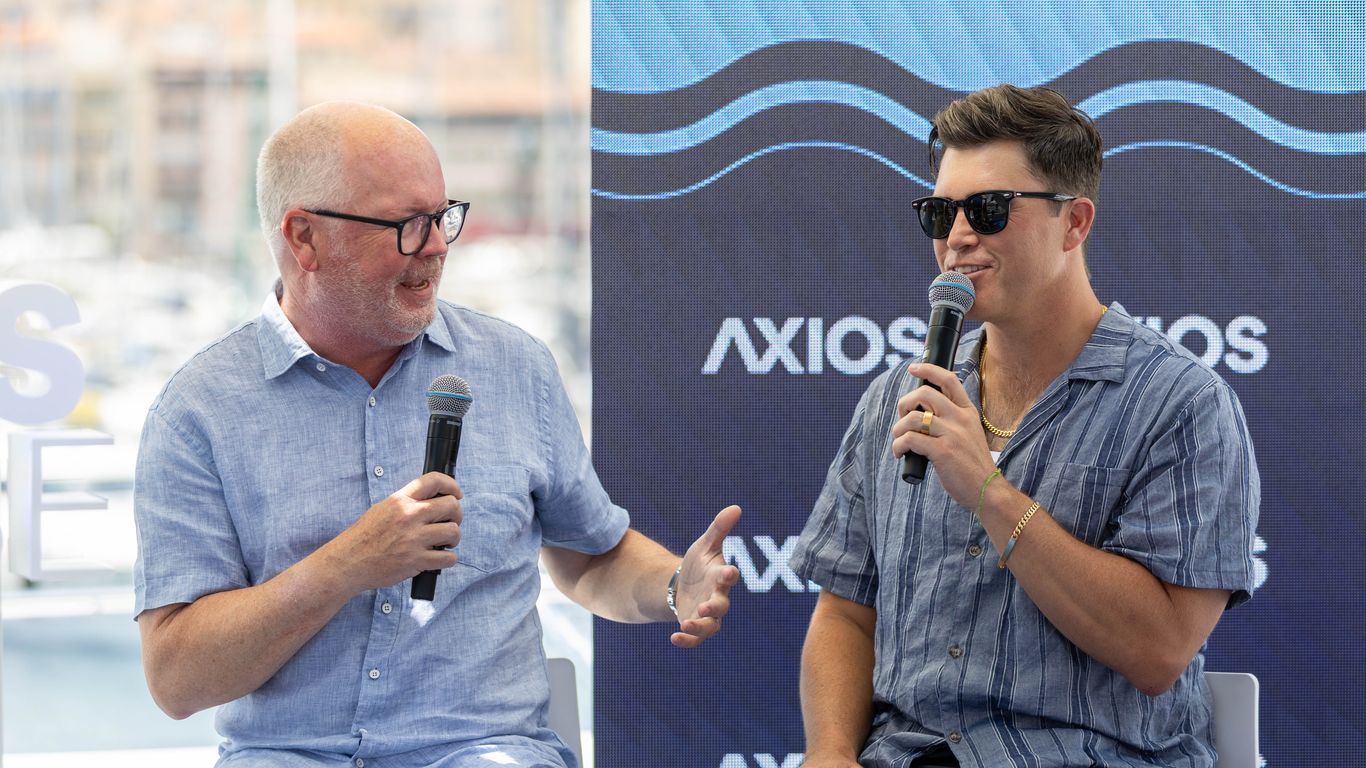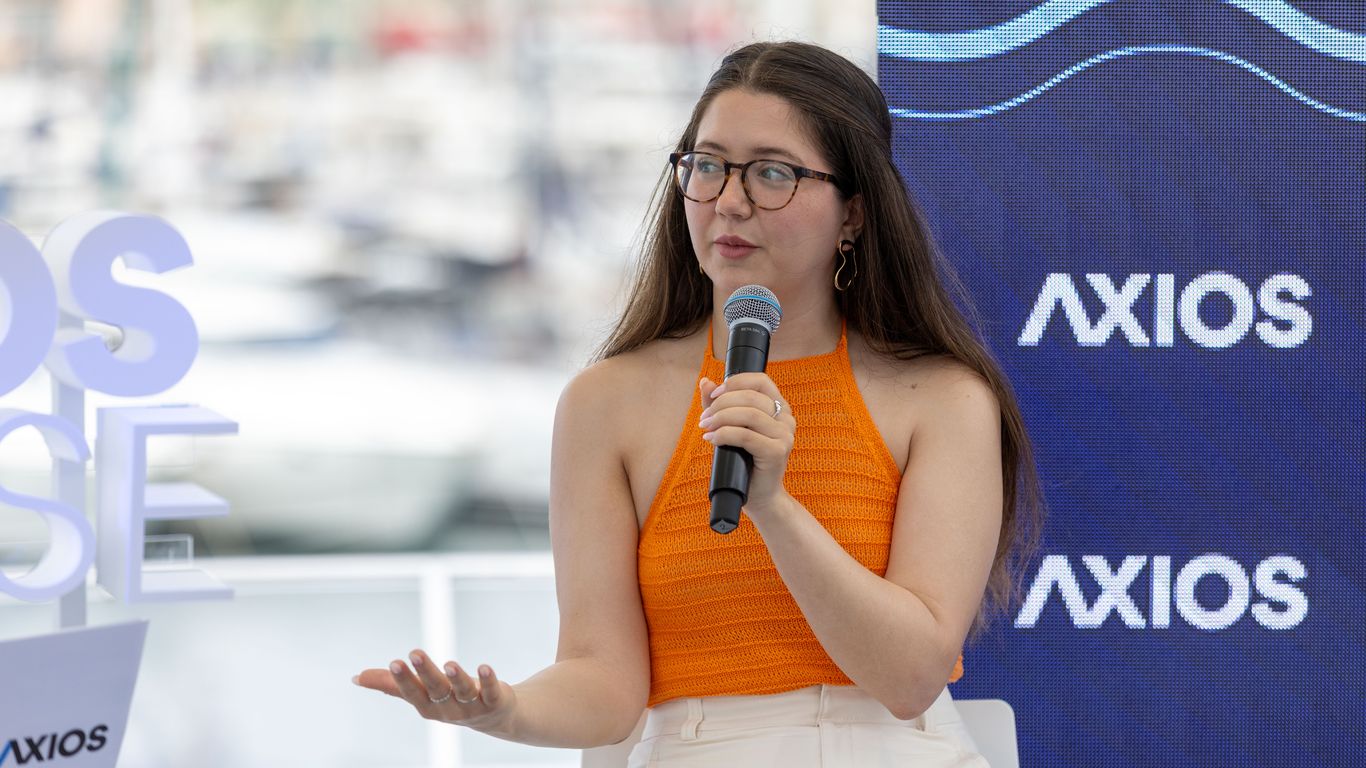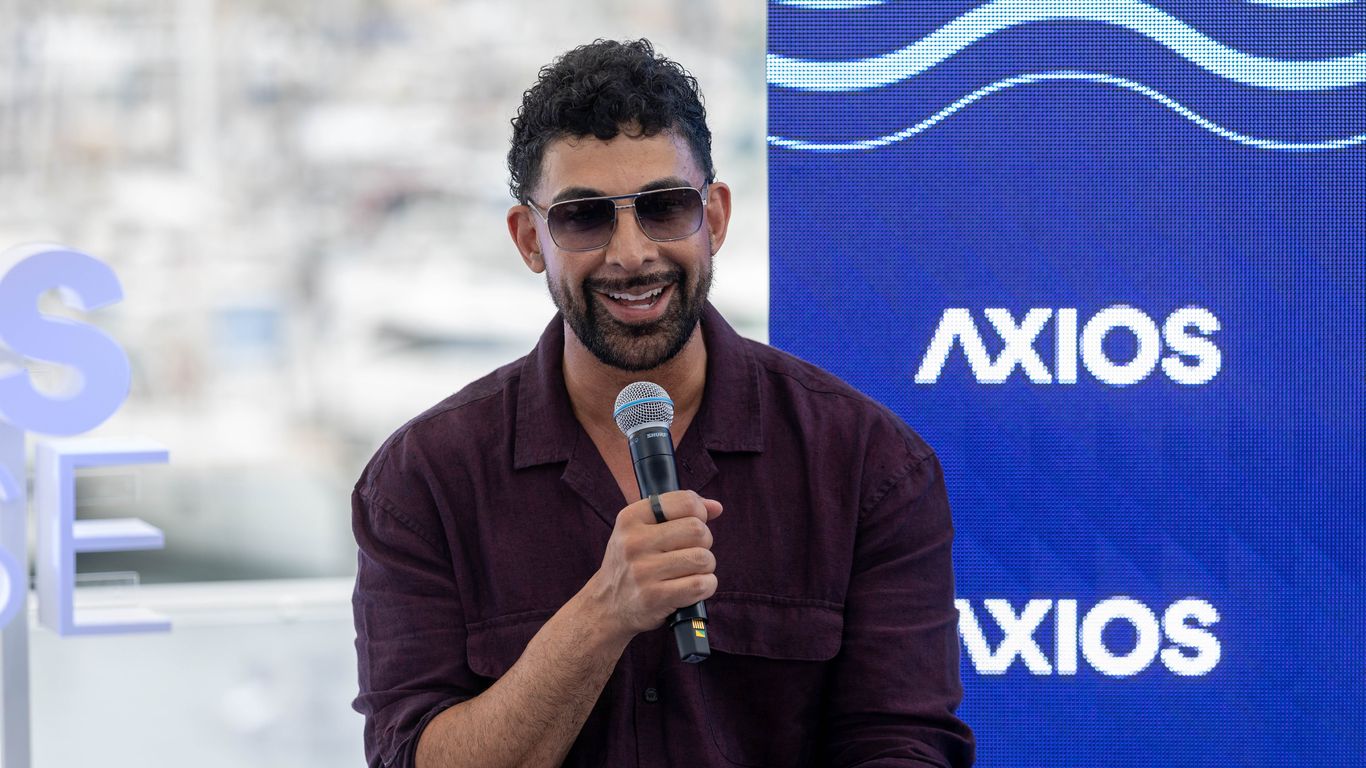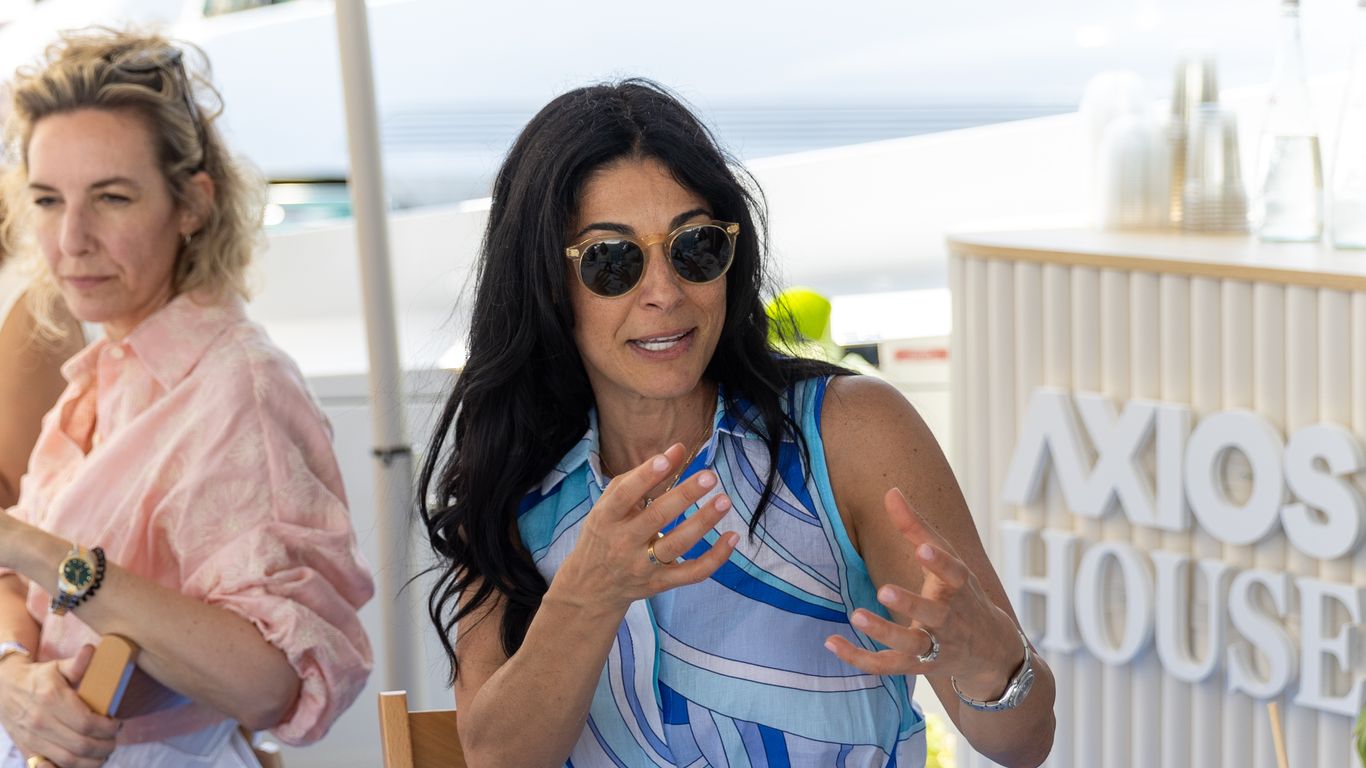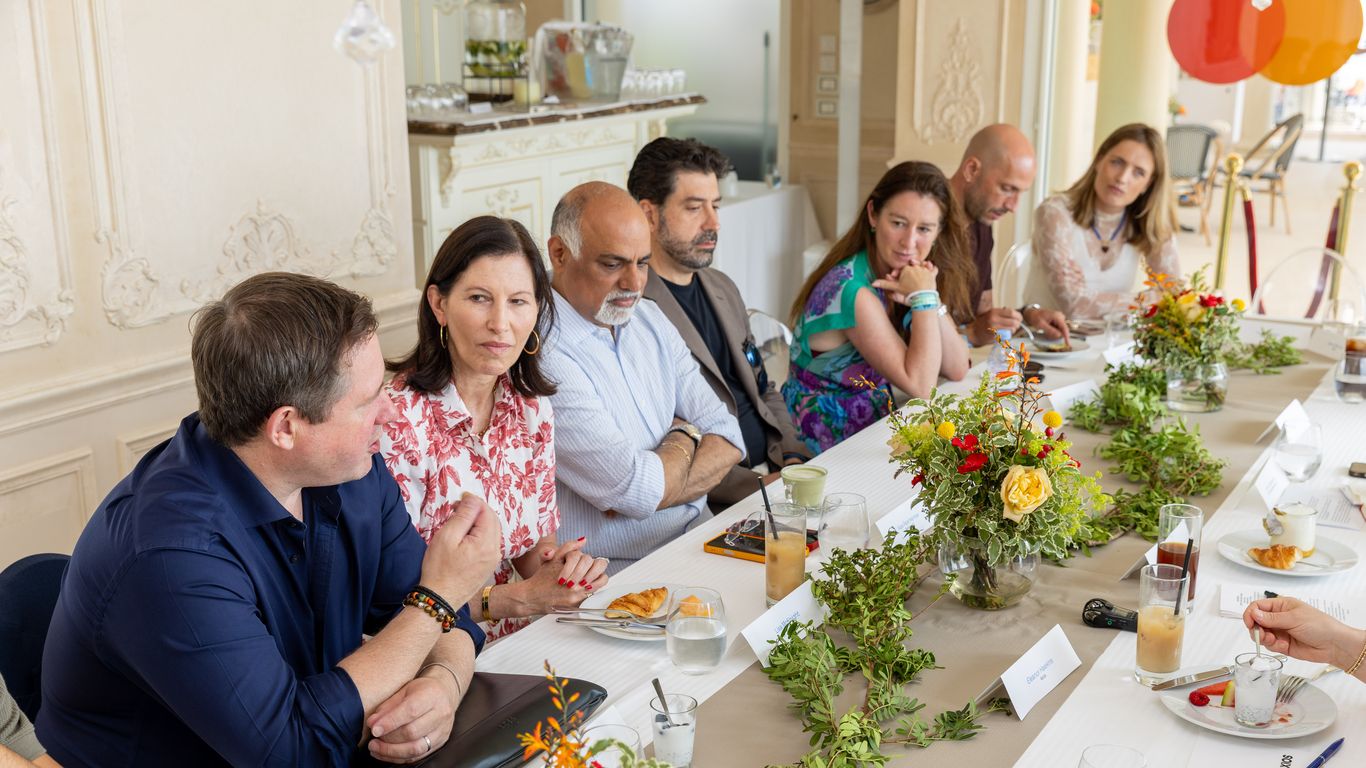
Photographer: Nicolas Gavet for AxiosCANNES, France — Brands are looking beyond content creators to deepen audience trust, according to communications leaders at an Axios House event on June 22.Why it matters: Brands with a diversified portfolio of voices can avoid losing clout or reputational damage if a key influencer, executive or public figure departs.Axios' Eleanor Hawkins and Christine Wang moderated the Expert Voices roundtable, which was sponsored by Burson.5 takeaways from the conversation:Working with creators is part of the strategy for companies like GM, said vice president Brandee Barker. However, comms leaders also ask themselves when identifying talent, "Are they relevant? What's the risk management around it?"Influence isn't an easily quantifiable metric, and "it's hard to have a strategy if you can't measure the damn thing," said Russell Dubner, Boston Consulting Group's global chief communications officer."Fans can smell the lack of authenticity a mile away," said Roberto Stanichi, Mattel Inc.'s executive vice president and chief global brand officer. "What's authentic to that fandom and to that audience is what's really going to matter the most to them."Beehiiv co-founder and CEO Tyler Denk is a creator in his own right, said the company's vice president and head of communications, Lance Frank. "He has a newsletter, he understands the products, he can speak to them from experience," Frank said. It's "super helpful because it goes back to authenticity."Developing a "full bench" of influence and reputation creators protects brands from losing clout if a major player walks away, said Yasmin Hosseinzadeh, PayPal's head of corporate affairs strategy. "It cannot be anchored to a single individual."Content from the sponsor's remarks:Reputation isn't "just about showing up in culture," said Michelle Hutton, Burson's global chief client and growth officer. "It's about knowing where culture sits for your brand at the right time … and how to do that in a way that you can drive effectiveness and impact."
Axios House: The future of influence is more than just influencers, brand leaders say
Brands are looking beyond content creators to deepen audience trust
312 words~1 min read