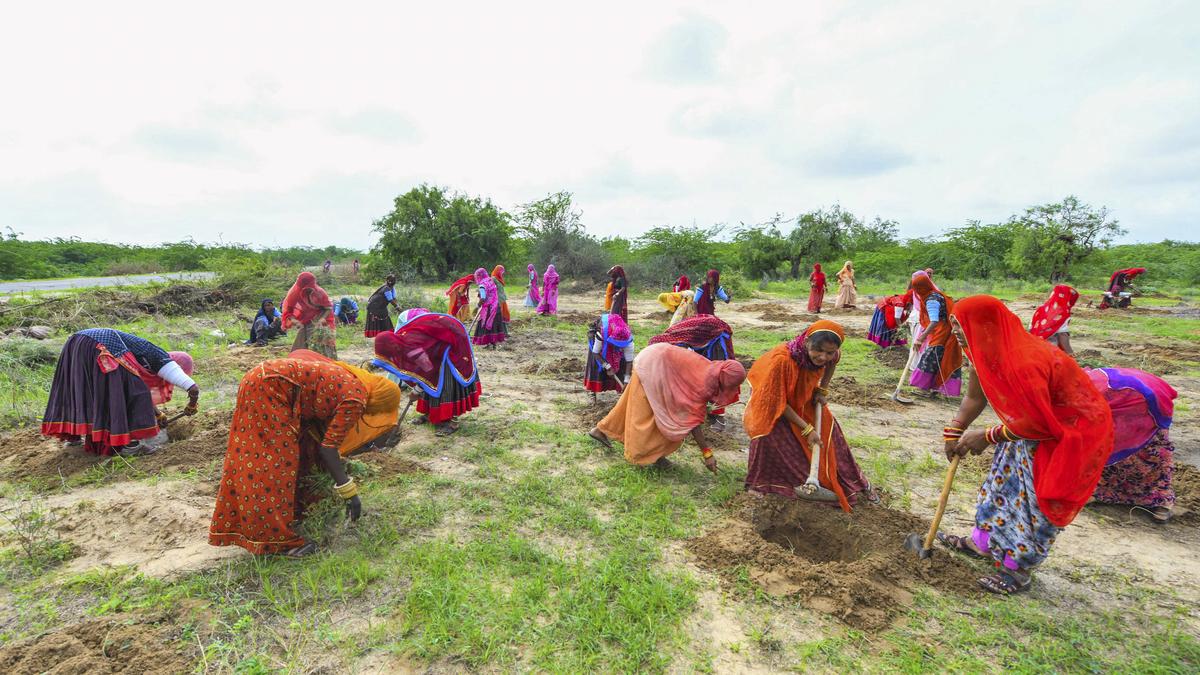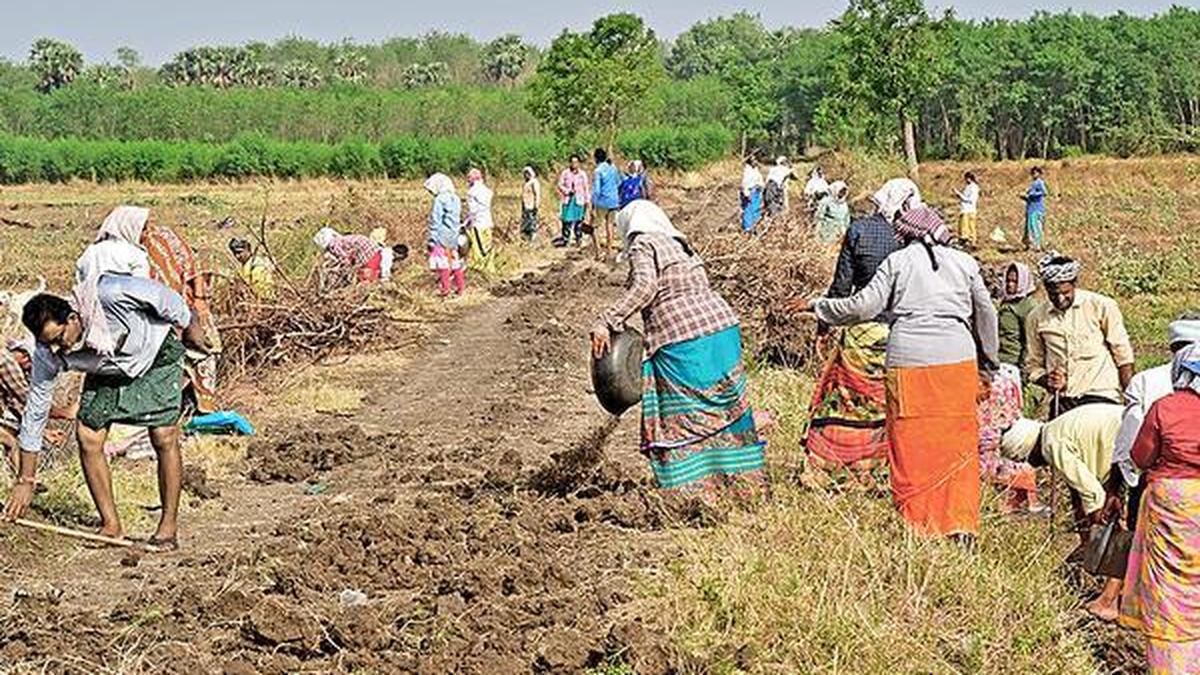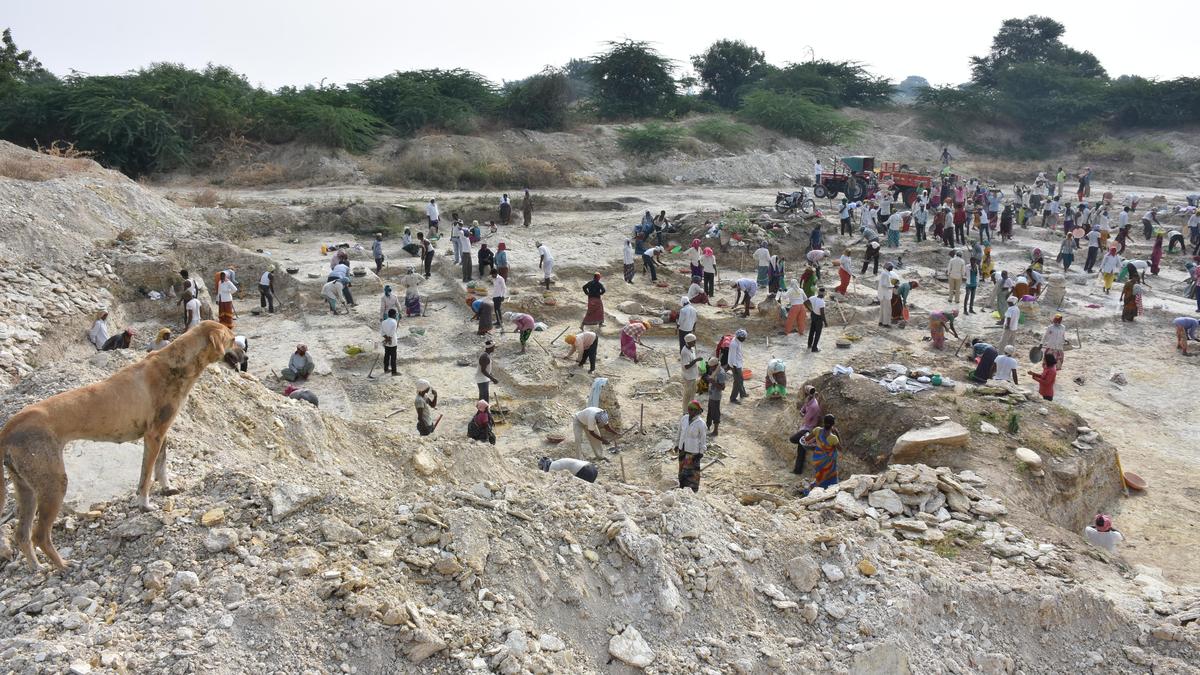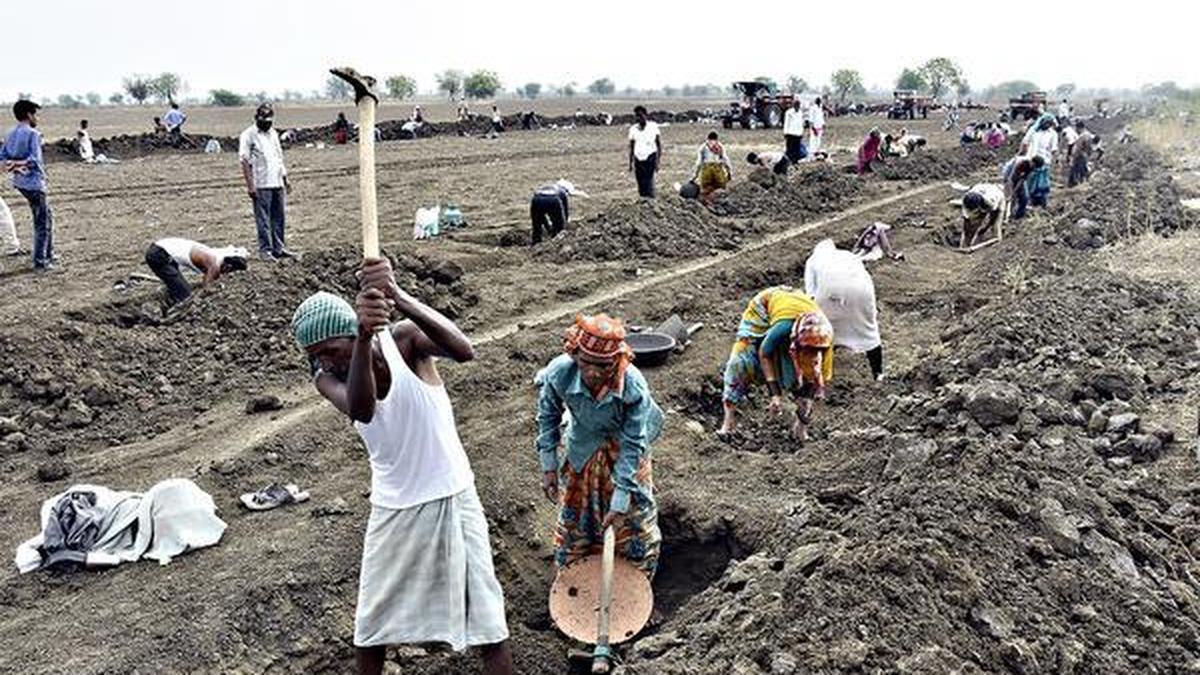
Farmers across the State frequently complain of acute shortage of labour for agricultural operations. It may be worthwhile to examine whether a suitable framework could be devised for productive engagement of the MGNREGA scheme workers in the agricultural sector, the Madurai Bench of the Madras High Court has said.Justice B. Pugalendhi said such a model could also involve sharing wage burden between the government and the farmer, thereby ensuring employment for workers, addressing the labour shortages faced by farmers and reducing the overall burden on the public exchequer.The court said the purpose of such an arrangement need not be to confer any right to permanent employment. The distinction between engagement under a welfare scheme and appointment to public services would continue to remain. At the same time, the availability of labour under the MGNREGA scheme may be channelled towards activities that directly contribute to agricultural production and rural economic growth.It is relevant to note that the government intends to replace the MGNREGA Scheme with the Viksit Bharat-Guarantee for Rozgar and Ajeevika Mission (Gramin) Scheme. The new scheme has been introduced with the objective of expanding livelihood security and establishing a rural development framework. Therefore, such a framework for engagement of workers in the agricultural sector could be considered when framing rules and guidelines under the scheme, the court said.The practical modalities, eligibility conditions, safeguards against misuse, extent of mechanisation, ensuring protection of workers’ interests and monitoring mechanisms are matters that would fall within the domain of policy makers and experts in the field, the court said.The court said the public welfare programmes must evolve with changing economic conditions, technological advancements and ground realities. If technology can efficiently perform certain categories of work, and if there exists a simultaneous shortage of labour in other productive sectors such as agriculture, it may be worthwhile for the policy makers to explore whether available human resources could be utilised in a manner that better serves the interests of workers, farmers and the rural economy as a whole.The court made the observations while disposing of a petition filed by a worker who sought regularisation of service. The State submitted the worker was engaged only on a temporary basis under the MGNREGA Scheme.The court said mere continuance of engagement, however long, cannot by itself create a right to regularisation where the initial entry was not through such a process. The court said it was not inclined to grant the relief sought by the petitioner. Published - June 23, 2026 10:05 pm IST
Public welfare programmes must evolve with changing economic conditions, technological advancements and ground realities, says HC
Public welfare programmes must evolve with changing economic conditions, technological advancements and ground realities, says HC
416 words~2 min read