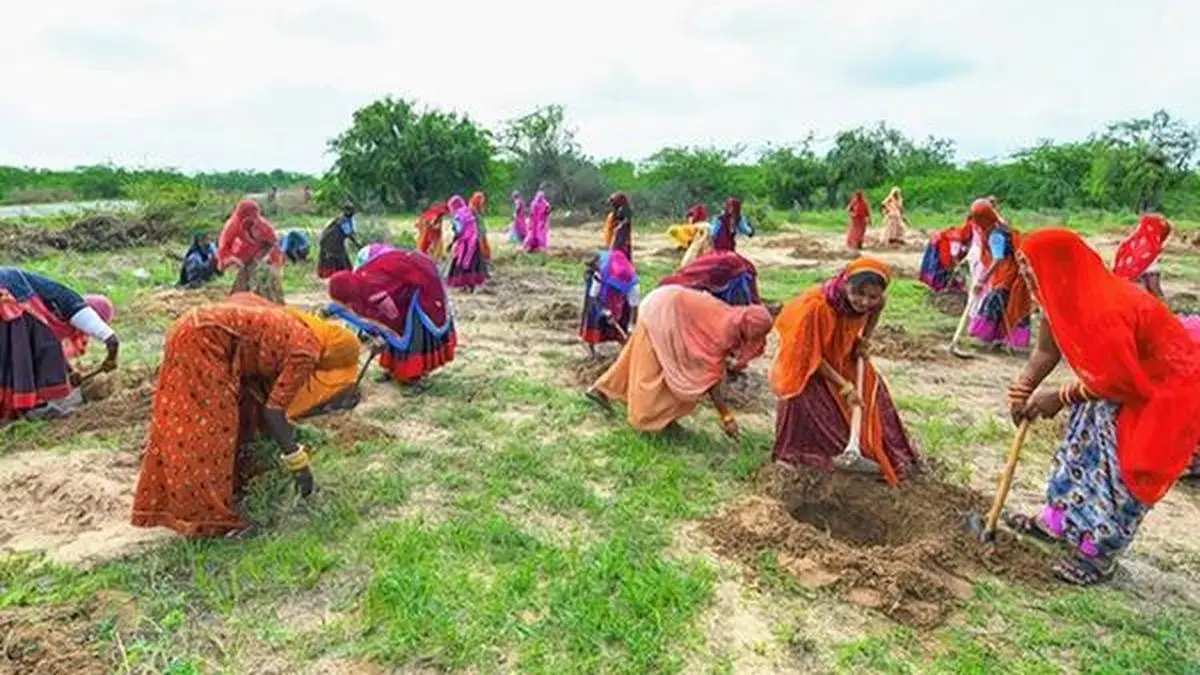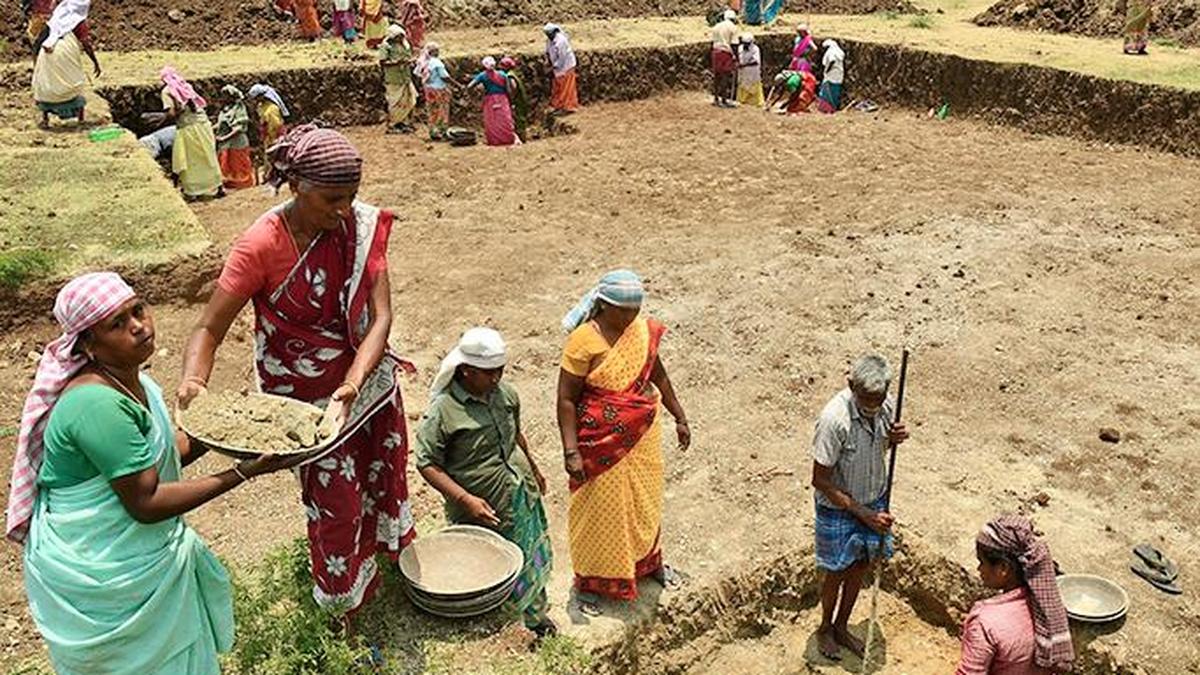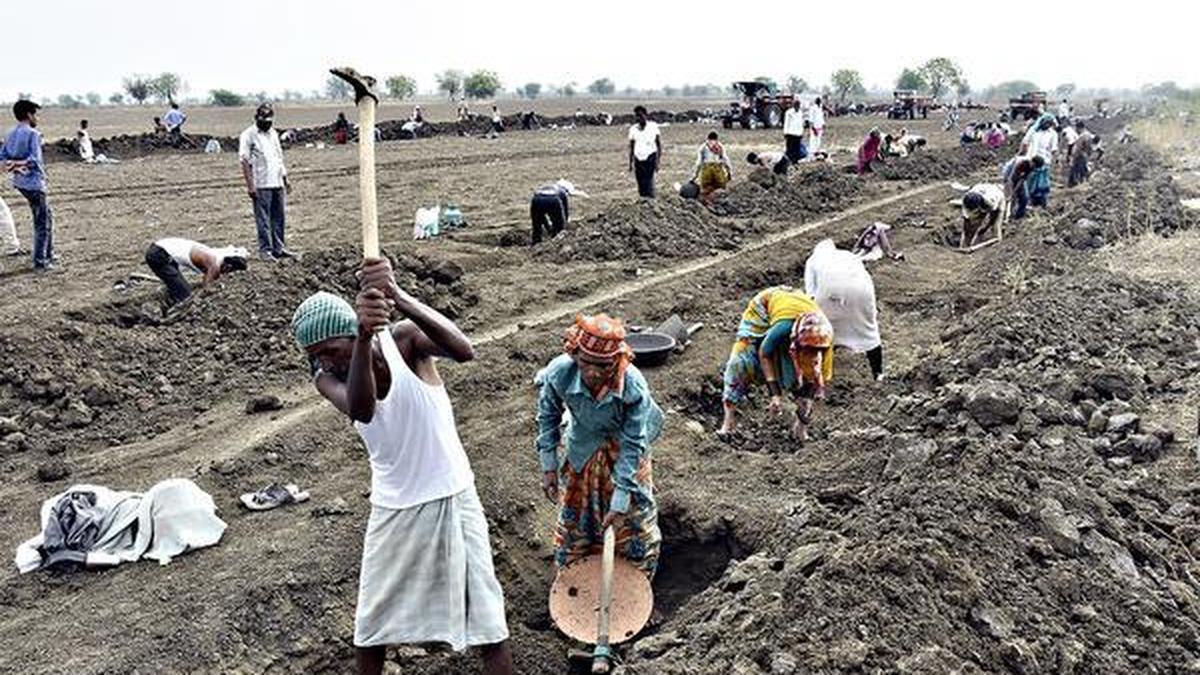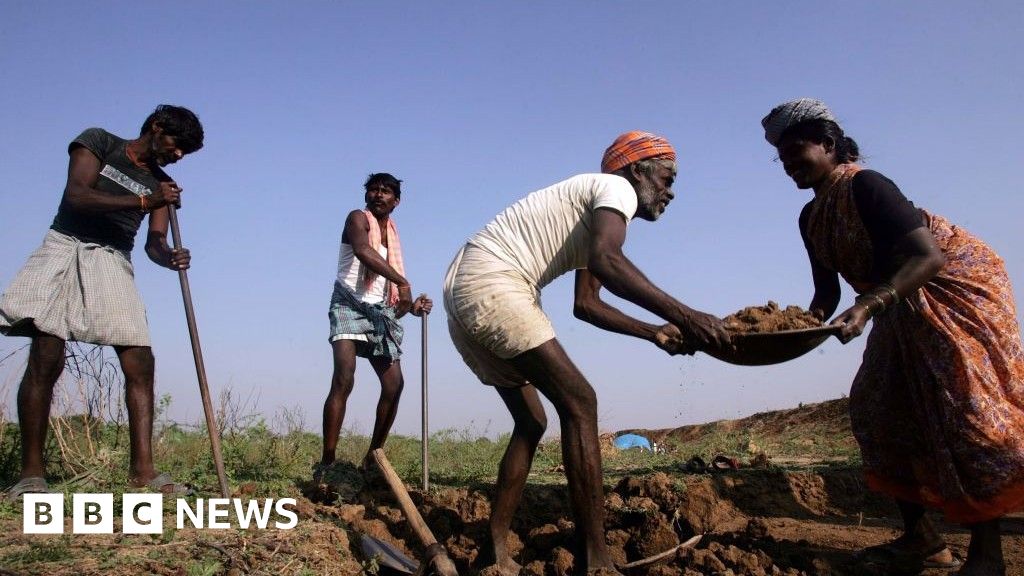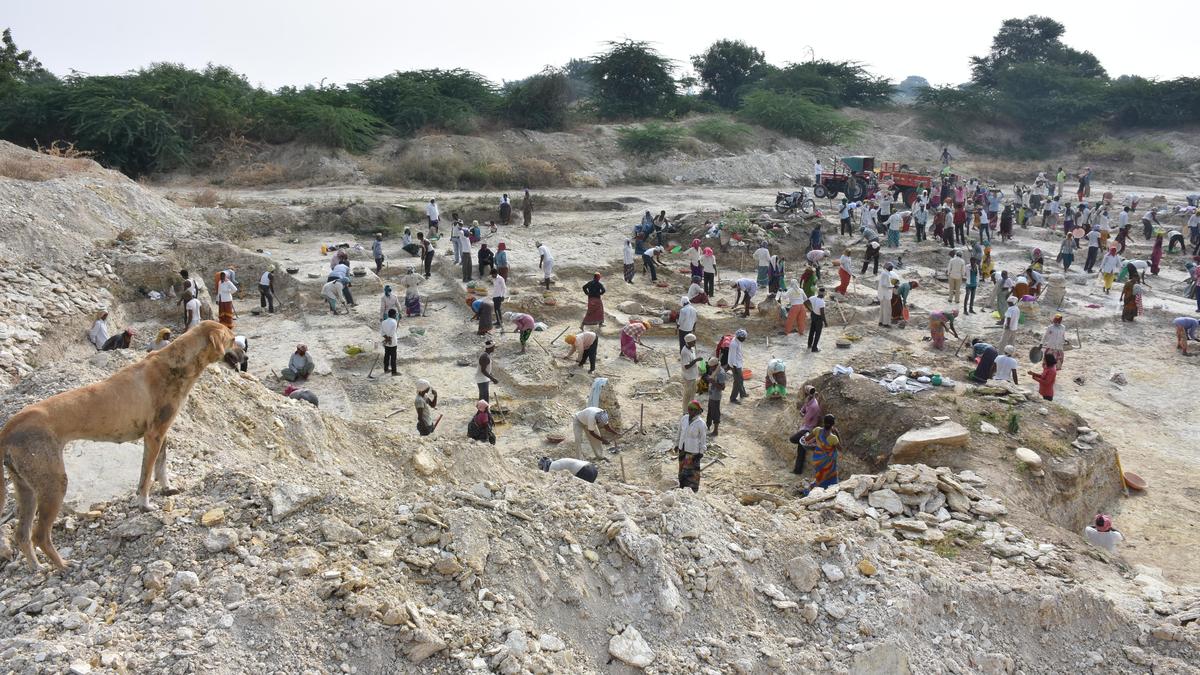
Hailed as one of the most important social welfare laws for making the State accountable for providing dignified livelihoods, MGNREGA 2005, is set to be replaced by VB-G RAM G, 2025. Sections of workers argue that the new Act strips the scheme of its core promise, the Right to Work backed by a guarantee, writes Rishita KhannaUntil 2007, Srilakshmi worked in jowar fields in Belagavi’s Athani taluk for ₹40 a day and a ration of two kg of grain. Men alongside her earned ₹65 and the same ration. During lean months when work dried up, she joined nearly 50 others from the taluk migrating over 100 km to Kolhapur in Maharashtra, where they worked for over 60 days, cutting leather into straps and soles and finishing Kolhapuri chappals, earning ₹120 a day with accommodation. For Srilakshmi and thousands who migrated for work, equal wages, guaranteed employment within 15 days, and compensation for denial was unthinkable. These promises formed the basis of the Mahatma Gandhi National Rural Employment Guarantee Act, 2005 (MGNREGA). Right to workHailed with the social message of “Har hath ko kaam mile, kaam ka pura daam mile” (every hand should get work, and every worker should get the full value of their labour), MGNREGA was introduced in 2006 to legally guarantee the “right to work”, combat chronic poverty and serve as a social security net, with workers saying it gave them something they were long deprived of – bargaining power.
No guarantee of right to work?
The transition from MGNREGA to VB-G RAM G raises concerns about the loss of guaranteed employment rights for workers.
2,005 words~9 min read