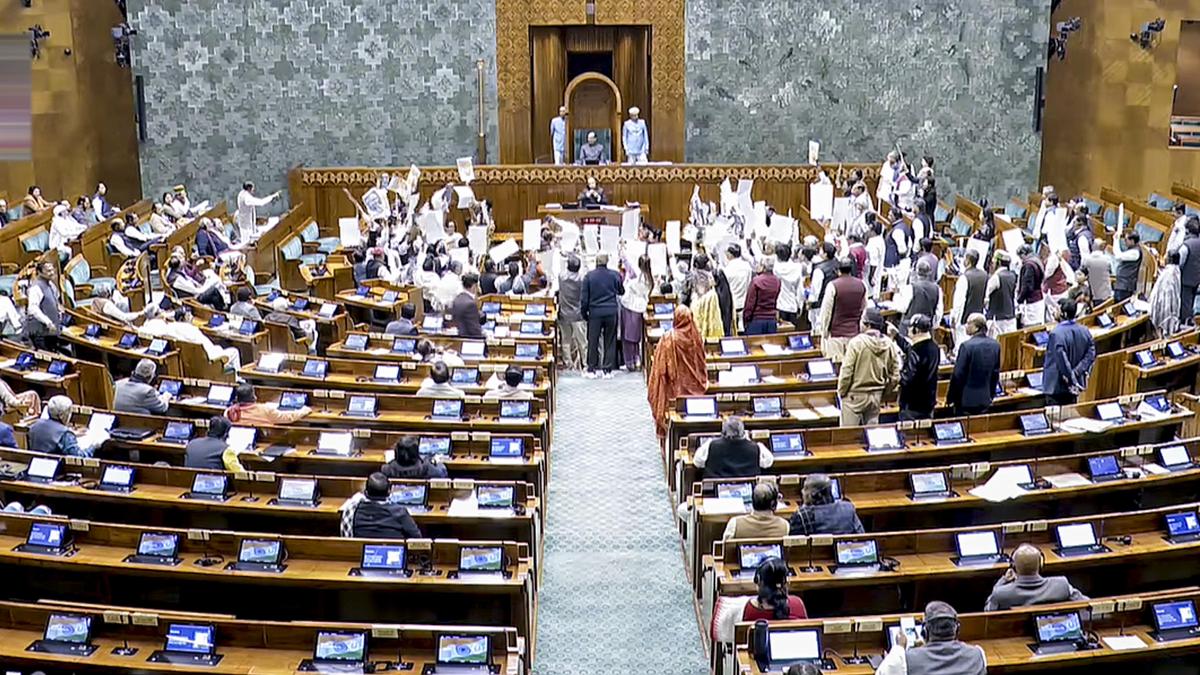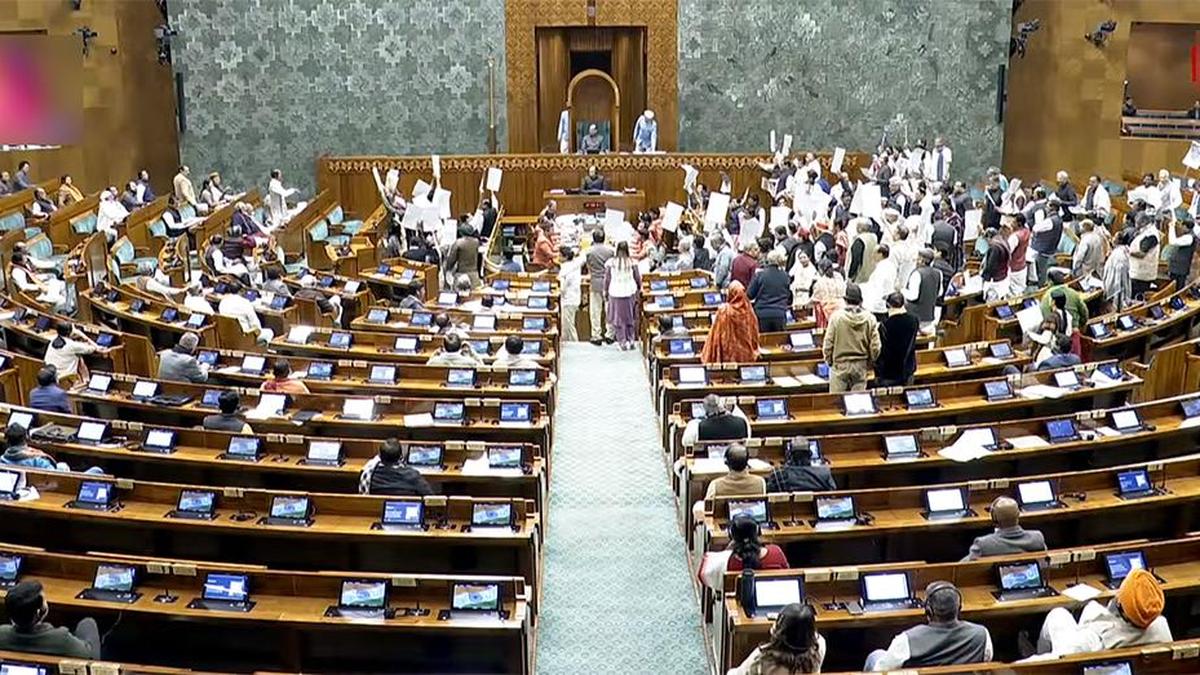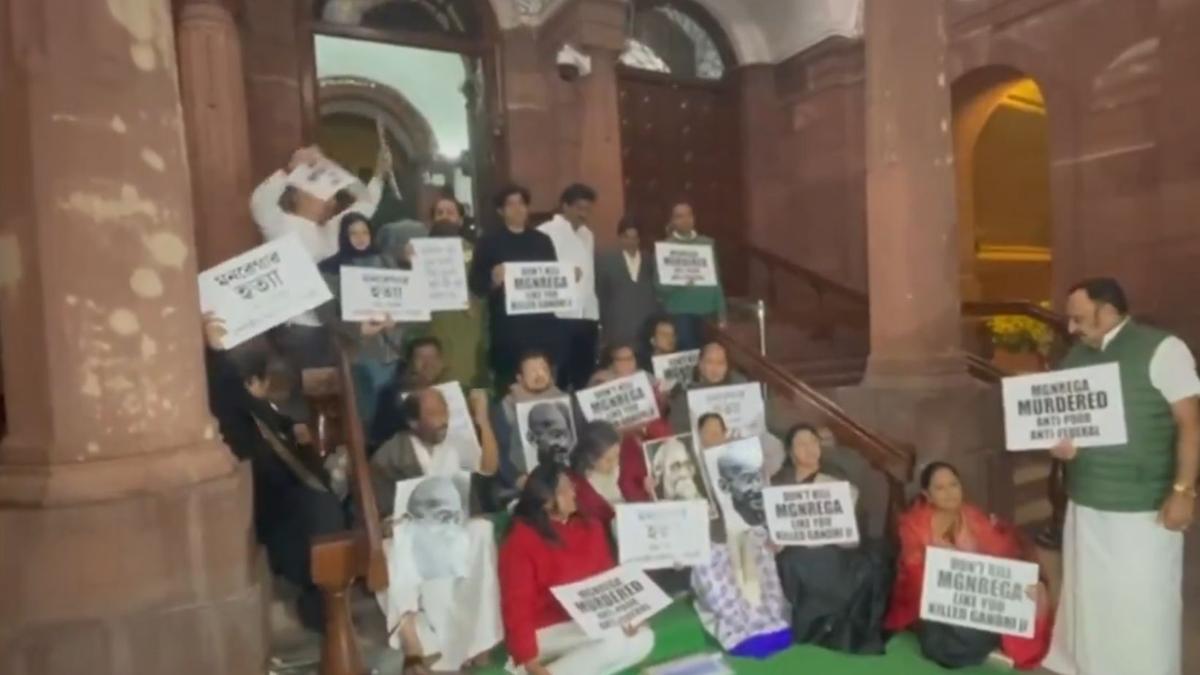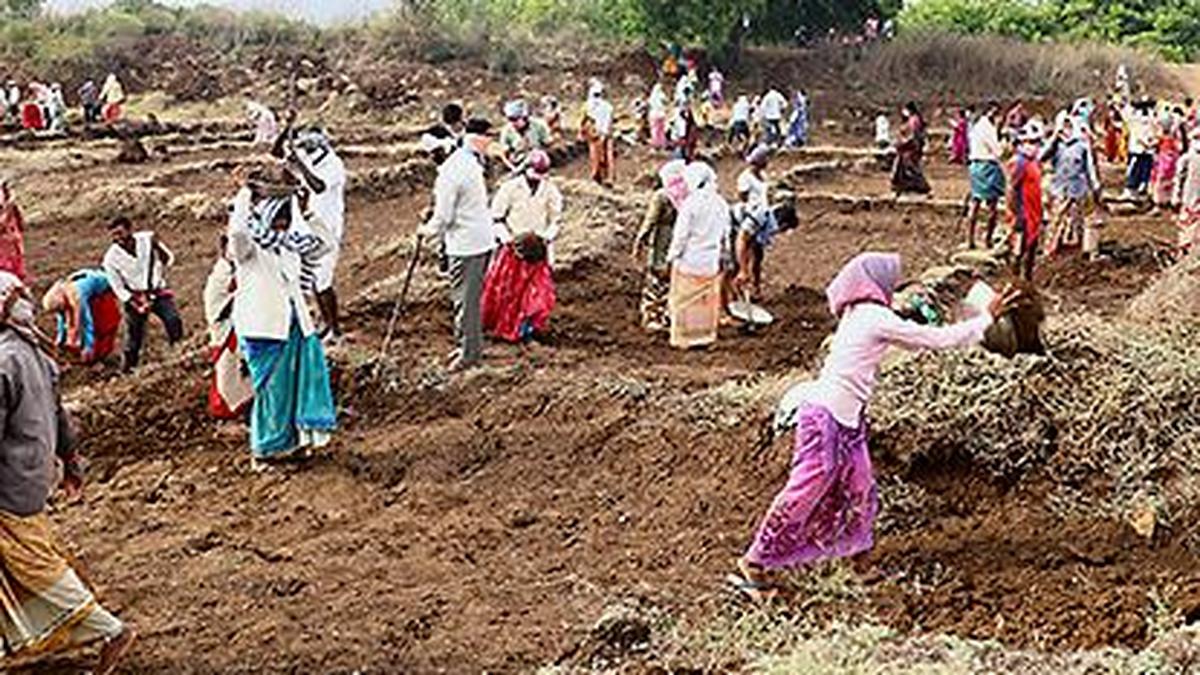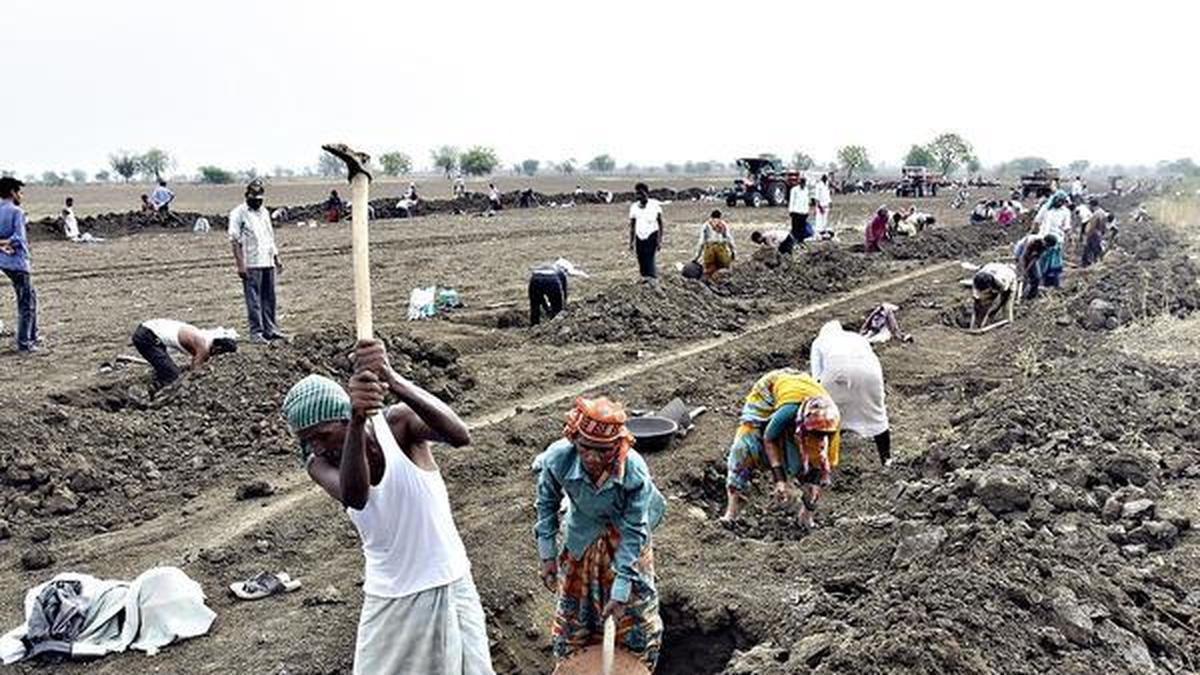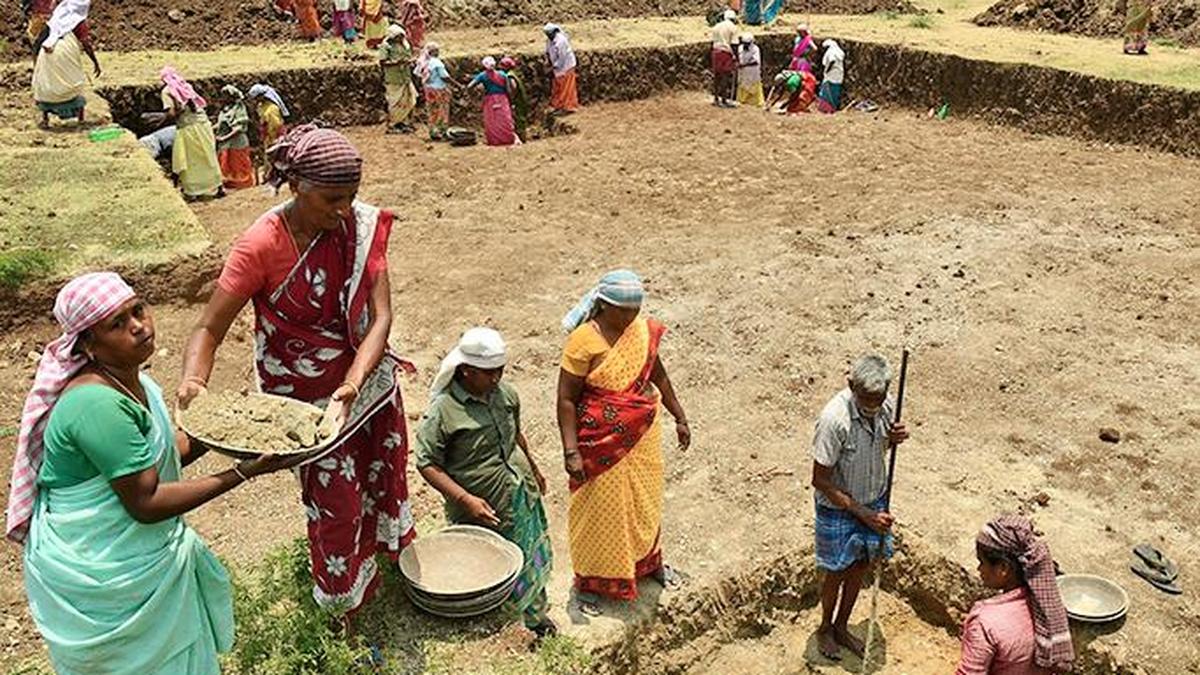
The story so far: On December 18, three days after the government circulated the Viksit Bharat Guarantee For Rozgar and Ajeevika Mission (Gramin) or VB-G RAM G Bill to replace the Mahatma Gandhi National Rural Employment Guarantee Act, 2005 (MGNREGA), Parliament passed the Bill despite protests from both the Opposition and civil society. The Opposition accused the government of not conducting any consultations before passing the legislation.
Parliament passes VB-G RAM G Bill amid Opposition uproar
How did MGNREGA originate?
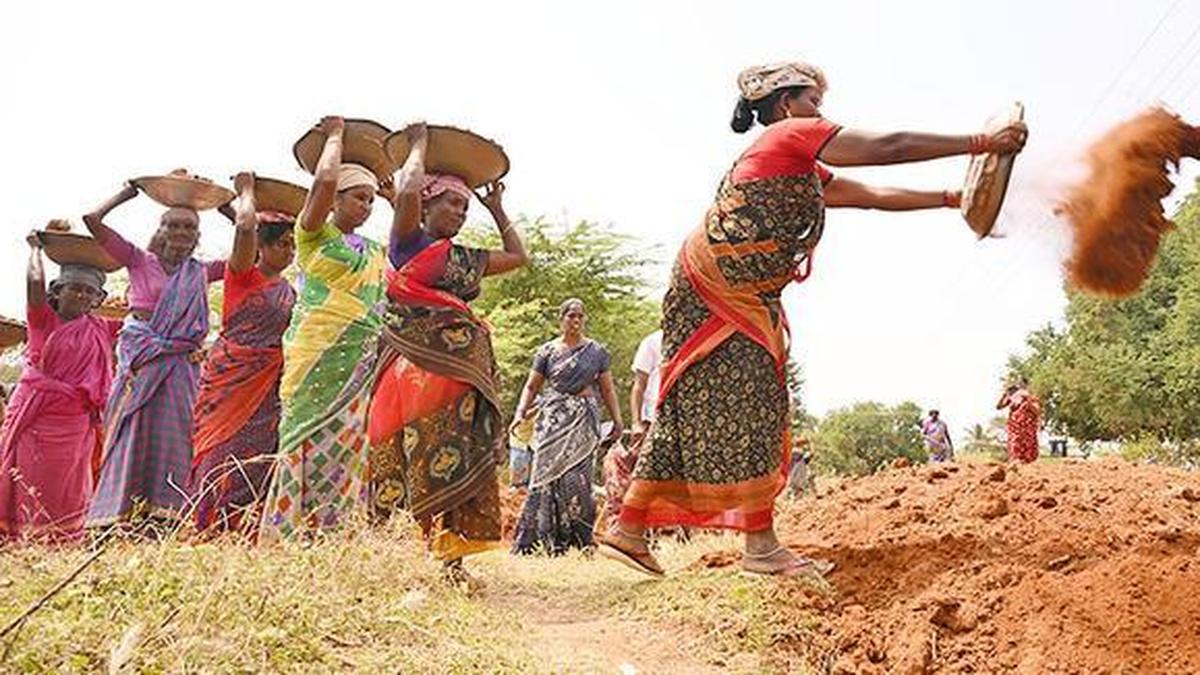
In 2005, Parliament passed a national rural employment guarantee Act. By 2008, it was extended to all districts. After 2009, it was officially renamed the Mahatma Gandhi National Rural Employment Guarantee Act (MGNREGA).
In The Politics of Poverty Reduction in India — The UPA Government, 2004–2014, James Chiriyankandath et al write that after the Congress-led United Progressive Alliance (UPA) government’s victory in 2004, a small group of distinguished and progressive civil society leaders, retired civil servants, and intellectuals joined the National Advisory Council (NAC), chaired by Congress president Sonia Gandhi. Only a limited agenda had been fixed for the initial meeting of the NAC, but two of its members — civil society leader Aruna Roy and the economist Jean Drèze — arrived with detailed plans for two new initiatives: a Right to Information Act and an ambitious employment guarantee programme for the rural poor.