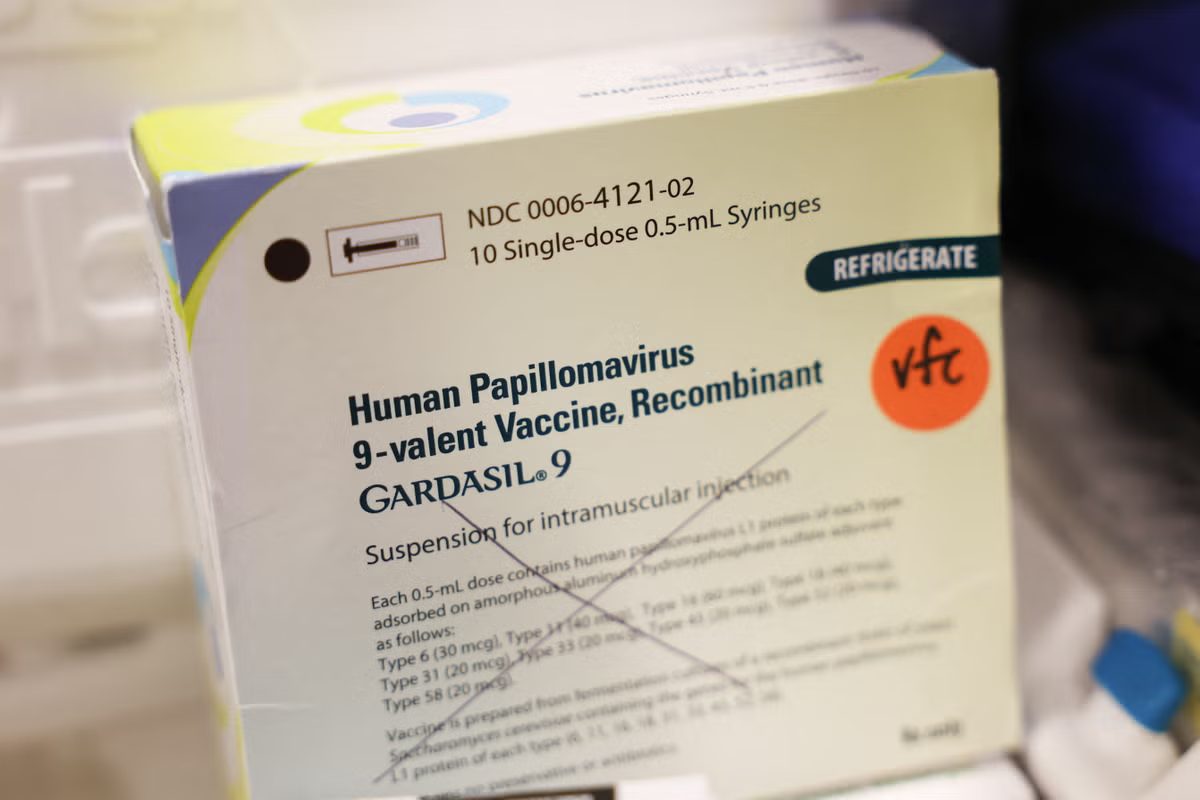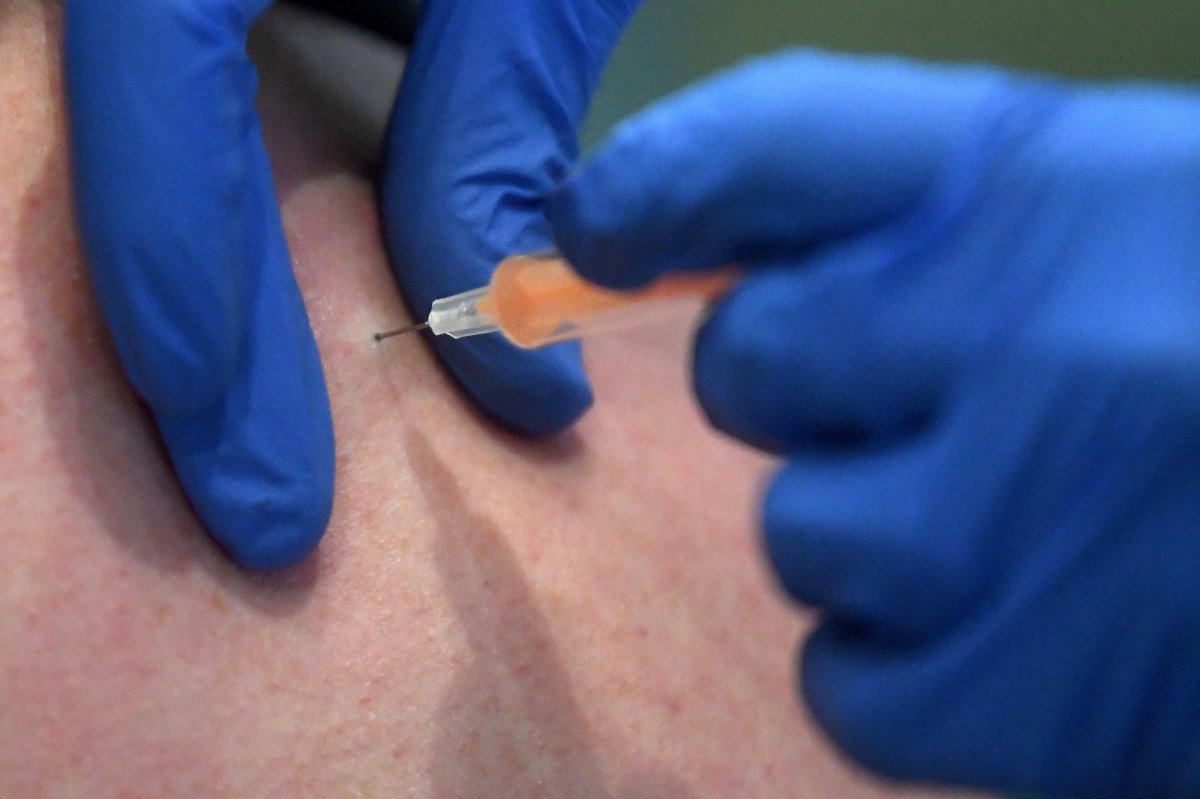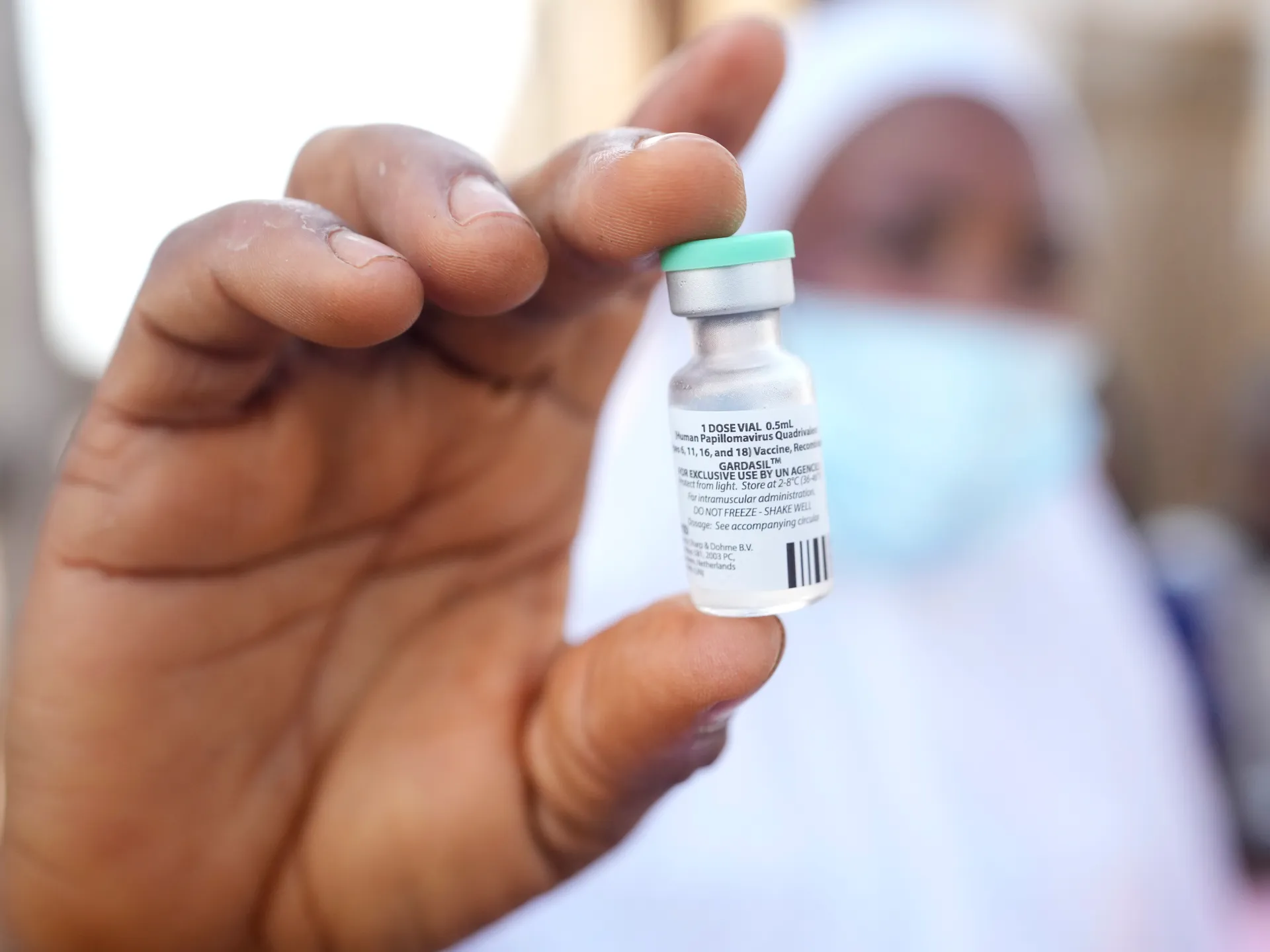
For the first time since records have been kept, a five-year stretch passed in England without a single young woman dying of cervical cancer. Between 2020 and 2024, not one woman aged 20 to 24 died of the disease—a cohort that, absent vaccination, would have been expected to lose roughly 23 of its members to it.
The finding comes from a landmark study published June 17 in The Lancet by Queen Mary University of London professors Peter Sasieni and Milena Falcaro. Both spent two decades building the evidentiary chain: HPV causes cervical cancer; vaccination stops the infection; vaccination should, eventually, stop the dying.
“For more than two decades, our team has been building evidence to show that HPV causes cervical cancer and that vaccination prevents infections, precancerous changes, and the disease itself. This is the first study to highlight the impact of HPV vaccination on cervical cancer mortality,” Sasieni said in a statement from QMUL. “It’s amazing news that no women aged between 20 and 24 died from cervical cancer in the whole of England between 2020 and 2024. That remarkable fact is thanks to nearly 90% of Gen Z women having received the HPV vaccine through the school vaccination and catch-up programs.”