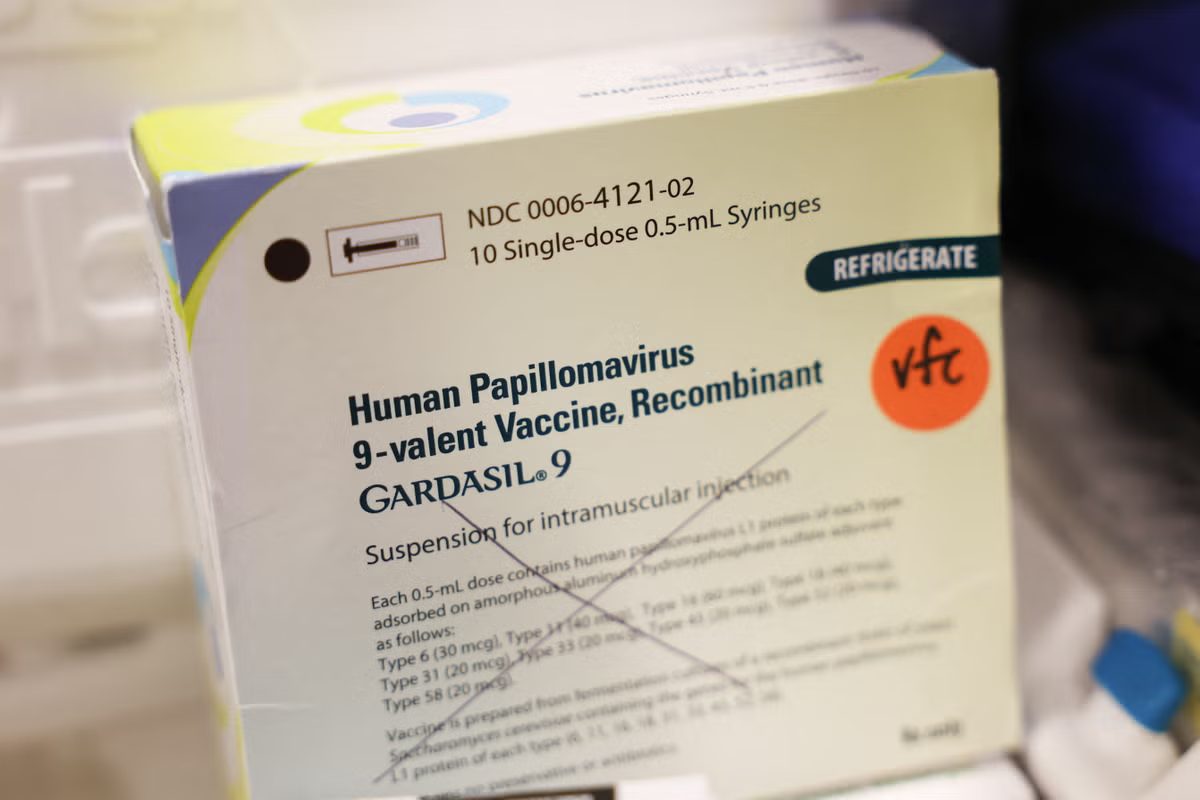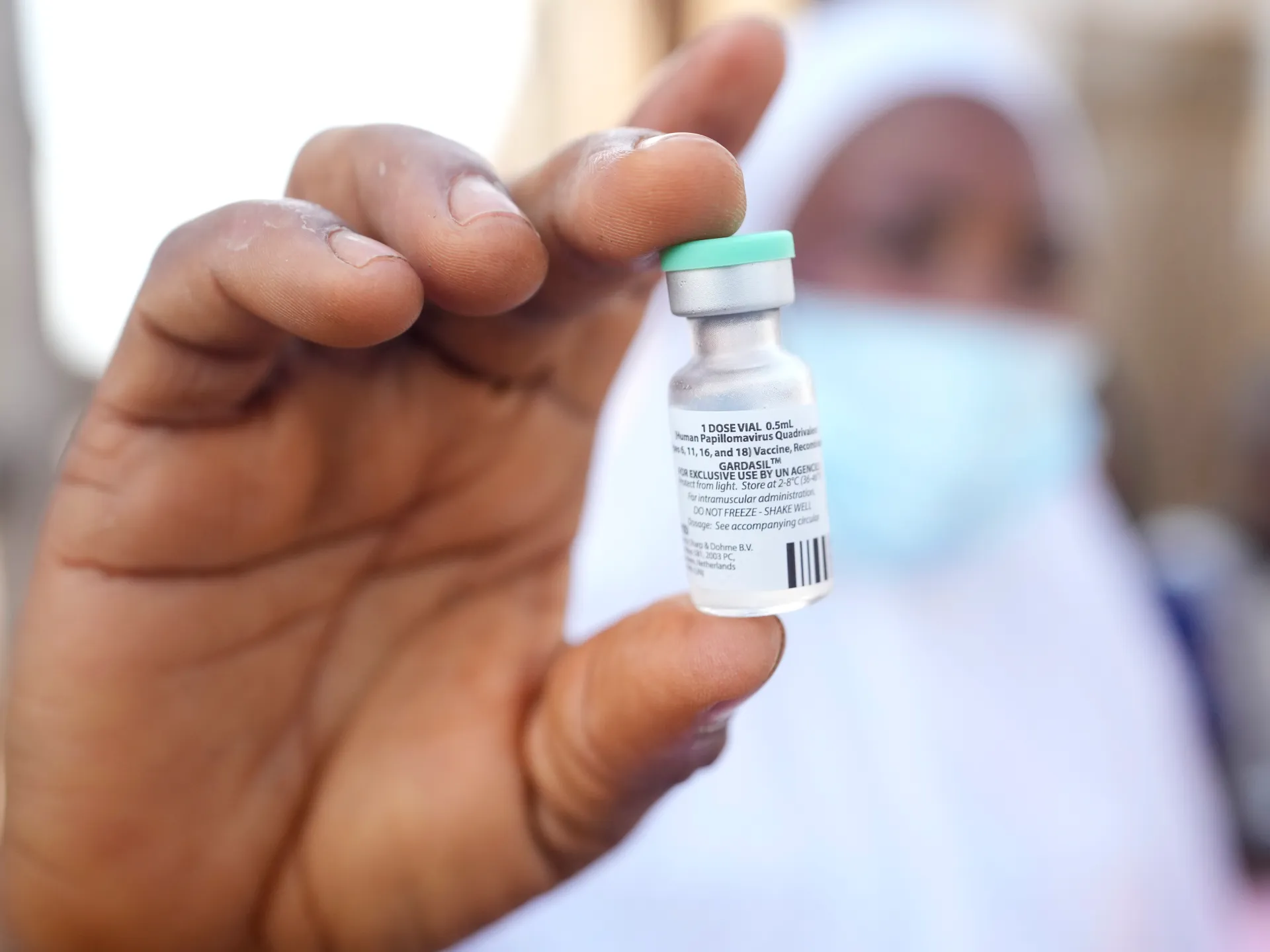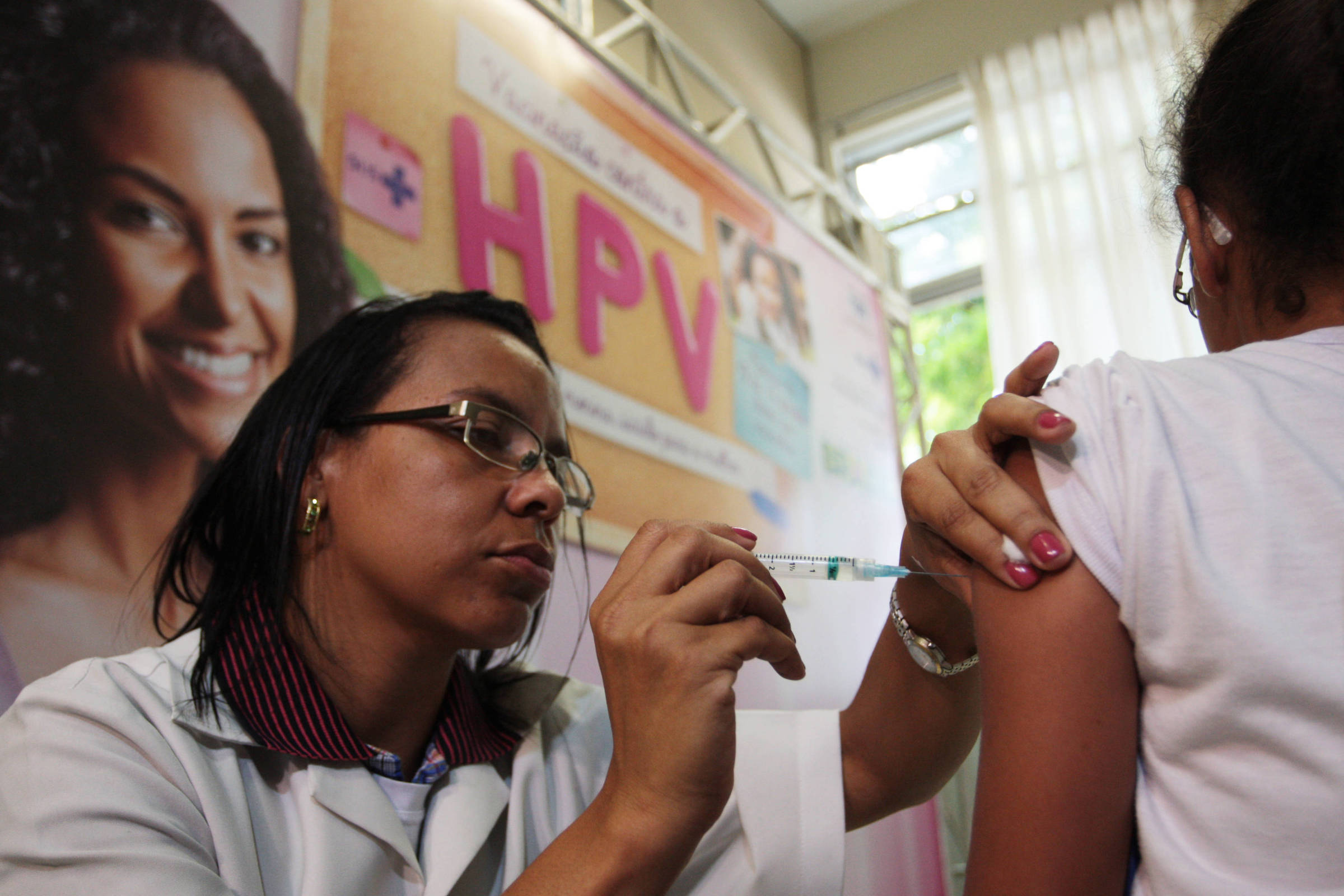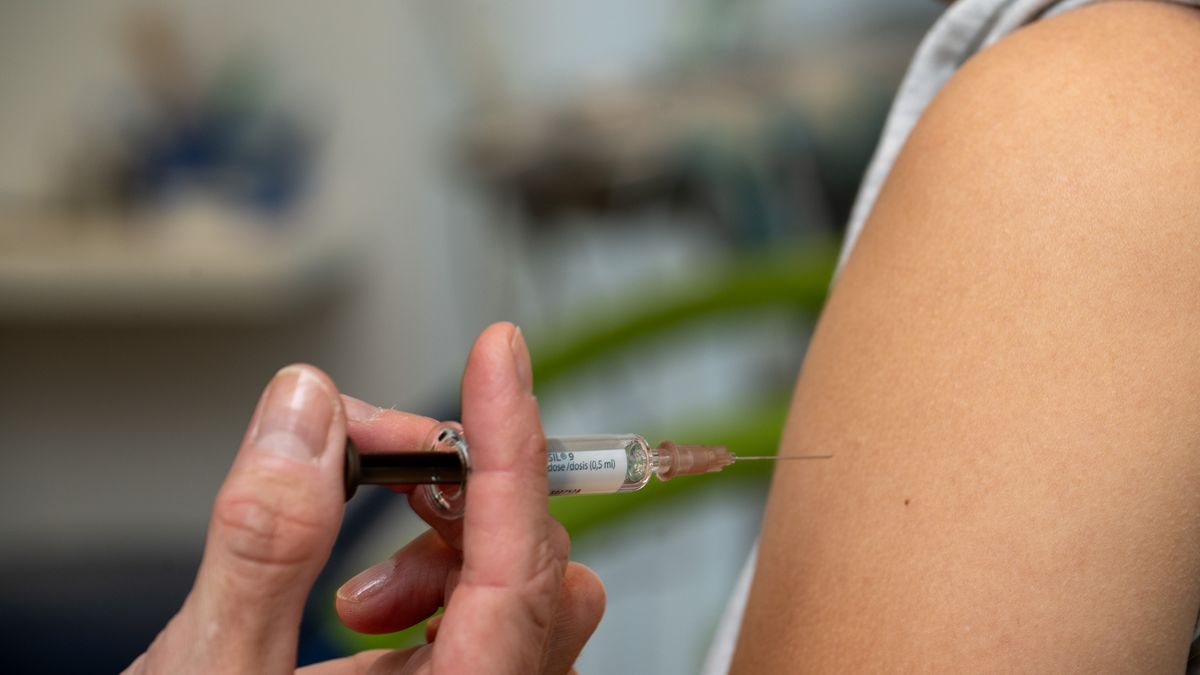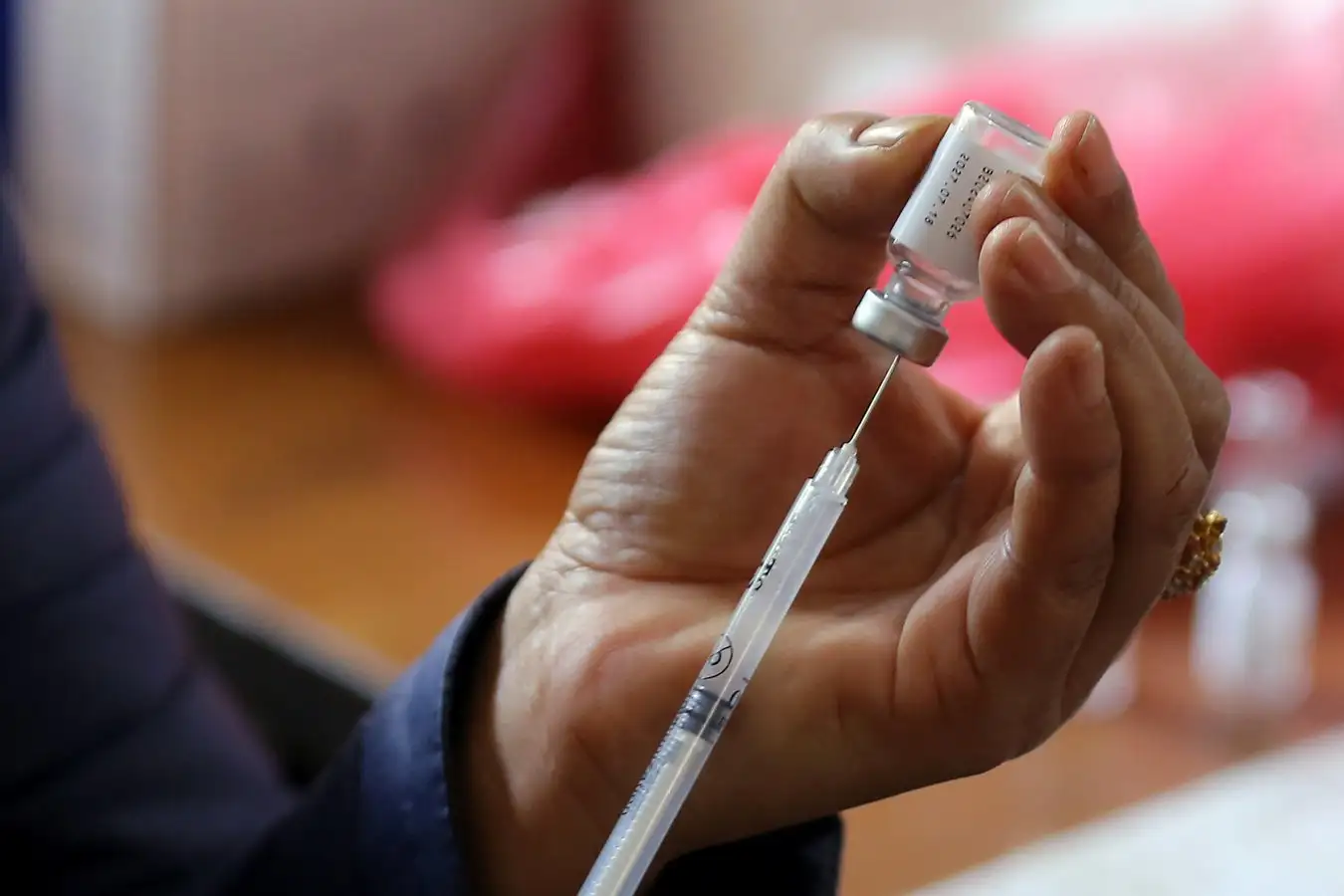
HPV vaccines have revolutionised cervical-cancer prevention since the first one became available in 2006Subaas Shrestha/NurPhoto via Getty Images
No women in England aged 20 to 24 died of cervical cancer between 2020 and 2024. This is the first time that zero cervical-cancer deaths have been recorded for this age group, and it’s thanks to the introduction of a vaccine against the human papillomavirus, or HPV.
“The results are stunning,” says Peter Sasieni at Queen Mary University of London. “It’s an awful thing when somebody dies very young from cervical cancer. This is a real triumph for vaccination, a real triumph for science and a real triumph for public health to get that vaccine out there with very high uptake very rapidly.”
HPV is spread by several kinds of sexual activity, and many strains genetically modify cells in a way that is extremely likely to cause cancer. Women can get cervical cancer in their twenties because of the virus, and around the world many are still dying because of it.
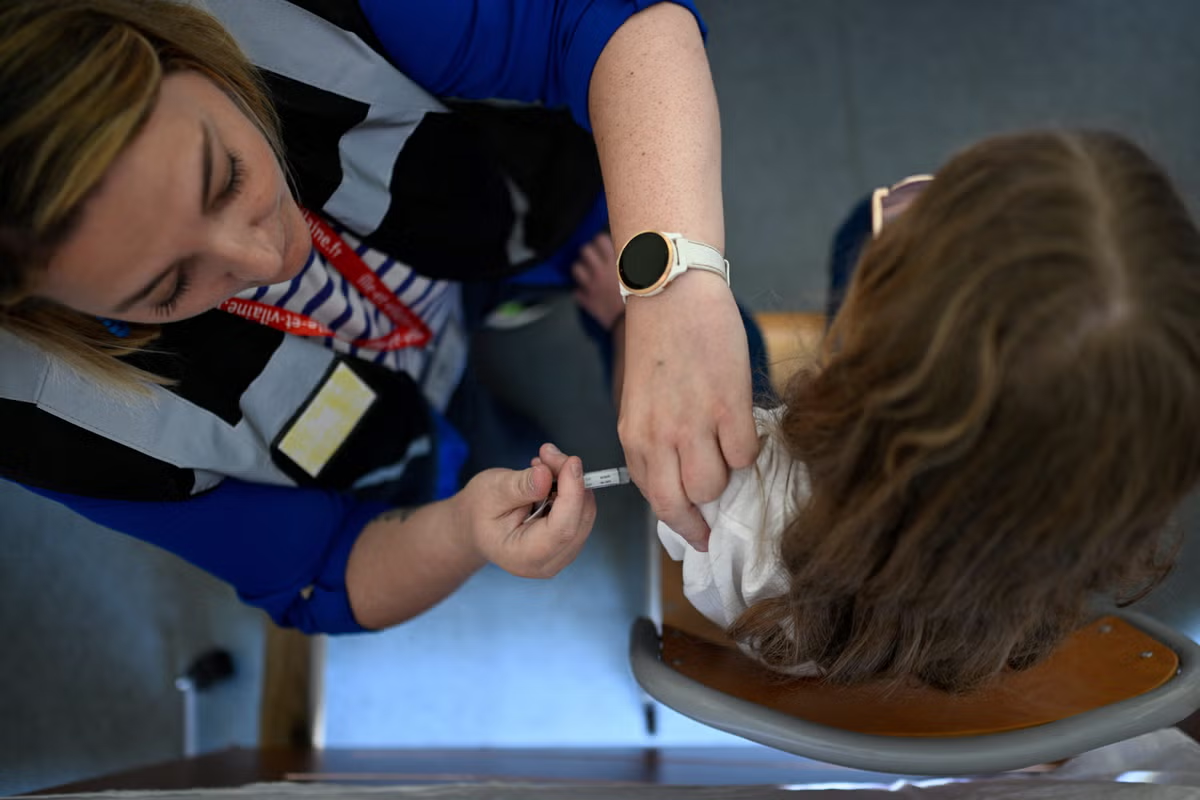
The first HPV vaccine became available in 2006. In the UK, it has been offered to girls aged 12 or 13 since 2008. It’s been offered to boys since 2019, both to protect them from other HPV-triggered cancers – like those affecting the mouth, anus, throat and penis – and to prevent them from infecting others.