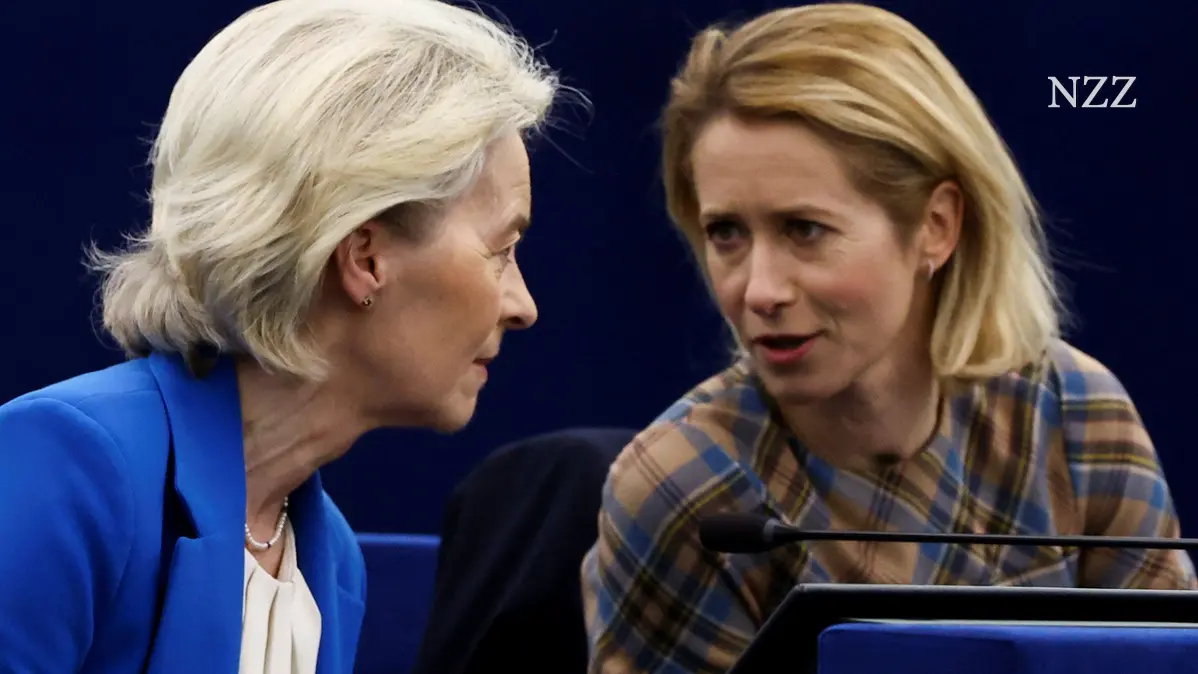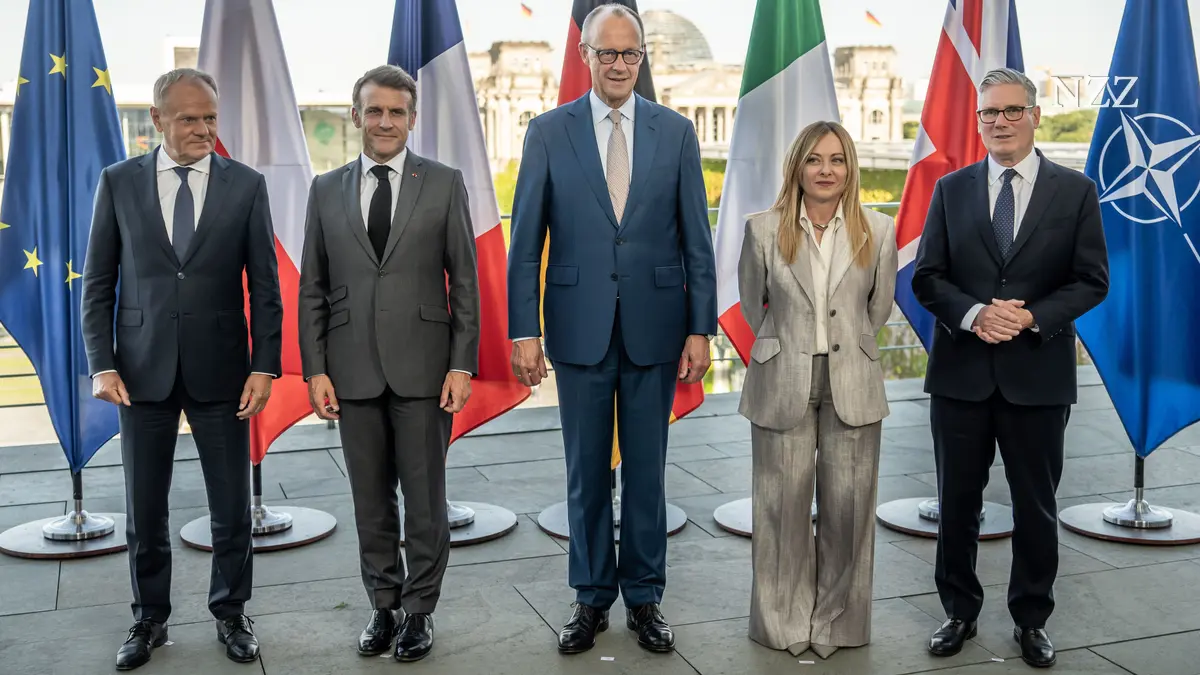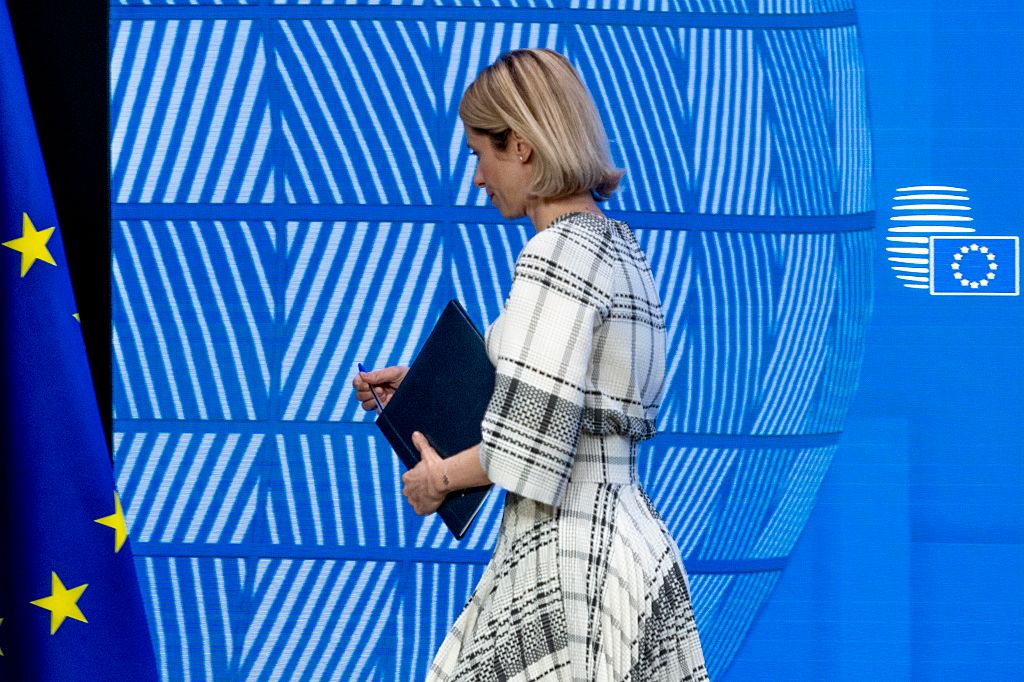
There’s been much chatter in the Brussels Bubble of late about possible tweaks – or bigger reforms still – to the European External Action Service, set up back in 2009 after the Lisbon Treaty.
The Lisbon Treaty reforms of EU foreign policy had two major structural problems:
First, by double-hatting the high representative (aka EU foreign affairs chief) and creating the EEAS, they turned three full time jobs (chair of the foreign ministers council, vice president of the EU Commission, head of a new diplomatic institution) into a single impossible one.
All three holders of this position proved unable to completely fill these diverse roles. The failure to provide for deputies made sure that appointment to this prestigious position comes with the guarantee of eventual disappointment.
Second, the Lisbon reforms replaced the rotating presidency in EU foreign policy and thus ensured greater continuity and coherence. But they established the EEAS as a “hybrid” semi-institution with weak institutional identity, heavily-dependent on the commission in terms of budget and procedures and with uncertain ownership from the Council.