The European Union’s diplomatic corps, a sprawling apparatus with more than 140 delegations worldwide, is facing an existential reckoning. EU member states are actively discussing whether to dismantle or radically restructure the European External Action Service, the bloc’s foreign policy arm that has operated as an independent institution since 2010.
The conversations, reported by the Financial Times, reflect growing frustration among national capitals with the EEAS’s ability to coordinate coherent responses to the geopolitical crises that have defined the last several years. Support for Ukraine, relations with Iran, managing the fallout from an increasingly assertive Russia: the diplomatic service has drawn criticism on multiple fronts for moving too slowly through too much bureaucracy.
What’s actually on the table
The proposals being floated range from surgical tweaks to full-scale demolition. On the more dramatic end, some member states are pushing to fold the EEAS’s operations entirely back into the European Commission, effectively reversing the institutional experiment that created it in the first place.
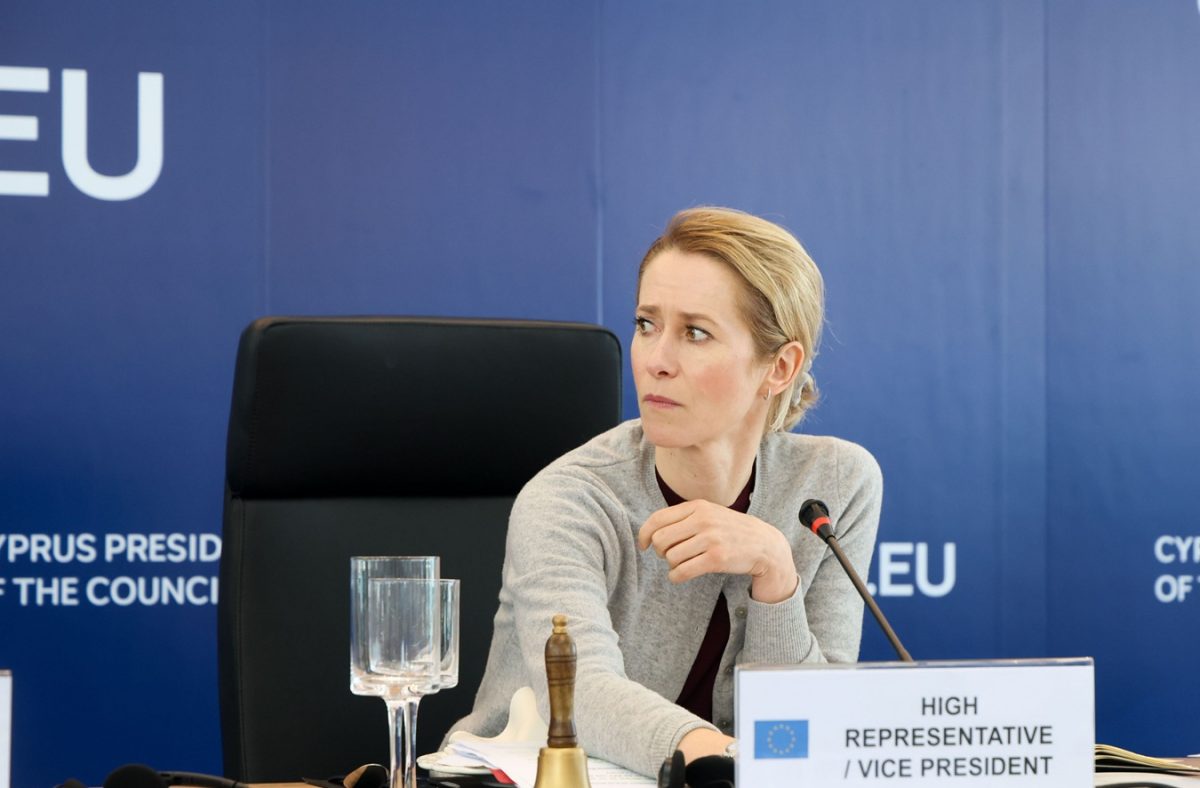
Another proposal on the table involves creating a dedicated “EU foreign minister” role. The bloc already has a High Representative for Foreign Affairs and Security Policy, currently the top diplomatic post, but the discussion centers on whether a more empowered position with clearer authority could cut through the coordination problems that have plagued European foreign policy.