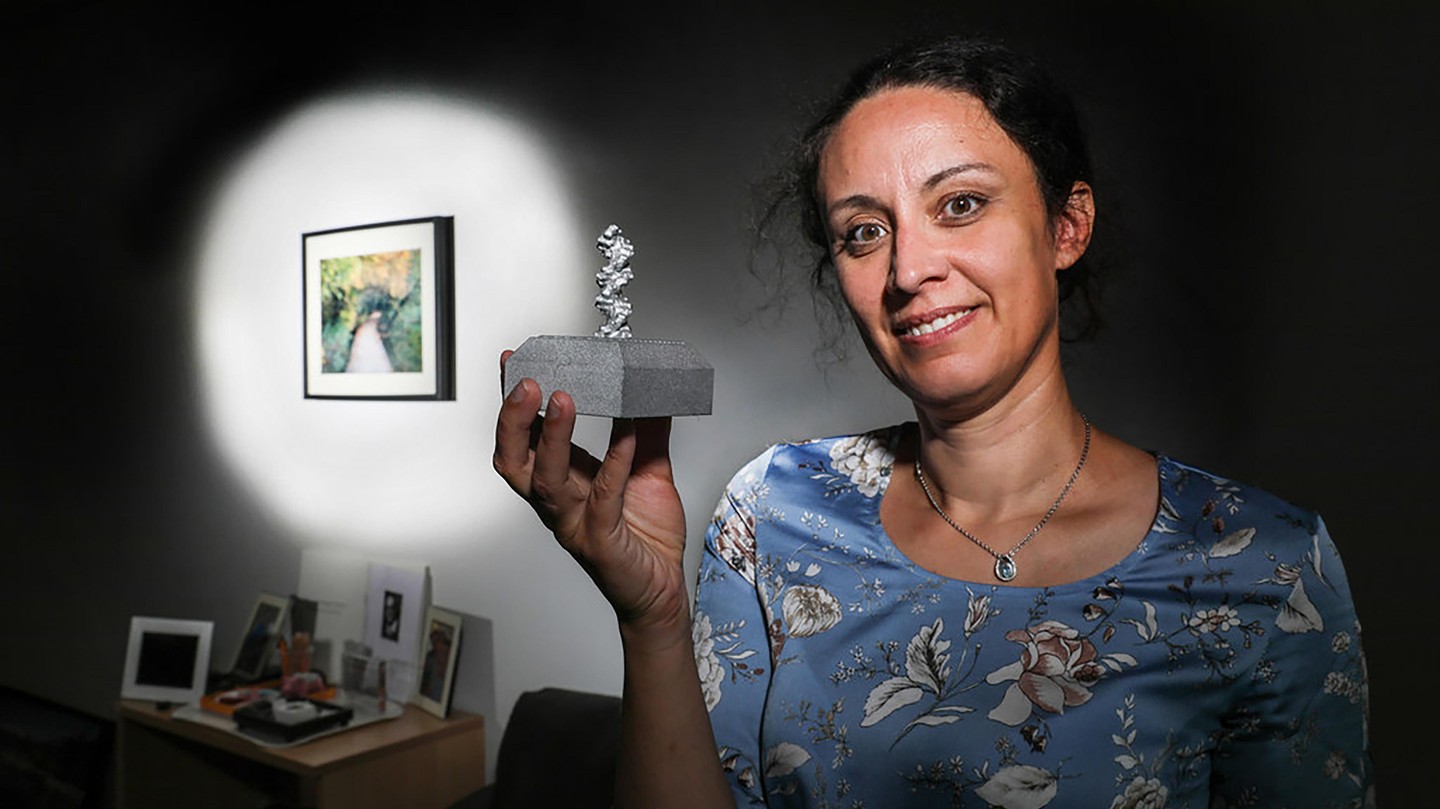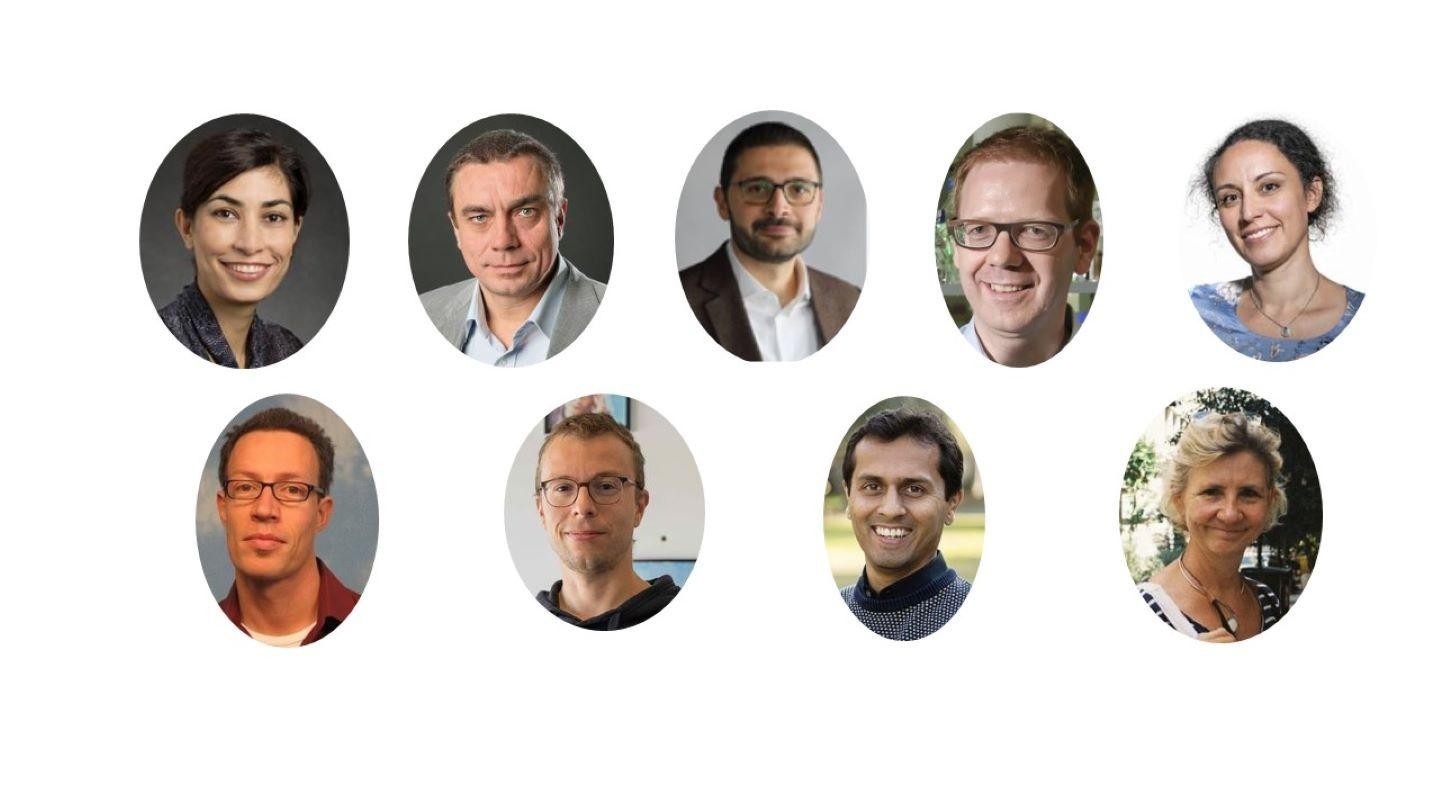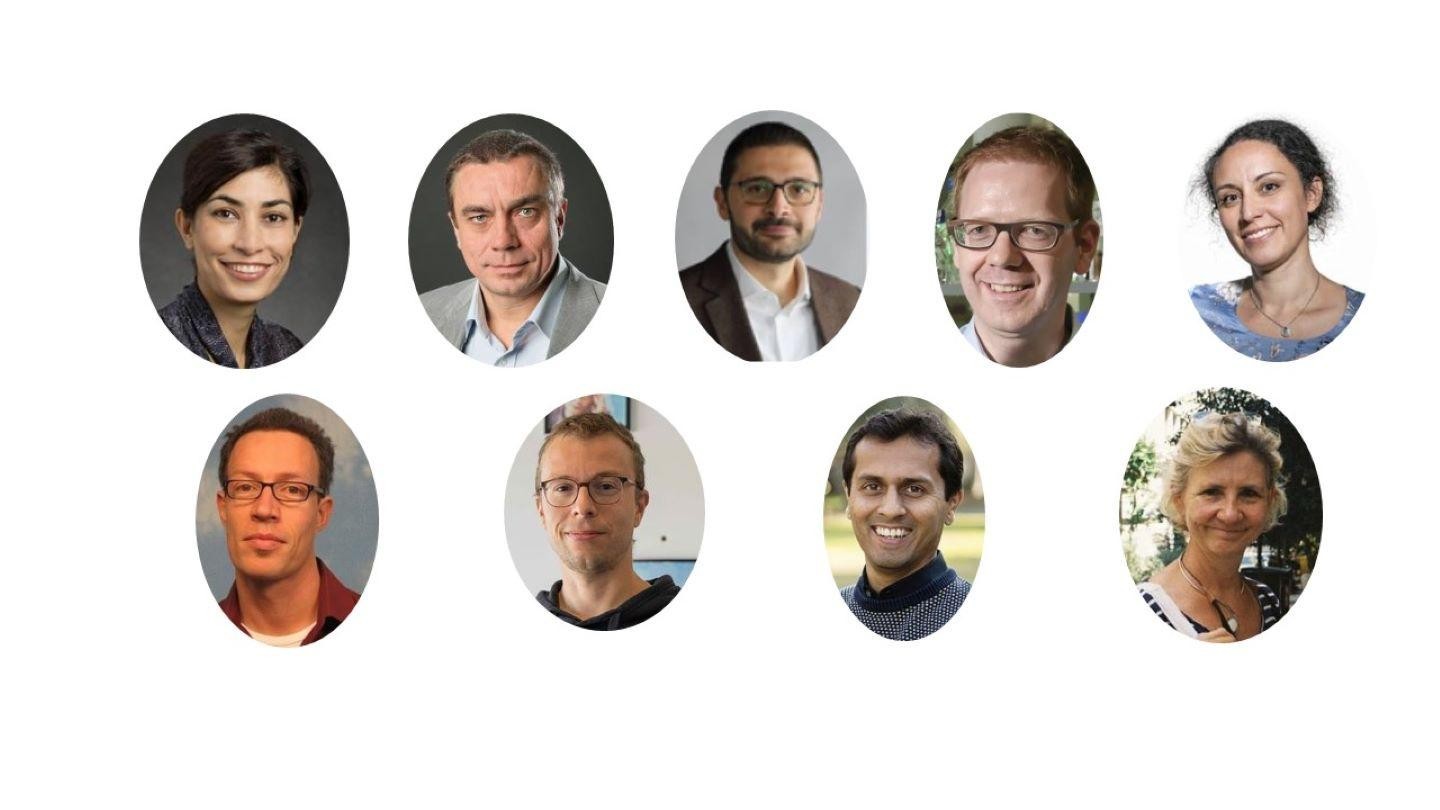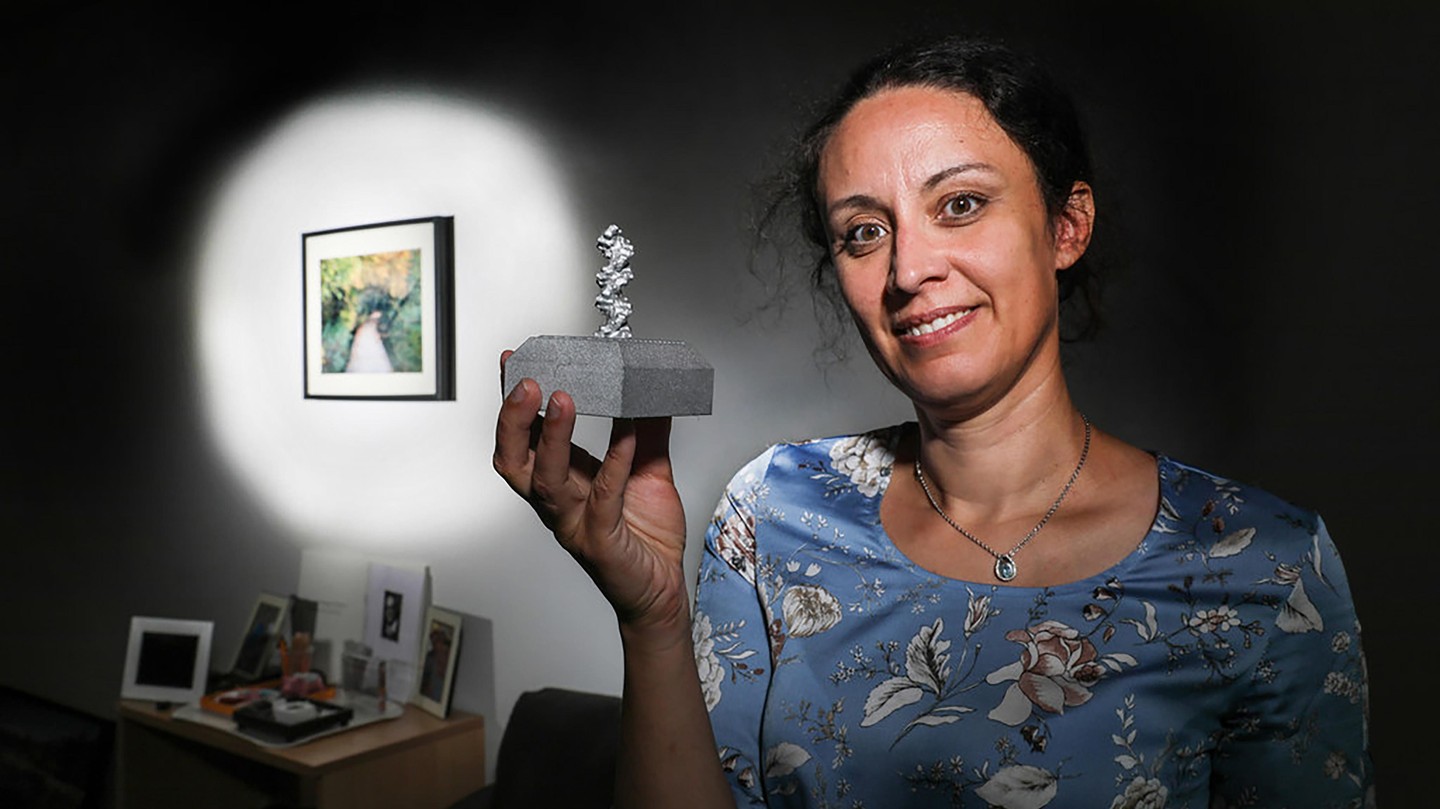
School of Engineering professor Aleksandra Radenovic has been awarded a highly competitive Advanced Grant by the European Research Council (ERC).Aleksandra Radenovic, head of the Laboratory of Nanoscale Biology (LBEN) in the Institute of Bioengineering (School of Engineering), was awarded the prestigious ERC grant for her project, "Building Scalable and Sustainable Neuromorphic Architectures with Bio-Solid-State Nanopores" (NEON).The ERC announced today the next round of researchers selected for the 2025 call for its Advanced Grant program, carried out as part of the European Union’s Horizon Europe key funding program. A total of €840 million in Advanced Grants will be awarded to 319 leading researchers across Europe, including nine from EPFL. Each grant covers up to €2.5 million per project for a maximum of 5 years.The highly competitive Advanced Grants are given each year to established, leading principal investigators, as long-term funding for "ground-breaking, high-risk" research projects in any field. Professor Radenovic also received an Advanced Grant in 2021 for the project "2D-Liquid: 2D material interactions with liquids probed with nanoscopy tools."Abstract: Building Scalable and Sustainable Neuromorphic Architectures with Bio-Solid-State Nanopores (NEON) In the framework of the NEON project, we will pioneer sustainable neuromorphic architectures by integrating biological and solid-state nanopores into scalable ion-based computing platforms. By uniting molecular sensing with in materia computation, NEON will dissolve the traditional divide between data acquisition and processing. We will leverage the atomic precision and adaptability of biological pores alongside the robustness, addressability, and wafer-scale manufacturability of solid-state devices to build the first hybrid iontronic circuits that learn, adapt, and make local decisions. As biological pores alone cannot deliver large, reconfigurable networks, we will harness solid-state nanopores to serve as a programmable, wafer-scale breadboard for embedding bio-pores and rapidly prototyping network architectures. This dual role will let us first optimise networks in solid-state and, when miniaturisation or connectivity limits are reached, use the unique capabilities of biological pores. By co-locating sensing and computation, we will avoid costly digitisation and data movement and harness the rich multi-ion physics of nanopores for feature-native classification. Pursuing both CMOS-assisted and all-iontronic implementations will de-risk development and demonstrate that ion-based networks can meet practical needs. NEON is inherently interdisciplinary, uniting nanofluidics, neuromorphic computing, biosensing, and protein engineering within an integrated effort that spans physics, chemistry, materials science, and biology. The resulting platforms will benefit these fields by enabling high-throughput, programmable biosensing, tunable protein-pore design, and scalable iontronic hardware for next-generation neuromorphic computing.
Aleksandra Radenovic wins ERC Advanced Grant
School of Engineering professor Aleksandra Radenovic has been awarded a highly competitive Advanced Grant by the European Research Council (ERC).
401 words~2 min read