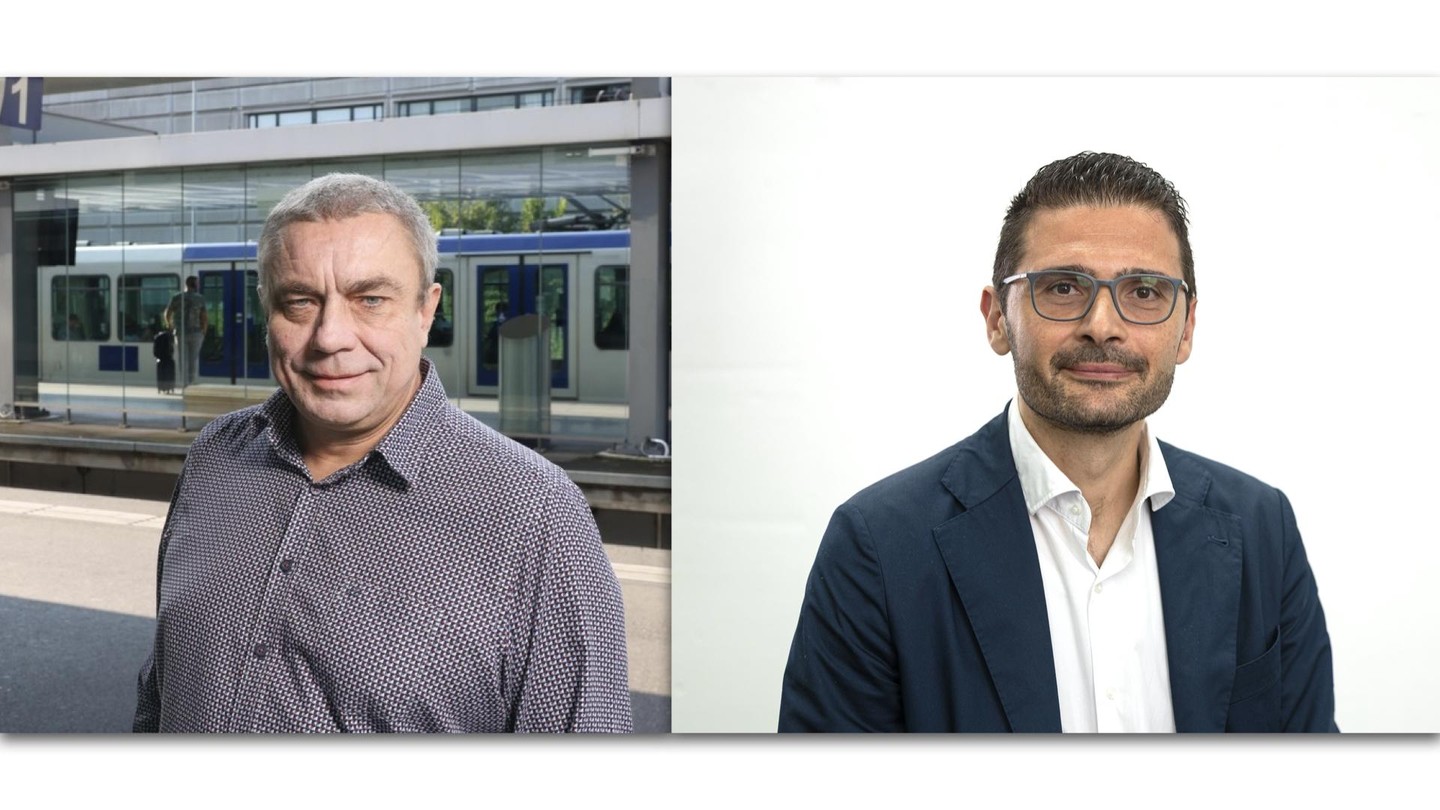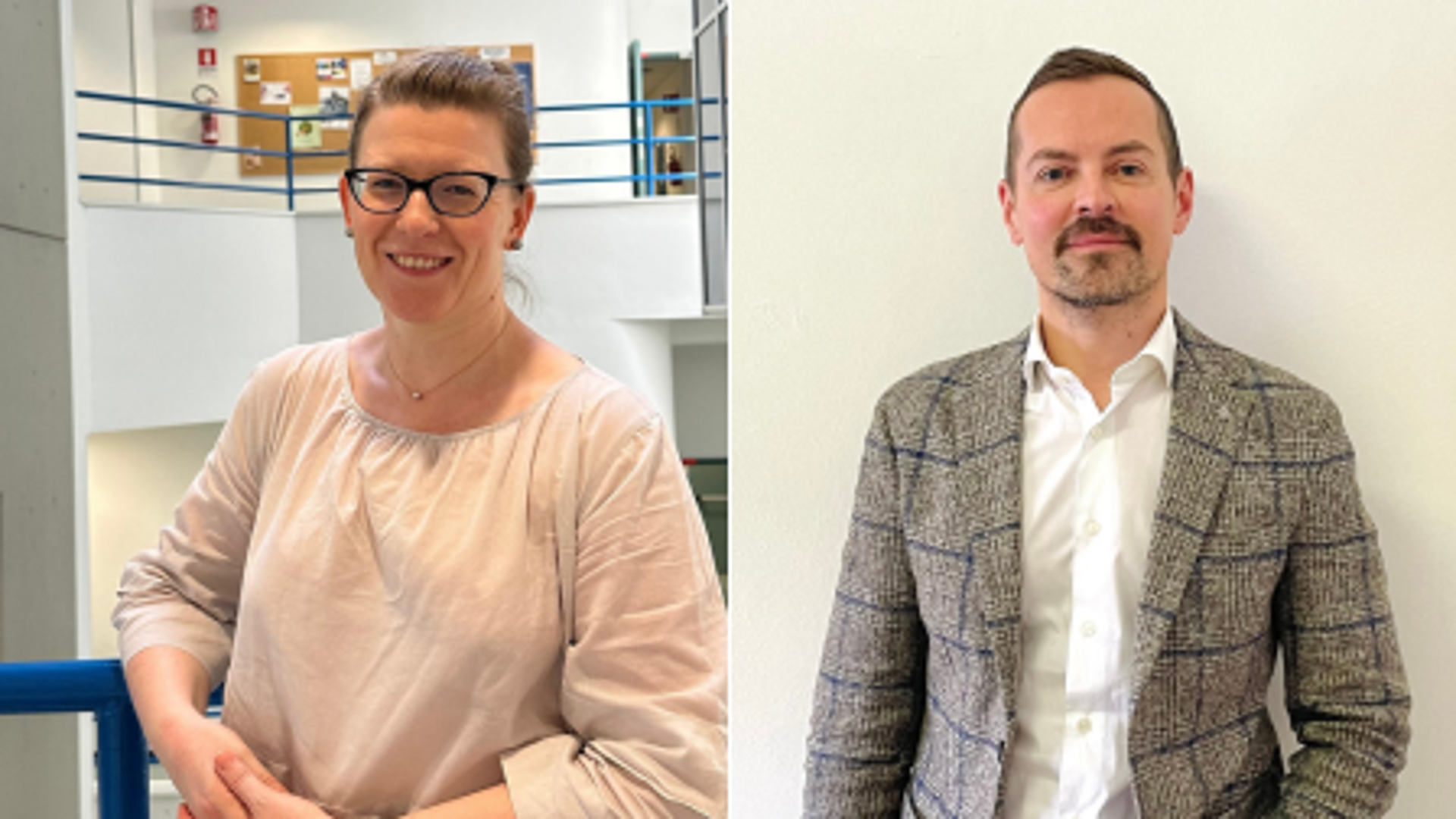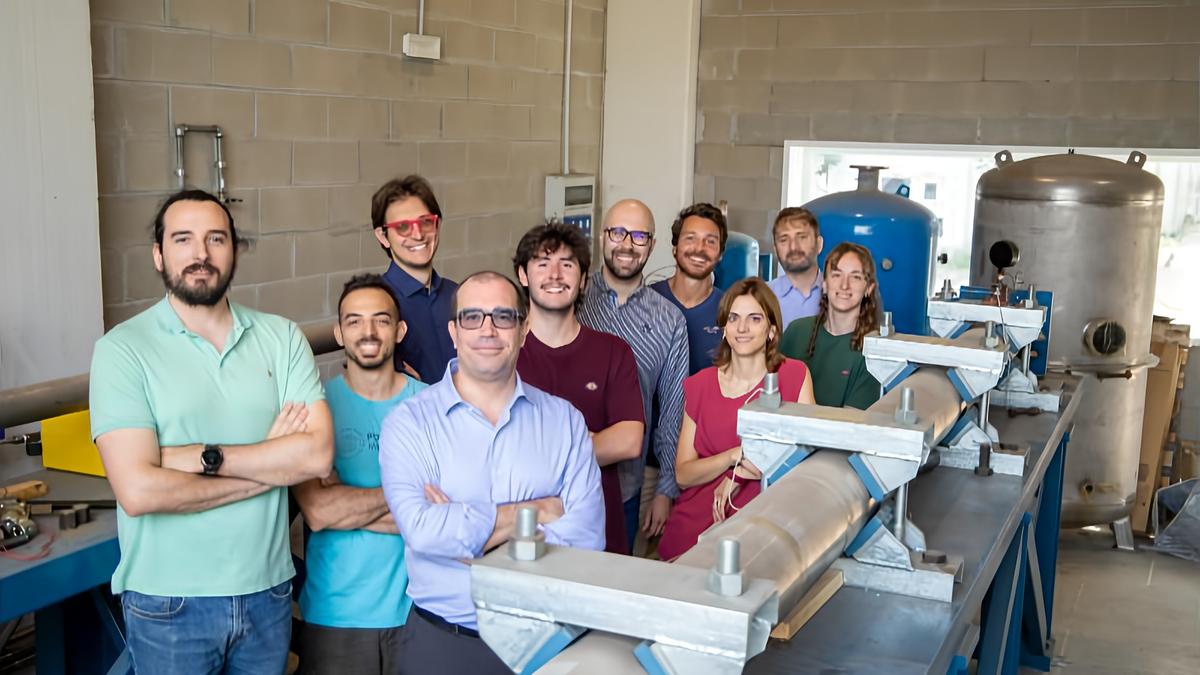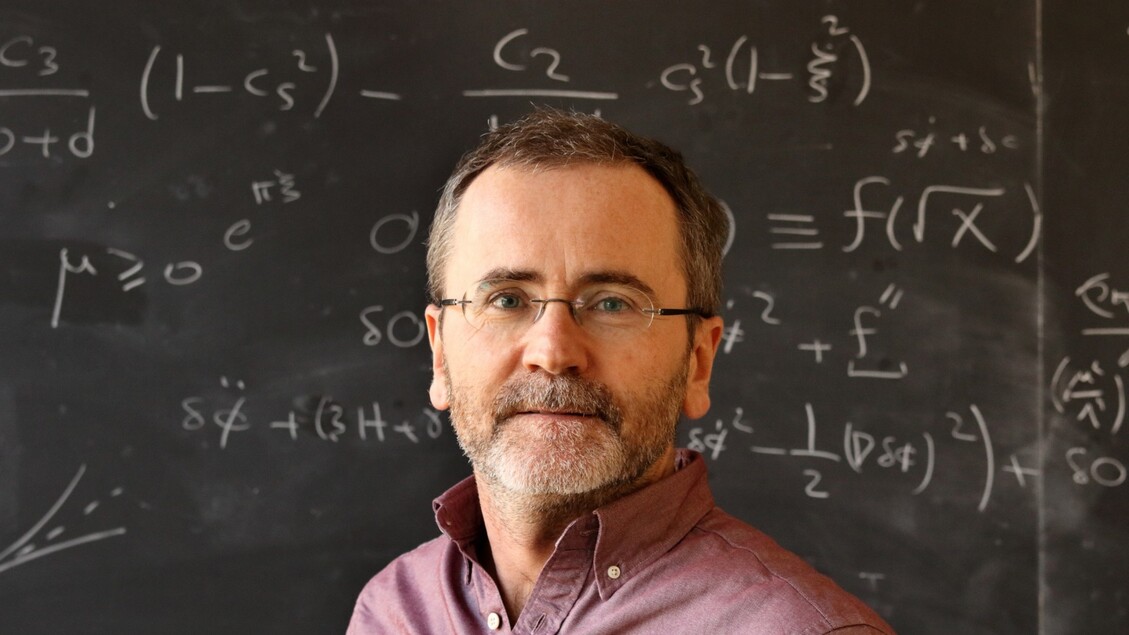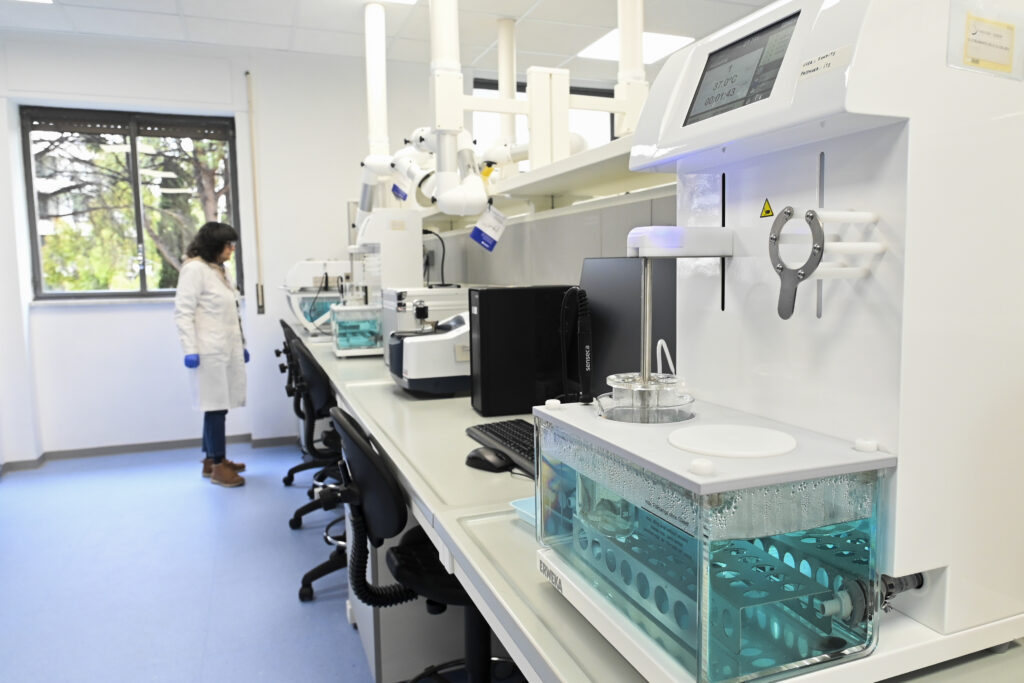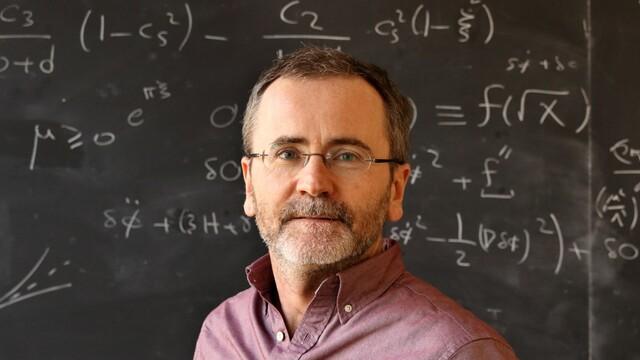
Michel Bierlaire and Dimitros Lignos have been awarded the prestigious European Research Council (ERC) Advanced Grants.The European Research Council awarded the Advanced Grant 2025, one of Europe's most competitive research awards, to Professor Michel Bierlaire, at the Transportation and Mobility Laboratory, for the project COBRA on behavioral modeling; and to Dimitrios Lignos, professor at the Resilient Steel Structures Laboratory, for the project DARE on lightweight structures for urban resilience. The two projects were selected from among 3,329 proposals submitted across Europe.Modeling human behavior with synthetic dataWhile classical behavioral models can handle cases where people must choose among a handful of options, they fail when there are billions of alternatives. Bierlaire’s project aims to develop novel human behavioral models using combinatorial optimization techniques and synthetic data to solve complex problems that involve a large number of choices. “The idea is to exploit what we can do in combinatorial optimization and import it in the realm of behavioral models,” says Bierlaire.One of the project’s main goals is to develop advanced activity-based models supported by realistic synthetic populations. These synthetic populations are generated from census and other official data while preserving privacy by representing anonymous individuals and households. Together, they provide a powerful framework for analyzing travel behavior and supporting transportation planning, mobility services, and public policy.The project was awarded €2.5 million over five years that Bierlaire will allocate to build a team with four PhD students and two postdocs. “At the end of the project we would like to have a repository where anybody with their own data could process it and generate a synthetic population for their region,” says Bierlaire, who acknowledges the help provided by the EPFL Research Office on the preparation of the submitted proposal.Developing resilient buildings via a unibody approachThe project of Professor Dimitrios Lignos focuses on developing new concepts for residential buildings that can withstand the overlay of earthquakes and their interactions with aging phenomena due to environmental exposure. The research aims to make buildings safer, more sustainable, and more resilient over their lifespan.The idea of the project is to develop unibody buildings by leveraging lightweight steel and unexplored composite materials to achieve resilience under multi-hazards. “Cars and airplanes are built to act as a single body, thus reducing their weight and optimizing their performance to external loads. We want to do the same with buildings,” explains Lignos. By relying on a unibody approach, the goal is to develop fundamentally lighter and more rigid buildings, a key combination in nature that defines a robust system. Following the same approach, the project also explores ways to minimize the needs related to heating and cooling of buildings.The grant of €3.17 million will also help build a team of at least four PhDs and two postdocs and will expand its experimental and computational research program. The project was awarded a complementary fund that will be dedicated to accessing a unique facility for testing at full scale a prototype unibody building under earthquake shaking. “We want to validate a novel multi-physics simulation framework and benchmark the unibody concept that completely defies the current status quo in residential buildings,” explains Lignos.About the ERC Advanced GrrantsERC Advanced Grants are designed to support excellent researchers at the career stage when they are already established leaders with a recognized track record of research achievements. The principal investigators must demonstrate the groundbreaking nature, ambition, and feasibility of their research proposal.
Two ENAC professors granted ERC Advanced Grants
Michel Bierlaire and Dimitros Lignos have been awarded the prestigious European Research Council (ERC) Advanced Grants.
564 words~3 min read