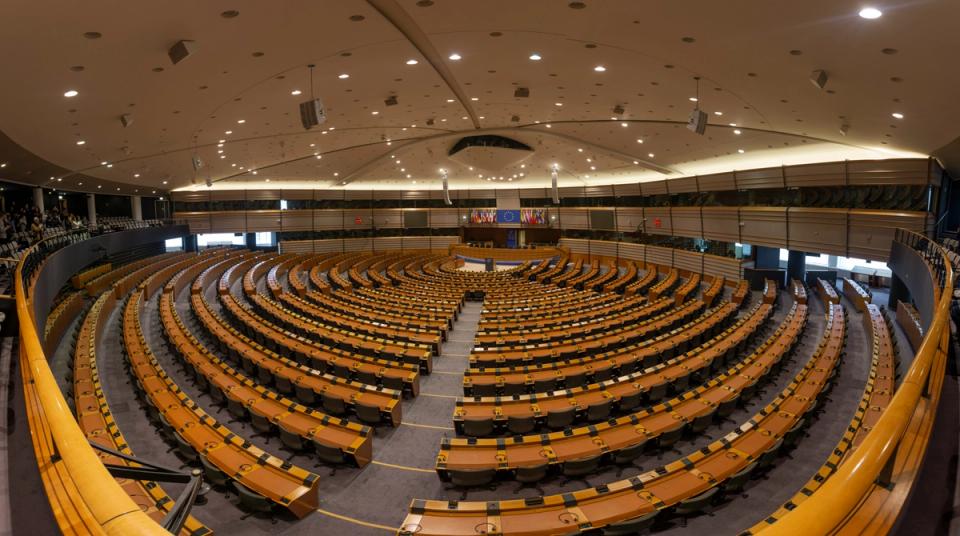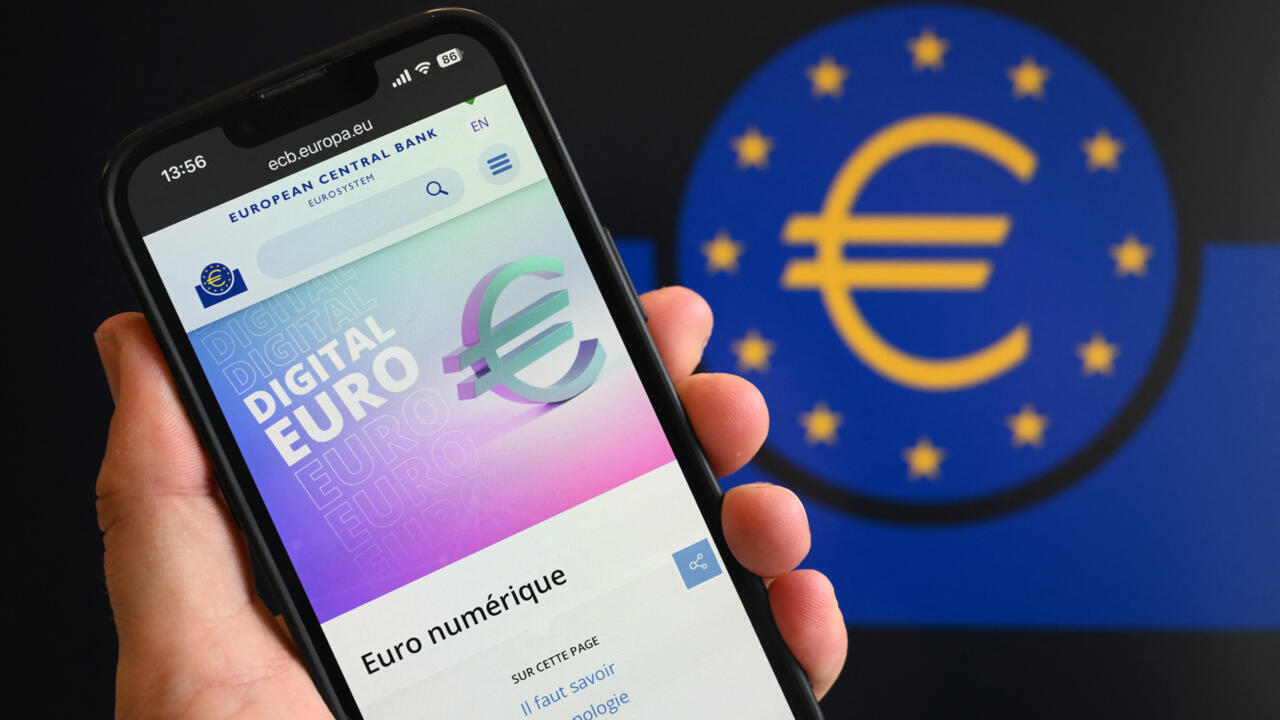
The European Parliament's Economic and Monetary Affairs Committee approved the long-awaited digital euro on Tuesday, as the EU seeks to reduce its reliance on US-controlled payment systems.
According to European Central Bank (ECB) data, US payment giants Visa and Mastercard account for 61% of card payments in the euro area and almost all cross-border card transactions.
The debate over Europe's financial sovereignty has gained momentum amid growing geopolitical tensions and concerns about the bloc's dependence on foreign payment infrastructure.
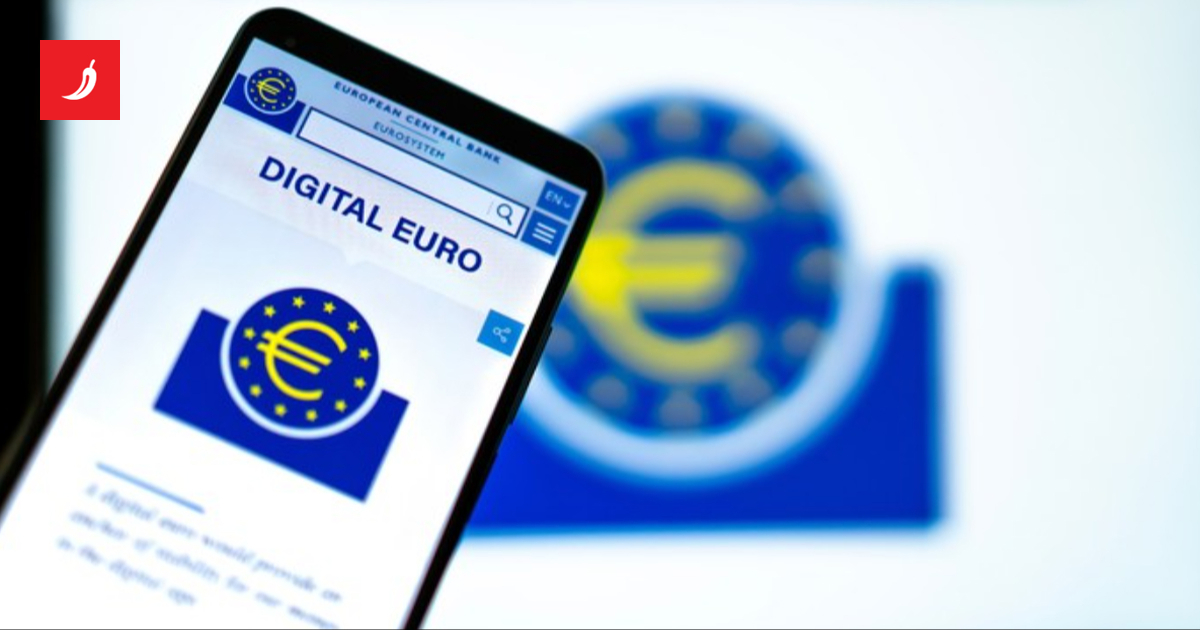
The digital euro is one of the measures put forward to strengthen Europe's strategic autonomy. It would be a digital form of central bank money, issued and backed by the ECB, designed to complement cash and existing banking services rather than replace them.
Under the proposal, consumers would be able to hold digital euros in a dedicated wallet, subject to a spending limit that has yet to be determined.