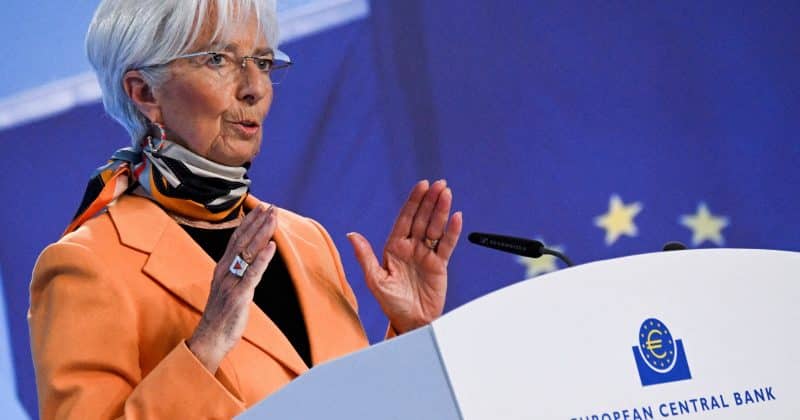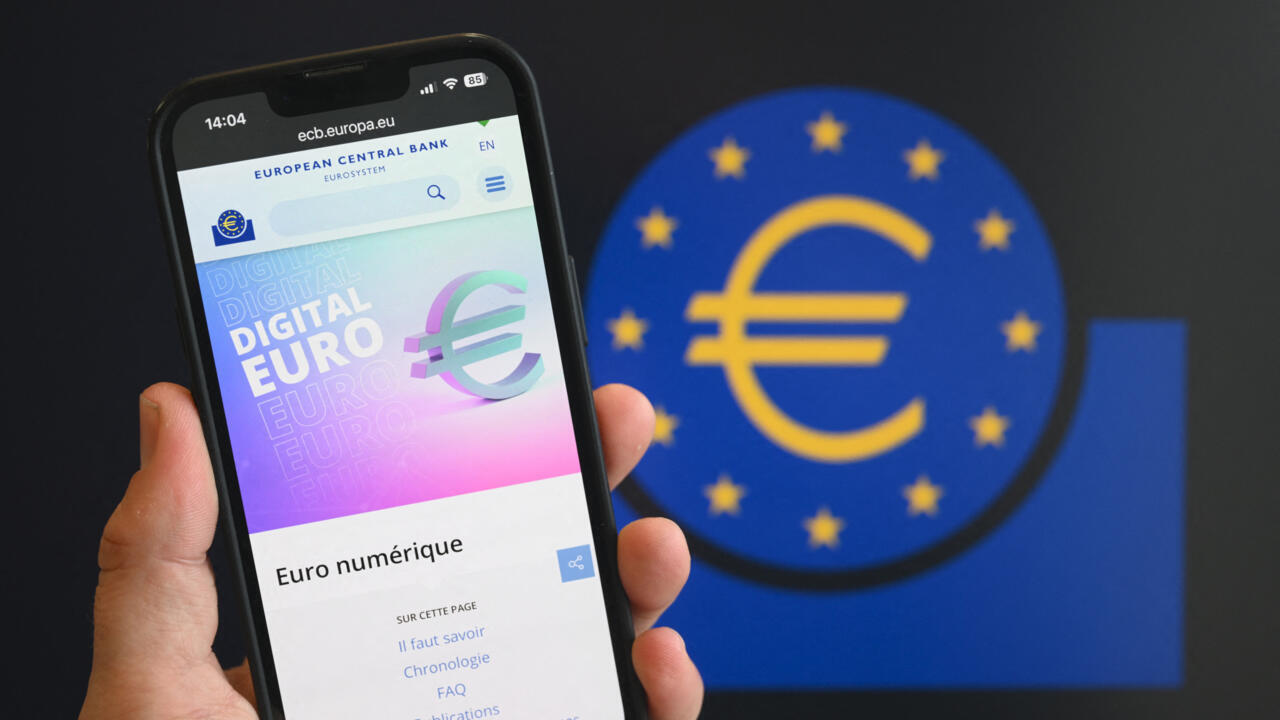
The European Central Bank secured key parliamentary backing on Tuesday for the launch of a digital euro, an electronic means of payments aimed at making the eurozone less reliant on US credit cards at a time of fraying transatlantic relationships.
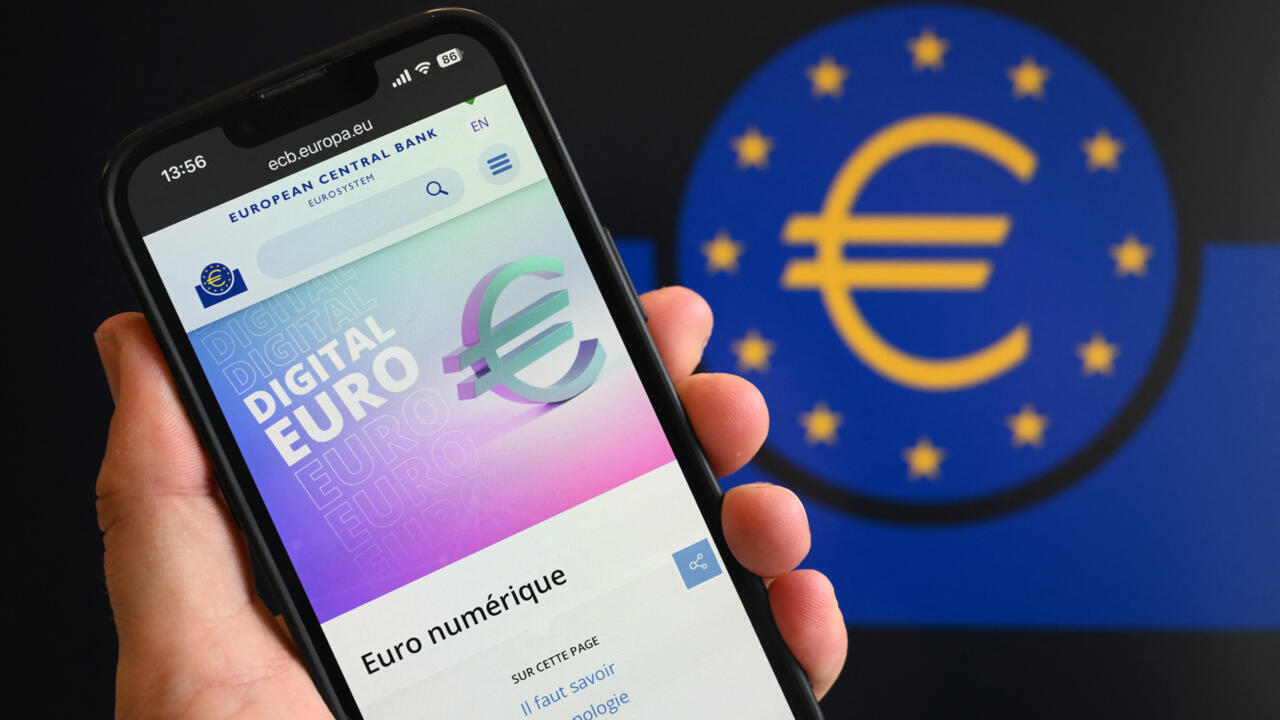
The digital euro, essentially an electronic wallet guaranteed by the central bank but marketed by banks or fintech companies, will allow all eurozone residents to make payments online and in person.
Six years in the making, the ECB’s digital cash has become a more pressing issue since Donald Trump returned to the White House, slapping tariffs on even established trade partners such as the European Union and raising fears that the US could one day weaponize its dominance over payment networks like Visa and Mastercard.
The approval of draft rules by the economic committee of the European Parliament comes after three years of wrangling between the ECB and banks, which have been concerned about deposit outflows and lost revenues and sought to limit the scope of the project.
“The introduction of the digital euro would … reduce overreliance on non-European providers by becoming a pan-European means of payment and would bring the single currency into the digital era by giving Union citizens the freedom to opt to pay with central bank money in their daily transactions,” the draft regulation says.