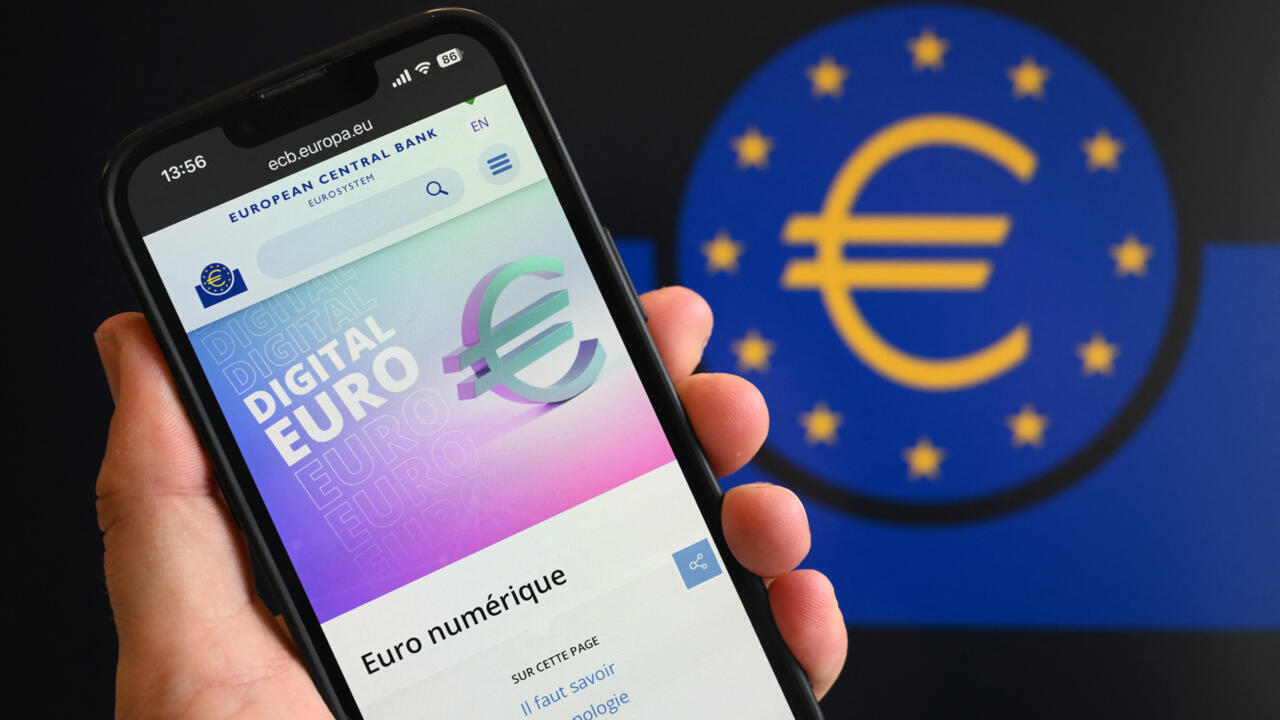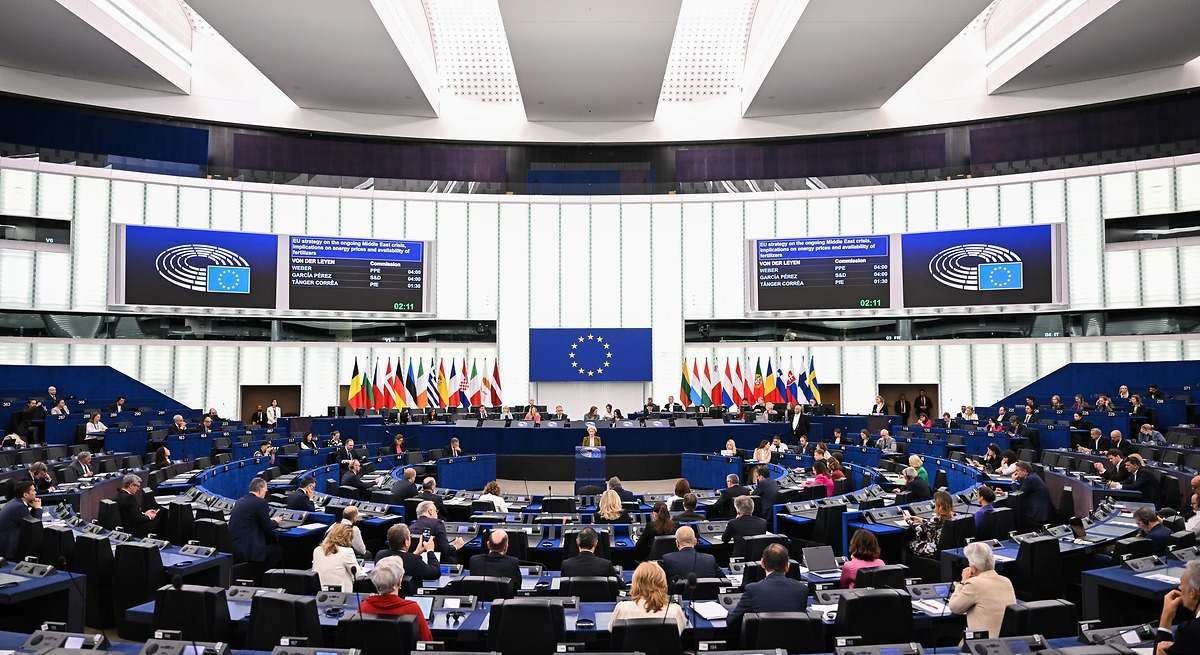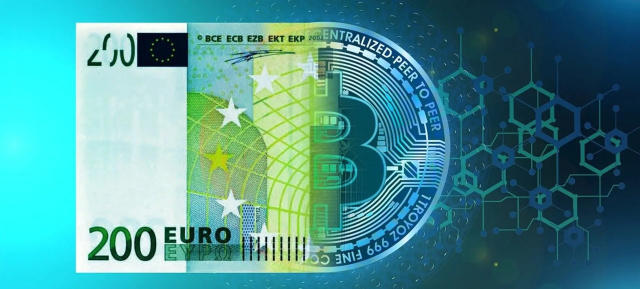
THE BIG PICTURE: The European Parliament's Committee on Economic and Monetary Affairs has approved the establishment of the digital euro by a vote of 43 to 14. The digital version of the European currency is designed to facilitate fast, secure, and private transactions across the eurozone while reducing reliance on US payment network giants Visa and Mastercard.
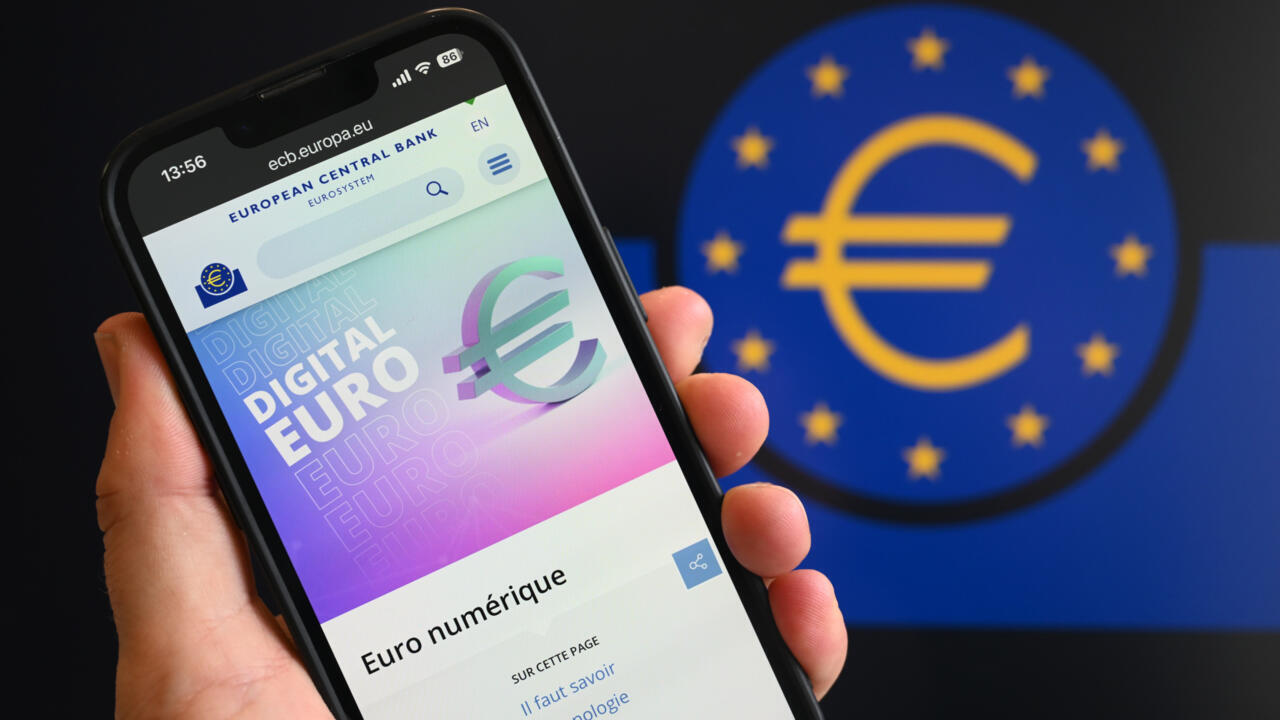
The European Parliament said the digital euro can be used to make both online and offline payments to merchants across Europe. Online payments would be processed through an account-based system, while offline payments would function more like cash, with transactions conducted directly via local storage devices such as smartphones.
The EU emphasized that the digital euro has been designed with a strong focus on privacy, using encryption and privacy-preserving technologies such as "zero-knowledge proofs." The authentication protocol is expected to allow transactions to be verified without exposing personal data to either the merchant, the European Central Bank, or any government agency.
All businesses operating within the EU, regardless of size, will be required to accept digital euro payments, with exceptions for "micro enterprises" that do not already accept other forms of digital payments.