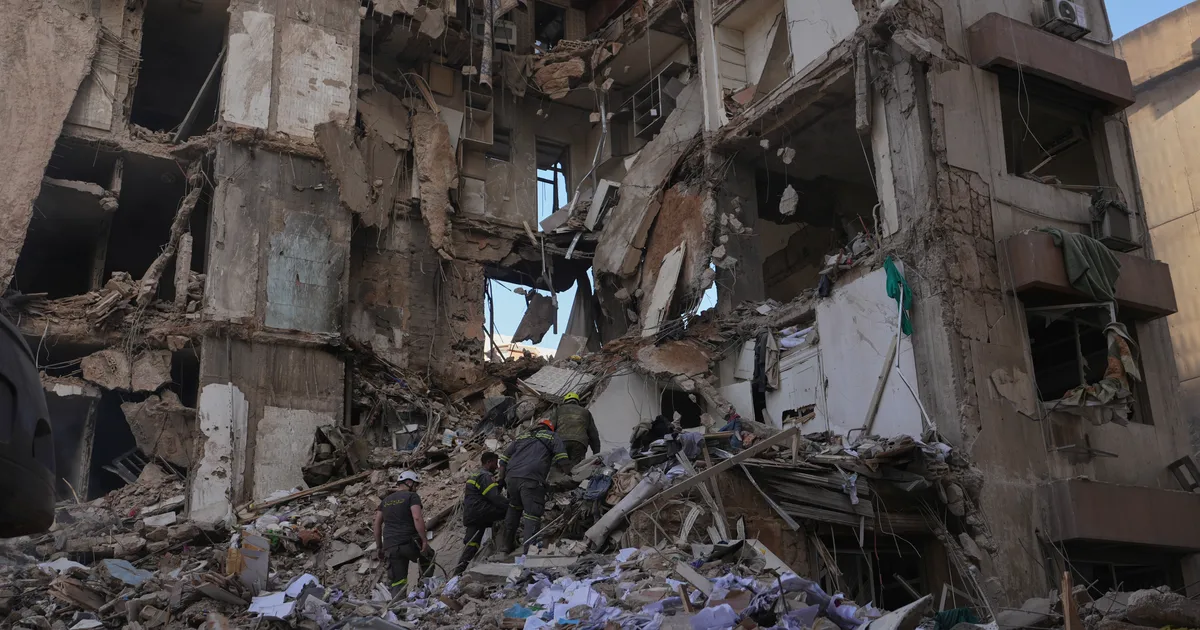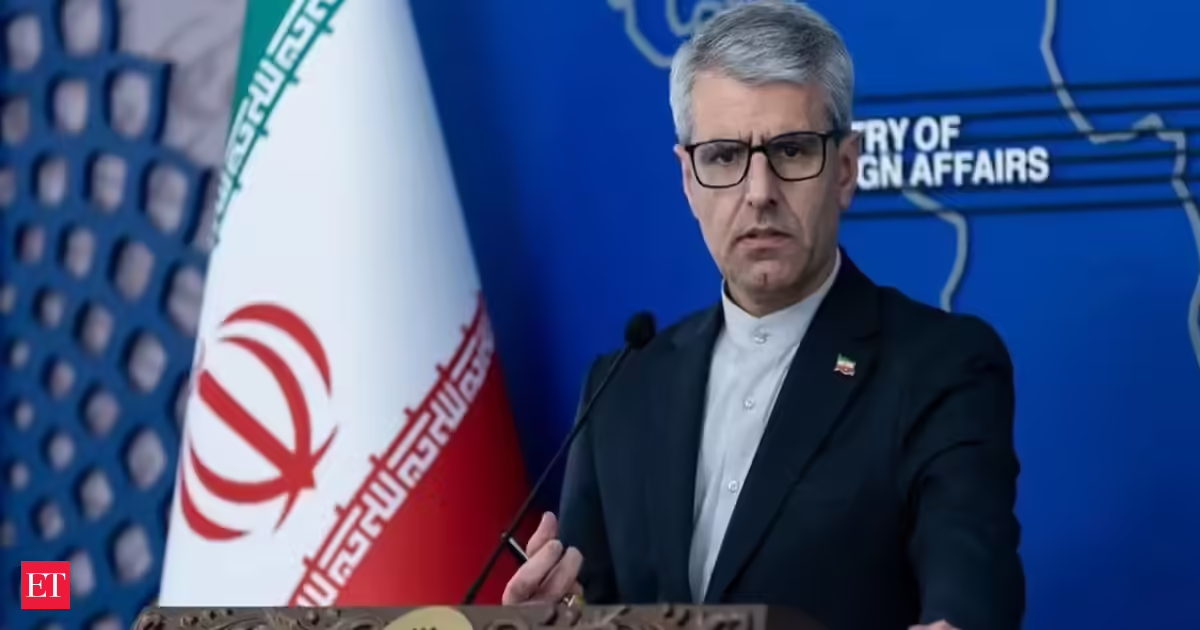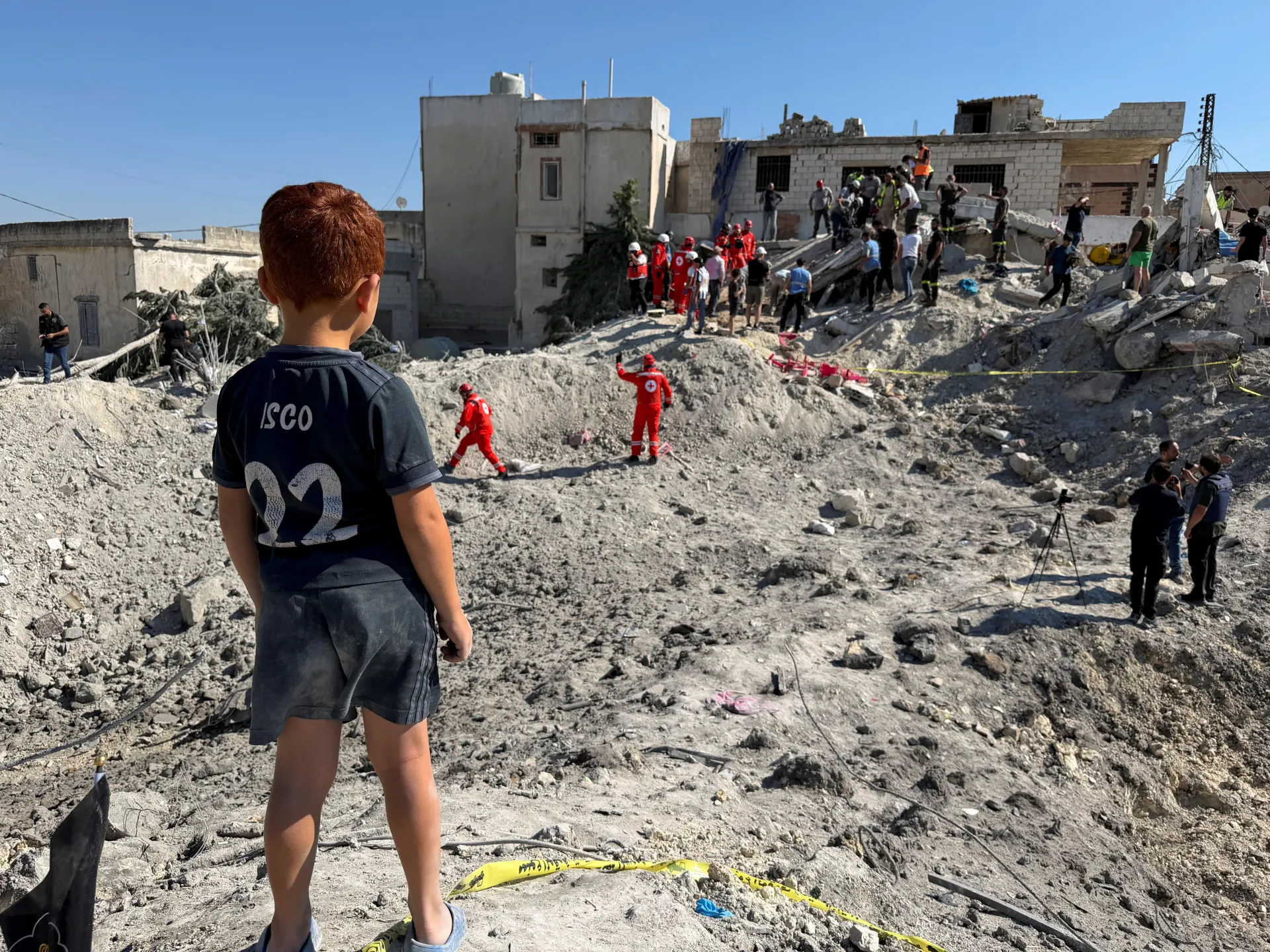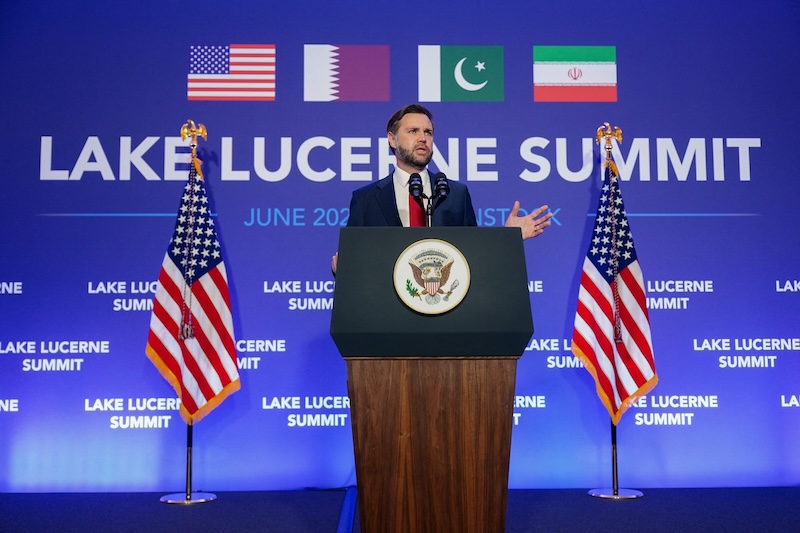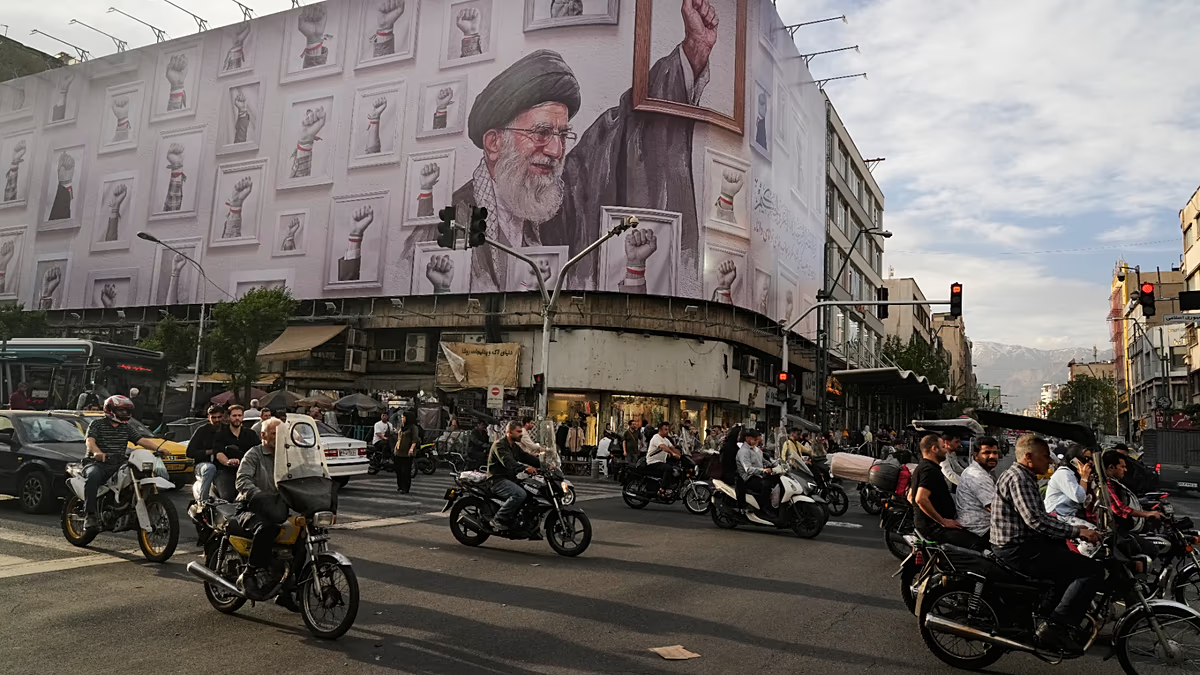
Within hours after the US-Iran negotiations concluded in Switzerland, Iran’s leadership moved to contradict Washington on multiple points, including nuclear watchdog inspections, unfreezing funds and lifting sanctions, and Israel’s offensive against Hezbollah in Lebanon, while cautiously operating within the signed framework deal — or at least Tehran's interpretation of it.
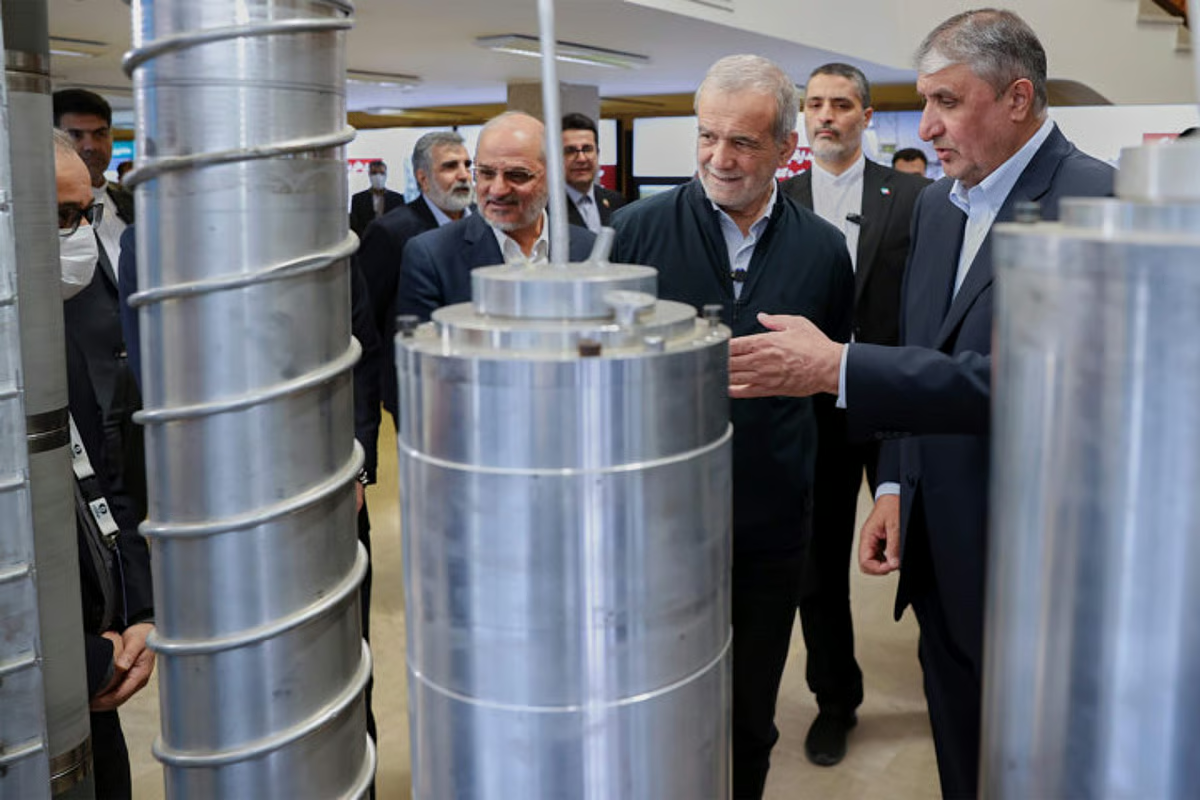
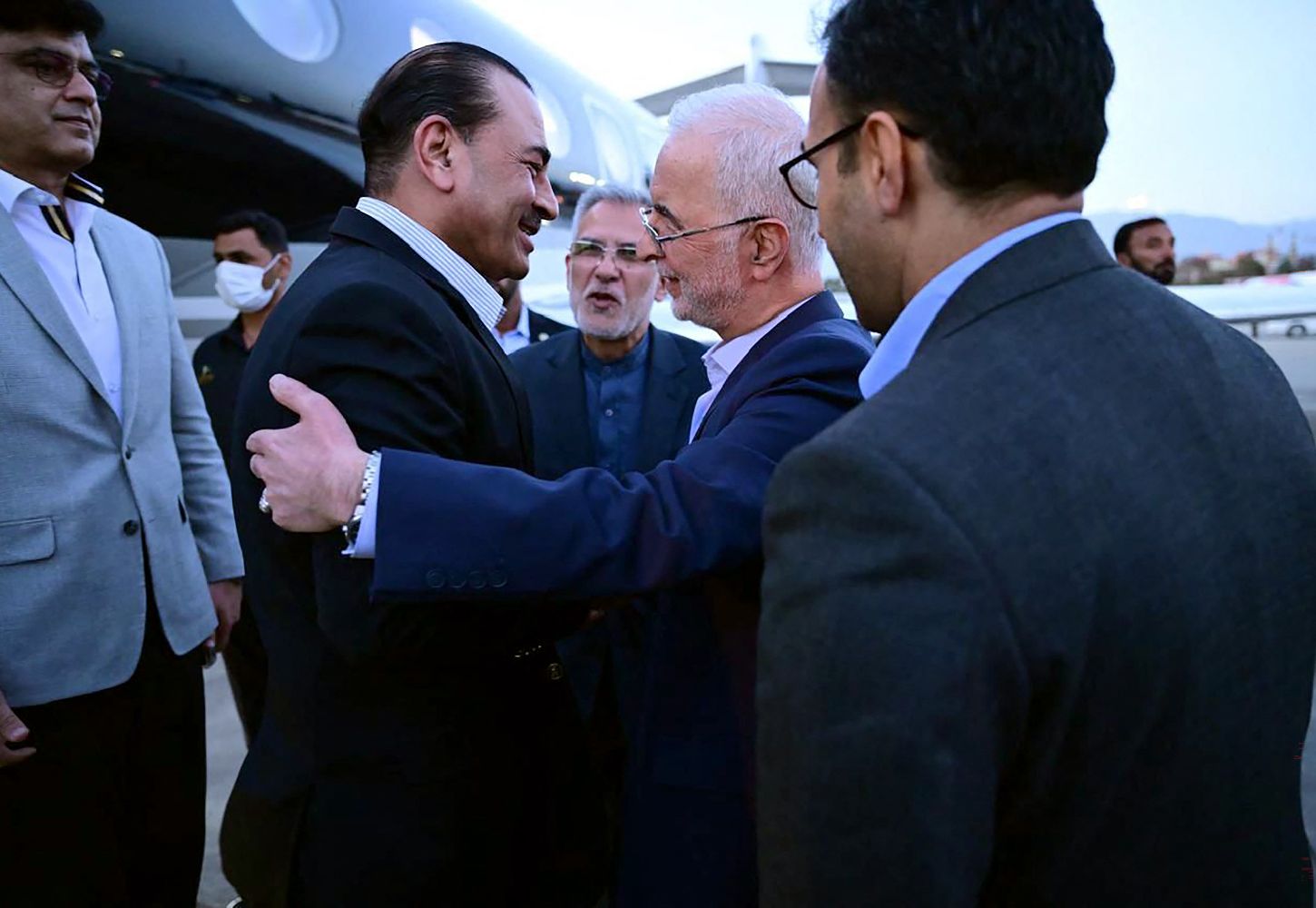
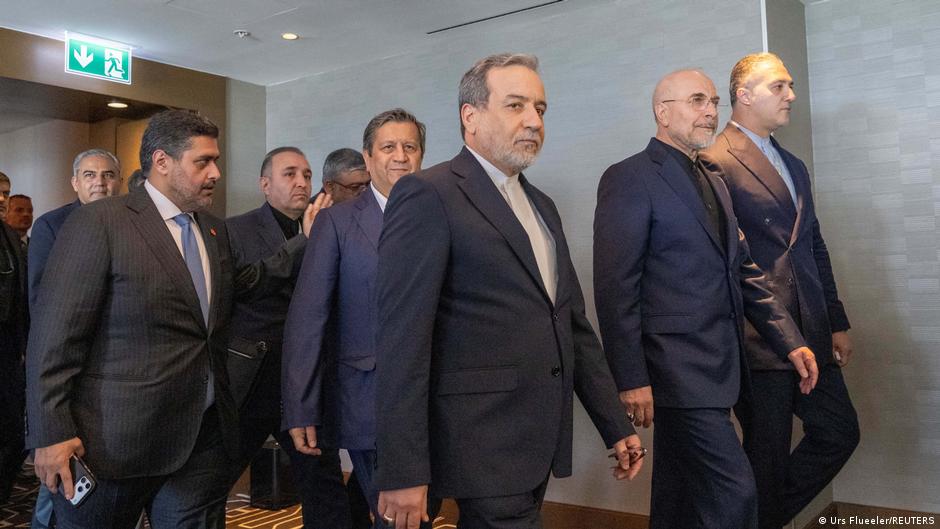
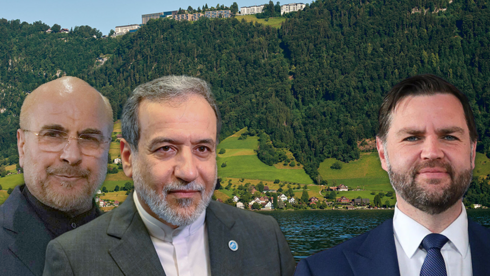
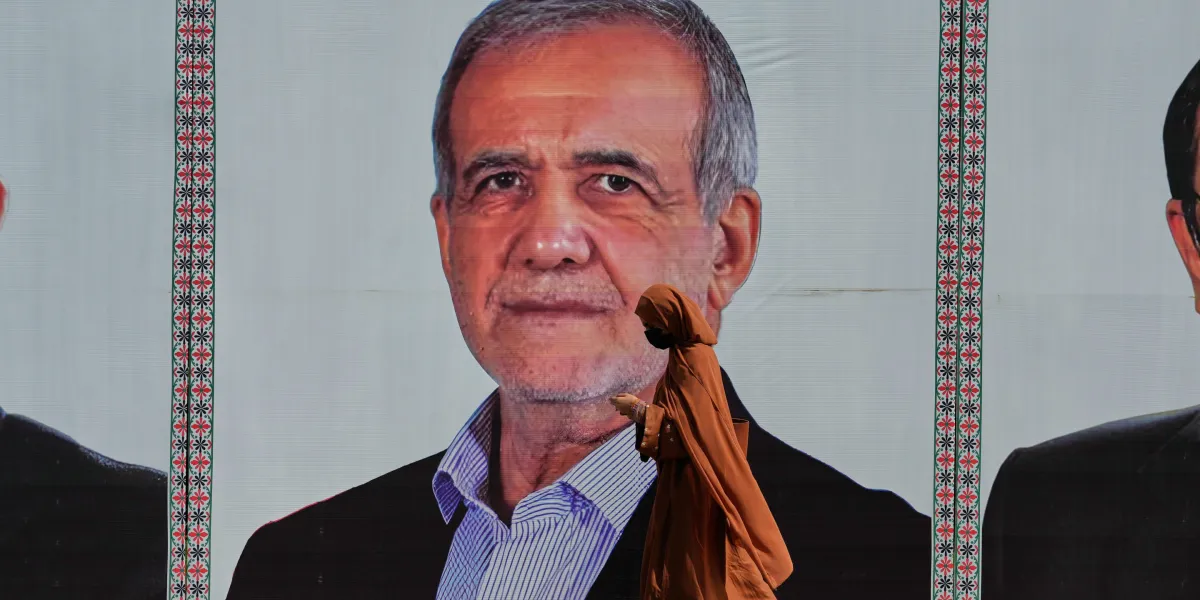
At the same time, Iran’s leaders have moved fast with their own rapid-fire diplomatic engagements, with Iran’s President Masoud Pezeshkian travelling to mediator Pakistan, while Iran’s chief negotiators — parliament speaker Mohammad Bagher Ghalibaf and Foreign Minister Abbas Araghchi — went to Oman for talks on what they called the joint management of the Strait of Hormuz.
Before departing Tehran, Pezeshkian said progress would depend on the "precise implementation" of commitments undertaken by all parties and warned against interpretations that go beyond the agreed text.
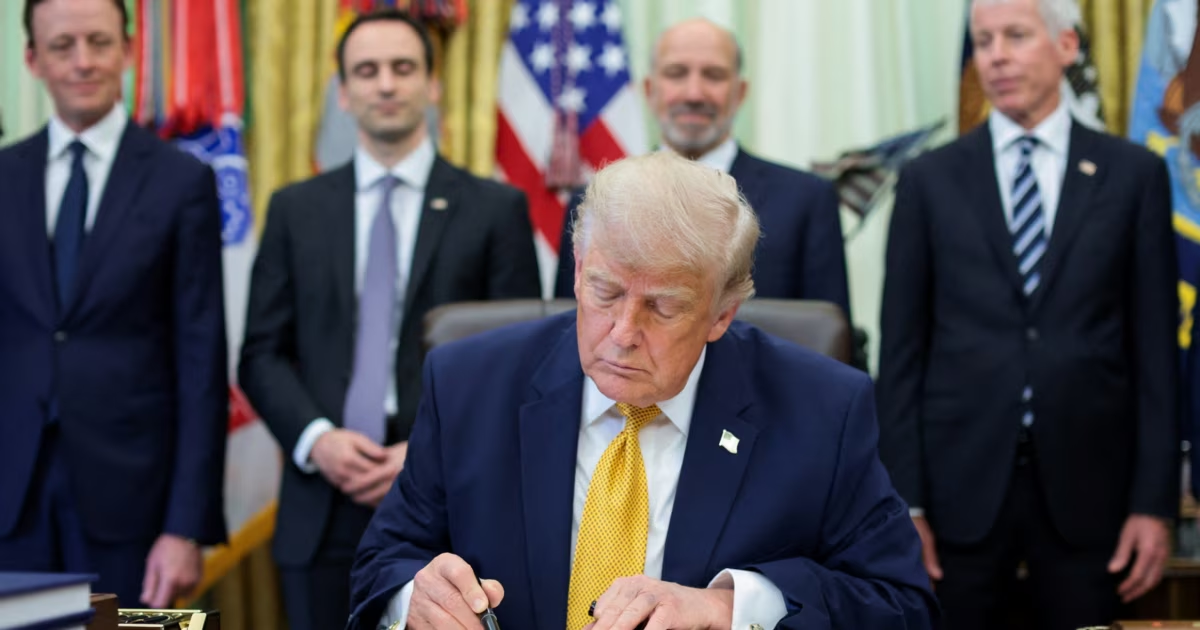
Iran and the US have begun implementing their recently agreed memorandum of understanding — marking the start of a 60-day diplomatic process aimed at reaching a permanent deal to end the Iran war — by establishing a joint oversight mechanism and four specialised working groups, despite major disagreements now surfacing.