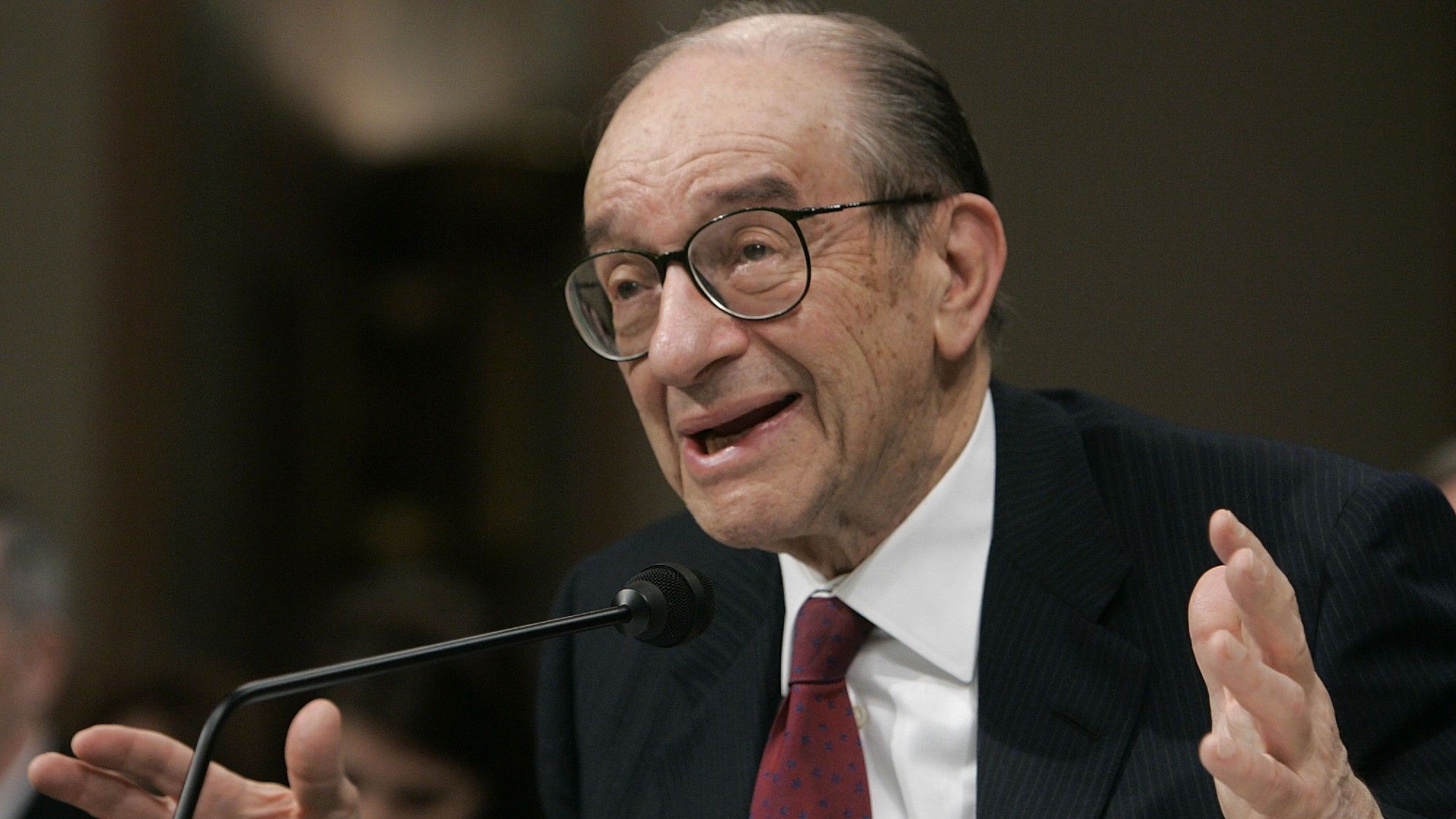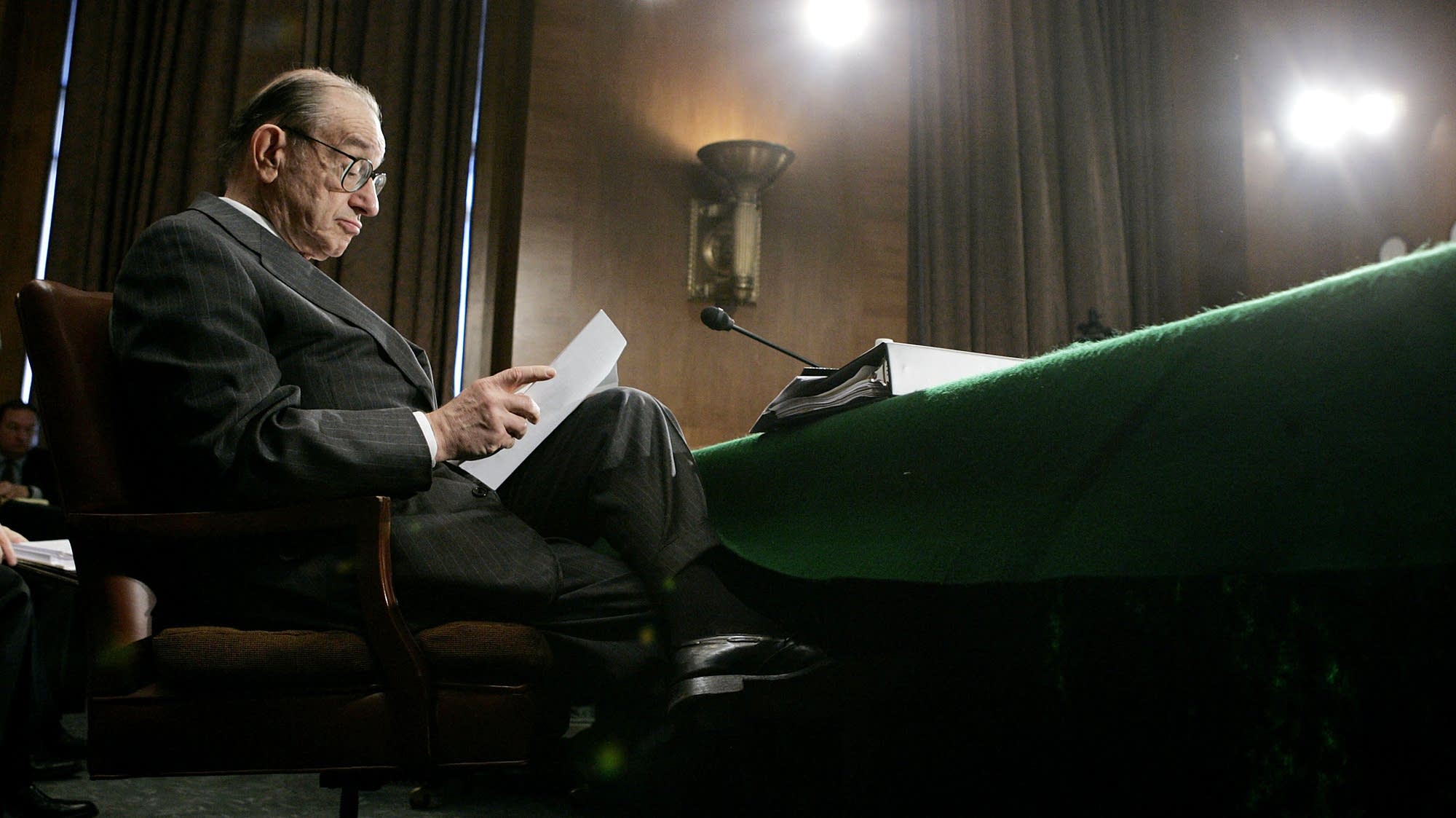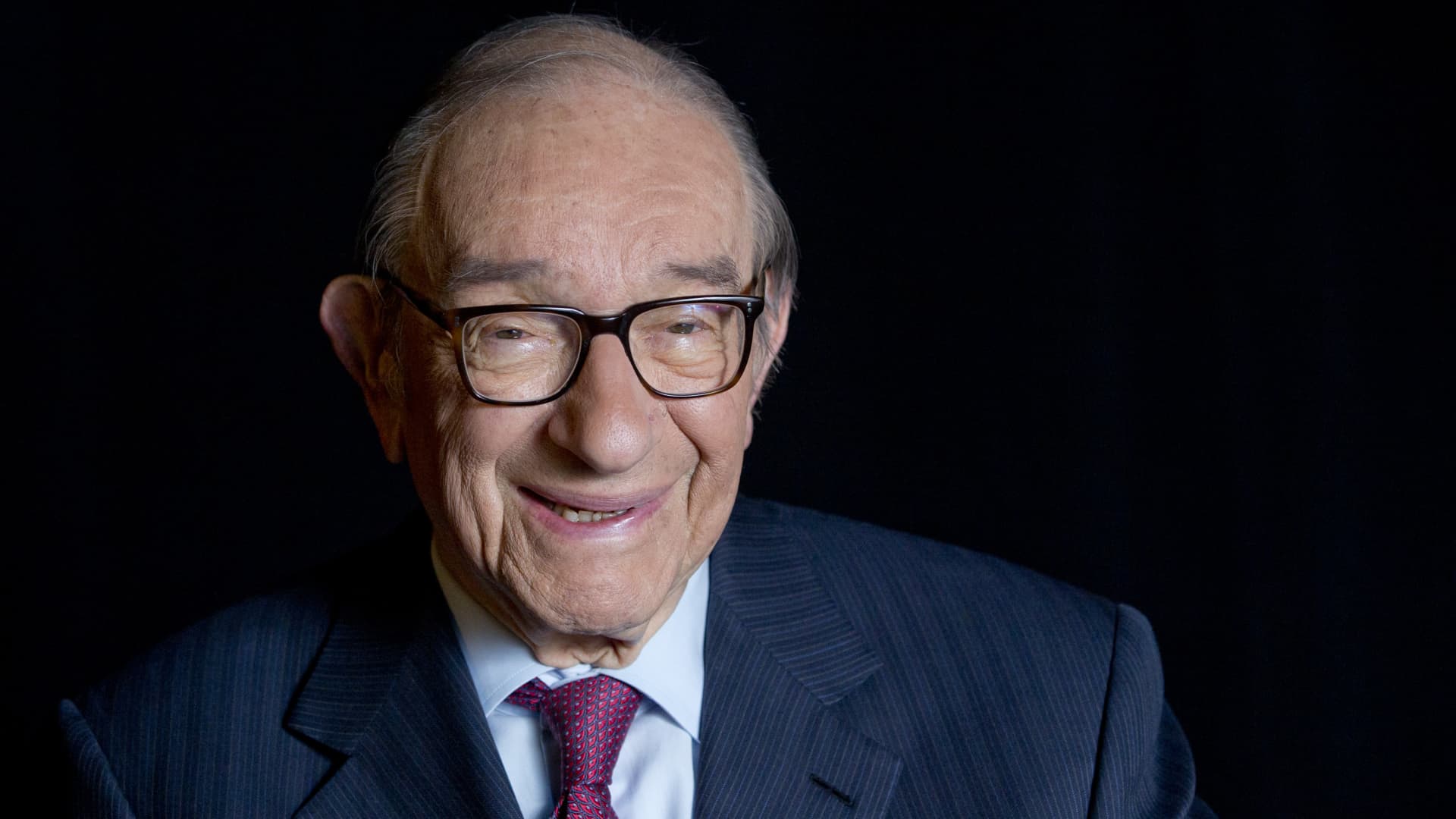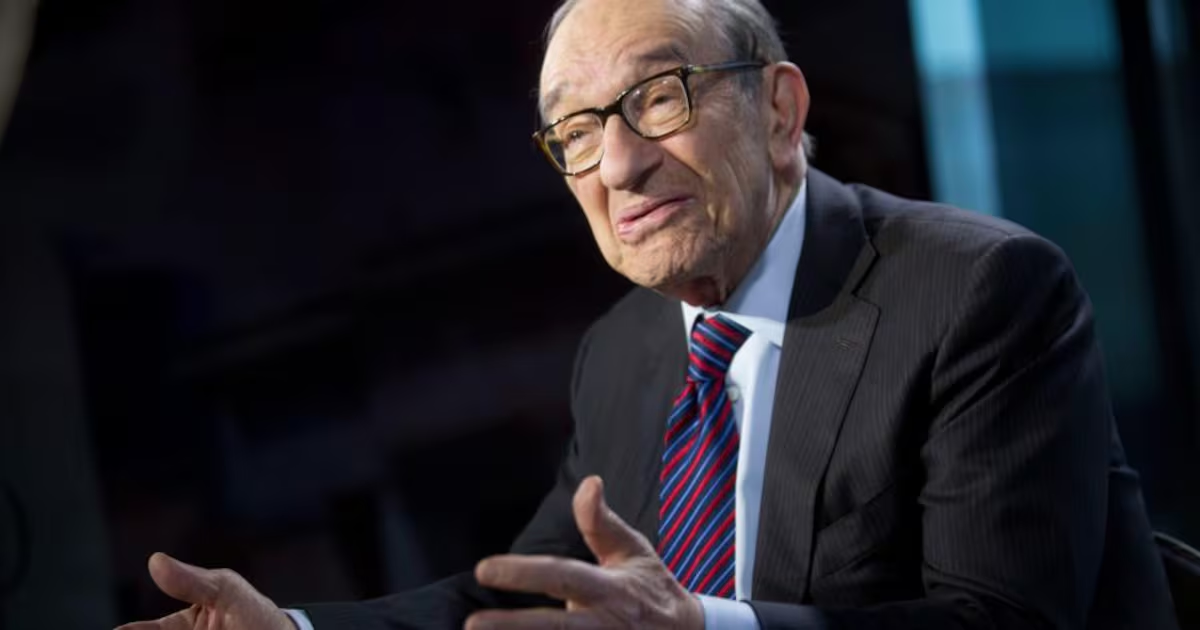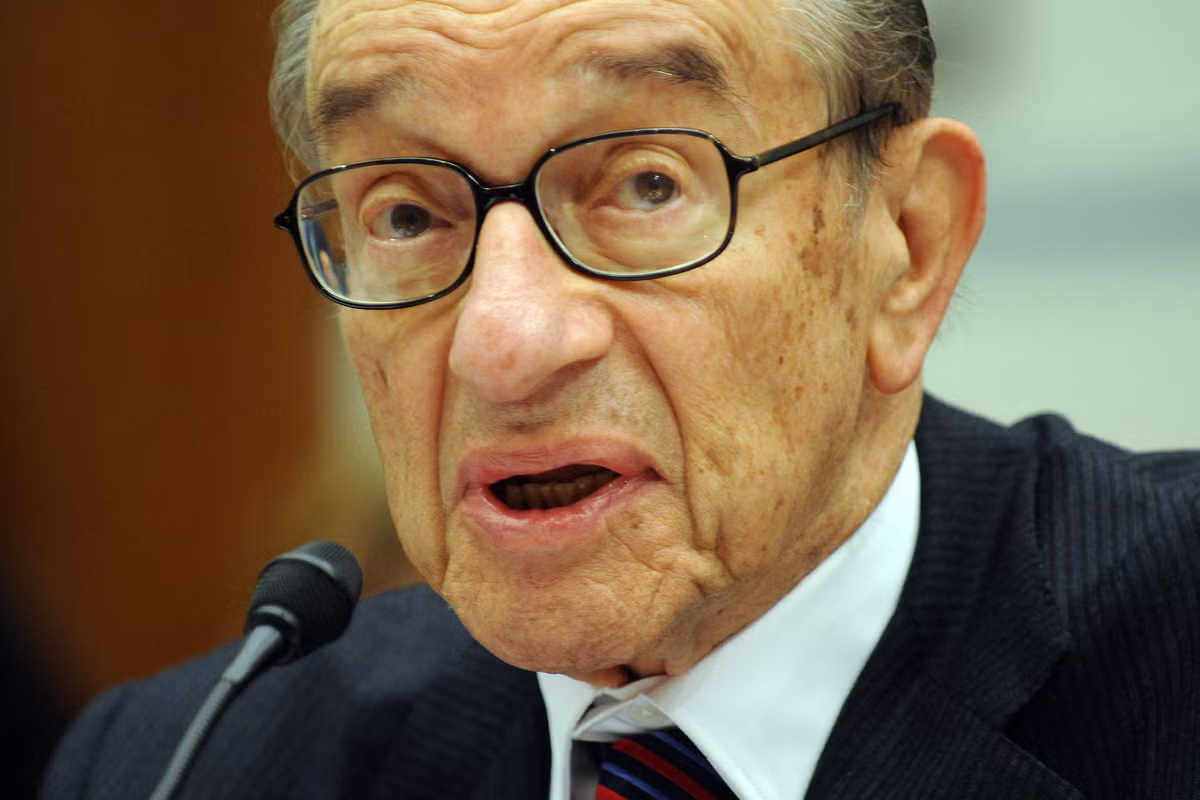
Alan Greenspan, the longest-serving Federal Reserve Chair of the modern era, died on June 22, 2026, at the age of 100. His passing has done something that economic textbooks never quite managed: it forced Wall Street to reckon, publicly and loudly, with the ghost of a policy that may never have formally existed.
The “Greenspan put,” the belief that the Fed will swoop in to rescue falling markets by cutting rates or flooding the system with liquidity, is back at the center of a heated debate among economists, traders, and policymakers. And the timing could not be more awkward, given that high inflation has effectively tied the Fed’s hands.
The put that wasn’t (but kind of was)
The idea traces back to the stock market crash of October 19, 1987, when the Dow plunged more than 22% in a single session. Greenspan, who had been Fed Chair for barely two months, responded by flooding markets with liquidity and signaling the central bank stood ready to act. Markets stabilized. A legend was born.
Over the next 18 years at the helm, Greenspan repeated some version of this playbook during multiple crises. Each intervention reinforced the perception that there was a floor under asset prices, a put option written by the most powerful central bank on Earth. In financial parlance, a “put” is a contract that protects the holder from losses below a certain price. The Greenspan put was the market’s collective belief that the Fed would provide exactly that kind of protection, just without the actual contract.