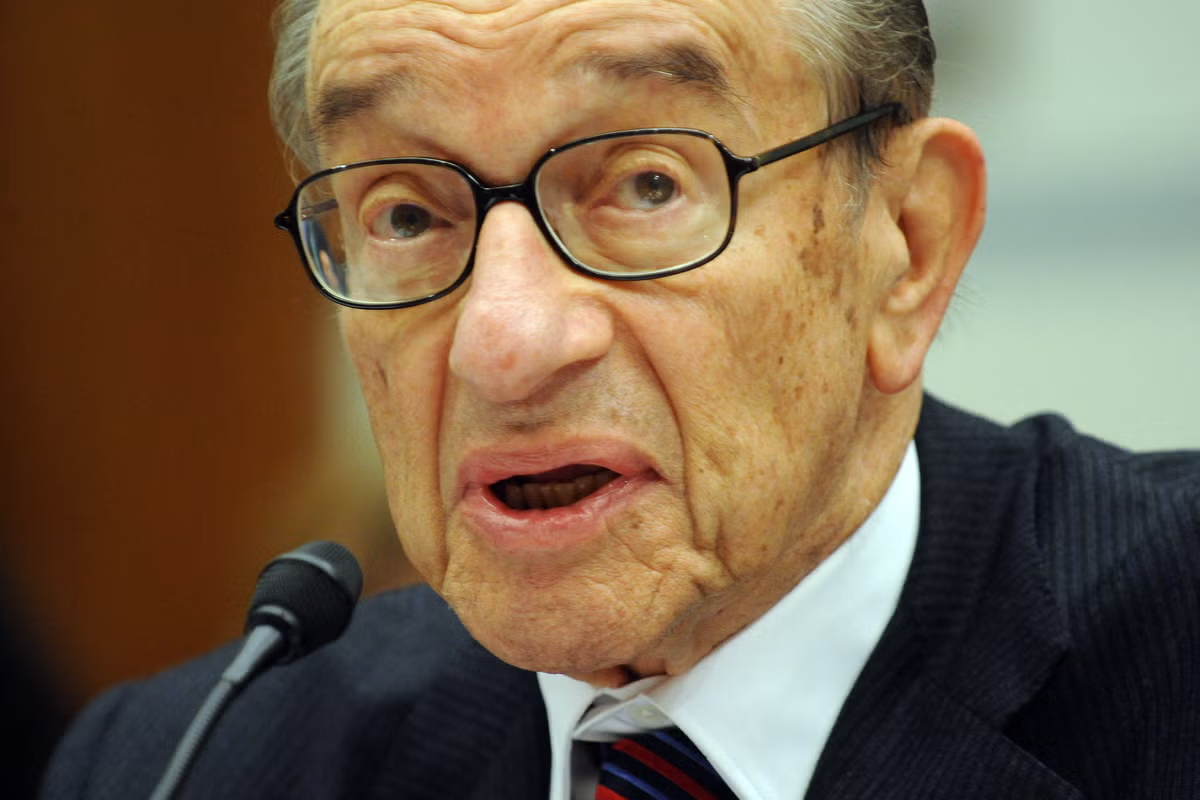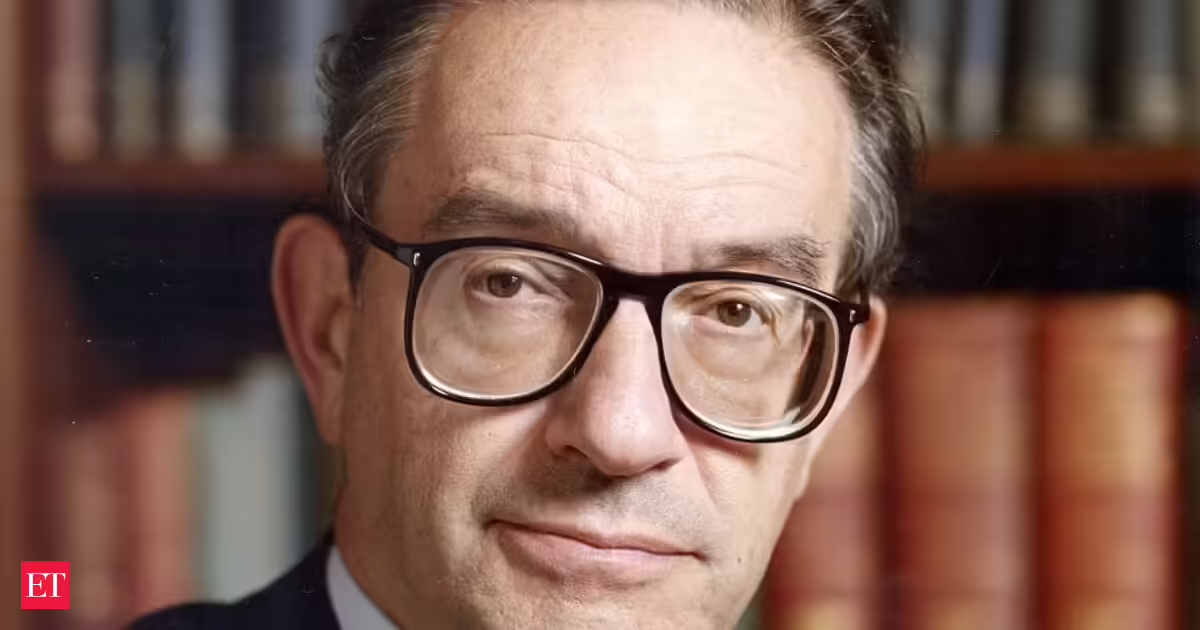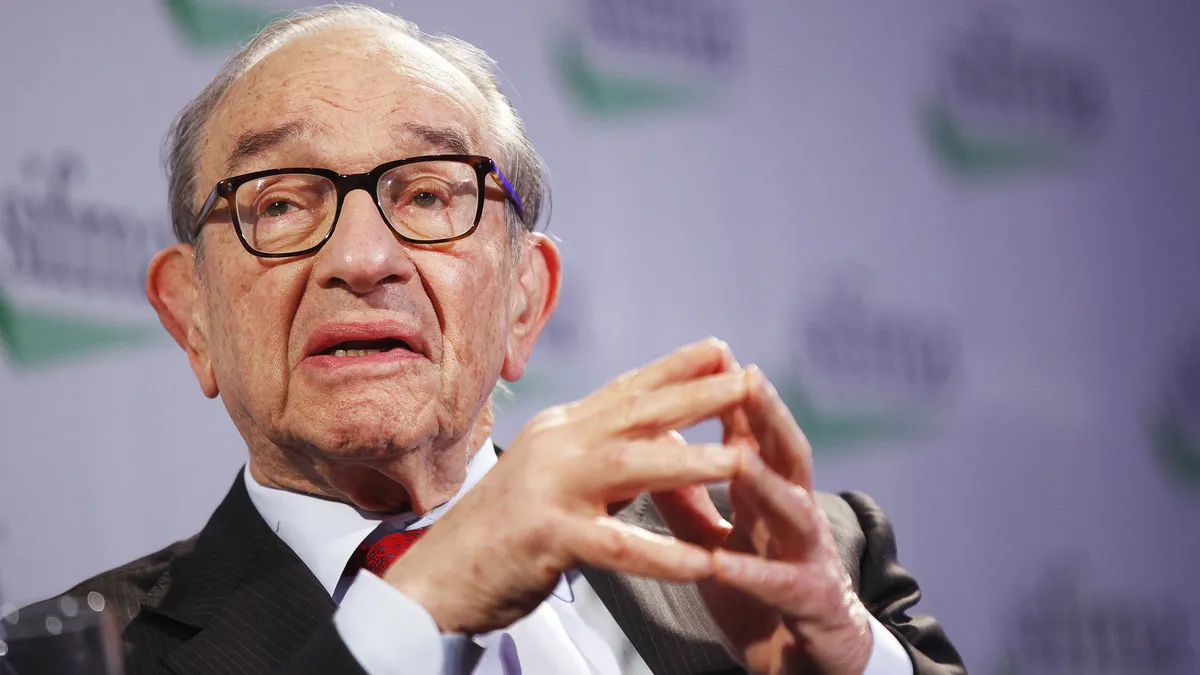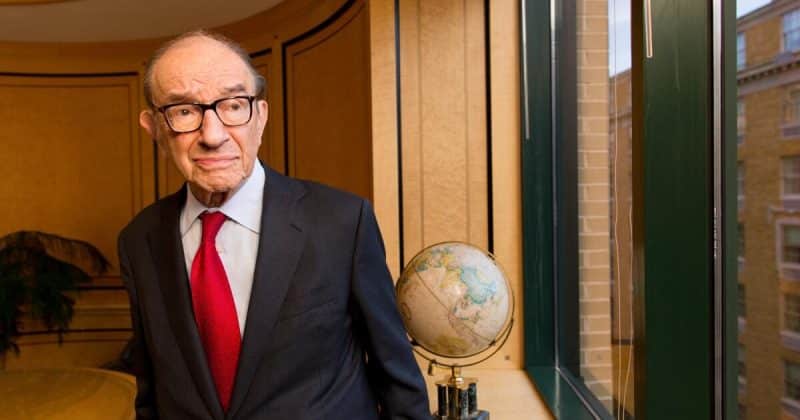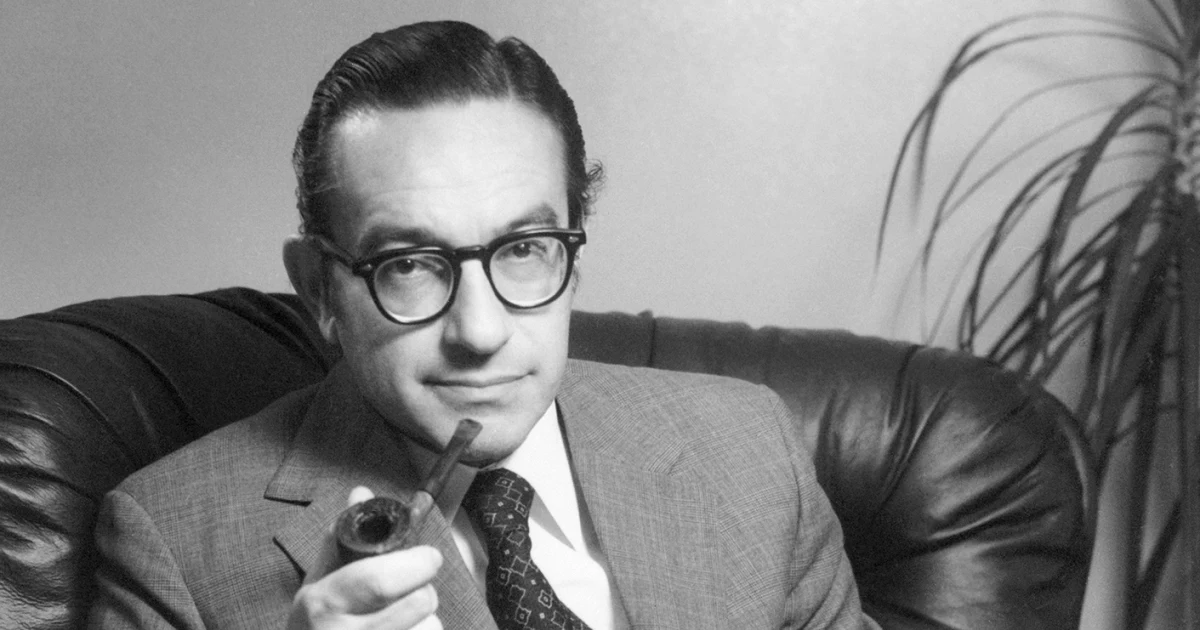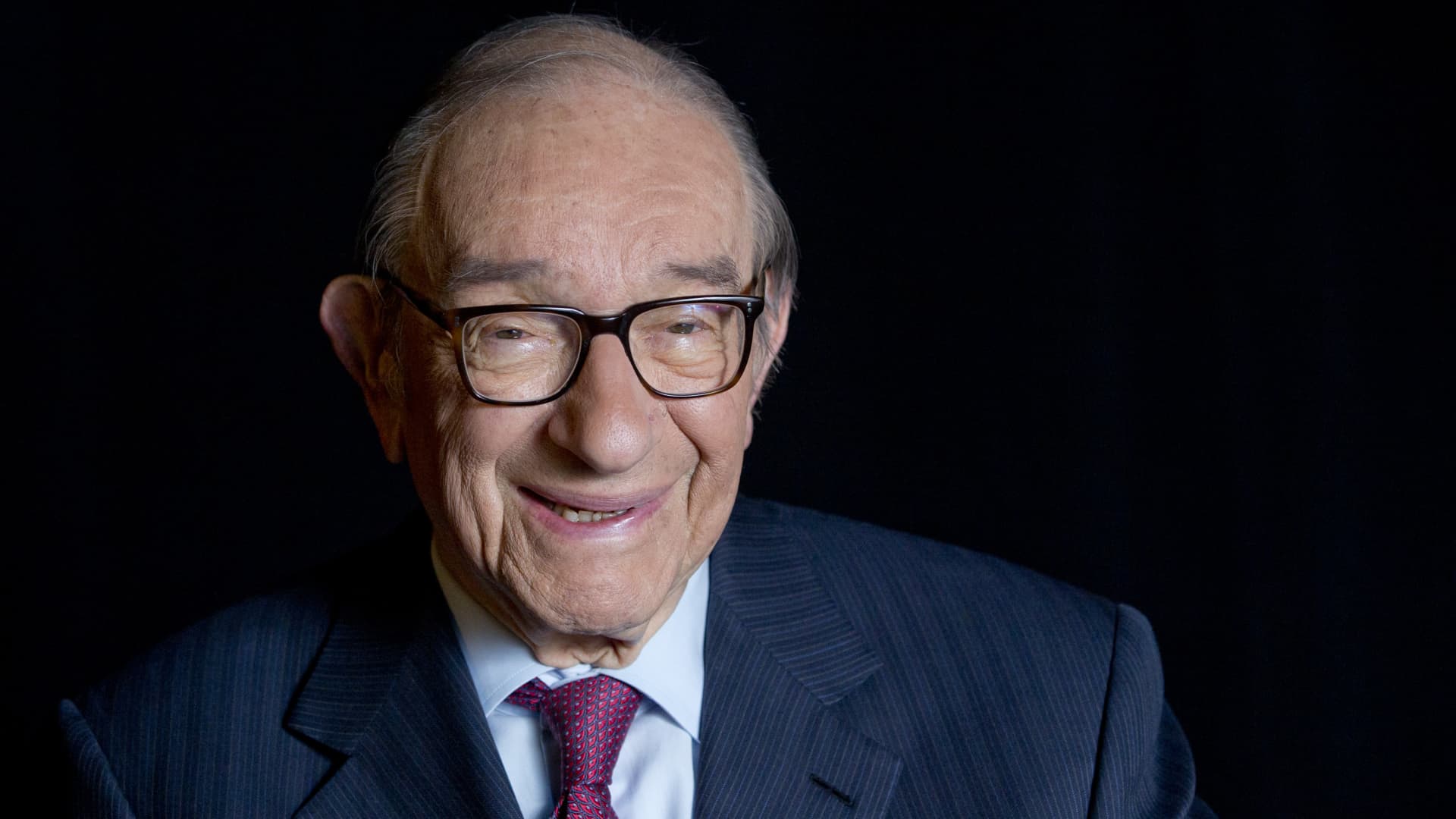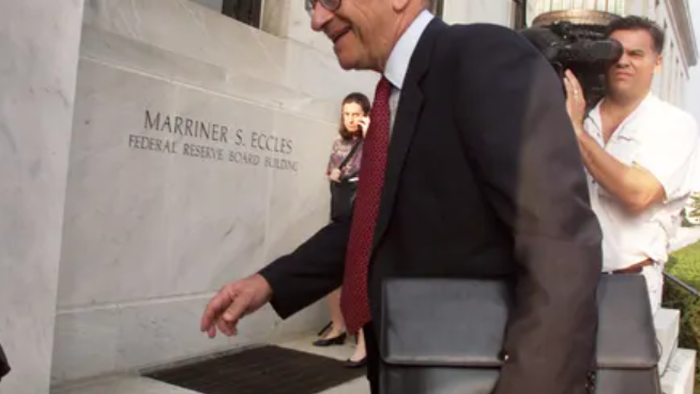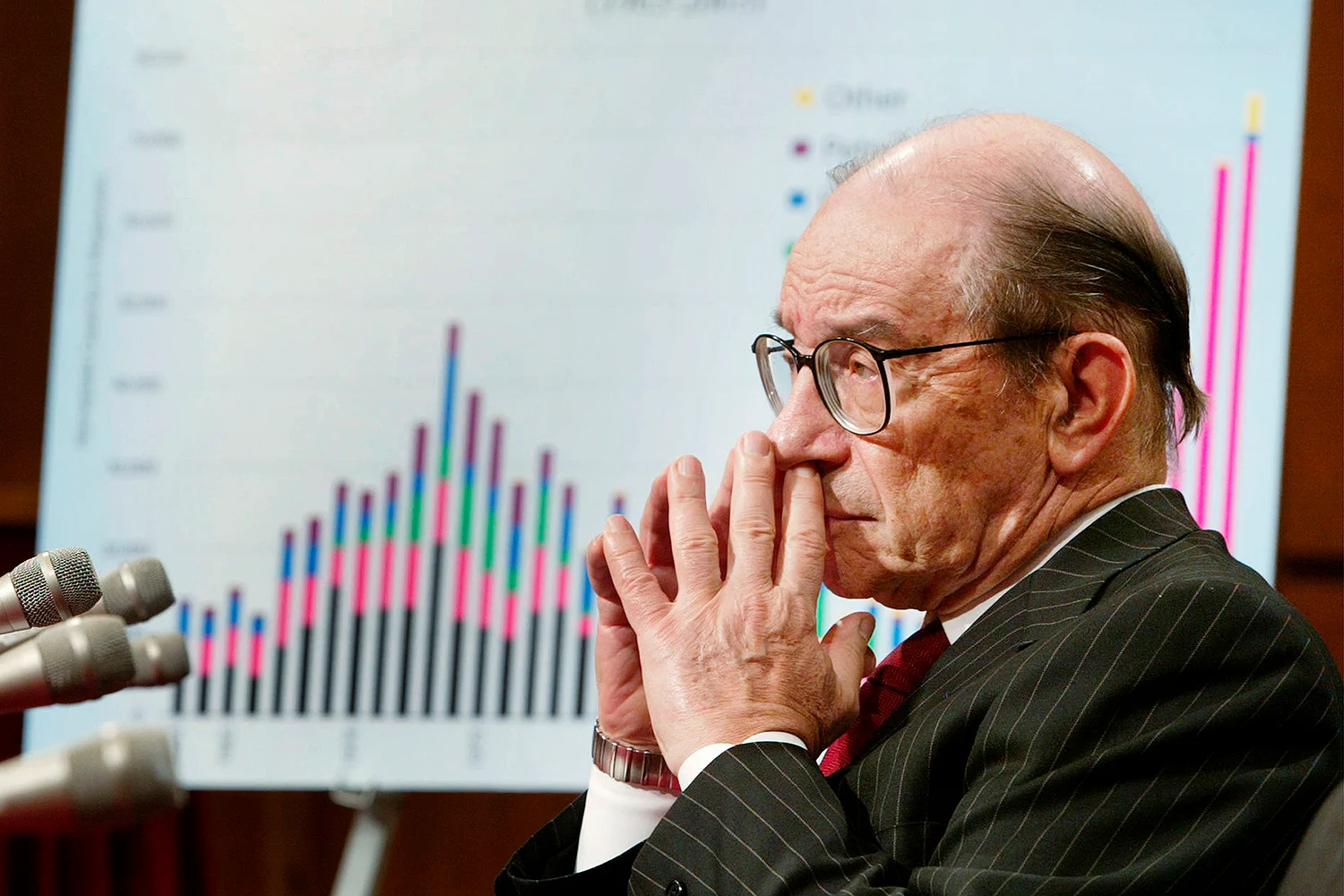
Alan Greenspan was one of the most influential—and controversial—U.S. Federal Reserve chairs to ever serve in that position. He died on Monday at age 100 from complications of Parkinson’s disease, according to his wife, NBC News correspondent Andrea Mitchell.
During his more than 18 years leading the Fed, from 1987 to 2006, Greenspan was both lionized and demonized. For much of his tenure, he was viewed as the maestro of the 1990s economic boom, an economist with an almost preternatural feel for tweaking interest rates. (Washington Post legend Bob Woodward, no hagiographer, even wrote a 2000 book about Greenspan titled Maestro.)
But after the 2008 financial crash, many legislators and experts blamed Greenspan for enabling rampant mortgage fraud while encouraging the broad deregulation of banking and finance. Along with other regulators in the Clinton administration, he had also pushed for repeal of the Glass-Steagall Act, created during the Great Depression to separate traditional banking from riskier investment banking.
In some ways, Greenspan may have been a victim of his own mythic success. “When it got established that Greenspan was the maestro and he was going to save markets when anything got scary, that in itself was extremely risk-producing,” Justin Fox, the former editorial director of Harvard Business Review, told Foreign Policy.