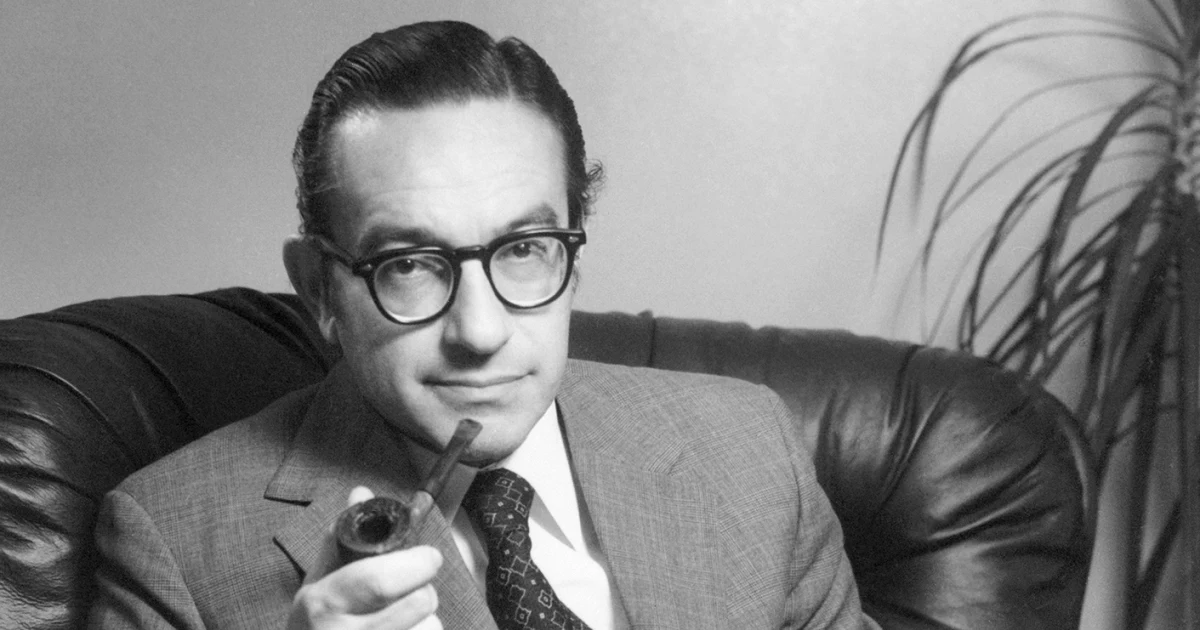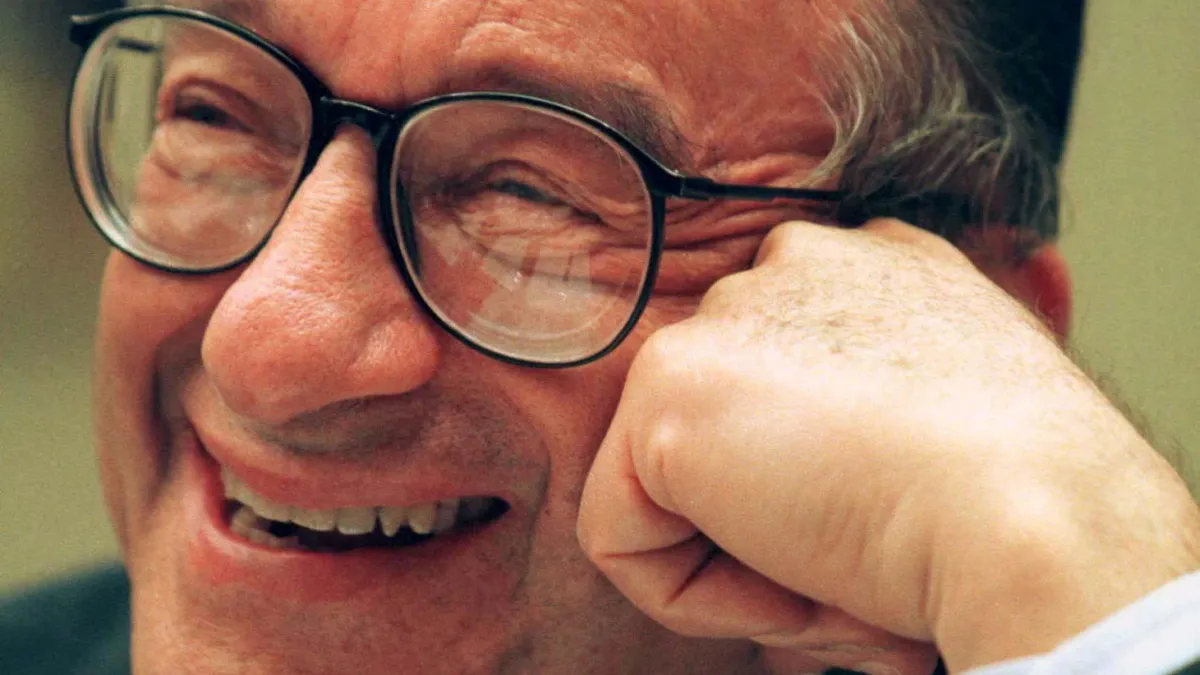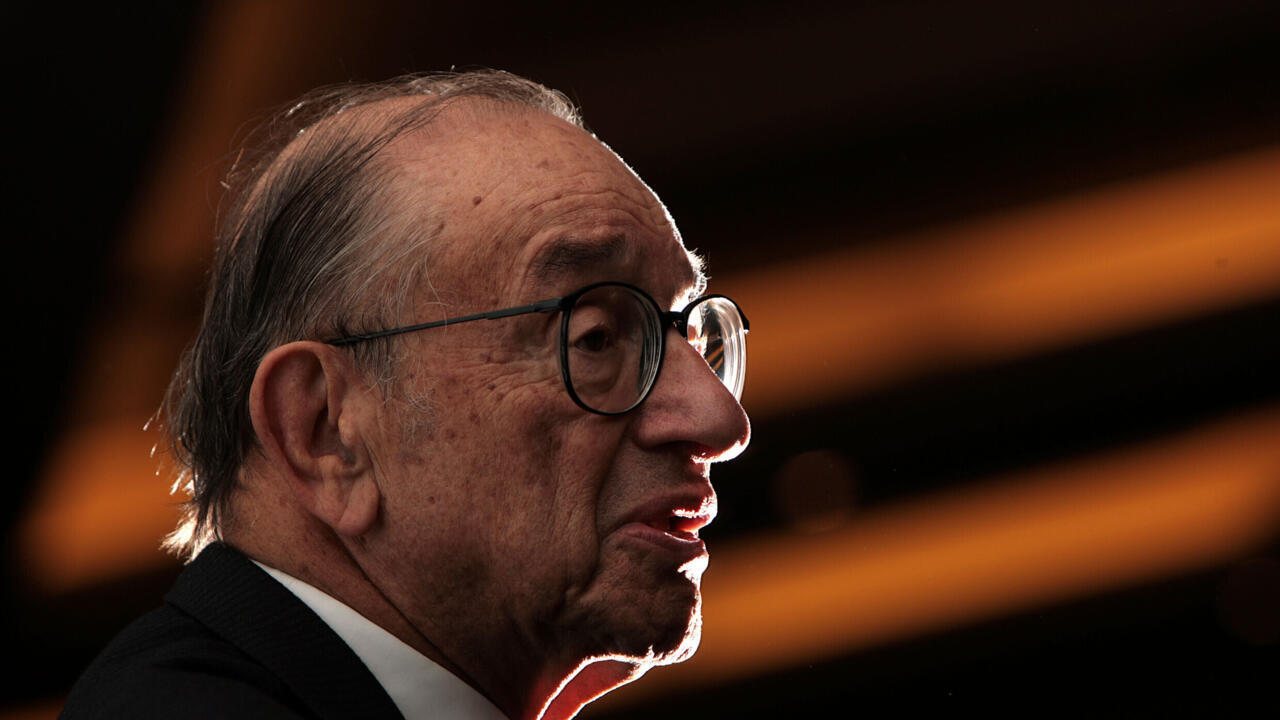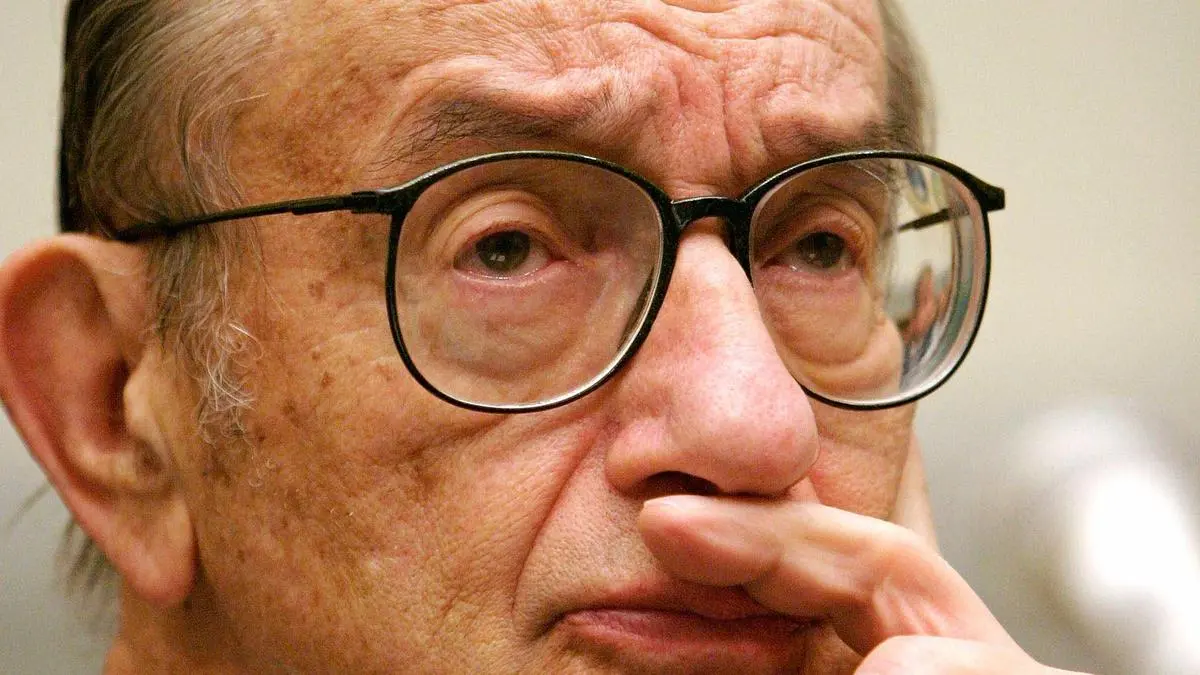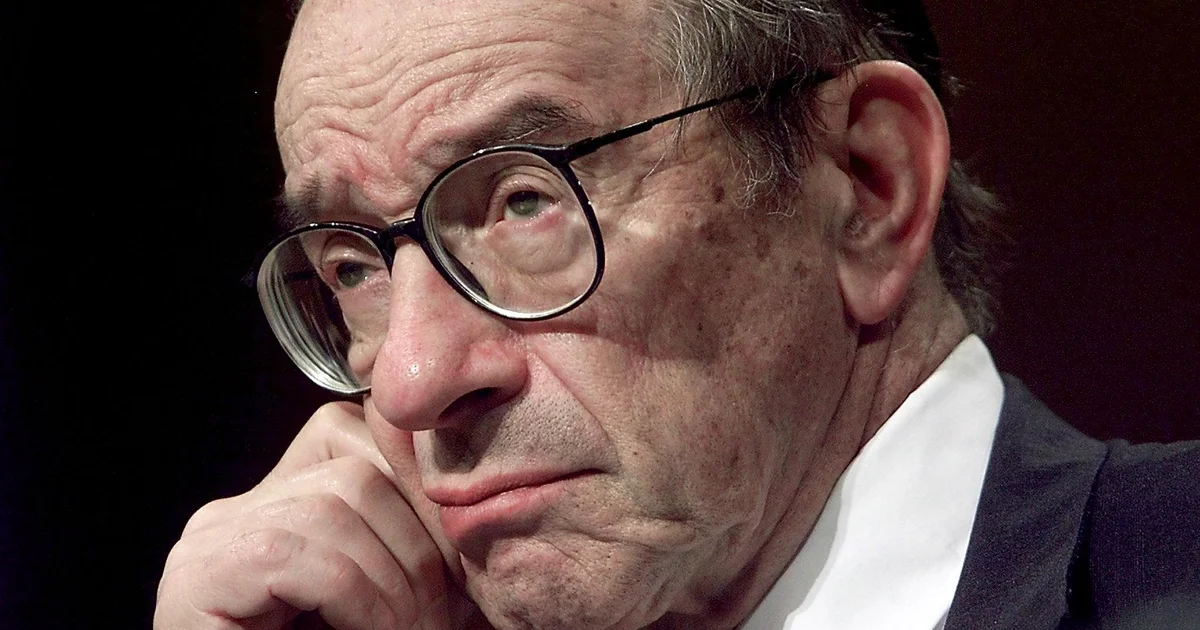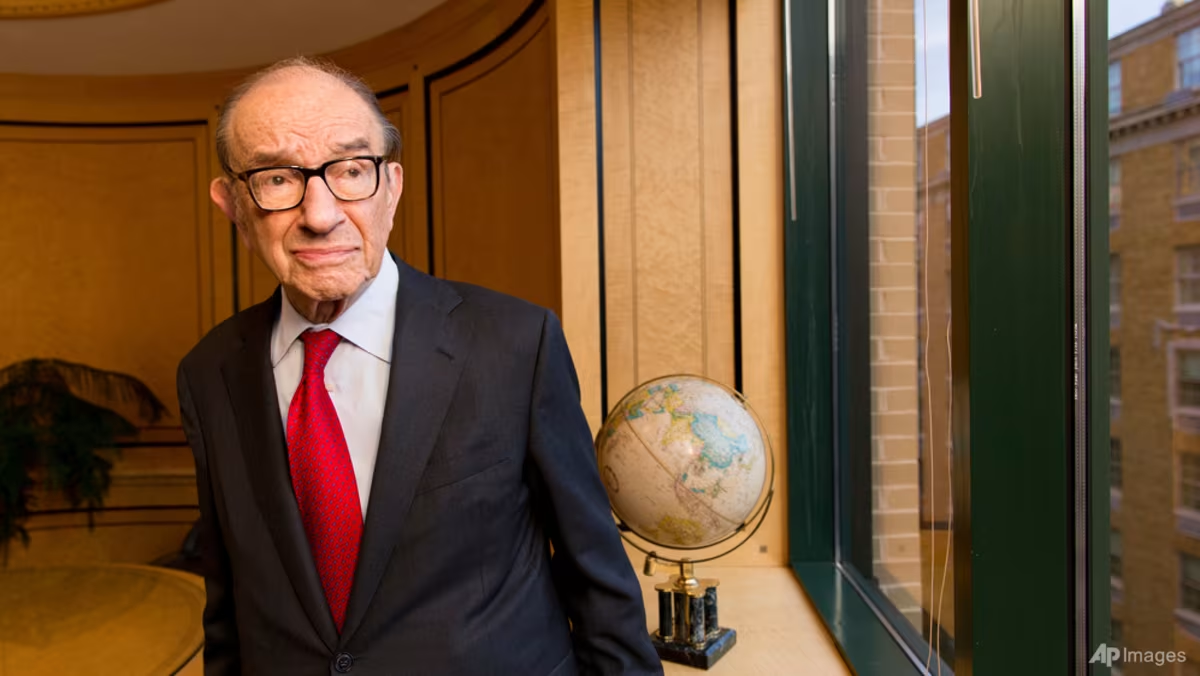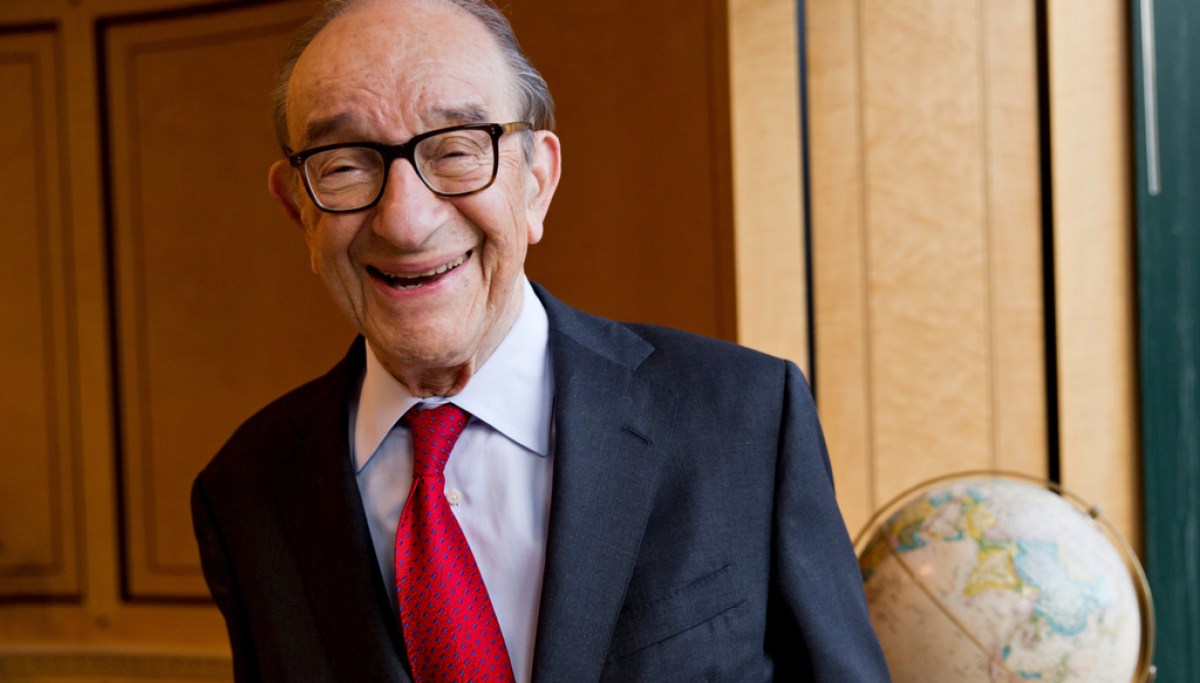
Alan Greenspan, who served nearly two decades as chairman of the Federal Reserve and became one of the most consequential economic policymakers in American history, died on June 22 at his home in Washington, D.C. He was 100 years old.“Alan passed away at our home this morning at the age of 100 from complications of Parkinson’s Disease,” said his wife of 29 years, NBC News chief Washington correspondent Andrea Mitchell, in a statement. “He was a giant of a man who helped shape the U.S. economy for decades under presidents of both parties but was always honest in acknowledging his mistakes.”Greenspan served five terms as the 13th chairman of the Federal Reserve, spanning the administrations of four presidents, from Ronald Reagan to George W. Bush, making him the second-longest-serving Fed chairman in history, behind William McChesney Martin. His 18-and-a-half-year tenure spanned some of the most turbulent and prosperous periods of the U.S. economy, including the longest economic expansion in U.S. history, which lasted from 1991 to 2001.
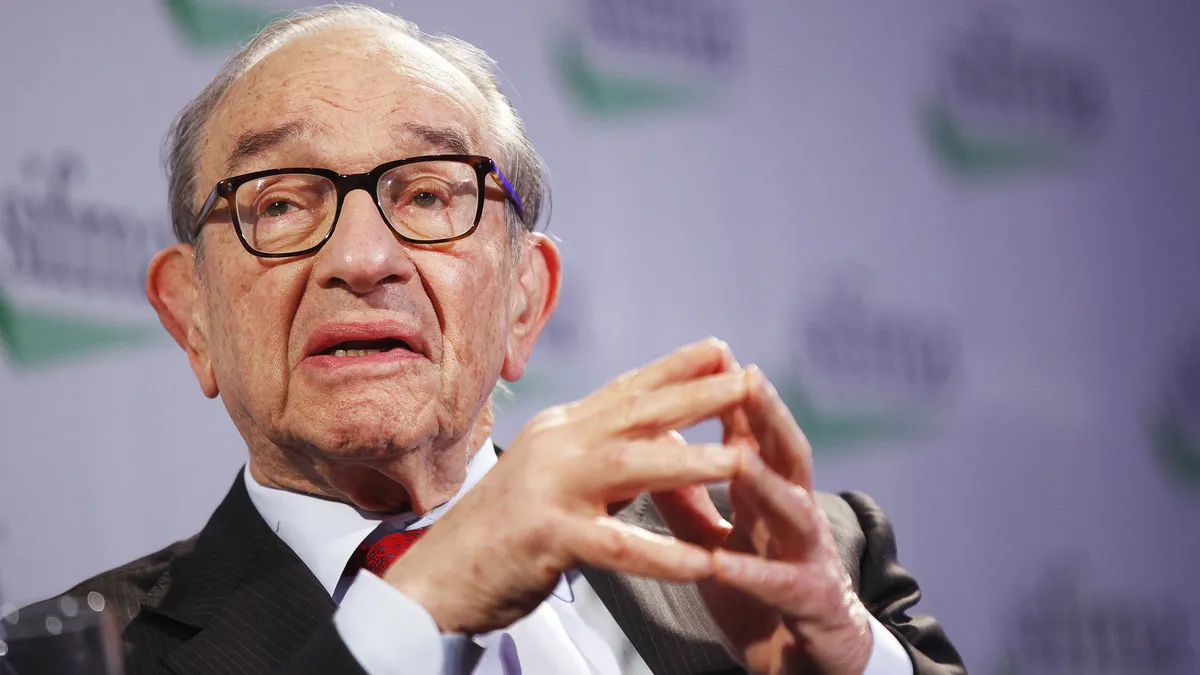
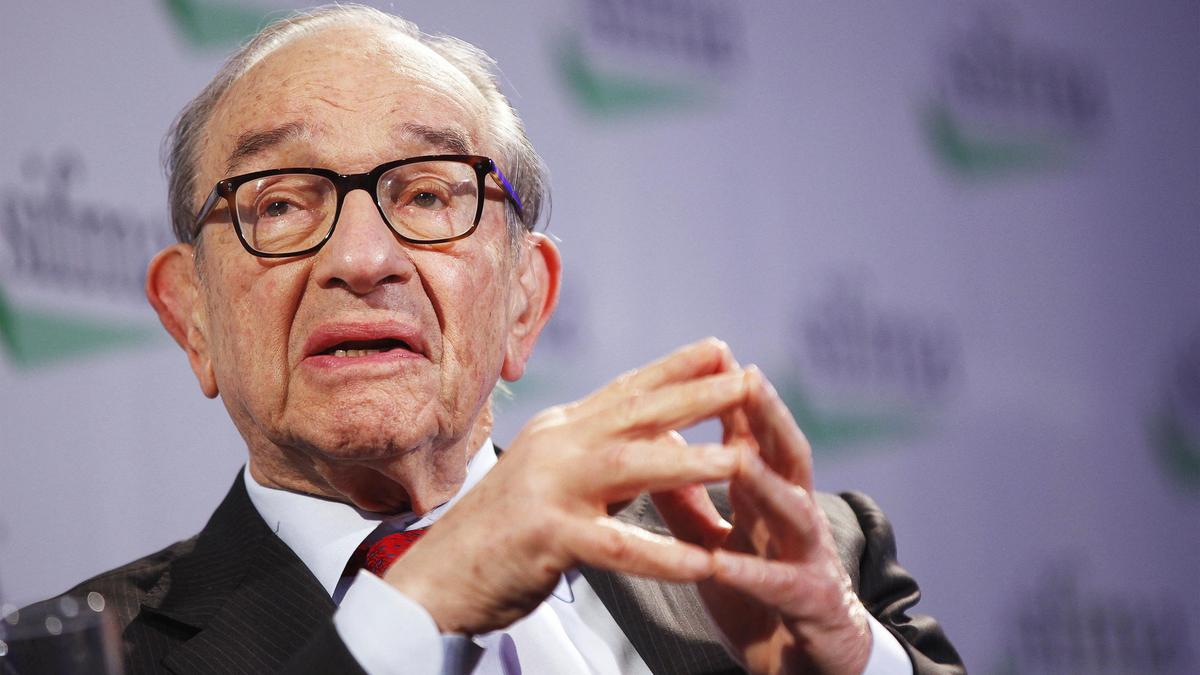
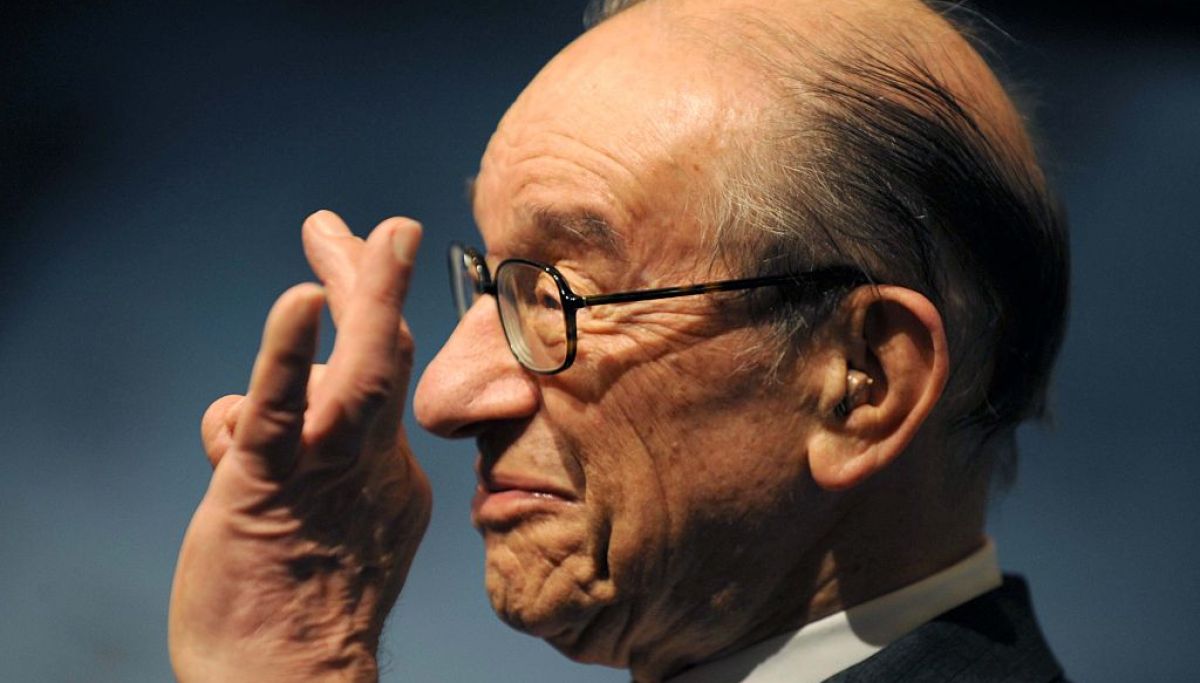
Born March 6, 1926, in the Washington Heights neighborhood of New York City, Greenspan demonstrated a gift for mathematics from an early age, reportedly able to recite baseball batting averages and perform complex calculations in his head. As a young man, he enrolled at the Juilliard School, where he studied saxophone and clarinet, and briefly played jazz professionally before turning his attention to economics. He earned his bachelor’s and master’s degrees from New York University and began doctoral work at Columbia University under economist Arthur F. Burns, a future Fed chairman himself. He later completed his Ph.D. at NYU in 1977.This file photo taken on Oct. 15, 2009 shows former U.S. Federal Reserve Former U.S. Federal Reserve Chairman Alan Greenspan in New York. (Gu Xinrong/Xinhua via Getty Images)