A new BioScience paper argues that tropical field stations can help turn global conservation commitments into local action.Field stations provide long-term monitoring, training, local employment, and continuity in places where conservation outcomes are often difficult to measure.Remote sensing, acoustic monitoring, camera traps, and other technologies are becoming more powerful, but they still need field-based institutions to validate and interpret their findings.Many field stations remain financially fragile, even as conservation increasingly depends on the long-term evidence and local relationships they help sustain.
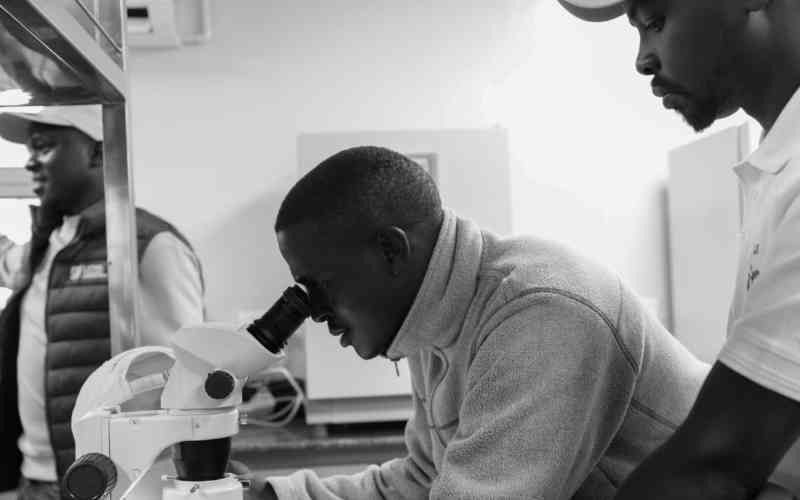
A field station is usually a working place. It may have bunkrooms, trails, a generator, stored specimens, weathered notebooks, drying boots, a small lab, and staff who know when the road floods, where to find a mobile network signal, or which hillside burned five years ago. Its value is easy to miss because it is often measured through other things: papers, students, monitoring plots, visiting researchers, restored forest, fewer snares, or a longer record of what changed.
A new BioScience paper argues that these stations deserve a larger role in conservation policy, especially in the tropics. The authors describe tropical field stations as institutions that can help turn global environmental commitments into local work. Governments have promised to protect more land and sea, restore degraded ecosystems, slow extinctions, and make conservation more equitable. These goals require information, trust, capacity, and persistence. Field stations can supply much of that infrastructure.