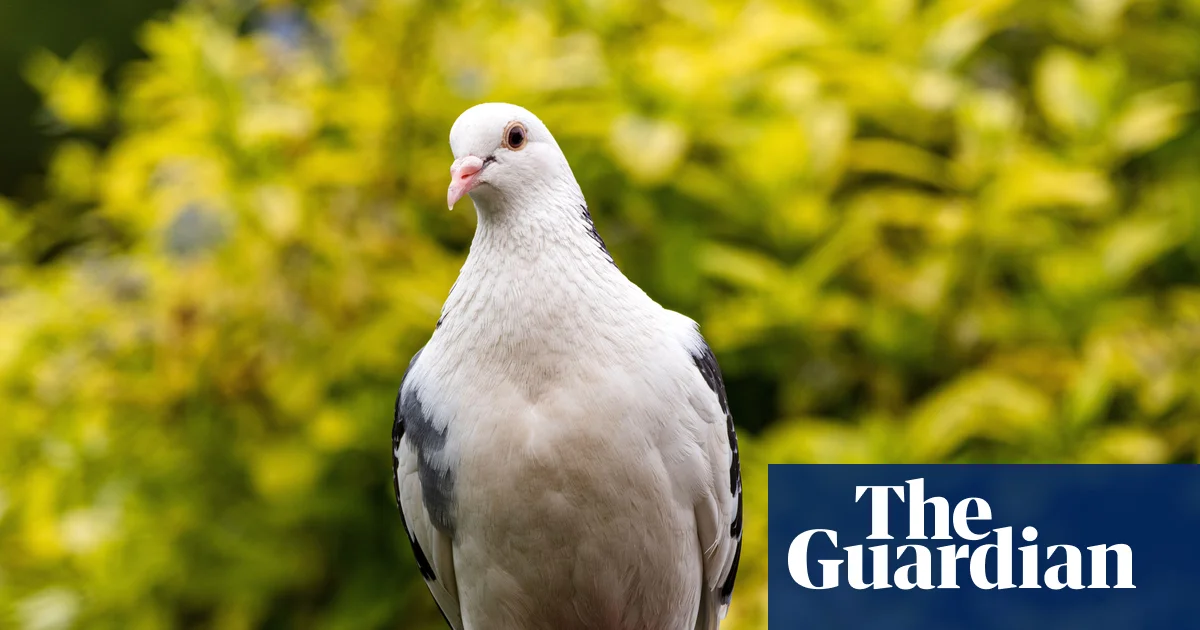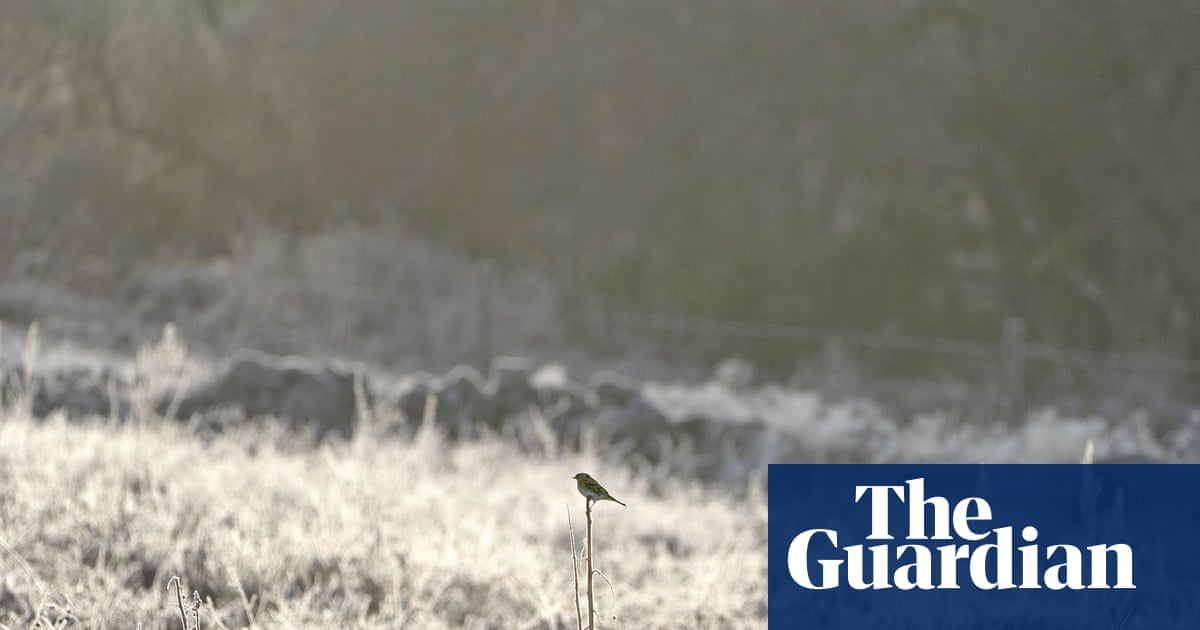
Abernethy Forest, Cairngorms: Thanks to a local collaborative effort, linnets, bramblings, green and goldfinches are coming to this field in joyful flocks
I
t’s -6C and I’m off to what has been a regular haunt recently – a field planted by a small, community-run charity, Speyside Fields for Wildlife, which works with local farmers, crofters and others to take over “spare” fields and land for wildlife-friendly crops.
Some sites are planted with annuals such as cornflower, corncockle, marigold and poppy – important sources of pollen, nectar and flowers that used to grow among the grain crops before herbicides became commonplace. Others, such as this one on a hill farm, have been planted with seed crops that benefit birds and other wildlife during autumn and winter.
From afar, the field gleams icy-white, and when I arrive the ground is crunchy underfoot. The black oat and barley stalks are brittle and more of a pale gold, thick and glistening with the hoarfrost – the open and empty seedpods of the fodder radish too. A chaffinch pecks atop a head of millet, and soon I’m watching charms of finches fly down from the surrounding birches to disappear in the vegetation. Some birds alight on the stalks, and when they take off again they’re joined by 20 to 30 more birds that have been skulking below.