by Jeran Cloete, Dian Spear, Jessica da Silva, Lavhelesani Dembe Simba, Peter J Carrick, The Conversation
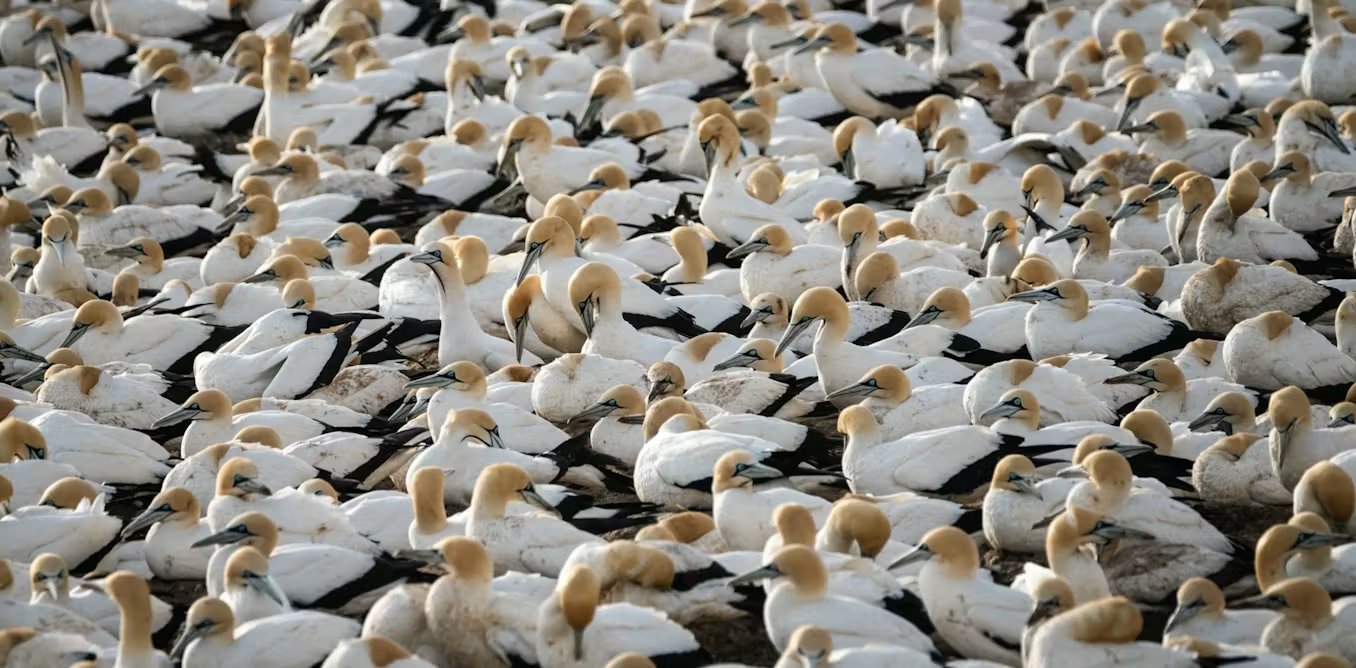
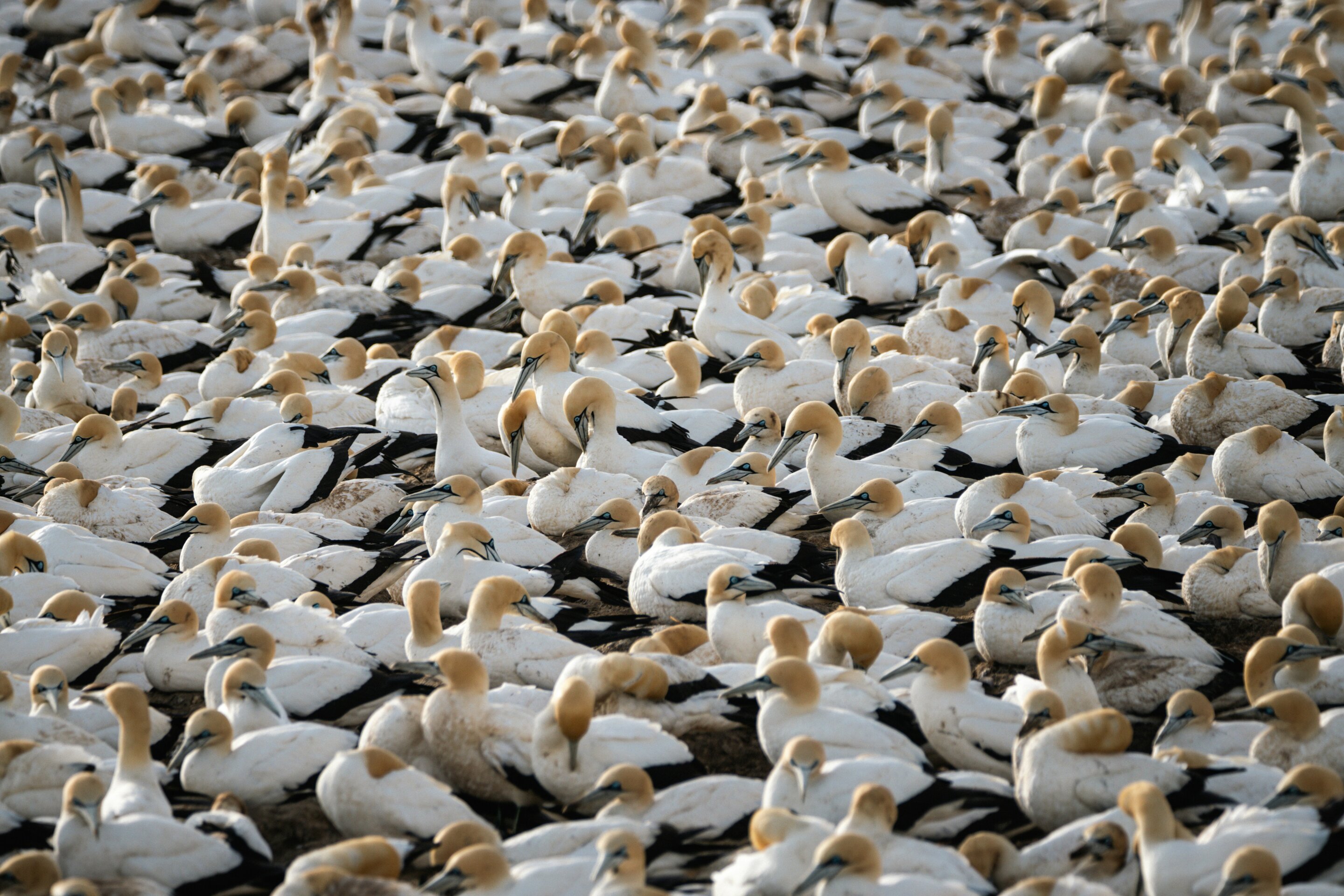
Cape gannets colony, South Africa. Credit: Unsplash/CC0 Public Domain
Conservationists analyze overwhelming volumes of ecological data in their work. For example, they might need to process decades of weather data or the movements of millions of insects. Up until now, these scientists and decision makers have had to manually find and sort information, then use statistical tools which often oversimplify the source information.
Artificial intelligence (AI) tools now promise to help with all that. But can they deliver on the promise?
They are far from perfect. It's been shown that they can confidently make up information and amplify hidden biases in their training data. And different AI tools have different uses, strengths and weaknesses. They need to be chosen carefully.