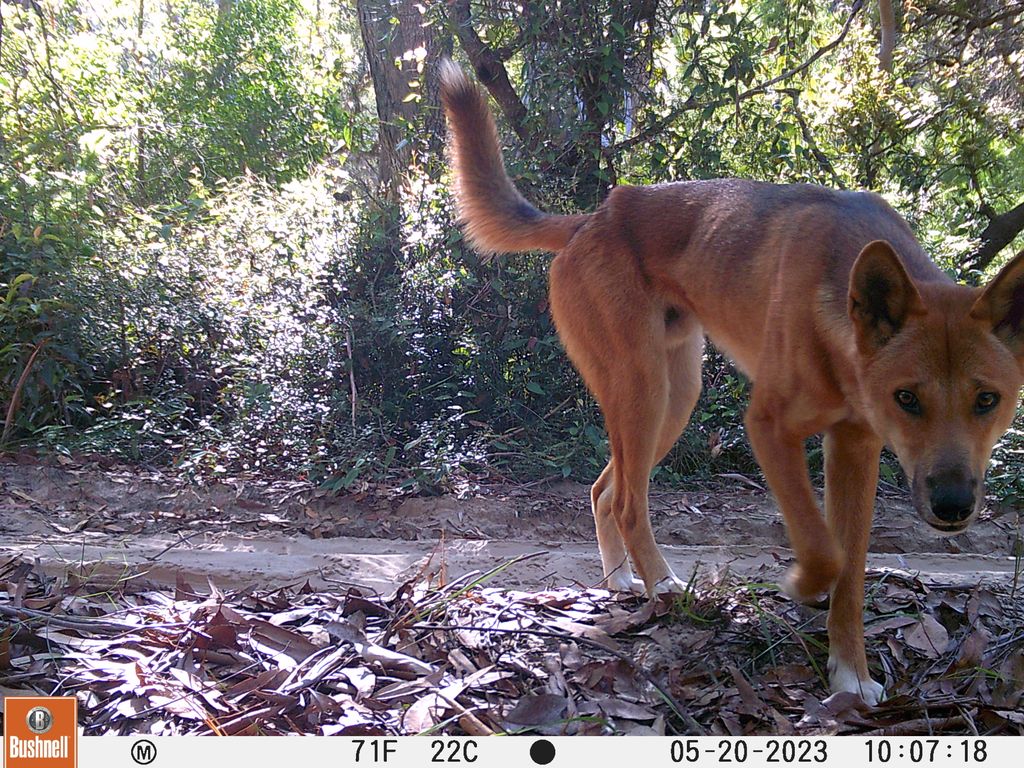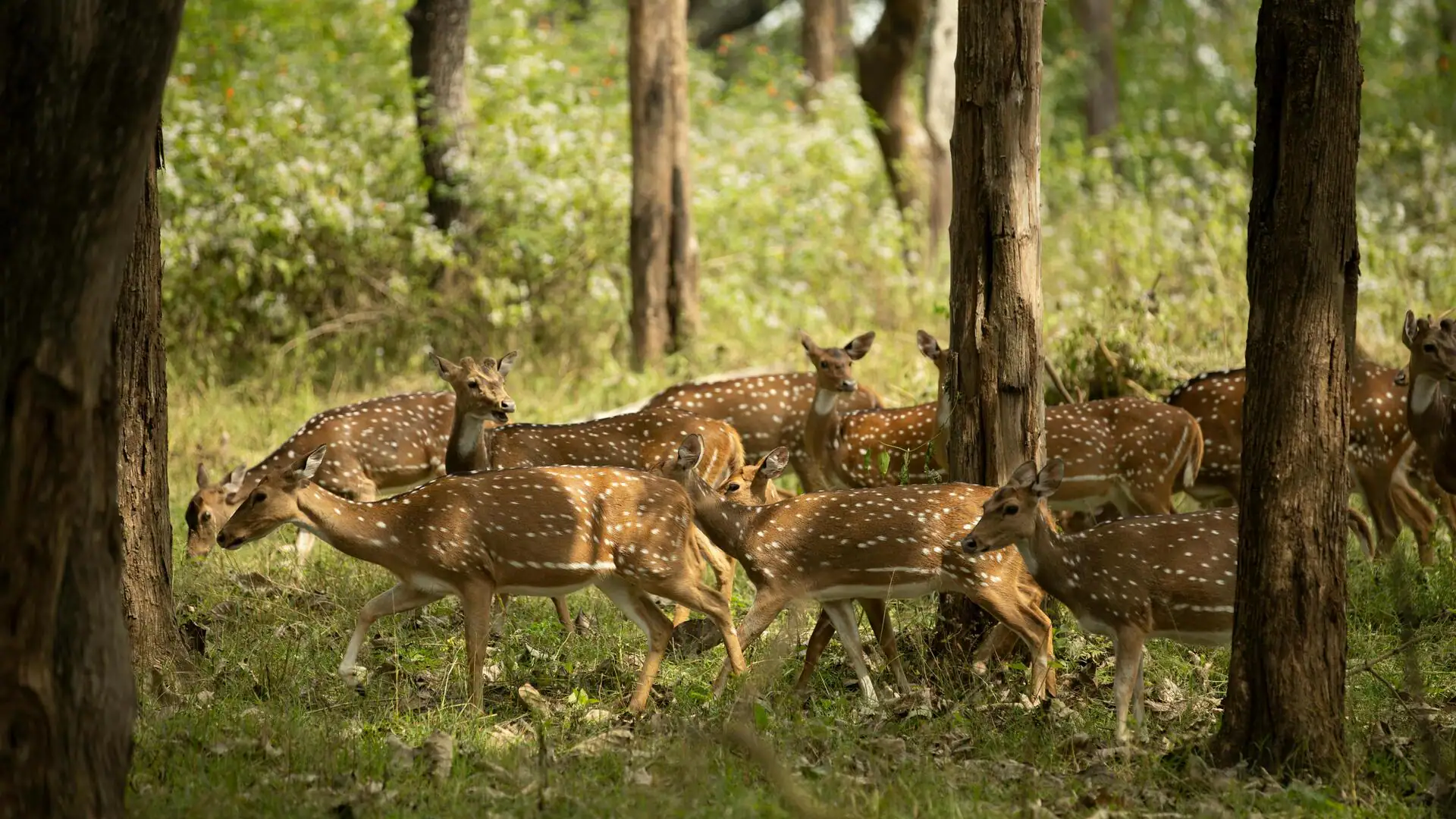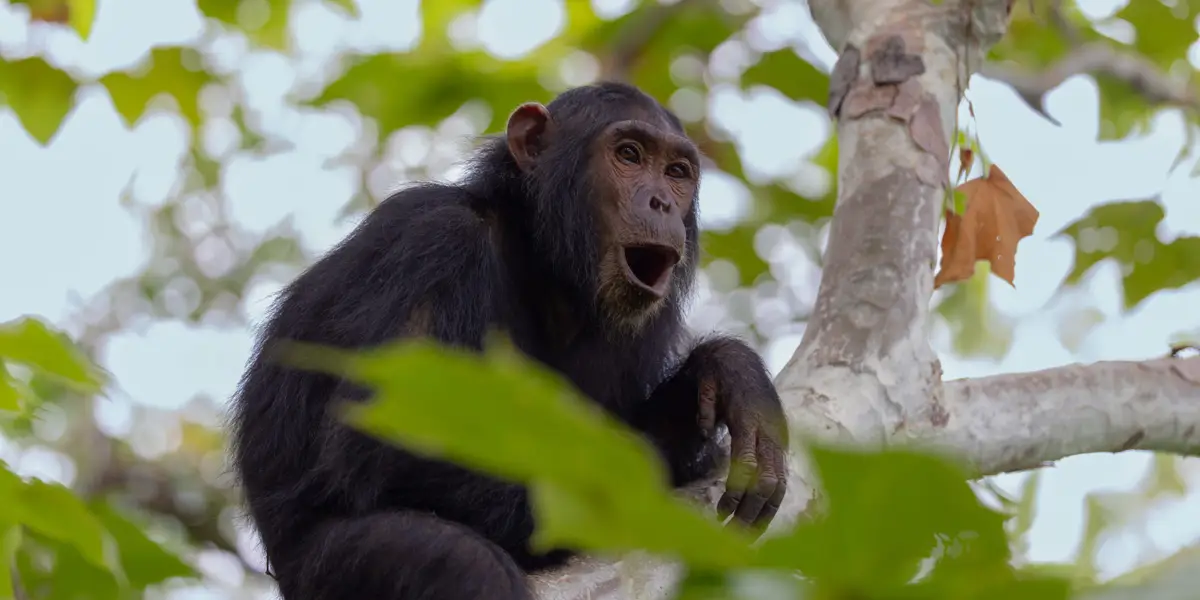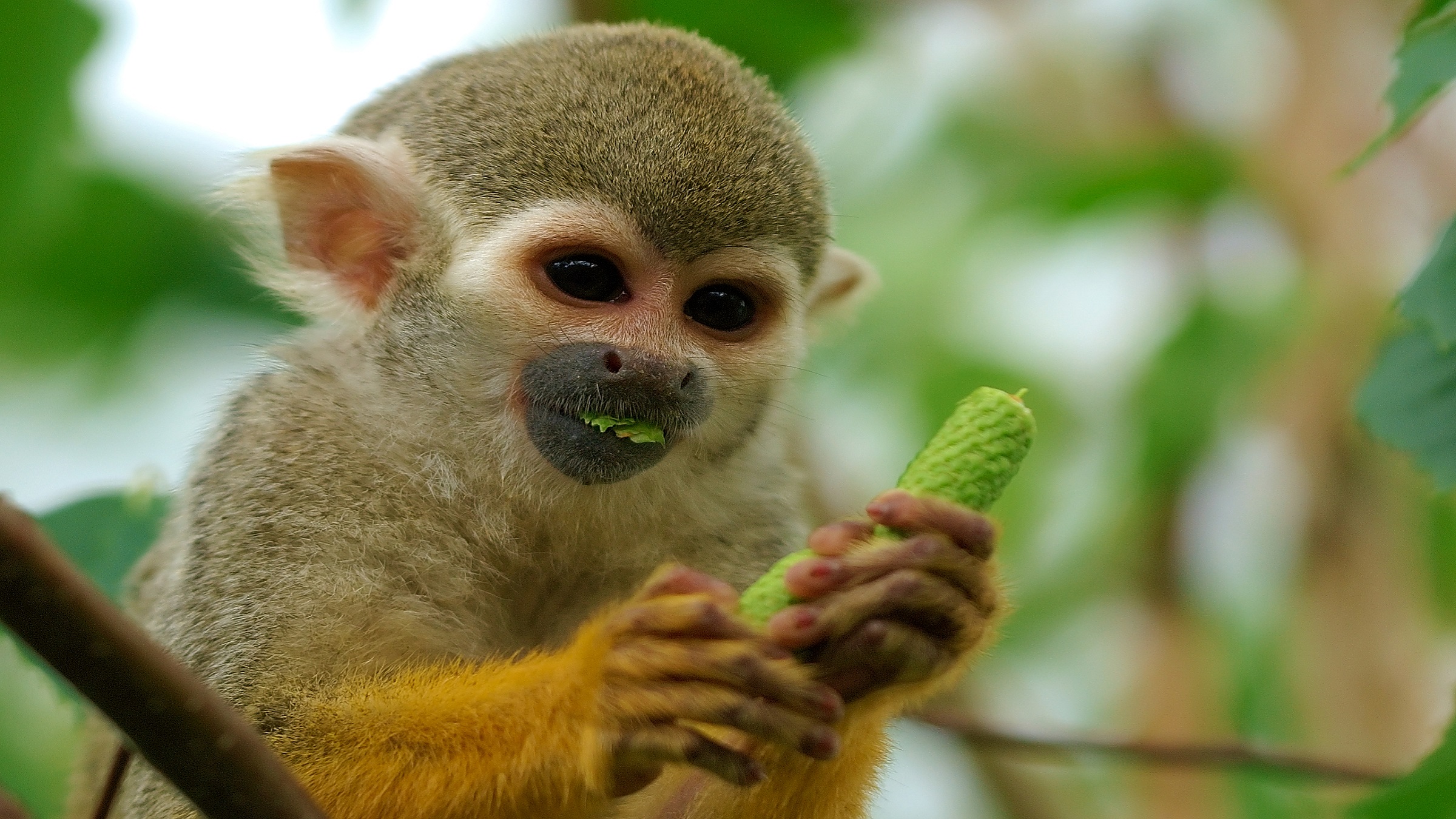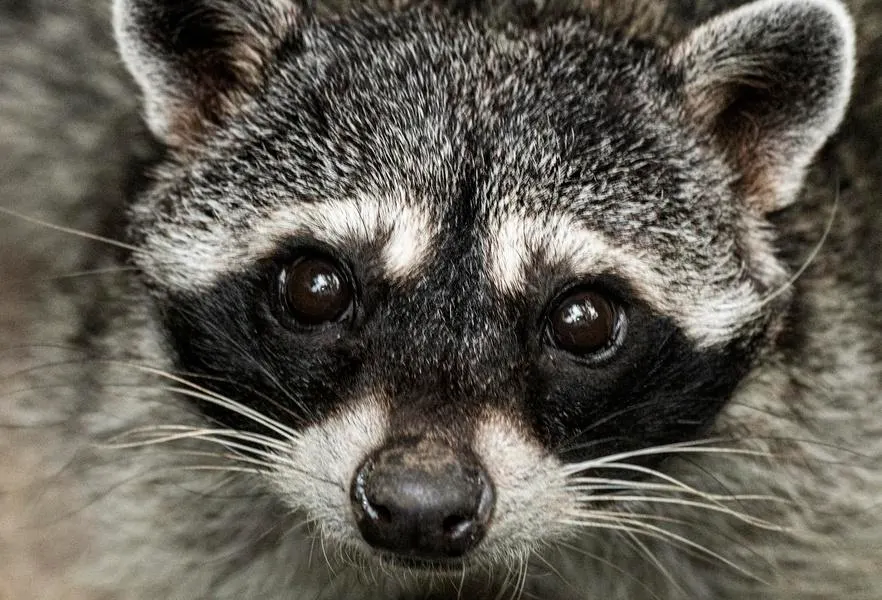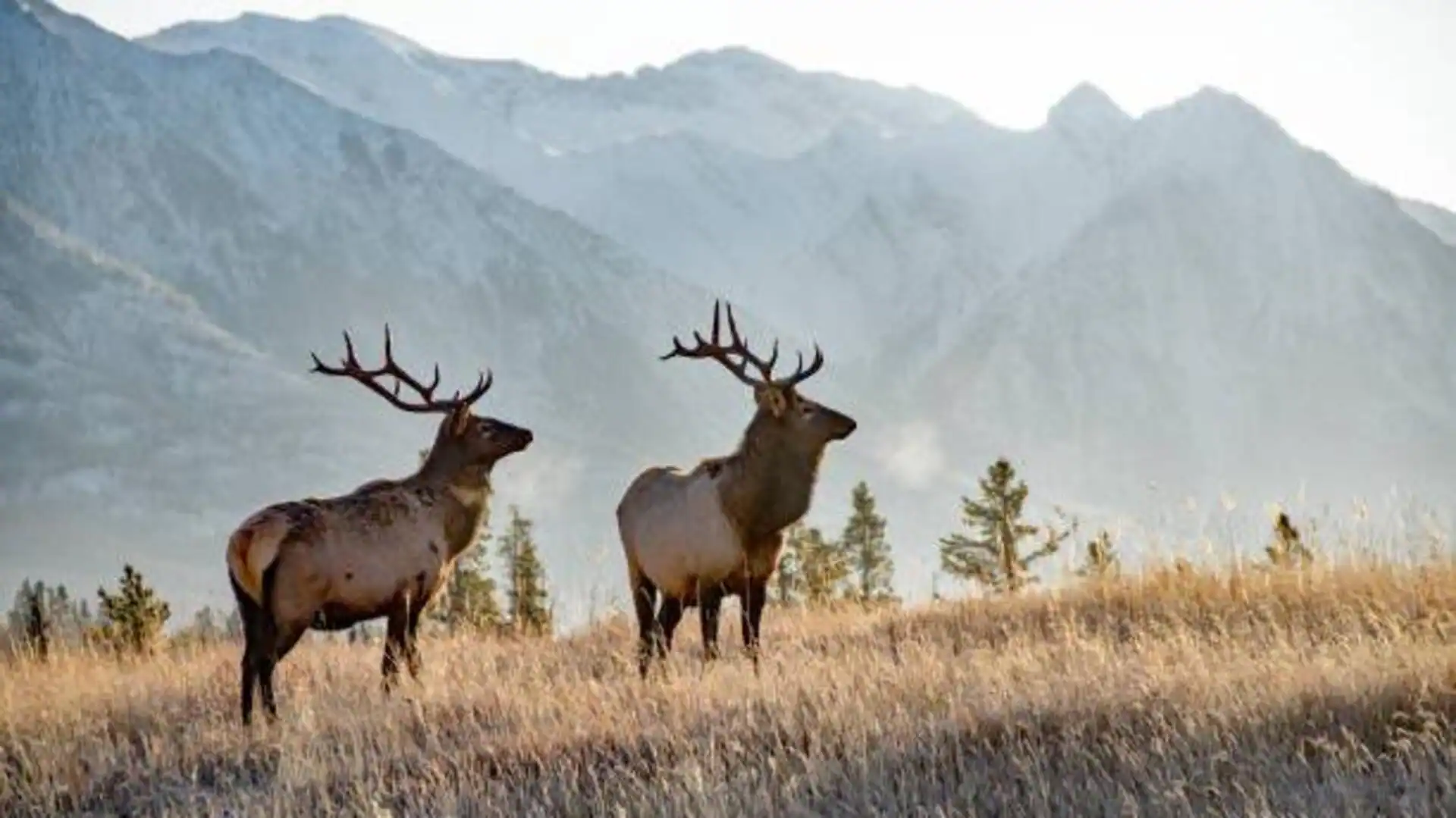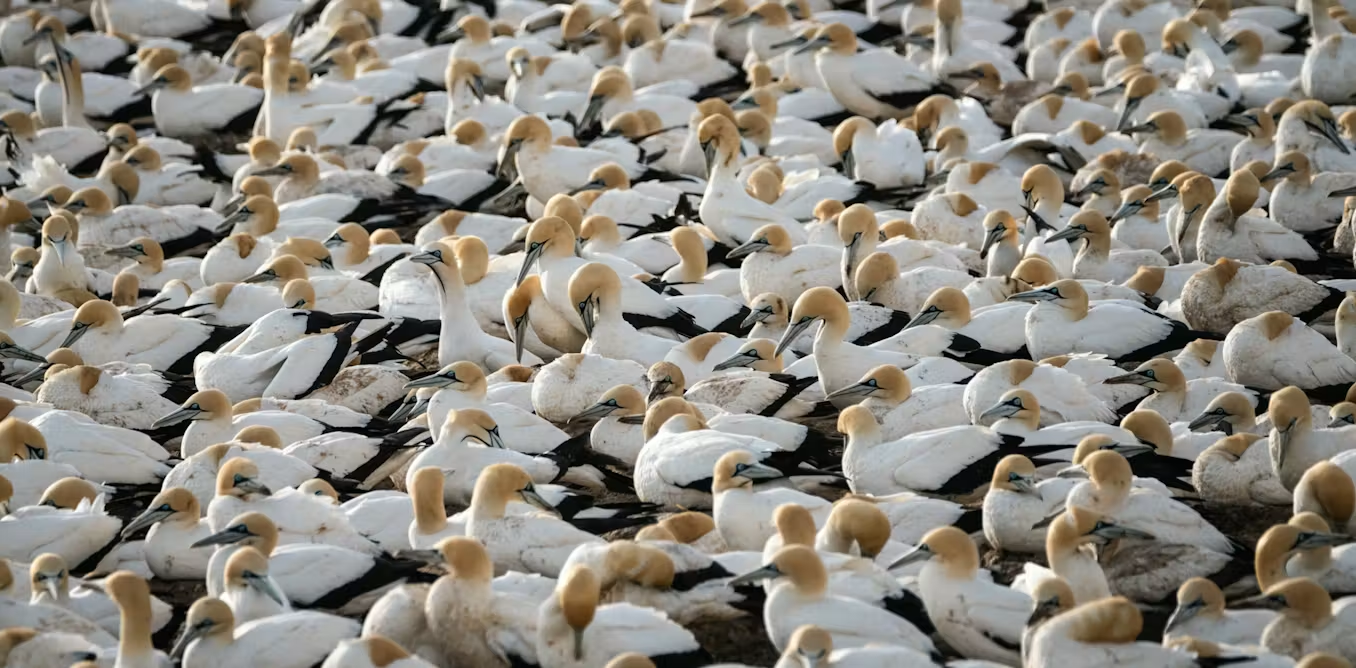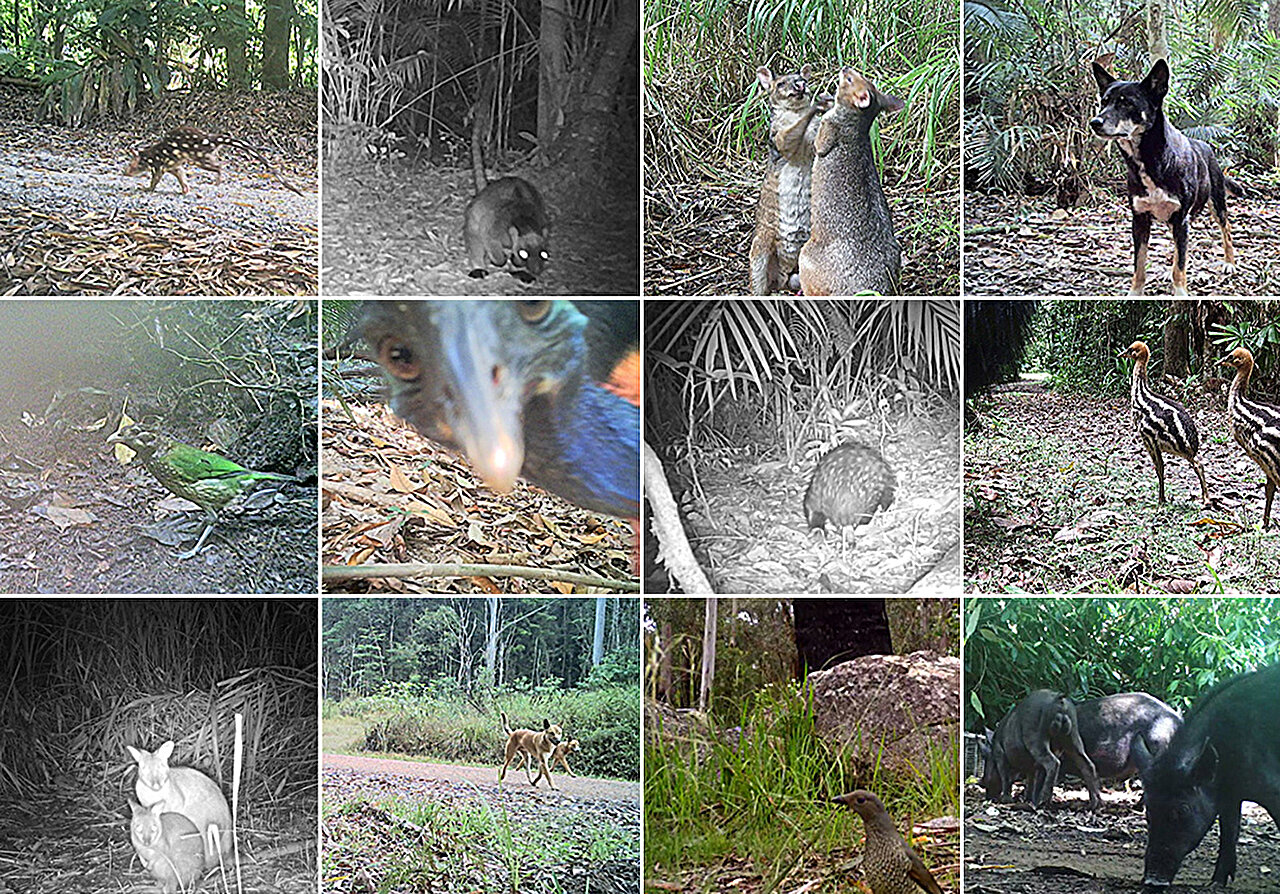
Images captured by University of Queensland wildlife monitoring cameras. Credit: University of Queensland
The power of AI has been harnessed to rapidly clear a photography bottleneck and bring greater coordination and computing power to efforts to save Australian animals from extinction. Developed by researchers at The University of Queensland, the Wildlife Observatory of Australia (WildObs) can quickly analyze millions of images taken by hidden wildlife cameras, meaning faster, more accurate data to guide conservation work.
Associate Professor Matthew Luskin from UQ's School of the Environment said the new cloud-based, easy-to-use, artificial intelligence-powered image platform was revolutionary. "Affordable cameras can discreetly capture wildlife while strapped to trees and left for months, so there are now thousands of projects across Australia collecting millions of images and videos," Dr. Luskin said.
"We have unprecedented visibility into the natural world, but we were struggling to turn that information into timely, actionable data and decisions to help stem Australia's biodiversity crisis.
"In one collaborative space, the WildObs platform now hosts AI computer vision models which have been trained for Australian animals and environments—they can identify hundreds of species in camera trap images, 10 times faster than people.