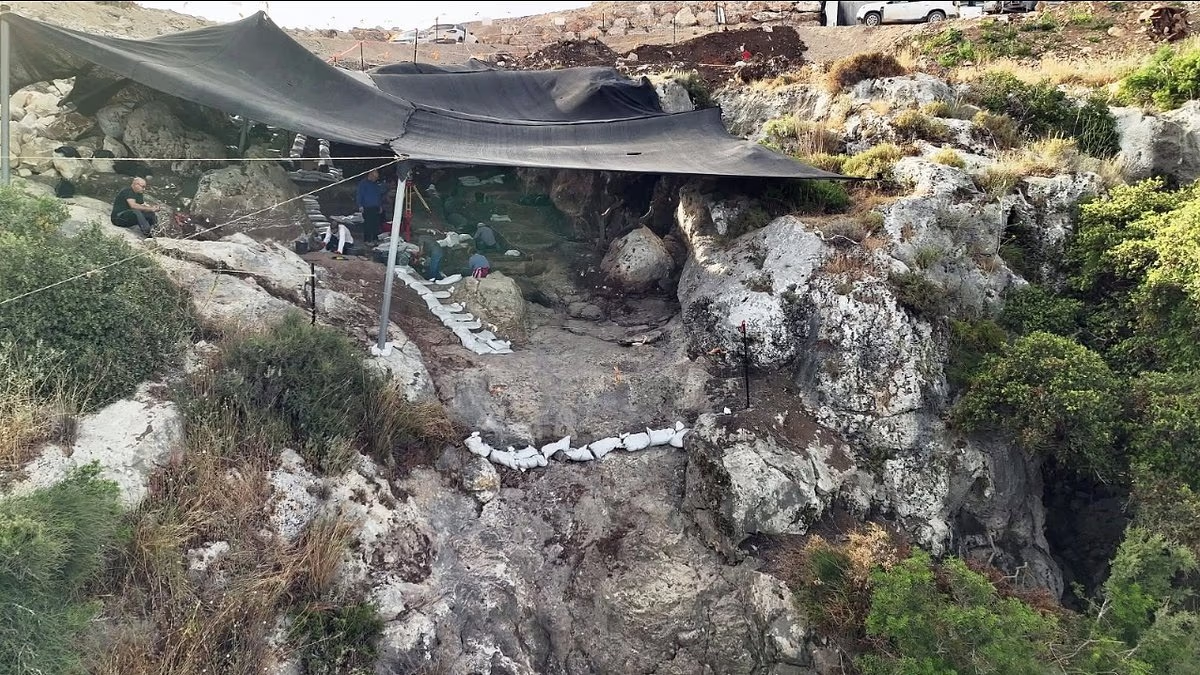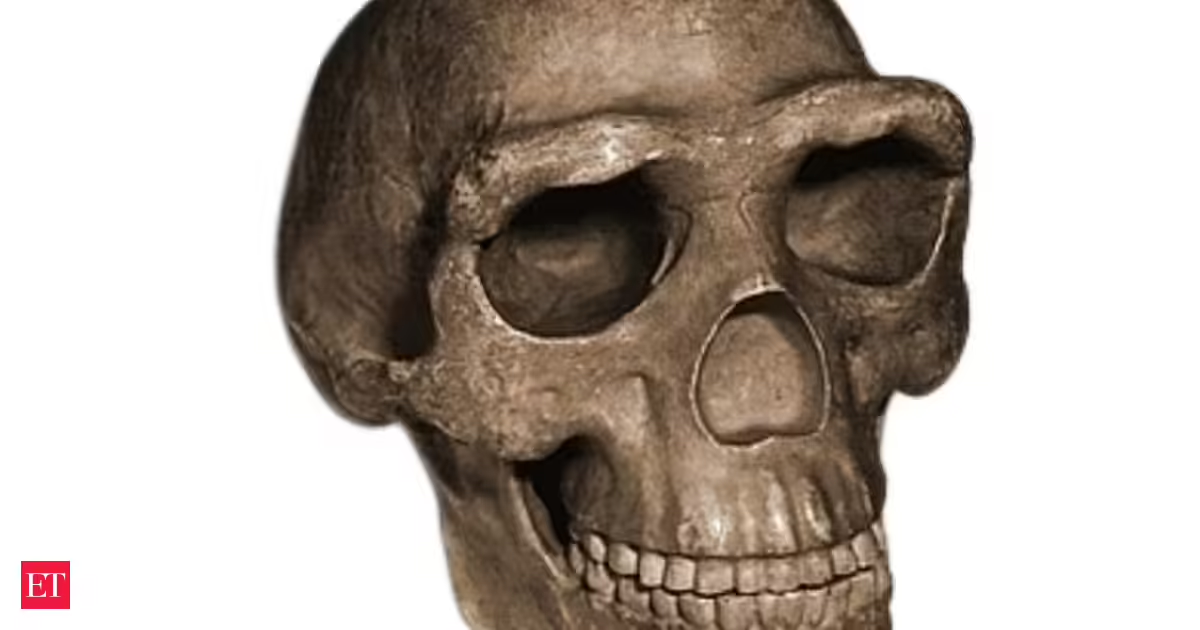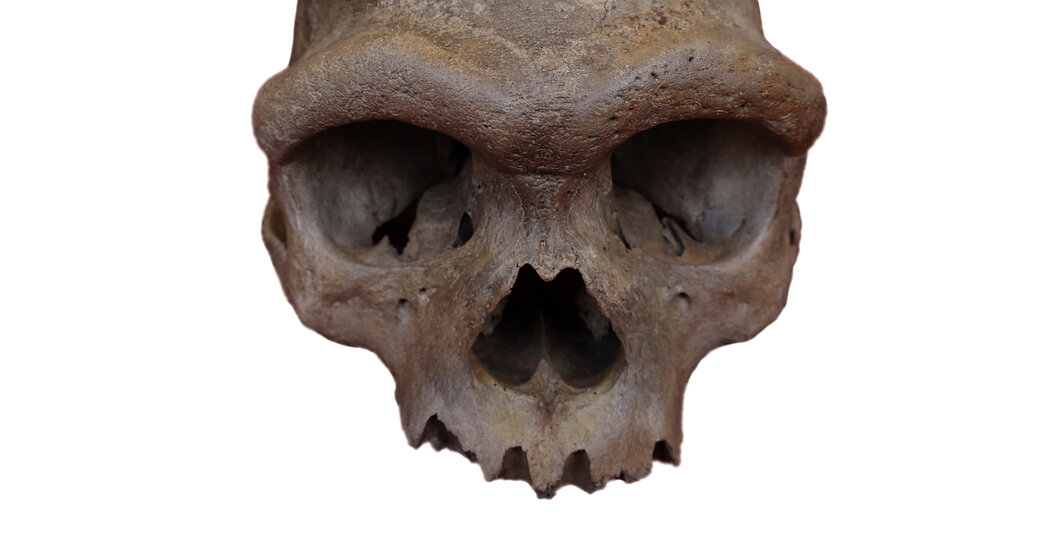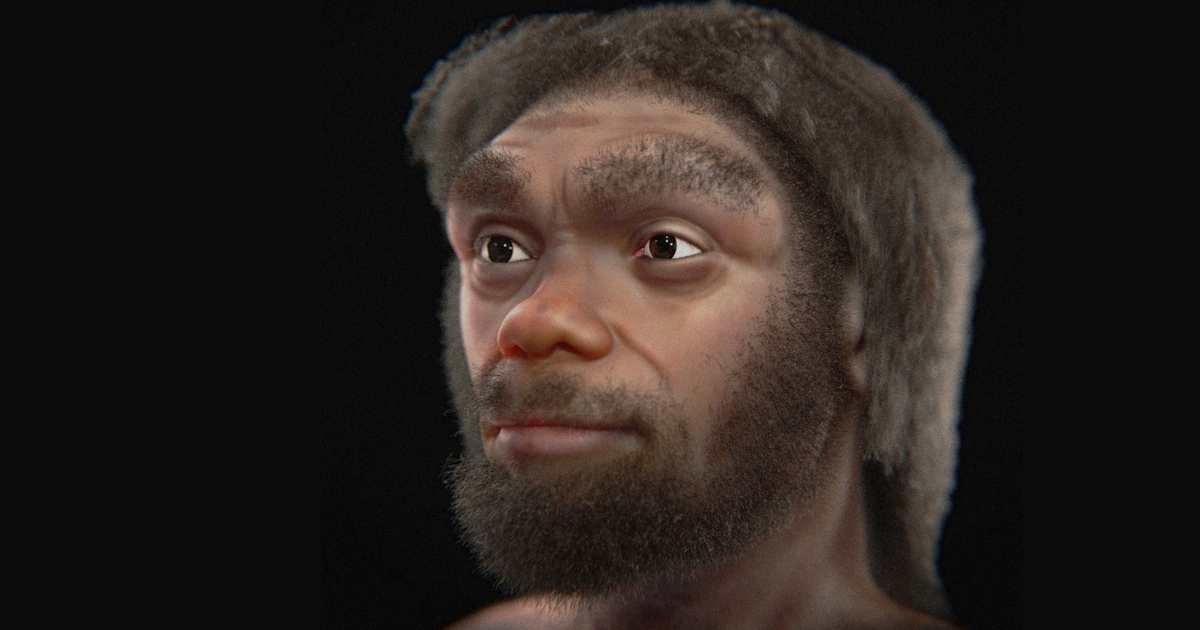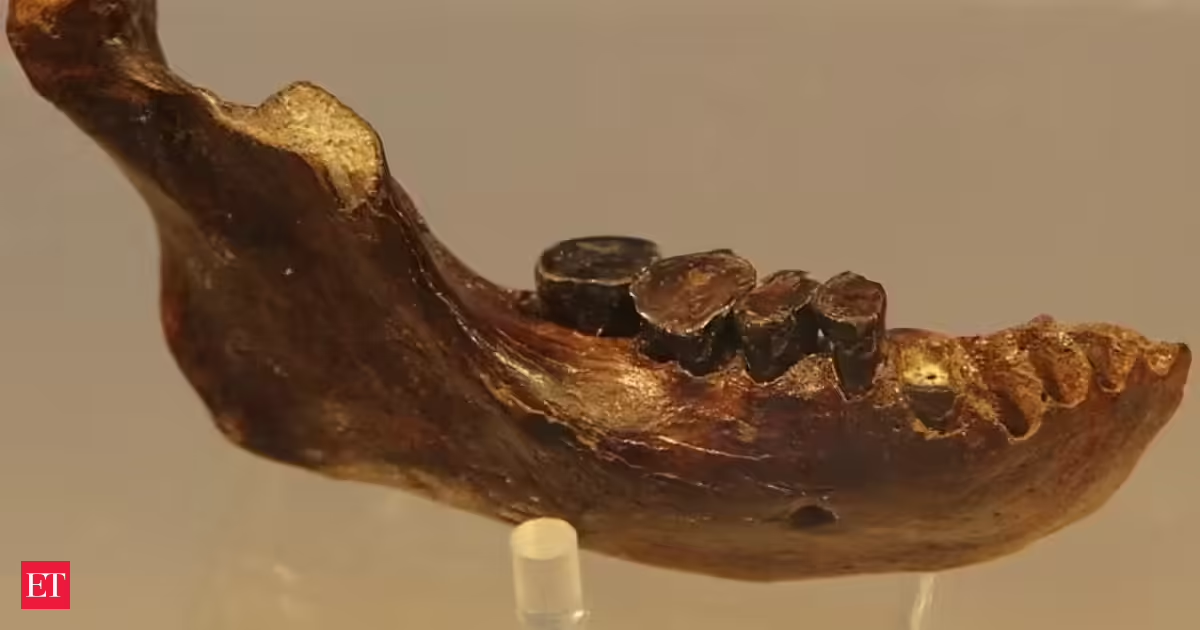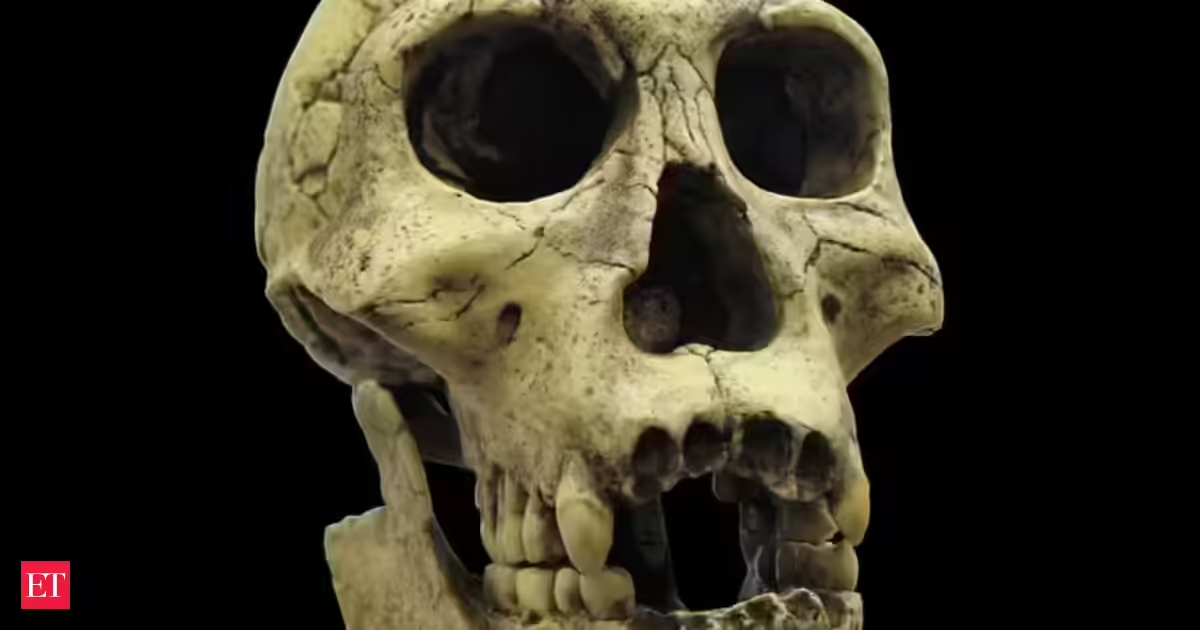
A viral claim circulating online alleges that in 1989, a man named Ryszard Kapuscinski was walking along a dig line at Dmanisi in present-day Georgia when he accidentally discovered early Homo skulls. However, the available scientific evidence does not support this version of events. Published research shows that the first major hominin fossil unearthed at the site was a lower jawbone found during archaeological excavations in 1991, while the famous skulls were discovered in the years that followed, reported TOI. Dmanisi is regarded as one of the most significant archaeological sites for understanding early human evolution. Its global importance did not stem from a chance encounter during a walk but from years of systematic excavations that gradually revealed one of the richest collections of early Homo fossils ever discovered outside Africa.The Dmanisi discoveryAccording to a landmark 1995 paper published in Nature, archaeologists excavating the medieval hilltop settlement of Dmanisi uncovered a remarkably preserved lower human jawbone at the end of 1991. The fossil was recovered from much older geological layers lying beneath the medieval remains, alongside animal fossils dating to the Late Villafranchian period.The importance of this discovery lies not only in the fossil itself but also in the context in which it was found. Rather than being an isolated specimen, the jawbone was excavated from well-documented archaeological and geological layers that allowed researchers to accurately determine its age and significance, reported TOI. The Nature study concluded that the fossil belonged to one of the earliest known members of the genus Homo in western Eurasia and was approximately 1.8 to 1.6 million years old.Why the 1989 skull claim does not match the evidenceThe widely circulated story claiming that early human skulls were discovered in 1989 does not align with the published scientific record.Research on the Dmanisi fossils consistently identifies the D211 mandible, discovered in 1991, as the first major hominin specimen recovered from the site. The skulls that later made Dmanisi internationally famous were excavated during subsequent field seasons in the late 1990s and early 2000s.Researchers have carefully documented this sequence of discoveries. Following the jawbone, several exceptionally preserved skulls were uncovered, ultimately creating one of the world's most important collections of early Homo fossils.This timeline is significant because the scientific importance of Dmanisi emerged through years of careful excavation and analysis rather than through a single accidental discovery.A glimpse into the world nearly two million years agoOne of the main reasons Dmanisi is so important is its remarkable age.Research published in the Proceedings of the National Academy of Sciences dates the earliest human occupation at the site to between 1.85 and 1.78 million years ago. The studies also confirm that the fossil-bearing layers lie beneath the medieval city that occupies the upper part of the site.Dmanisi therefore preserves two vastly different chapters of history at the same location. Above ground lie the remains of a medieval settlement, while deep below are traces of some of the earliest known humans to have lived outside Africa.The site's geological sequence is exceptionally well preserved, allowing scientists to reconstruct both the environment and the lives of its ancient inhabitants with unusual precision.The skulls that changed the debateAlthough the discovery of the jawbone in 1991 first attracted scientific attention, it was the later skull discoveries that transformed Dmanisi into one of the world's most influential paleoanthropological sites.Among the most notable finds was an exceptionally well-preserved skull published in Nature in 2013. Together with the previously recovered skulls, it sparked an important debate over how scientists classify early members of the genus Homo.The Dmanisi fossils revealed a level of variation that was far greater than many researchers had expected. Instead of representing several different human species, the fossils suggested that much of the observed diversity might simply reflect natural variation within a single evolving population.These discoveries prompted scientists to reconsider long-held assumptions about the diversity and evolution of early humans.Why Dmanisi still mattersMore than three decades after the first major hominin discovery, Dmanisi continues to occupy a central place in research on human evolution.Its significance rests on three key strengths: its exceptional antiquity, its well-preserved geological context and the unusually large collection of hominin fossils recovered from a single location. Together, these features provide one of the clearest windows into the earliest expansion of humans beyond Africa.The discoveries demonstrate that early humans reached the Caucasus far earlier than previously believed. Equally important, the fossils indicate that variation within early human populations may have been much greater than scientists once assumed.That is why Dmanisi remains one of the world's most important archaeological sites. Its significance does not come from an alleged chance discovery during a walk in 1989. Instead, it reflects decades of meticulous excavation and scientific investigation that have produced one of the most valuable records of early human evolution.Ultimately, the truth of Dmanisi lies not in a lucky find in 1989, but in years of careful archaeological work that uncovered one of the most important collections of early human fossils known to science.
Did a casual stroll lead to one of archaeology's greatest finds? The truth behind the viral claim
A viral claim about Ryszard Kapuscinski discovering early Homo skulls at Dmanisi in 1989 is debunked by scientific evidence. The site's significance stems from systematic excavations beginning in 1991, which unearthed a crucial lower jawbone, followed by famous skulls. These discoveries, dating back nearly two million years, have reshaped our understanding of early human evolution and diversity outside Africa, highlighting meticulous research over chance.
829 words~4 min read