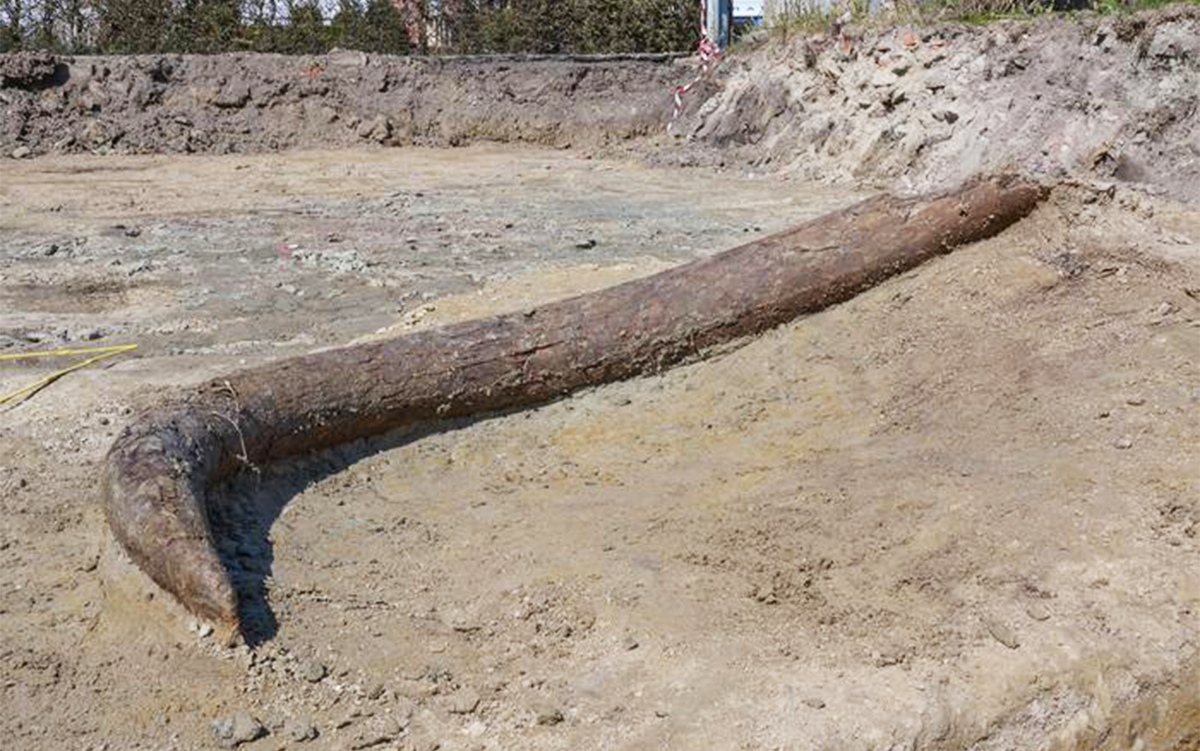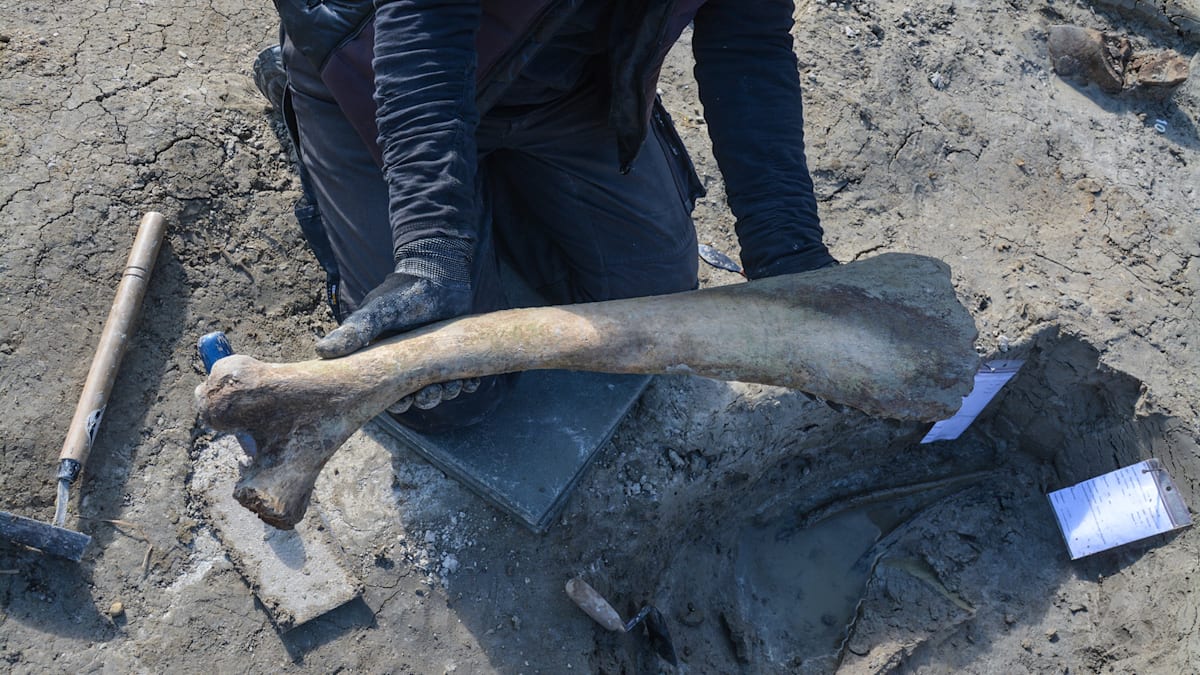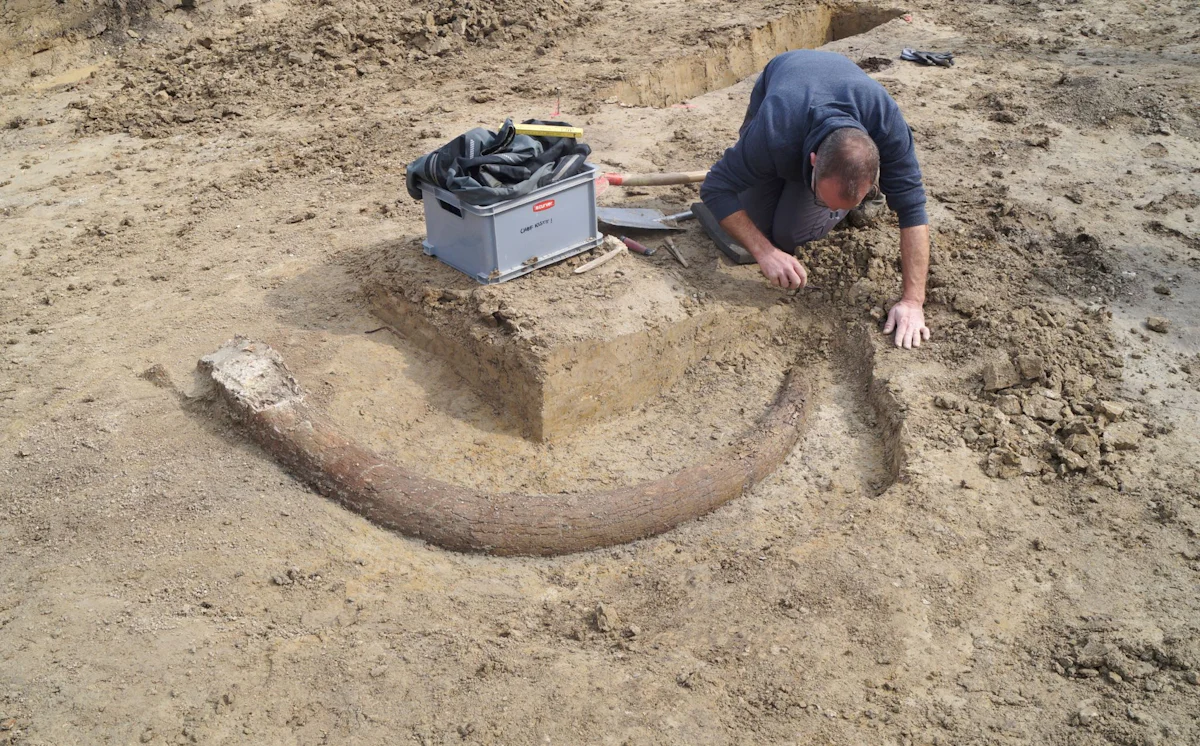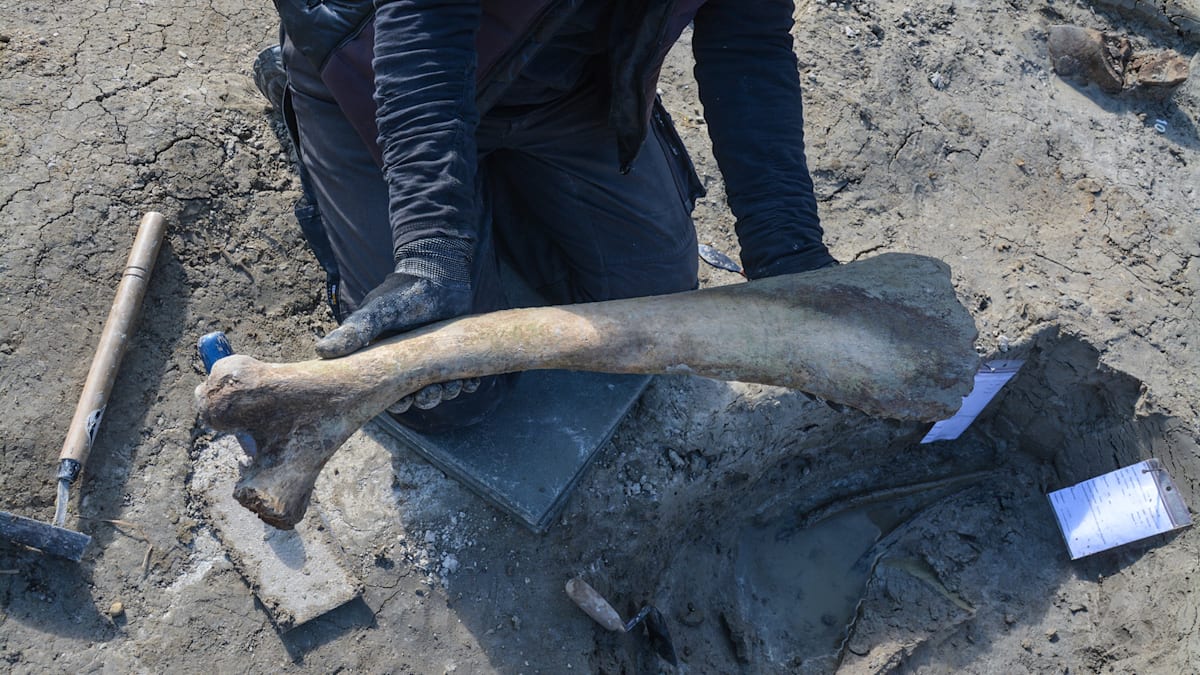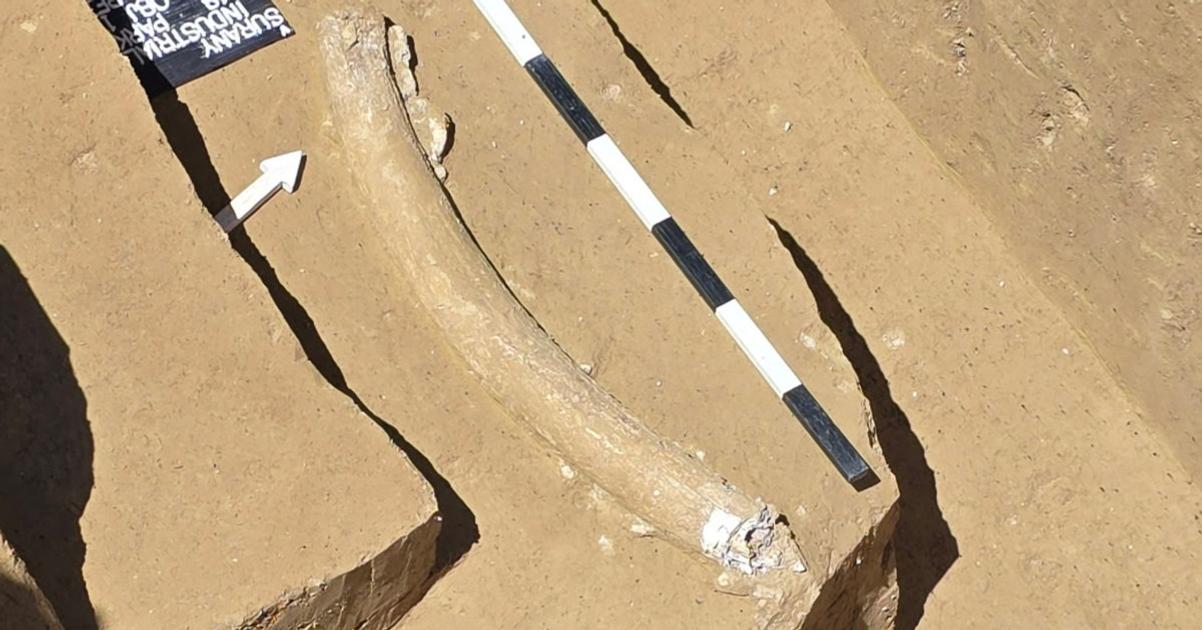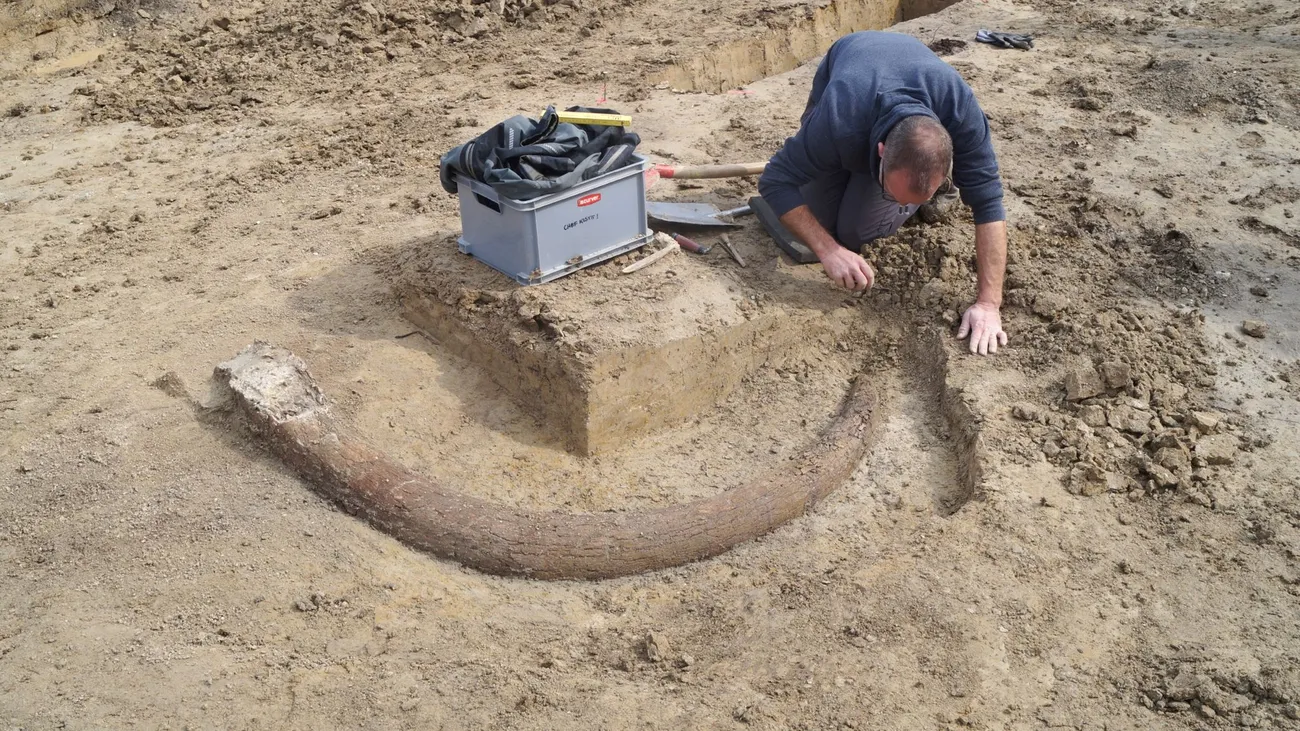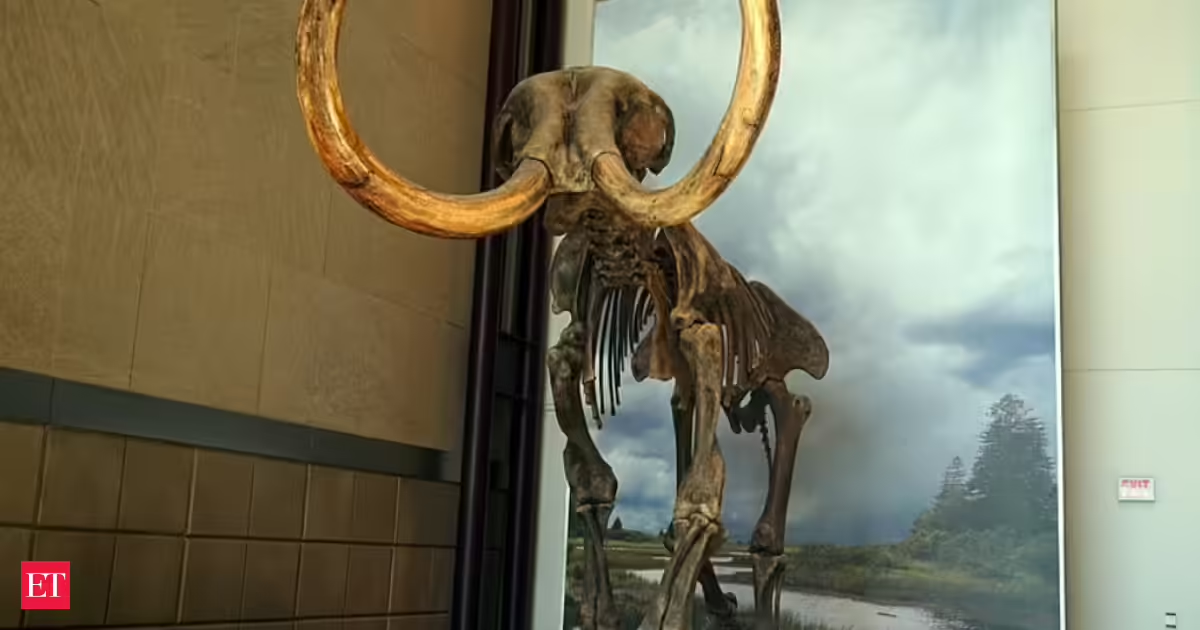
SynopsisIn the heart of Wisconsin, a farmer stumbled upon a colossal bone back in 1979, which was later confirmed to be from a mammoth. This extraordinary find sparked extensive excavations, uncovering a vital Ice Age site. The discovery of human-made artifacts alongside the mammoth remains indicates that people roamed this land over a millennium before the recognized Clovis timeline.John Hebior, a farmer in Wisconsin, discovered a very large bone on his farmland in Kenosha County in 1979 and decided to keep the find rather than throw it away. At the time of the discovery, there seemed to be no particular significance to the find, but years later, archaeologists identified the find as the bones of a mammoth, which turned a curious discovery into an invaluable clue that later led researchers to what is now known as one of the most important Ice Age archeological sites in Wisconsin.The importance of the Hebior Mammoth site is not limited to finding traces of mammoths; it was also involved in one of the most heated debates concerning the date of human arrival on the American continent.A single bone became the first clueAs the Milwaukee Public Museum explains, the discovery came about when John Hebior found a large bone on his farm, but because it was unusual-looking, he kept it. Years later, the archaeologists who discovered the specimen learned that it was actually mammoth bone, and they conducted excavations at the site throughout the 1990s. Something which had first seemed like an isolated piece quickly became clear to be one among many artifacts within a much broader archaeological context.The relevance of this timeline lies in the fact that archaeology is highly dependent upon context. One bone alone is very informative; yet, once further investigations were undertaken at the site, more bones were found, along with signs indicating that the mammoth’s death had not been merely natural and passive. There was a lot to learn from this archaeological site, and the Milwaukee Public Museum noted that, through the excavations, it turned out to be one of Wisconsin’s best-known mammoth sites.Why the Hebior Mammoth became importantOne reason the location gained great importance was the association of mammoth remains with human artifacts. According to the Milwaukee Public Museum, some stone tools, as well as marks on bones that might have been left by human butchery, had been found there.This particular age was important because it suggested that the area had witnessed human presence more than 1,000 years before the established Clovis benchmark, which had dominated the discussion of the earliest human settlers in North America. In other words, the location instantly assumed an importance beyond itself, entering the realm of pre-Clovis settlement research. What is important about the location is that it does not owe its significance to any extraordinary find. Quite the contrary, it is rather the combination of various finds and radiocarbon dates that make it so interesting.Mammuthus primigenius "Hebior Mammoth specimen" bearing tool/butcher marks | Wikimedia CommonsA discovery that still fuels discussionAn article published in the Journal of Archaeological Method and Theory notes that distinguishing true cut marks from other possible marks on bones can be difficult, especially at sites linked to claims of early human presence. This case fits into that discussion, since rather than reducing the significance of such a find, this debate shows how archaeology operates. When new finds have potential to change people's perception of the past, there is even more analysis of what happened there. Archaeologists study not only the objects but also the process by which those marks may have been put onto the bones.The reason why the Hebior Mammoth became so famous is its perfect combination of a discovery story and a scientific question. Some farmer noticed something interesting and kept the object, and later on, that choice proved valuable for learning about Ice Age Wisconsin and some of the key questions faced by archaeologists. Over four decades since its initial discovery, this case serves as a reminder that some discoveries don't happen through high-tech methods or expensive expeditions. They happen when someone takes an item home because it looks too peculiar to be ignored.Read More News on(Catch all the US News, UK News, Canada News, International Breaking News Events, and Latest News Updates on The Economic Times.) Download The Economic Times News App to get Daily International News Updates....moreless
In 1979, a Wisconsin farmer saved an oversized bone from his field, and it later led archaeologists to a butchered mammoth site
In the heart of Wisconsin, a farmer stumbled upon a colossal bone back in 1979, which was later confirmed to be from a mammoth. This extraordinary find sparked extensive excavations, uncovering a vital Ice Age site. The discovery of human-made artifacts alongside the mammoth remains indicates that people roamed this land over a millennium before the recognized Clovis timeline.
722 words~3 min read