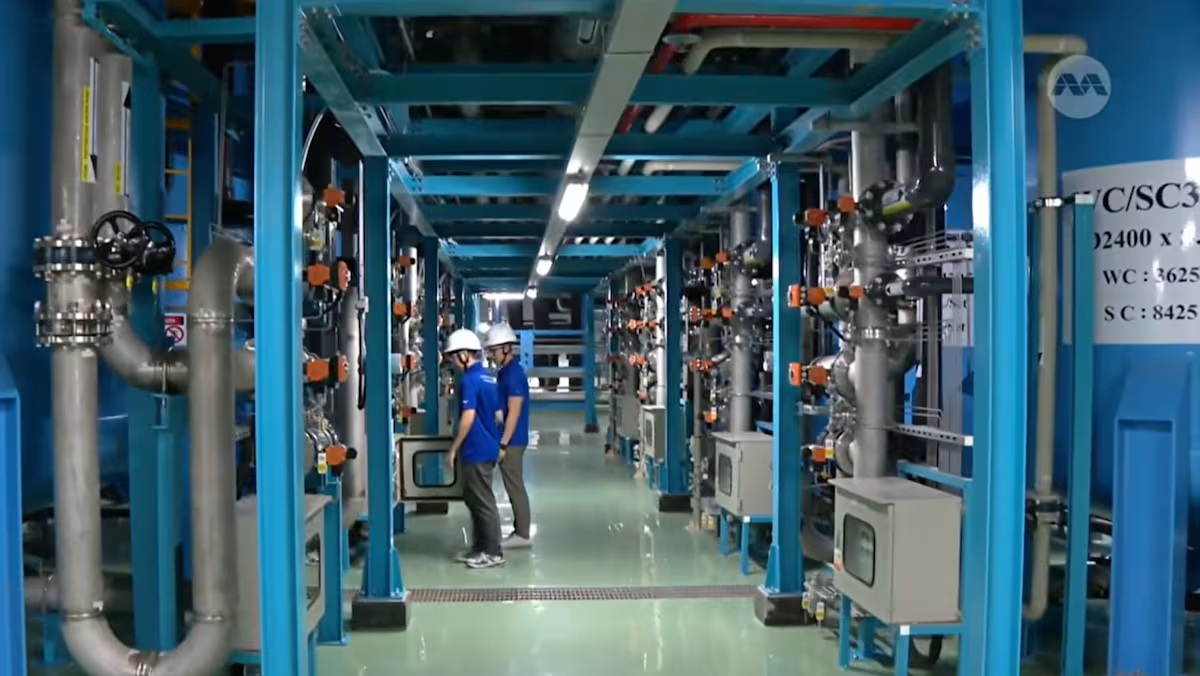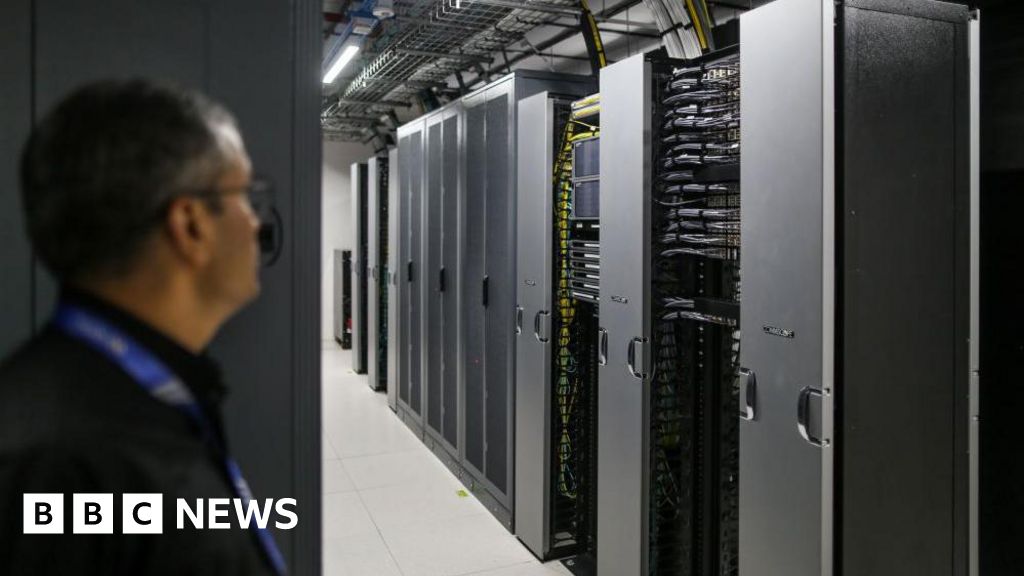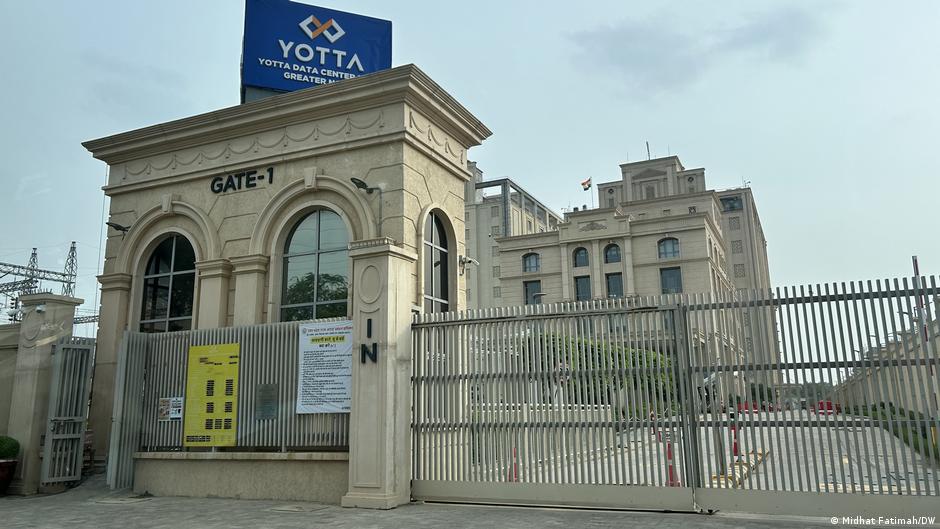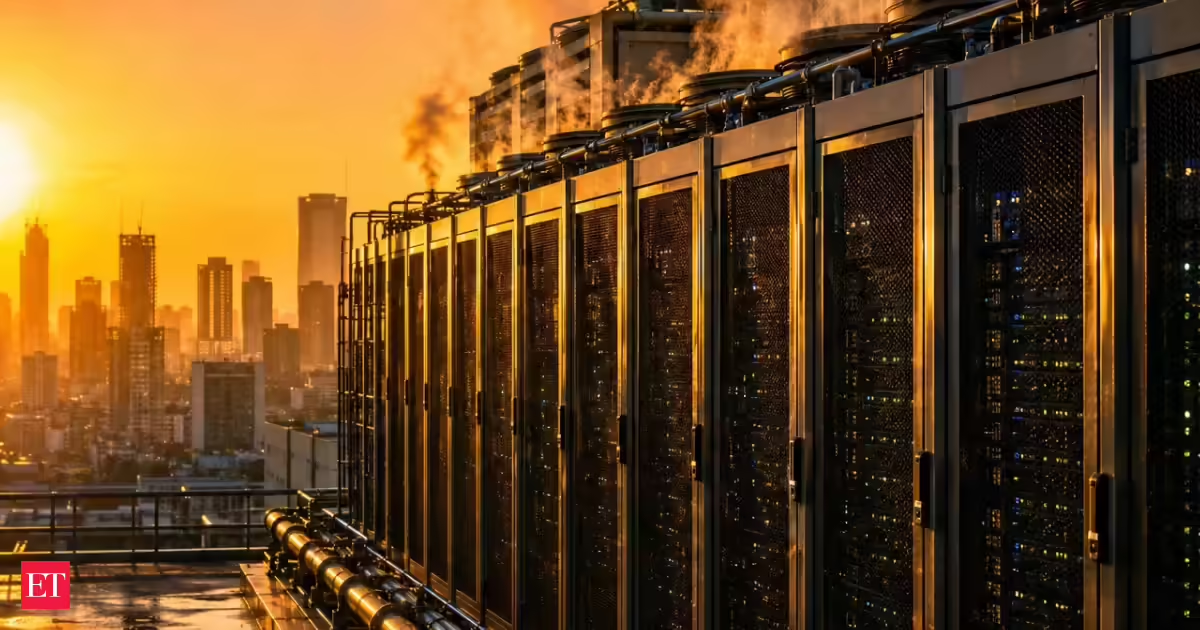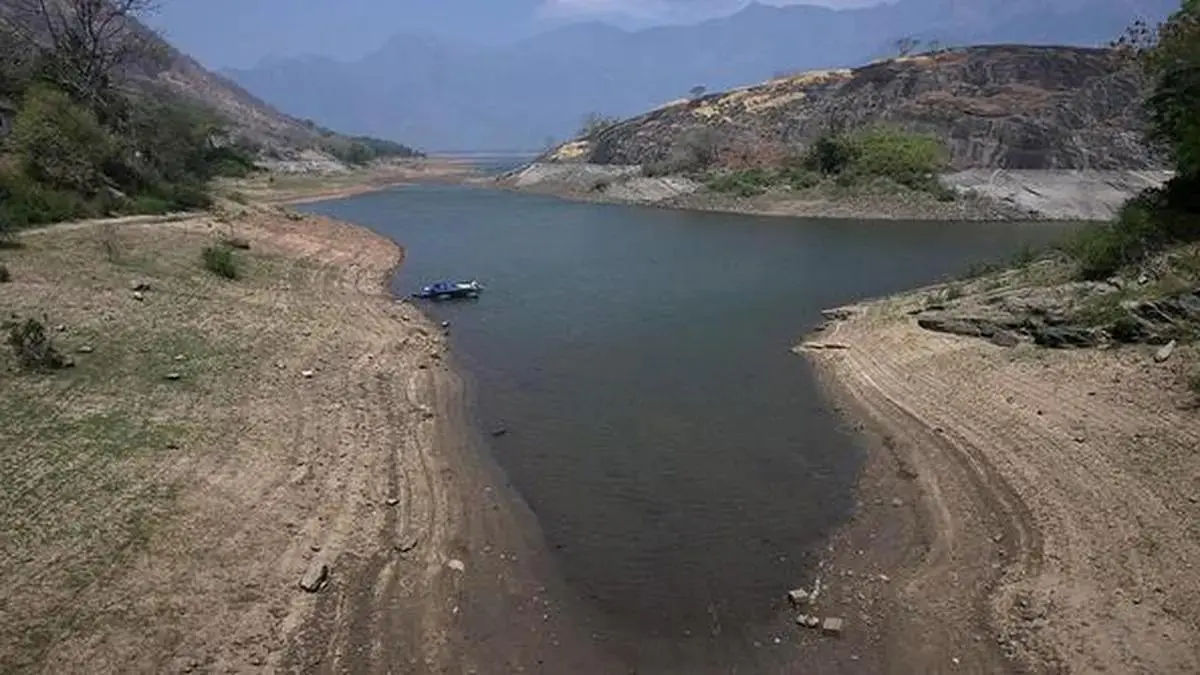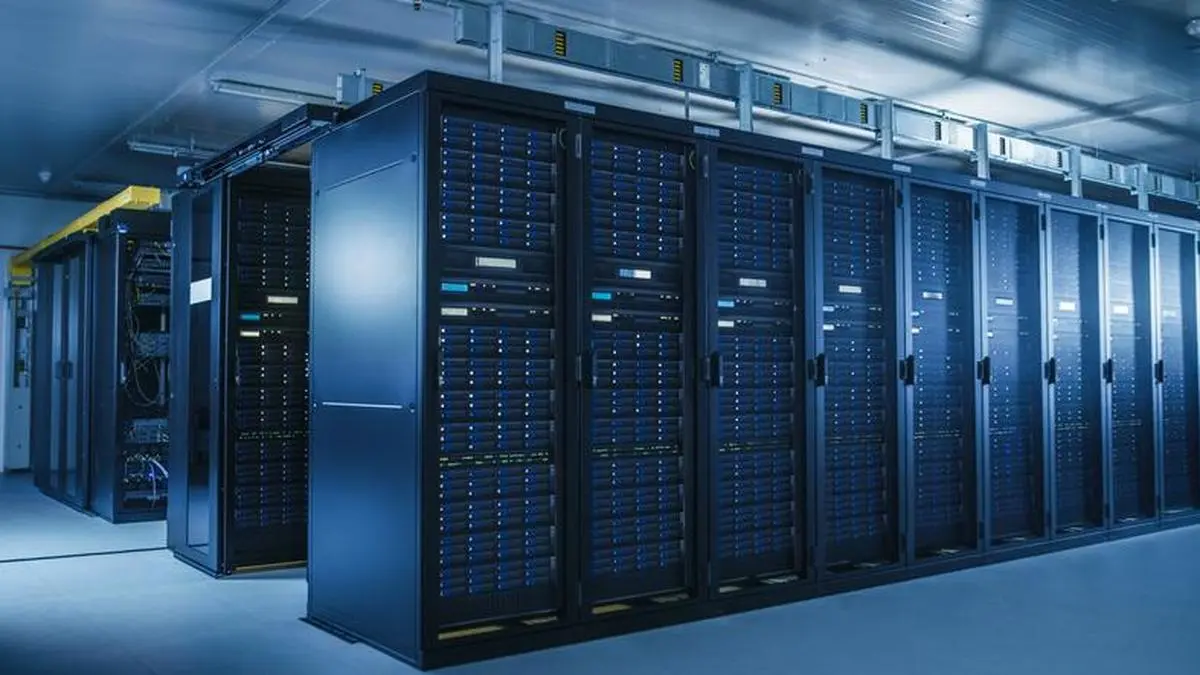
With water woes looming on the horizon, Reliance’s Jio Platforms has come up with an innovative method of using seawater for cooling its data centres and addressing sustainability concerns in India.The urgency is evident. Data centres consumed around 150 billion litres of water in 2025, a figure set to more than double by 2030. A single 100 MW facility using conventional cooling can draw roughly two million litres a day, most of it evaporated rather than returned, according to Greyhound Research.Jio plans to power its latest 168 MW data centre at Jamnagar in Gujarat using the easily available seawater rather than freshwater, the latest pivot towards sustainable efforts in the data ecosystem.“The data centre will be powered by renewable energy and cooled with desalinated seawater, demonstrating both RIL’s and Meta’s commitment to sustainability,” said Jio in its announcement.Praising the move, Greyhound Research in its research note said, “The use of desalinated seawater is far more sensible than drawing heavily on stressed municipal freshwater systems, and coastal siting carries genuine advantages where renewable energy, submarine cable adjacency and industrial land can be brought together. However, it requires energy, intake systems, creates brine and discharge questions that demand local ecological governance. It must be measured, reported and audited rather than wrapped in a green ribbon and waved through.”While the latest development in the sustainability topic, the scrutiny towards cooling methods is not restricted to Jio. Other major data centres in India have also been working on alternate means to cool their buildings without stressing existing natural resources.For example, Yotta Data Services data centres focus primarily on air-cooling with tens of chillers installed on the terrace and closed-loop water-pipes running along every data centre floor to regulate the system.“Once in six months, we have to top-up the closed-water but even that is minimal. It is said that around 50 MW consumes only as much water in a year as a restaurant will consume in a year,” said Sunil Gupta, Founder of Yotta Data Services.ESDS too plans to transition their Indian data centres away from purely water-based cooling towards other methods. Particularly for its Mumbai facility, ESDS is using a “fully closed-loop water-cooled system” that continuously recirculates the same water.“Fresh-water draw is limited to minor make-up — about 2,500 to 3,000 litres a year for the entire facility. Being a sealed, near-zero-loss loop, it avoids the heavy evaporative losses of open cooling towers, keeping our annual consumption a tiny fraction of a comparable conventional facility. Water stewardship is tracked as a core ESG metric alongside energy and carbon,” said Ashok Pomnar, Chief Technology Officer (CTO), ESDS. This technique helps the plant at its most efficient point while sustaining a 1.5 Power Usage Effectiveness (PUE).Aside from these local players, international players like Amazon Web Services (AWS) told businessline about their plans to invest more than ₹42 crore ($4.3 million) in water replenishment efforts across India to restore over 3 billion litres of water annually.“We also don’t use water when cooling our data centres. Our ambient DC temperature will be slightly higher than some of the others but we provide still optimal output when it comes to services,” said Sandeep Dutta, President, AWS India and South Asia.Water woesDespite the efforts announced by big players, water usage is a major concern in India. With cities already facing water problems, credit rating companies like Moody’s Ratings have flagged serious water stress in India amidst growing data centre demand.In a recent report, it noted that India has a fragmented water governance structure, highly subsidised pricing and slow reallocation among sectors. In such a backdrop, the rapid growth of the DC ecosystem, driven by the expansion of cloud computing and AI, will add further water-intensive industrial pressure that governments and utilities will increasingly need to accommodate.In fact, “water” has now reached parity with power as the defining constraint on India’s data centre ambition, as per Greyhound Research. While water-cooling involves more maintenance pressure, air-cooling raises cost operations and carbon intensity. With the El Nino phenomenon expected to adversely affect India’s monsoons and groundwater levels, stakeholders must take a closer look at the redistribution and usage of existing freshwater in the country.Published on June 23, 2026
India’s data centres shift cooling strategy amid water crisis
With water woes looming on the horizon, Reliance’s Jio Platforms has come up with an innovative method of using seawater for cooling its data centres and addressing sustainability concerns in India.
695 words~3 min read