Moody’s added that water governance issues, combined with climate-related risks such as heat stress and monsoon variability, could lead to persistent shortages and long-term fiscal strain.
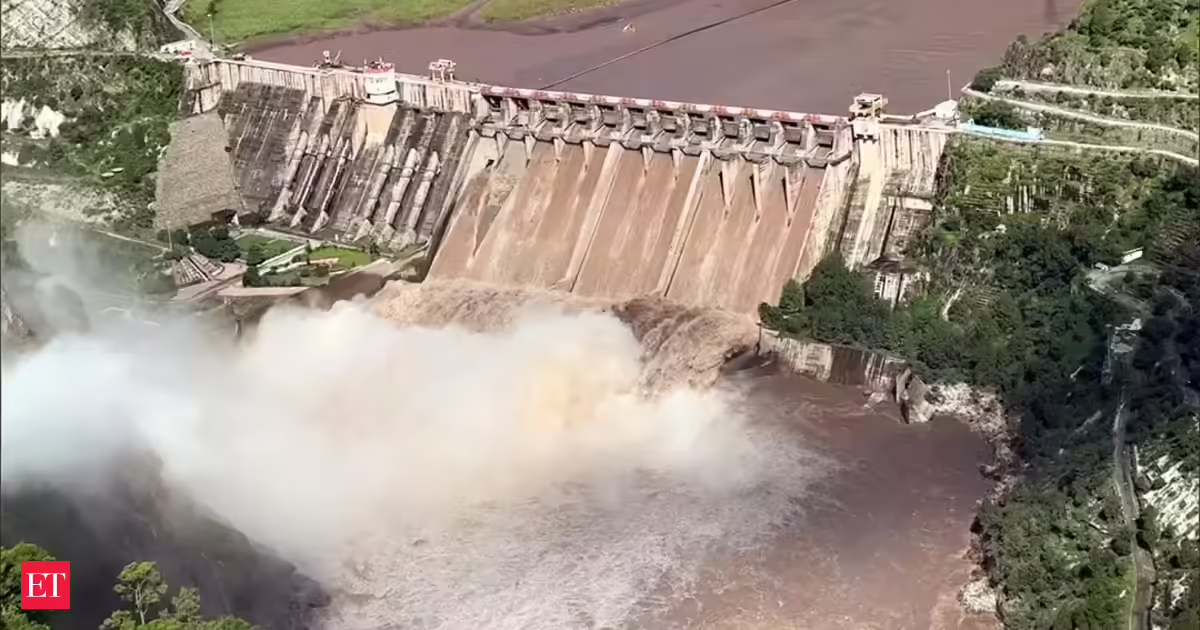
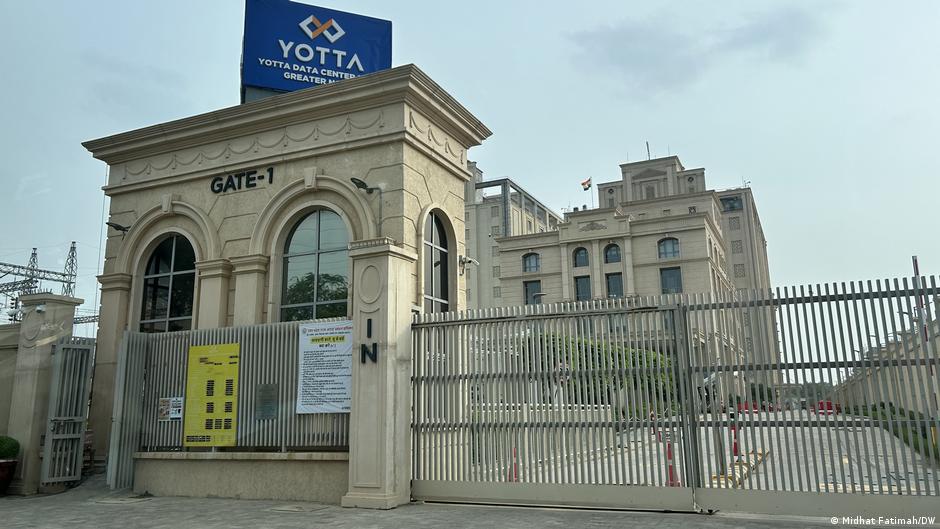
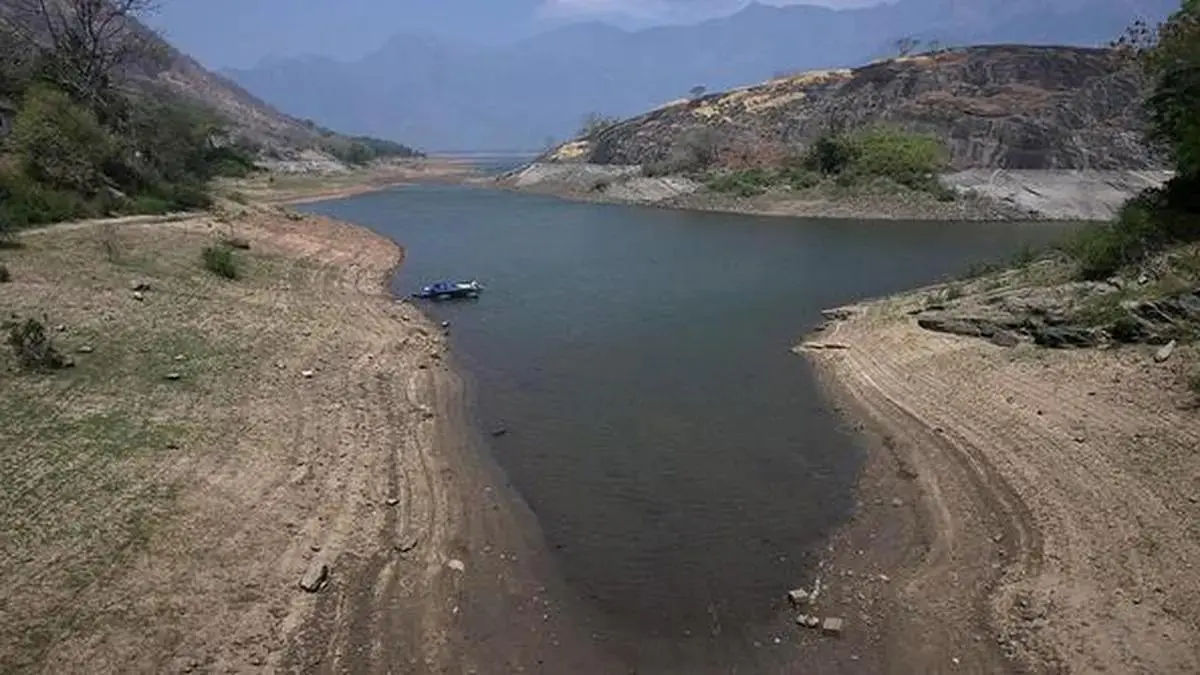
Moody’s on Monday cautioned about water stress due to rapidly growing demand from data centres. It also said that India’s ‘fragmented’ water management framework raises fiscal, credit risks.“Rising demand from water-intensive industrial operations and data centres can further strain water systems already contending with source and treatment concentration. The physical architecture of water supply systems matters because concentration in a single source or treatment pathway can magnify the effect of supply stress,” Moody’s said in a report on water management.Though the report has not mentioned about India in terms of water stress on account of data centres but going by Indian government’s focus on developing more data centres indicate what could happen here. It may be noted that many of Indian big cities are facing water problem. Only last week, the financial capital of the country, Mumbai had to announce rationing of water.Growing demand“Rapidly growing demand from data centres, driven by the expansion of cloud computing and artificial intelligence, is adding a further source of water-intensive industrial pressure that governments and utilities will increasingly need to accommodate,” the report added.Meanwhile, talking specifically about India, the report said that India’s fragmented water governance structure, highly subsidised pricing and slow reallocation among sectors can result in water shortage and higher risk of sustained fiscal pressure. According to the report, allocation frameworks, which govern how water supply is prioritised, priced and distributed across households, industry and agriculture, are becoming a more important determinant of economic resilience in water-stressed systems because they influence how shortages are absorbed and how quickly supply stress translates into fiscal pressure.The report finds that India has a ‘fragmented or inflexible’ water management framework which is characterised by dispersed governance, weak pricing flexibility, slower reallocation and less credible investment pathways. “Such frameworks can result in more prolonged shortages, higher costs and greater industrial and public service disruptions. The result is higher risk of sustained fiscal pressure, delayed adjustment and persistent credit strain,” Moody’s said.Water governance in India is dispersed across more than 28 States. Water management and policies is largely controlled by individual State governments. “Pricing is highly subsidised (especially for agriculture, which consumes about 80 per cent of the country’s freshwater), reallocation among sectors is slow and many regions lack the resources to invest in necessary infrastructure,” Moody’s said.Quoting findings from World Resources Institute report, Moody’s said India has high credit exposure to heat stress, flooding and monsoon variability, while its water management category has very high credit exposure, driven by ageing water infrastructure, excessive groundwater depletion.Published on June 22, 2026