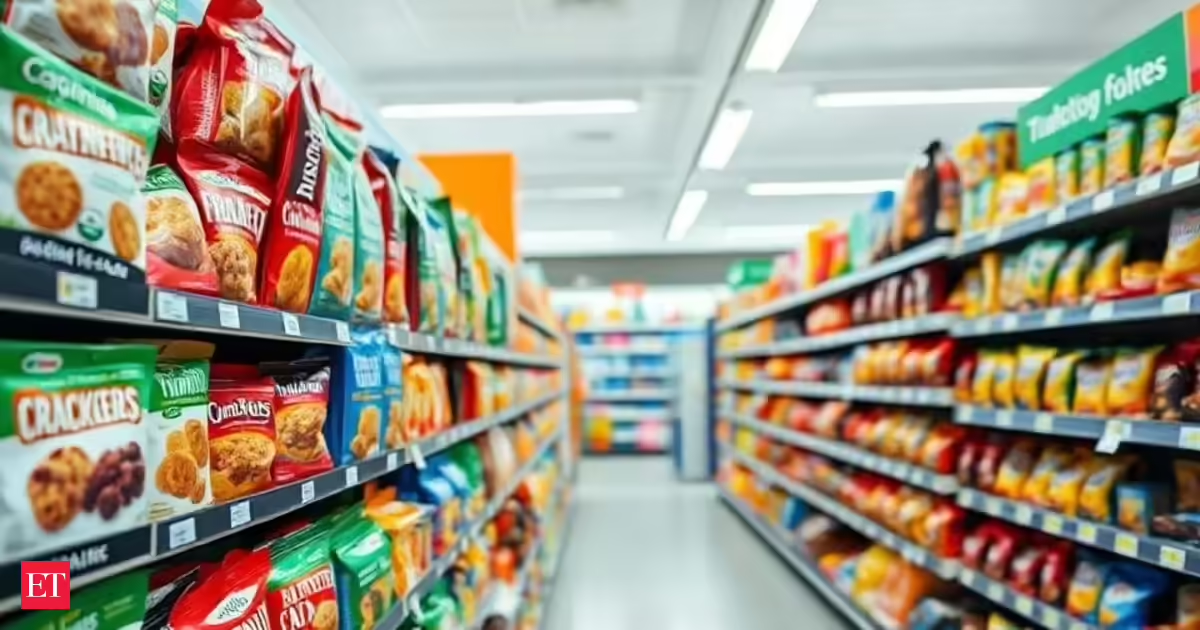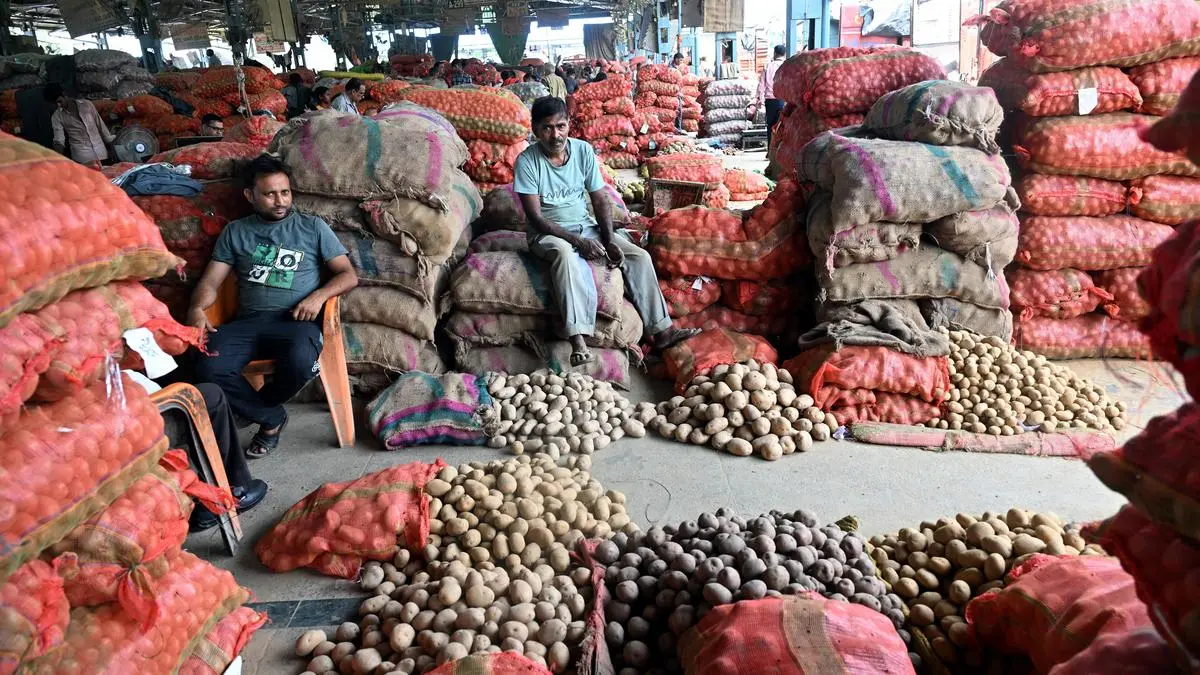
Snacking in India is evolving at a quick pace, thanks to consumers’ increasing curiosity about new foods and their penchant for experimenting with different flavours. As a result, snacking is no longer viewed purely as a basic or functional activity aimed at satisfying hunger or providing energy; it has become an emotional necessity and a means to uplift someone’s mood, says Shreyashi Keshri, Head of Marketing, McCain Foods India. In a freewheeling chat with The Economic Times Digital, Keshri shares insights about the Indian food market, consumer-centric innovations in this region, and the future of the frozen food market. Edited excerpts:The Economic Times (ET): What kind of transformation are you seeing in India’s snacking landscape now?Shreyashi Keshri (SK): The snacking landscape in India is evolving rapidly. Consumers are becoming far more experimental with their food choices. This is being driven not only by the globalisation of flavours and cuisines but also by a growing interest in traditional and authentic local tastes.Consumers today are seeking diverse food experiences and are willing to try different formats, flavours and cuisines. As a result, snacking is no longer viewed purely as a basic or functional activity to satisfy hunger or provide energy; it has become an emotional need state as well and a mood buster. Another major trend is the rise of intentional snacking. People are snacking not just because they are hungry, but also because they are looking for enjoyment, relaxation, or simply something to do when they are bored. Snacking today is as much about fun and indulgence as it is about nourishment.ET: The frozen French fry market has significantly transformed in recent years, driven by demand shifts, product innovation, and supply chain advancements. How has McCain innovated in this time to adapt to changing consumer preferences?SK: We look at innovation through the lens of evolving consumer behaviour and snacking trends. Take our recent launches, such as our international range of fries. These products are built around creating sensorial experiences for consumers. According to our consumer research and insights from the McCain Spud Report, fries in India are no longer viewed as a basic snack. They have become a cultural phenomenon.Consumers are experimenting with fries in many different ways—pairing them with shakes and ice creams, trying different seasonings, and customising them extensively. If you browse restaurant menus or food delivery platforms, such as Zomato and Swiggy, you will notice a wide variety of loaded fries, cheesy fries, and flavour-enhanced offerings.These evolving consumption habits have directly influenced our innovation pipeline. We are developing products that cater to consumers' growing desire for customisation, experimentation, and elevated snacking experiences.ET: Which product segments are seeing the strongest growth within the McCain portfolio?SK: Alongside our core potato portfolio, newer parts of the business, such as flavours, are really doing well, and then there is strong growth at the premium end of the market.Consumers today are not just looking for basic products; they want what we call “evolved basics”. There is a growing appetite for indulgence, and that is where categories such as our cheese appetisers are performing particularly well.While these products are still smaller than fries in terms of overall scale, they are growing well because they cater to rising consumer demand for indulgence, cheese, and snacking experiences, particularly centered around cheese and premium flavours.In terms of scale and volume, regular fries continue to lead the portfolio. Alongside fries, products such as Smiles, Chilli Garlic Potato Bites, and potato appetisers are among our top-performing categories.These products align closely with our positioning around family snacking and shared consumption occasions, which continue to be important growth drivers for the brand.ET: Indian consumers have traditionally viewed frozen foods as less fresh or less nutritious. How is McCain working to change that perception? Is it still a challenge for this category today?SK: Yes, to some extent those perceptions still exist, and that is one reason frozen foods remain a relatively under-penetrated category compared to larger snacking segments.To address this, we invest significantly in category education and hyperlocal relevance-building. Our influencer strategy, for example, is highly localised and tailored to different regions and consumption occasions.Our findings show that while concerns around freshness and nutrition do exist, particularly because frozen foods remain a relatively niche category in India, adoption is growing rapidly.One important insight is that consumers ultimately judge food by the experience it delivers. If a snack is served at home during a family gathering or social occasion, consumers see it first and foremost as a snack on their table, not as a product that came from a freezer. That is the mindset shift we are working to create.ET: Building a frozen-food business requires a robust farm-to-fork ecosystem. What have been some of the key learnings in developing that ecosystem in India?SK: One of the biggest benefits of a fully integrated farm-to-fork model is consistency. By working closely with farmers, managing sourcing standards, overseeing manufacturing processes, and maintaining cold-chain integrity throughout the supply chain, we are able to deliver a consistent product experience to consumers.This becomes especially important in a category like frozen foods, where the supply-chain infrastructure is still evolving in India. The concept of “farm to fork” is also about integrity. It reflects our commitment to farmers, agricultural communities, sustainability practices, and responsible sourcing. For consumers, it provides confidence that every product has gone through multiple layers of quality checks, safety standards, hygiene protocols, and operational controls before reaching their plate. Ultimately, it’s not just about freshness or quality. It's about building trust in the entire process behind the product.ET: Is there a larger story that McCain tells consumers about where its products come from and what the brand stands for?SK: Absolutely. In fact, one of the most visible examples of that has been our recent global brand identity transformation. Over the last year, McCain has transitioned to the “Sunshine Logo.” If you compare it with our previous logo, you will notice that the new identity incorporates several visual elements inspired by nature—sunshine, farms, trees, fields, and a bird in flight.The intention behind the redesign was to create a warmer, more authentic, and more natural expression of the brand. It reflects our roots in agriculture and our commitment to sustainability, while remaining consumer-friendly rather than overtly technical. It was a broader effort to communicate who we are as a brand and where our products come from.ET: When we talk about India’s growth story, agriculture often gets a lot of attention. What more needs to be done to unlock the full potential of the country’s food-processing sector? What are the biggest opportunities and challenges ahead?SK: One of the biggest challenges is infrastructure. Food processing requires strong supporting infrastructure, including warehouses, cold-chain facilities, and transportation networks. For example, if a region is a major producer of oranges or dairy products, there needs to be an efficient system to process, store, and transport those products while maintaining quality.Cold-chain infrastructure remains particularly underdeveloped in many parts of the country. Transportation is another significant challenge, especially last-mile logistics. There is also a broader need for greater awareness and scientific understanding around storage, handling, and cold-chain management across the ecosystem.When people discuss India's growth sectors, the conversation often focuses on electronics, automobiles, or large-scale manufacturing. However, food processing has enormous, untapped potential. If you consider the cumulative contribution of small, medium, and large food-processing businesses across the country, the sector represents a substantial economic opportunity.The challenge is that it has not received the same level of attention, investment, or policy focus as some of the more visible industries. Food processing sits at the intersection of agriculture, manufacturing, logistics, sustainability, and rural development. Strengthening the sector can create value across the entire supply chain—from farmers to consumers.ET: What are some of the key consumer trends influencing McCain’s innovation strategy today?SK: One of the biggest trends we are seeing is consumers wanting to create new and differentiated experiences at home. Food experimentation is becoming much more common, and it's no longer limited to one member of the family. We are seeing moms, dads, and even younger consumers actively experimenting with food and snacking formats.As a result, our innovation efforts are focused on a few key areas: global flavours, air-fryer solutions, and premium indulgent snacking. Based on extensive consumer research, we identified a growing interest in international cuisines and launched our "Taste the World" platform. Under this platform, we have introduced flavours inspired by Korean, Italian, American, and Mexican cuisines. These complement our existing flavoured-fries range, which includes products such as Masala Fries and Pepper Crunch Fries.Besides this, air fryers are a major focus area for us. We have seen a significant increase in air-fryer adoption, particularly in metro markets and among modern urban households. This is part of a larger trend of kitchen modernisation, where consumers are investing in newer appliances and looking for products that fit those evolving lifestyles.ET: What are the future targets for McCain India?SK: McCain India reported revenues of approximately Rs 11,655 million in FY25. While we do not share specific future revenue targets, we remain confident about the growth prospects for both the frozen food category and our business in India. The market continues to benefit from strong structural tailwinds, including increasing consumer acceptance of frozen foods, the rapid growth of quick commerce, improving cold-chain infrastructure and the emergence of new consumption occasions.
Smiles, fries & air-fryers: Why Canadian food giant McCain is bullish on India’s snacking boom
Consumers are embracing global and local flavours, driving innovation in products like fries and premium appetisers. McCain is actively addressing perceptions of frozen foods, focusing on education and the positive in-home experience, while also investing in a robust farm-to-fork ecosystem.
TL;DRAI
McCain launches premium snacks (Smiles, Chilli Garlic Bites) as India's snacking shifts from functional to emotional indulgence. Key signal: integrated supply chains and food-delivery partnerships become competitive moats in emerging markets with fragmented cold-chain infrastructure.
1,550 words~7 min read