India is among the world’s largest consumers of edible oil, with the market touching 25 million tonnes in 2024.
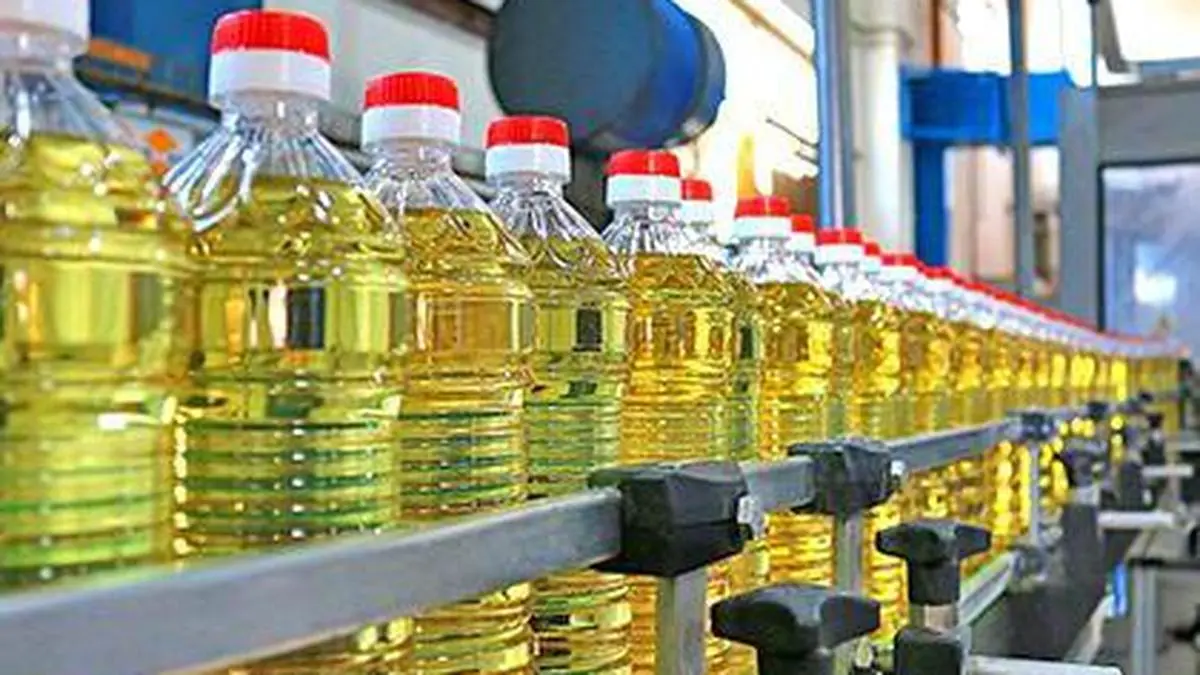
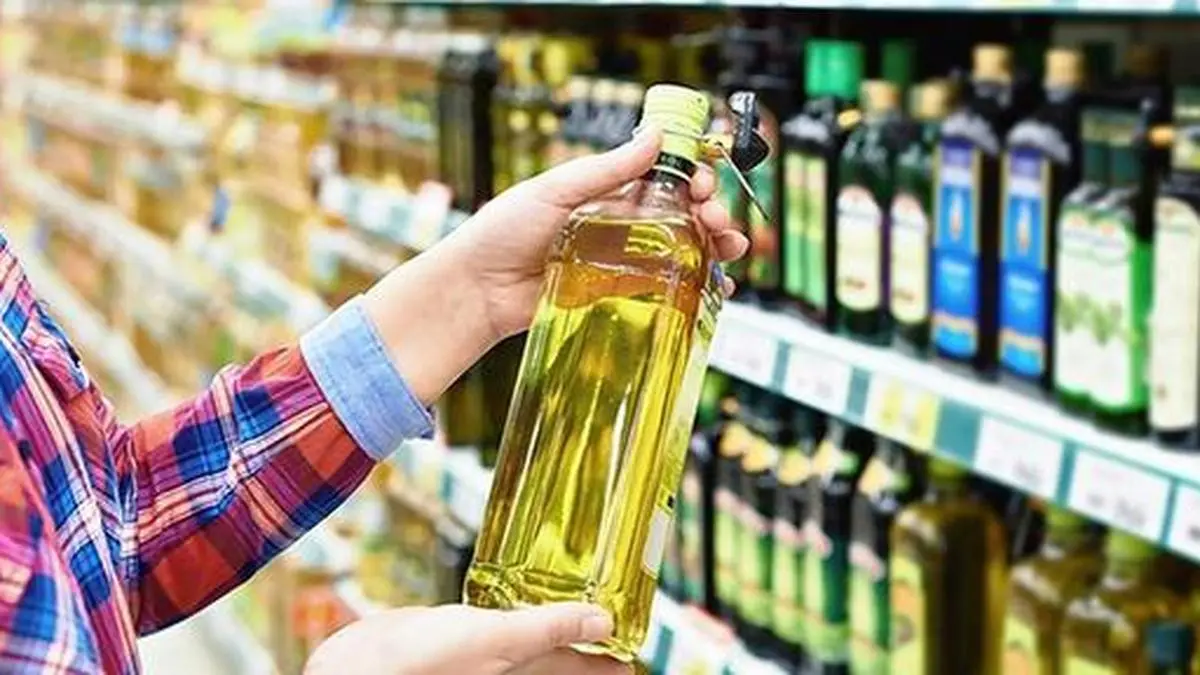
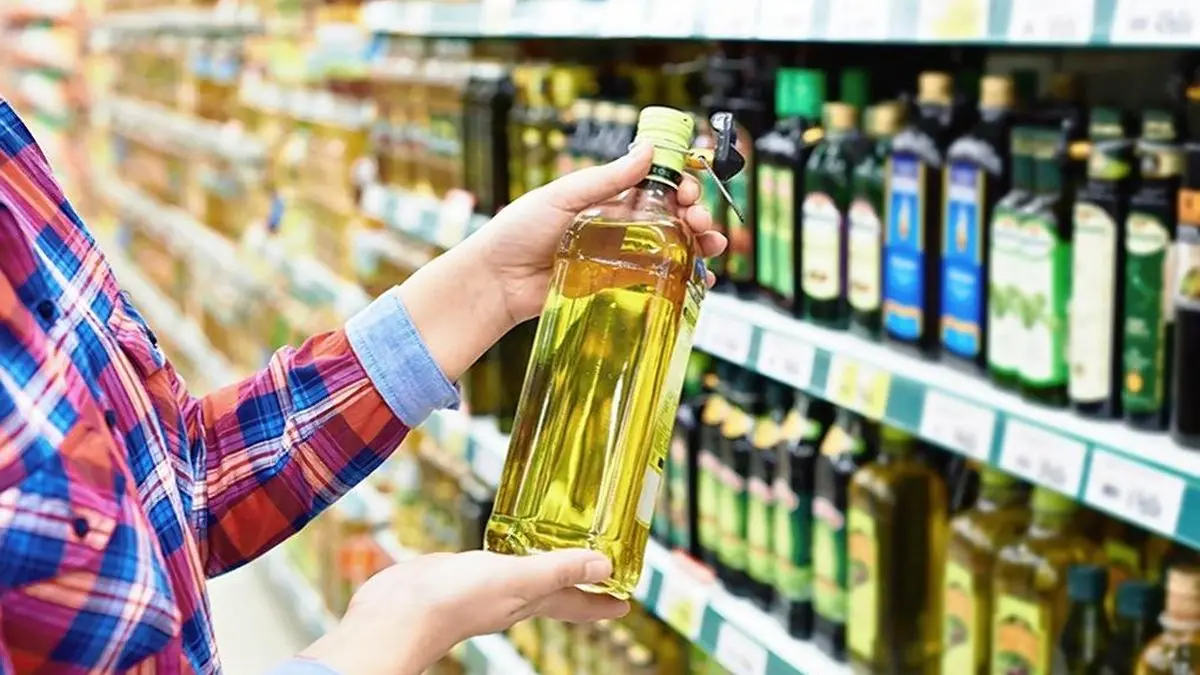
The Indian consumer today is far more alert at the point of purchase than they were even five years ago. People are comparing prices across platforms, checking unit rates, and questioning why two packs of the same oil are priced similarly but differ in volume by 100 ml. This growing scrutiny from the ground up is precisely what has nudged policymakers to act. The government’s move to standardise edible oil pack sizes to fixed volumes: 500 ml, 1 litre, 2 litres and 5 litres is a direct response to a market where consumers were being quietly shortchanged.The real issue, however, runs deeper than pack sizes alone. Most consumers are drawn to price at the point of purchase and rarely pause to check the net weight on the label. This gap between what attracts the eye and what determines value has been exploited sometimes deliberately, sometimes not through non-standard packaging. While authorities had previously made the mention of Unit Sale Price mandatory on packaging, poor consumer awareness meant the regulation never quite achieved its purpose. The standardisation moves addresses this at the root, it removes the complexity entirely rather than asking consumers to navigate it.When every product on the shelf sits in an identical pack size, the comparison becomes honest and immediate. Price per litre is visible, value is clear, and the choice belongs entirely to the buyer. The current maze of odd-sized packs: 850 ml, 950 ml, 650 ml, 700 ml has long made that comparison needlessly difficult. Standardisation removes that confusion, and it is a reform the industry should welcome without reservation.Transparent policyThe impact of this policy is expected to become visible once the three-month transition period for clearing existing inventory is completed and the new standardised pack sizes are fully implemented in the market. By providing consumers with a common reference point and eliminating the need for mental arithmetic or guesswork, the policy is likely to make product comparisons simpler and more transparent.Over time, this greater clarity could encourage consumers to evaluate options more carefully, explore different brands, and make more informed purchasing decisions. Beyond standardising pack sizes, the policy has the potential to strengthen consumer confidence and drive greater transparency across the edible oil category.A market larger than most people realiseIndia is among the world’s largest consumers of edible oil, with the market touching 25 million tonnes in 2024. Projections put this at 28.2 million tonnes by 2033, and the market’s rupee value is expected to reach ₹5,19,905 crore by FY 2027-28. The more interesting story, however, is not the size but what is happening within that growth who is buying, what they are choosing, and why.Household consumers account for 64 per cent of total edible oil consumption in India. For decades, that buyer was driven purely by habit and price. That buyer still exists, but they are no longer the whole picture.From loose oil to packagedThe steady decline of loose, unbranded oil is one of the clearest signals of this shift. The unorganised segment is losing market share consistently as consumers move toward packaged oils: not just for hygiene, but because the pack now carries information they actually use. An FSSAI mark, a nutritional panel, a quality certification, these have entered the purchase decision in a way they simply had not before. The informed buyer is no longer an exception. They are becoming the norm.What the industry must do nowThe Indian edible oil industry is set to grow from $19.86 billion in FY2024 to $,26.19 billion by FY2032. That opportunity will not be shared equally. It will flow toward companies that have kept pace with the consumer investing in quality, building genuine trust, and communicating honestly about what is inside the bottle. Standardised pack sizes are one step in the right direction, but the responsibility does not end there. Better labelling, cleaner processing, and pricing that respects the buyer’s intelligence are what the market now demands. Trust, transparency and quality are no longer differentiators in this market, they are the bare minimum.The author is Chief Business Officer, Gokul Agro Resources LimitedPublished on June 20, 2026