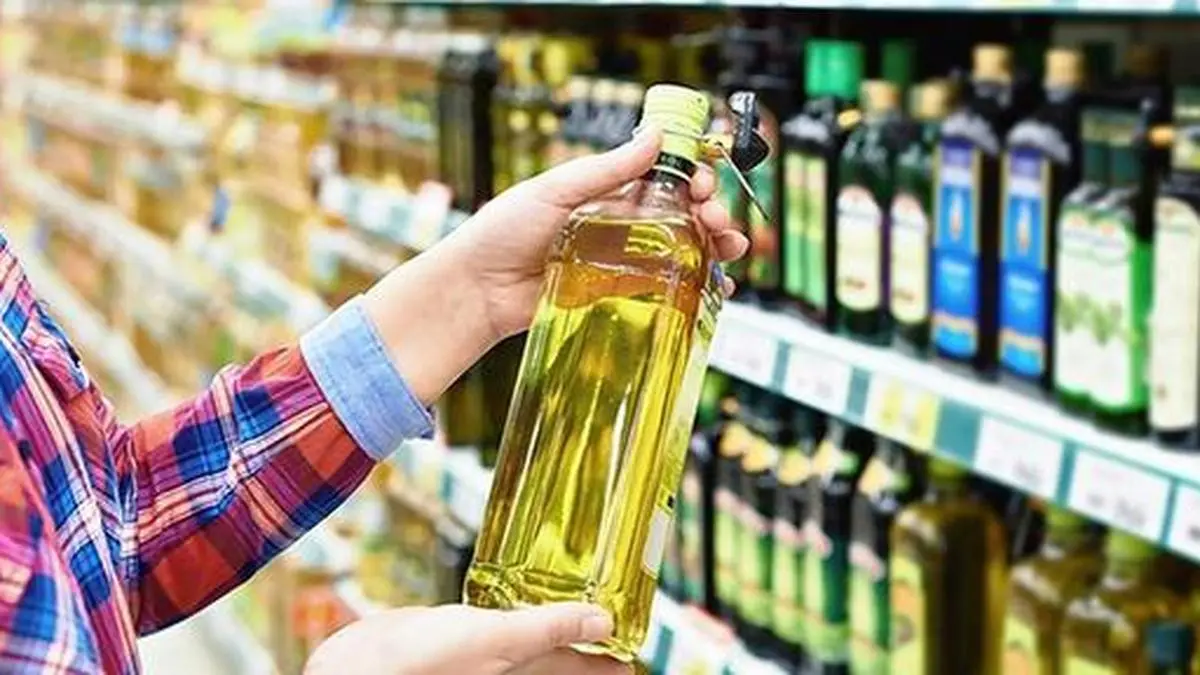
The reason of price rise is combination of various factors
| Photo Credit:
sergeyryzhov
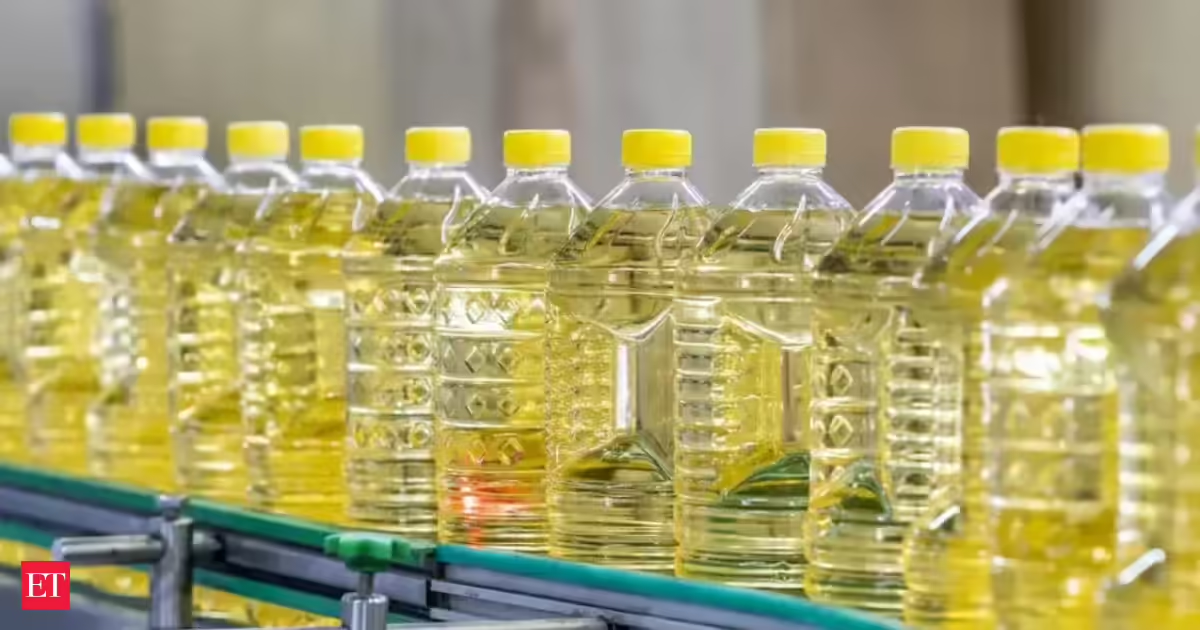
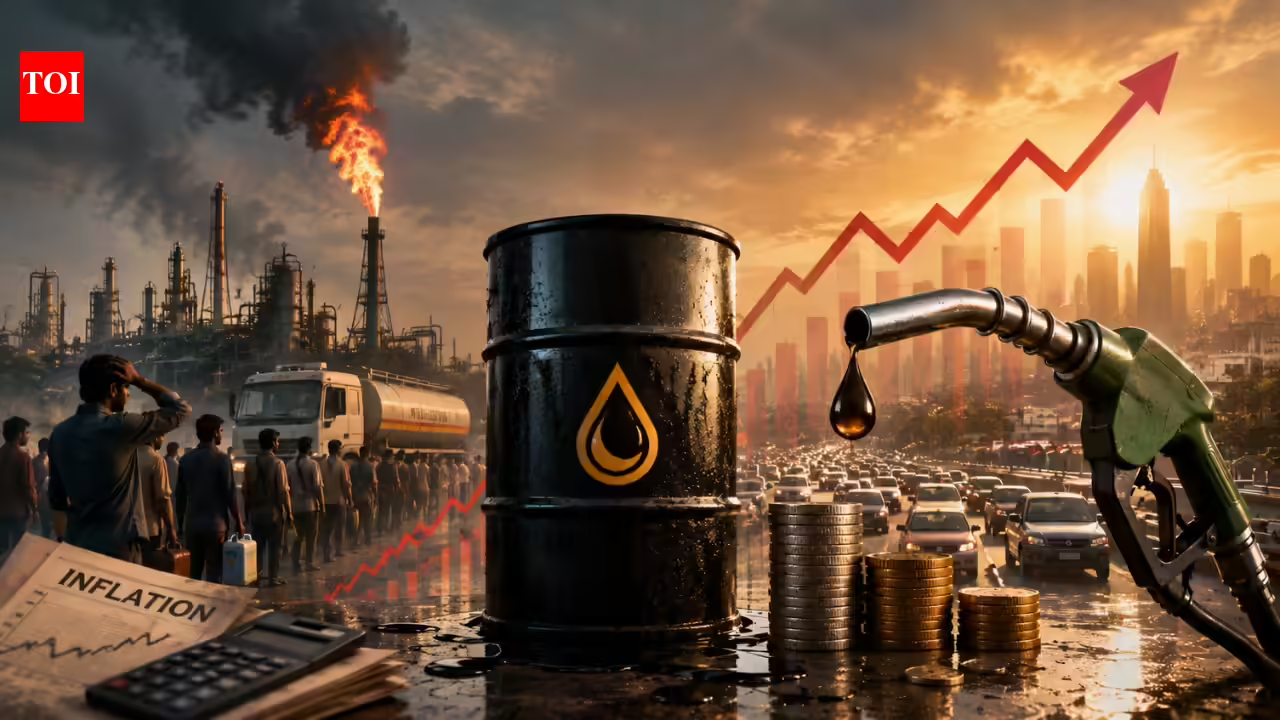
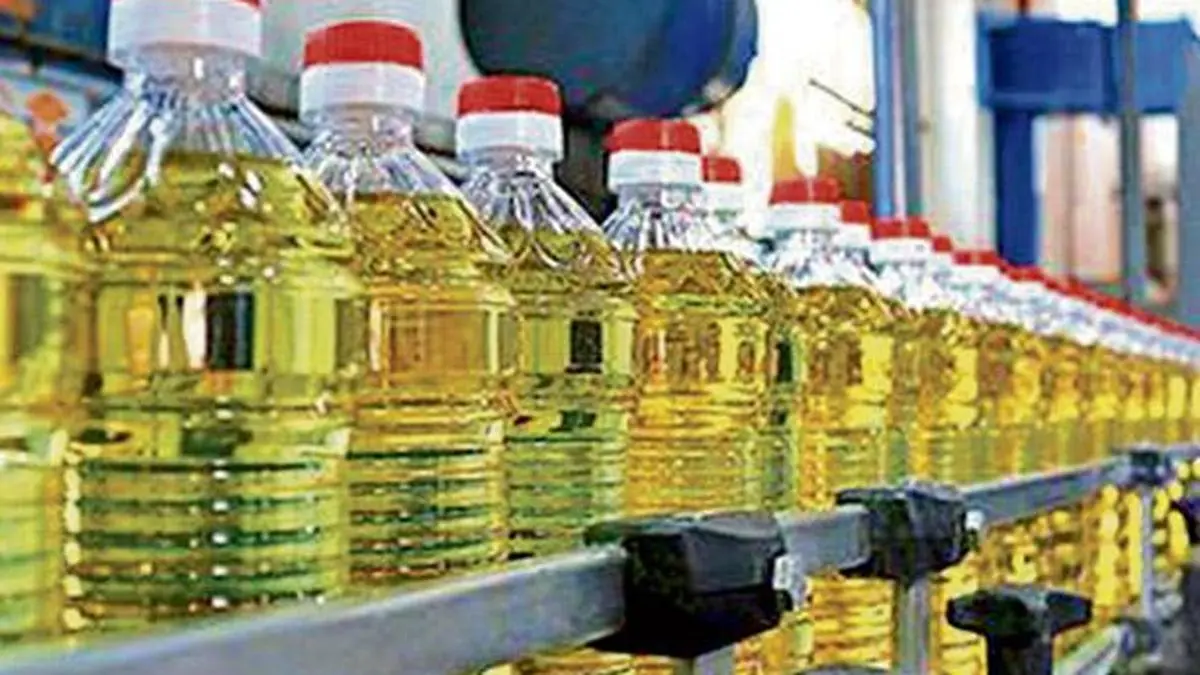
Indian household budgets are facing renewed pressure as edible oil inflation has surged sharply. Latest data from the Ministry of Statistics and Programme Implementation reveals that the inflation rate for refined oil has more than doubled over the past four months. Concurrently, mustard oil has registered an increase of over 21 percentage points, further intensifying the fiscal strain on domestic consumers.These numbers are critical as India imports up to 60 per cent of its edible oil requirements, spending nearly $19.35 billion on imports of these products during FY26. Considering the mounting pressure on the rupee due to elevated dollar outflows, Prime Minister Narendra Modi has appealed to the public to reduce consumption.Noting that edible oil imports, alongside fuel, consume a substantial amount of foreign exchange, the Prime Minister highlighted the dual benefits of lower domestic consumption. “Not only fuel, but also edible oil imports consume a large amount of foreign exchange. If we exercise restraint and reduce the consumption of cooking oil, both the country and our health will benefit,” he had said last week.The reason of price rise is combination of various factors. According to Ramakrishnan M, Managing Director at Primus Partners, the current surge is the product of long-neglected structural weaknesses now colliding with sharper, external forces. The foundational problem is dependency. India relies on imports for 50–60 per cent of its edible oil demand, with palm oil alone comprising from 45 - 60 per cent of that import basket, sourced primarily from Indonesia and Malaysia.News from Indonesia is adding to the woes. ”Indonesia is diverting about 50 per cent of its palm oil production to bio diesel; this will reduce the availability of palm oil in the open market. Higher Global prices of edible oils will result in India paying more for imported edible oils,“ Siraj Hussain, former Agriculture and Food Processing Secretary said.There is no relief in sight, Ghanshyam Khandelwal, Chairman at BL Agro said. Going forward, prices are expected to remain firm, although a sharp rise may only occur if global crude oil or currency pressures intensify further. “In the long term, India needs to focus on strengthening domestic oilseed production and promoting responsible consumption to reduce import dependence and ensure price stability,” he said.Sudhakar Desai, President at Indian Vegetable Oil Producers’ Association (IVPA) said that global biofuel demand continues to divert oils away from food use, while supply growth in key producing countries remains constrained. In Indonesia and Malaysia, future output growth will increasingly depend on replanting and yield improvement rather than acreage expansion. “Newer Southeast Asian origins like Thailand add incremental volumes, but they are unlikely to fully offset tighter balances in the major palm oil complex,” he said.To structurally reduce India’s dependence on imports rather than merely managing temporary price spikes, the government needs to accelerate its missions on oilseeds and oil palm, according to BV Mehta, Executive Director of the Solvent Extractors’ Association of India (SEA). Mehta emphasised that these missions must be backed by stronger procurement mechanisms, better seed varieties, improved agronomy, irrigation support, and clearer market assurance for farmers.He noted that the country should pivot its strategy toward enhancing the yields of indigenous crops. “Greater emphasis should be placed on domestic oils such as mustard, rice bran, groundnut, and soybean where India has a realistic chance of improving output,” he said.Published on May 19, 2026