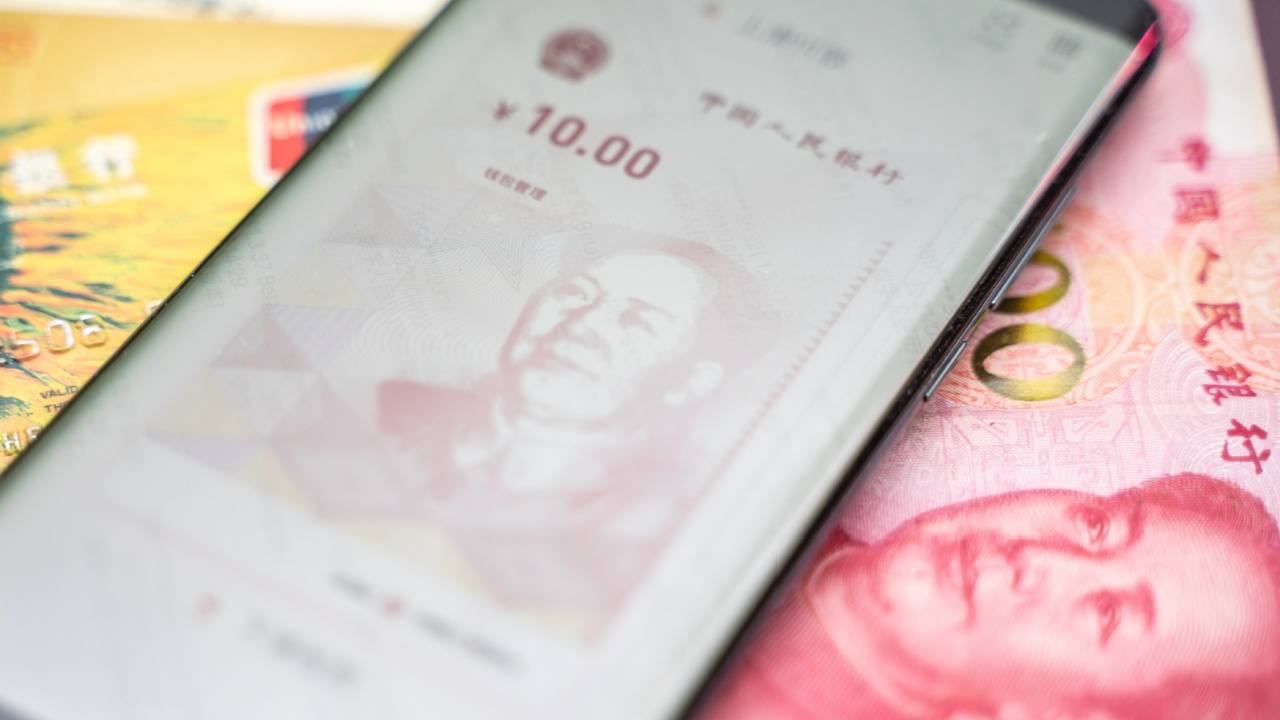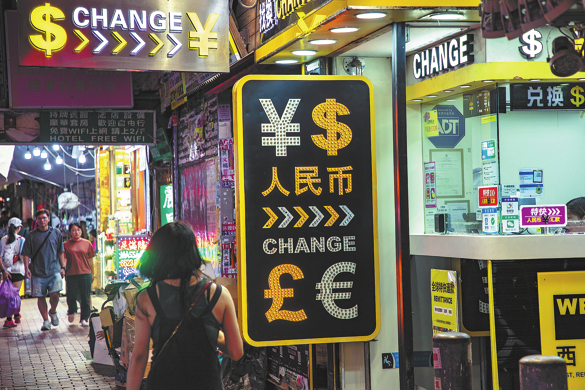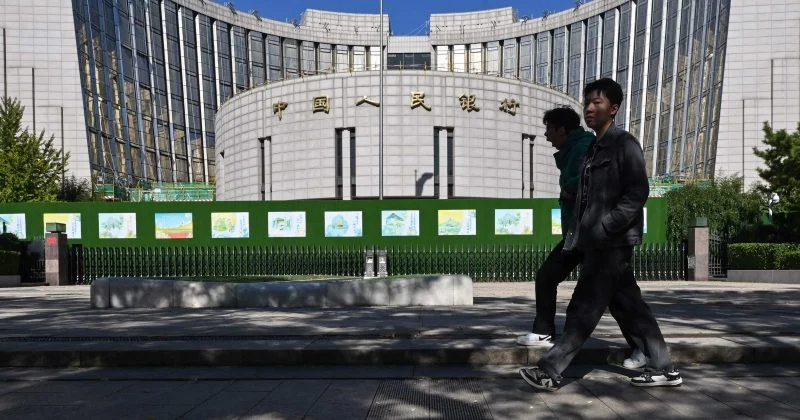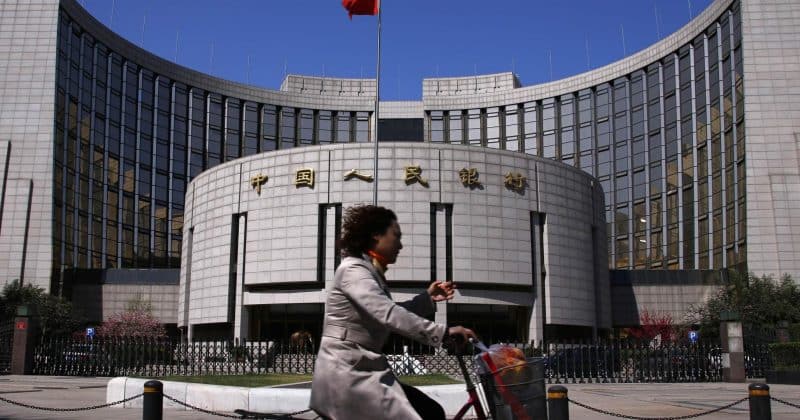
China just made its most consequential move yet in the slow, deliberate chess match to internationalize the yuan. On June 17, six major state-owned banks, including Bank of China and China Construction Bank, received authorization to conduct offshore RMB transactions within Shanghai’s free trade zone.
The goal is straightforward: bring the domestic yuan (CNY) and the offshore yuan (CNH) closer together without actually removing the capital controls that keep Beijing in the driver’s seat.
The mechanics: FTZ as a controlled experiment
Shanghai’s free trade zone has long served as China’s sandbox for financial liberalization. Allowing state banks to handle offshore yuan business there creates a regulated corridor where international RMB transactions can happen on the mainland, just not in the broader domestic economy.
This matters because the gap between onshore and offshore yuan markets has historically been a source of friction. International traders and businesses deal in CNH, which trades freely outside China. Domestic participants use CNY, which is tightly managed by the People’s Bank of China. By letting state banks straddle both markets within the FTZ, Beijing is essentially creating a pressure valve that can boost offshore liquidity without surrendering monetary sovereignty.