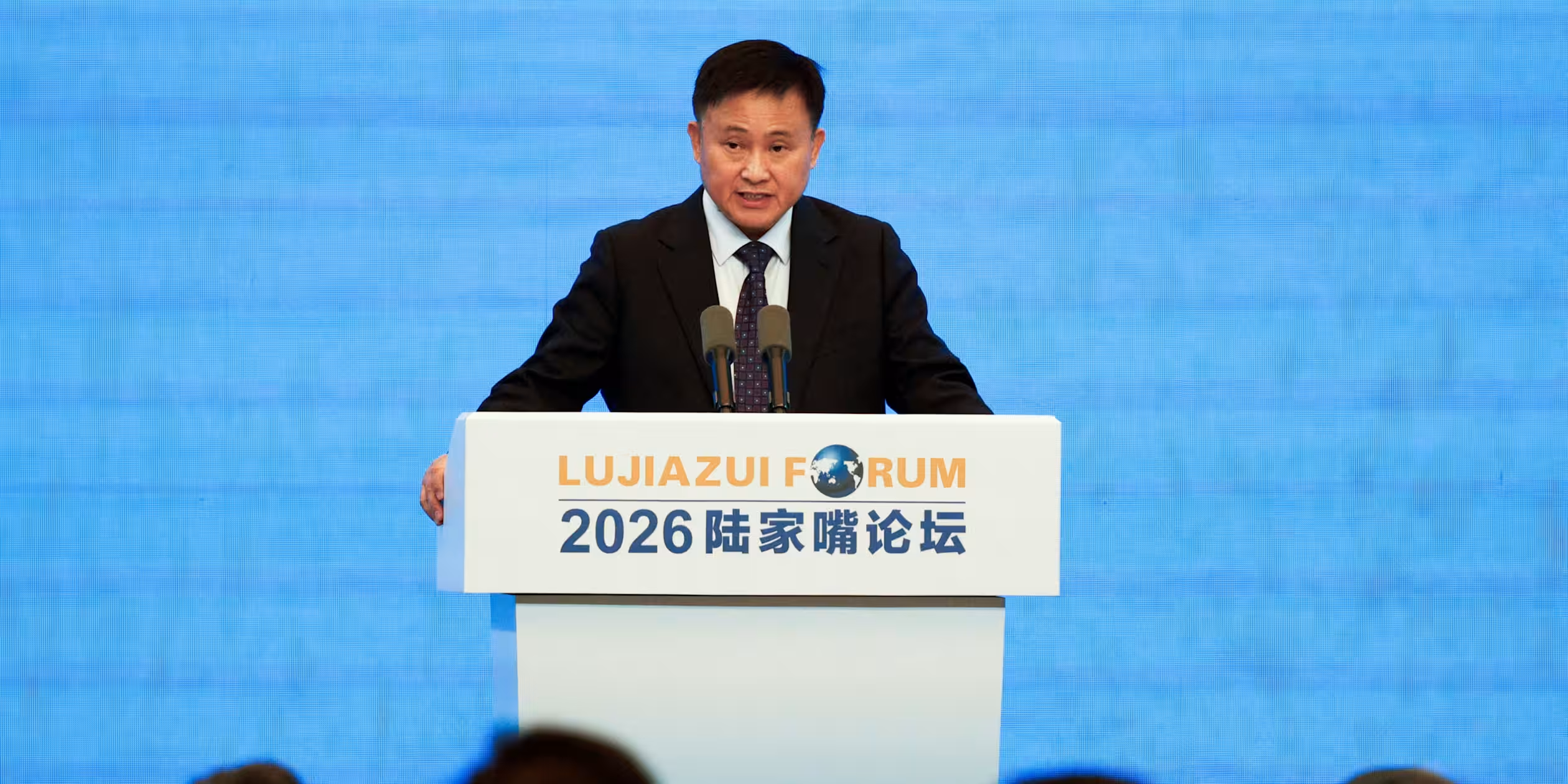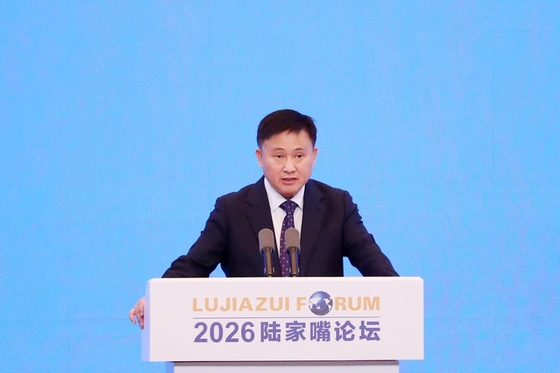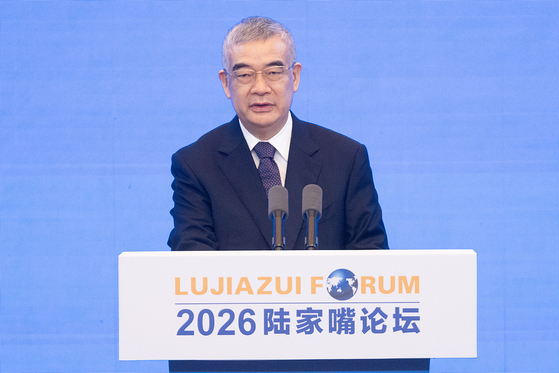
With Chinese financial regulators taking further steps to broaden outbound-investment channels and facilitate cross-border capital flows, analysts see the moves reflecting Beijing’s push for a more “rules-based capital account opening” and greater yuan internationalisation amid the currency’s recent appreciation.These measures, unveiled on Wednesday at the annual financial gathering known as the Lujiazui Forum, include initiatives to boost offshore trading of yuan-denominated products and the expansion of existing investment schemes.Analysts suggest that the adjustments help address rising demand from institutional and retail investors for greater access to overseas investment avenues. More crucially, channelling cross-border capital movements through compliant pathways makes it easier for authorities to monitor outflows.Trading power shiftThe liberalisation is “more than boosting the yuan’s international profile”, said Dai Lu, chief analyst at Shanghai-based Guotai Junan Futures. “The pilot trading system equips the PBOC with a new lever to influence the offshore market and even gain the pricing power of the offshore yuan.”Previously, the central bank’s primary tools to influence offshore rates were issuing central bank bills or instructing Hong Kong subsidiaries of state-owned lenders to sell or buy, she added.The governor of the People’s Bank of China, Pan Gongsheng, announced on Wednesday that the Shanghai Free Trade Zone would permit offshore-yuan foreign-exchange trading via the China Foreign Exchange Trade System. Six lenders were granted trading qualifications at the initial stage, with Industrial and Commercial Bank of China and Bank of China landing the first batch of transactions.According to the banks’ official announcements, the counterparties included entities from Hong Kong, Singapore and Britain trading offshore yuan against the US dollar, euro, Japanese yen and other currencies.While Hong Kong is currently the dominant offshore yuan trading centre, increasing activity in the Shanghai free-trade zone could offer an alternative to Hong Kong. Dai noted that the deregulation could also lay the groundwork for the launch of onshore yuan forex futures.
China’s policy blitz at Lujiazui Forum – what the monetary overhaul means
Regulators are leveraging currency strength to formalise outbound routes, granting fresh quotes for global assets while narrowing the interest-rate corridor.
308 words~1 min read