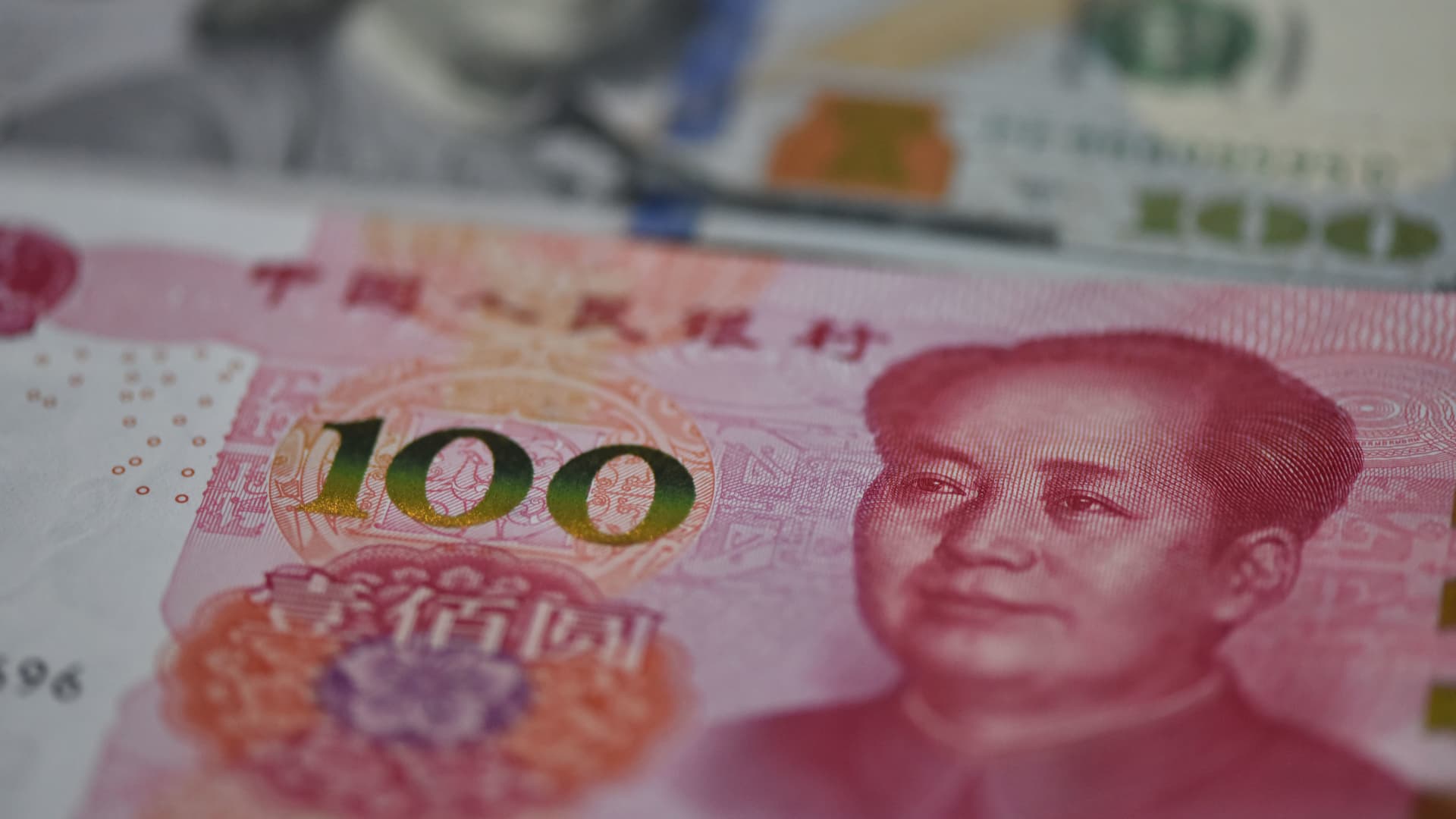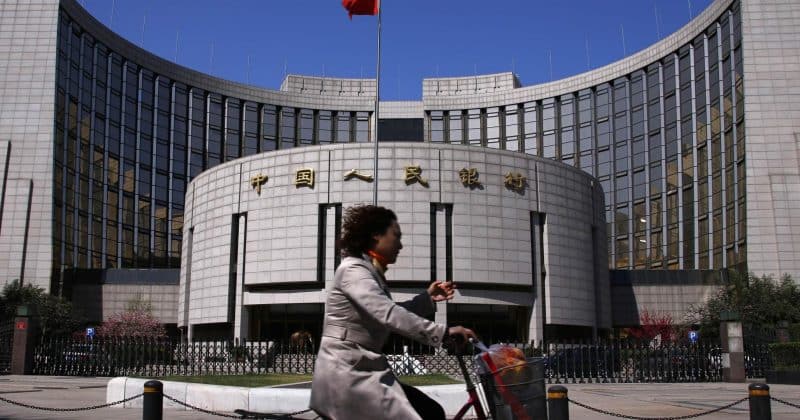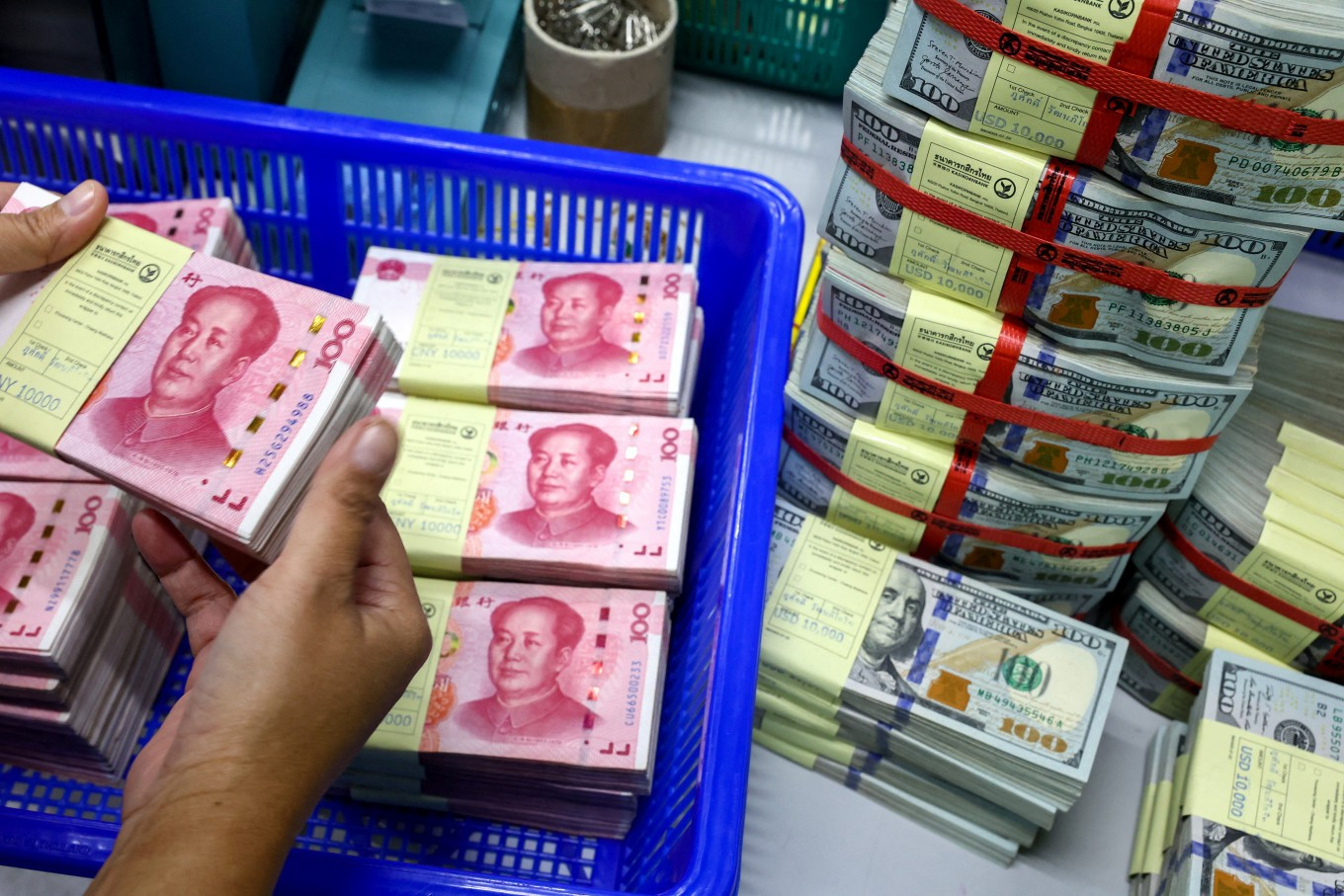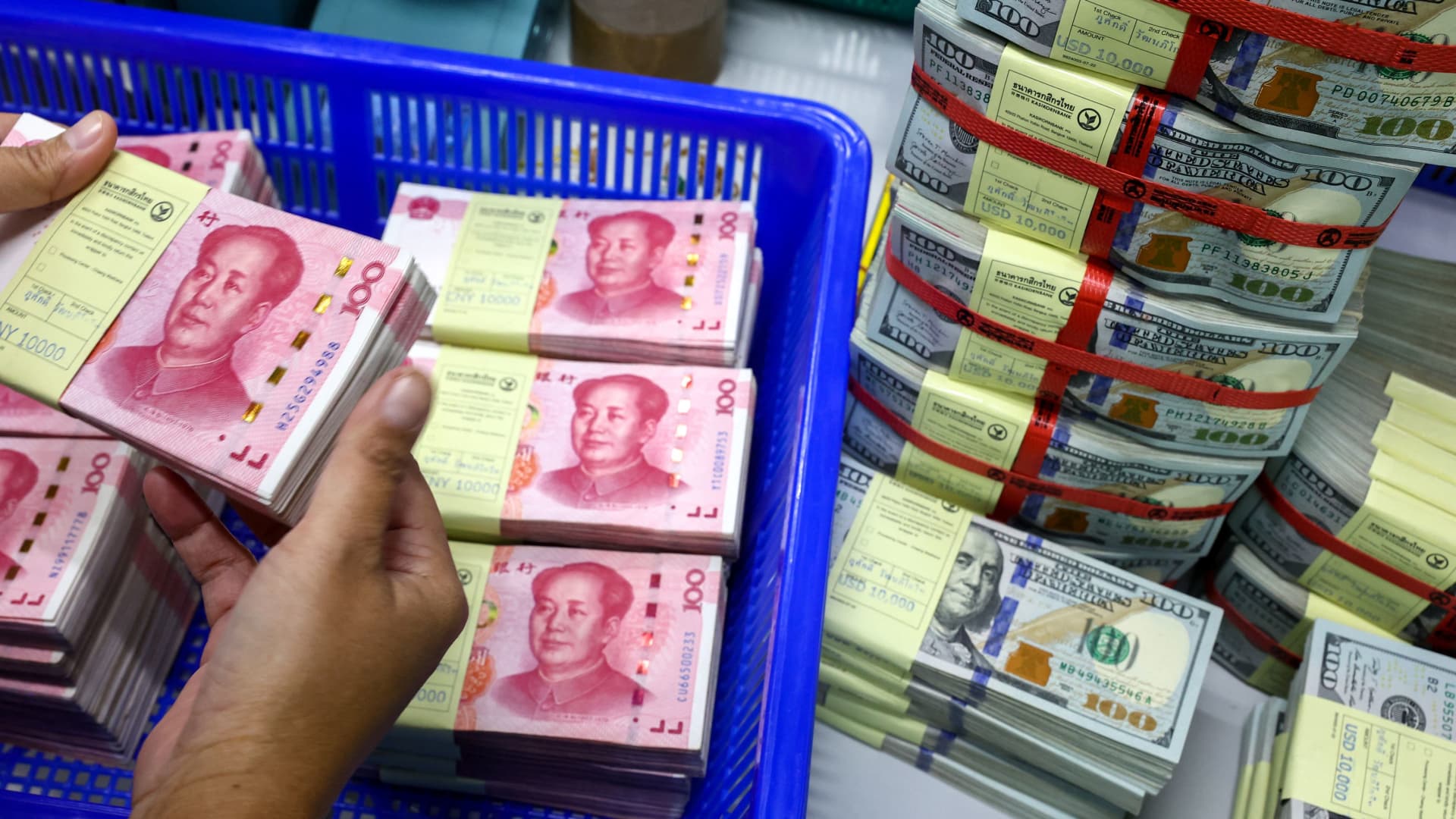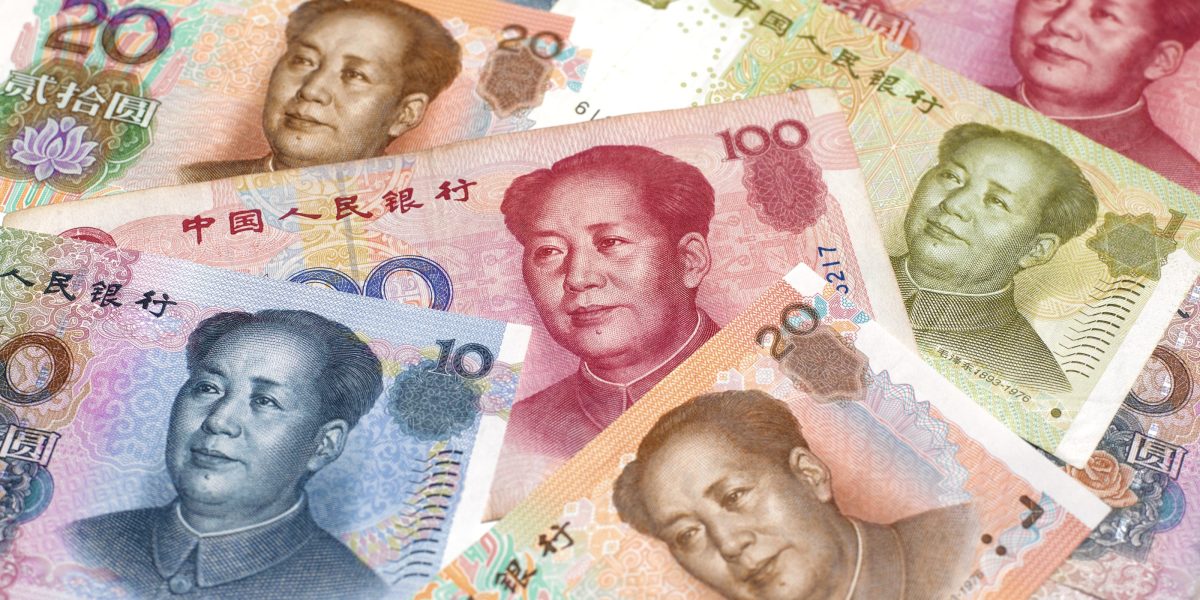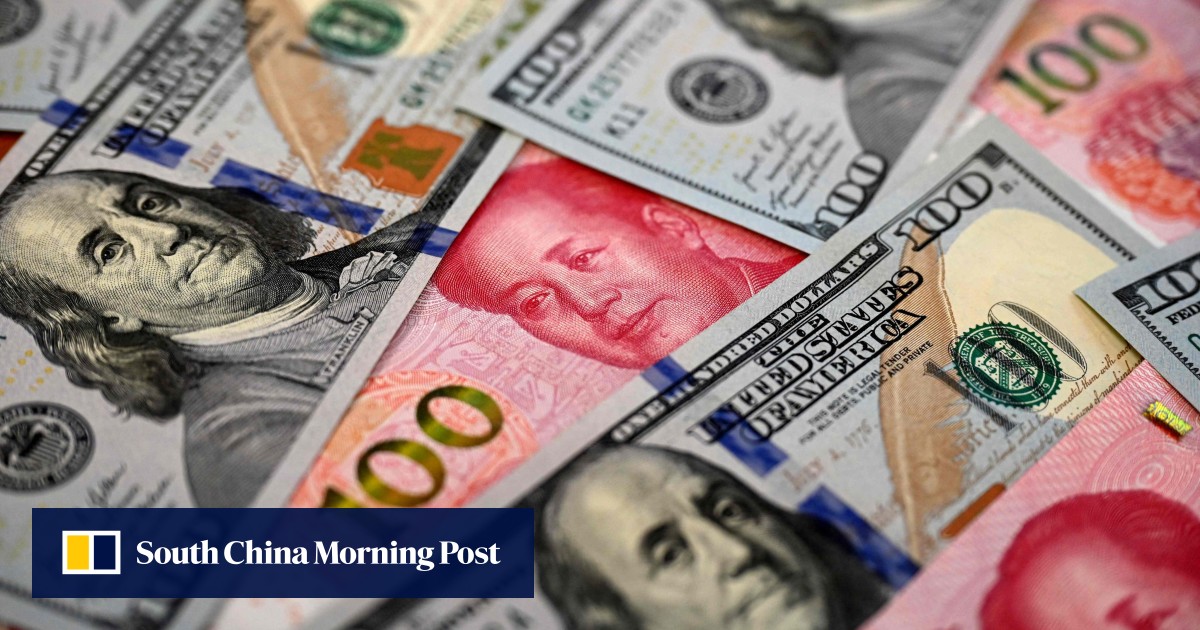
Chinese planners are once again taking aim at the dollar. On June 17, the governor of the People’s Bank of China unveiled a fresh blueprint to pull the world’s financial streams into the Chinese yuan, including pilot schemes for offshore yuan trading and new swap lines for central banks. Expect the usual chatter about de-dollarization to hit fever pitch ahead of the annual BRICS summit in September in New Delhi, where China and Russia are likely to push for their de-dollarization cause.
Over the past decade, Beijing has made genuine progress in building alternative financial channels across three fronts: trade settlement in yuan, the use of its CIPS mechanism for cross-border clearing and settlement, and the creation of the e-yuan as a central bank digital currency. China’s financial resilience is real, and Beijing continues to pursue its goal of preserving optionality in case its access to Western financial channels is cut off—for example, due to sanctions following an invasion of Taiwan. Yet resilience is not the same as influence; few actors willingly adopt Chinese financial tools. In finance, Beijing is learning the hard way that demand, unlike infrastructure, cannot be built to order.