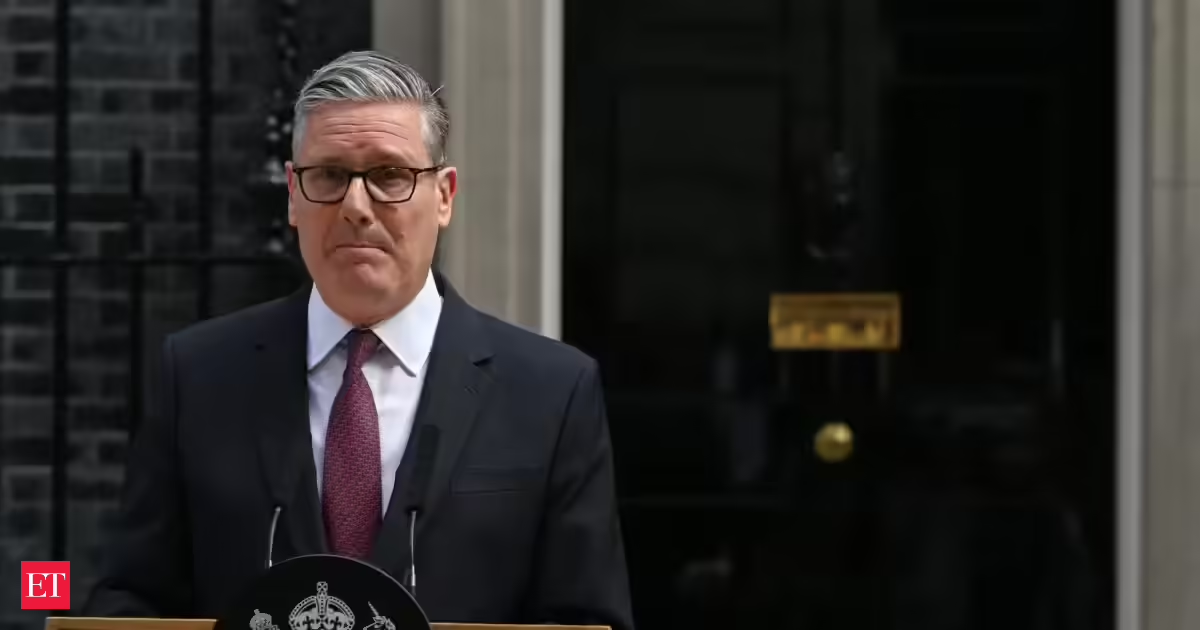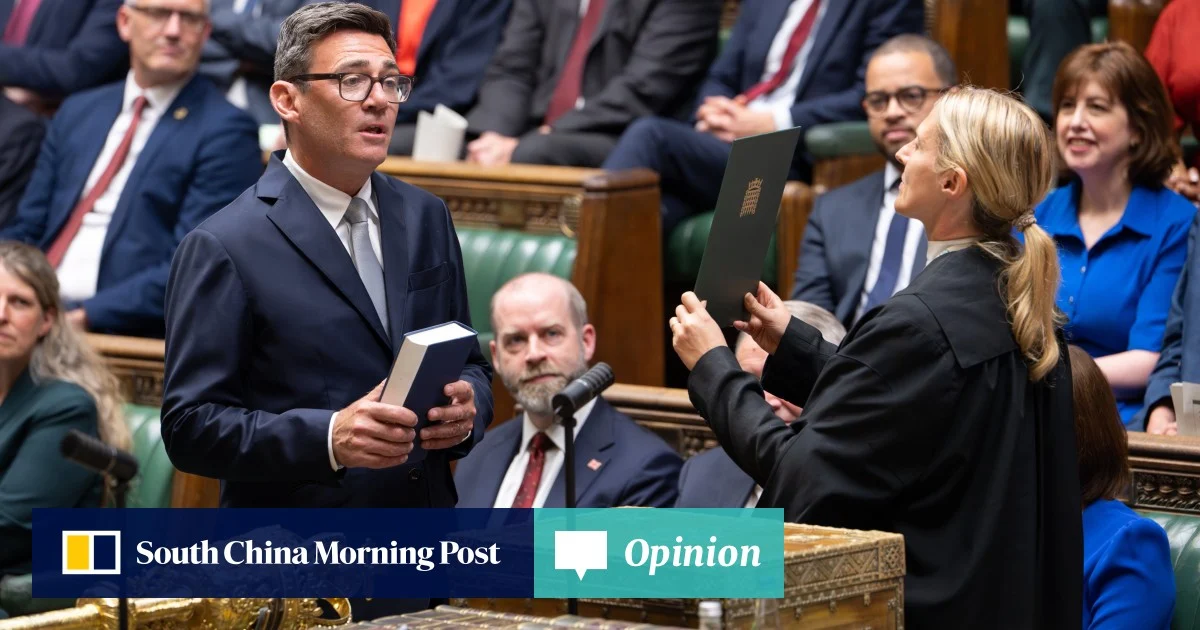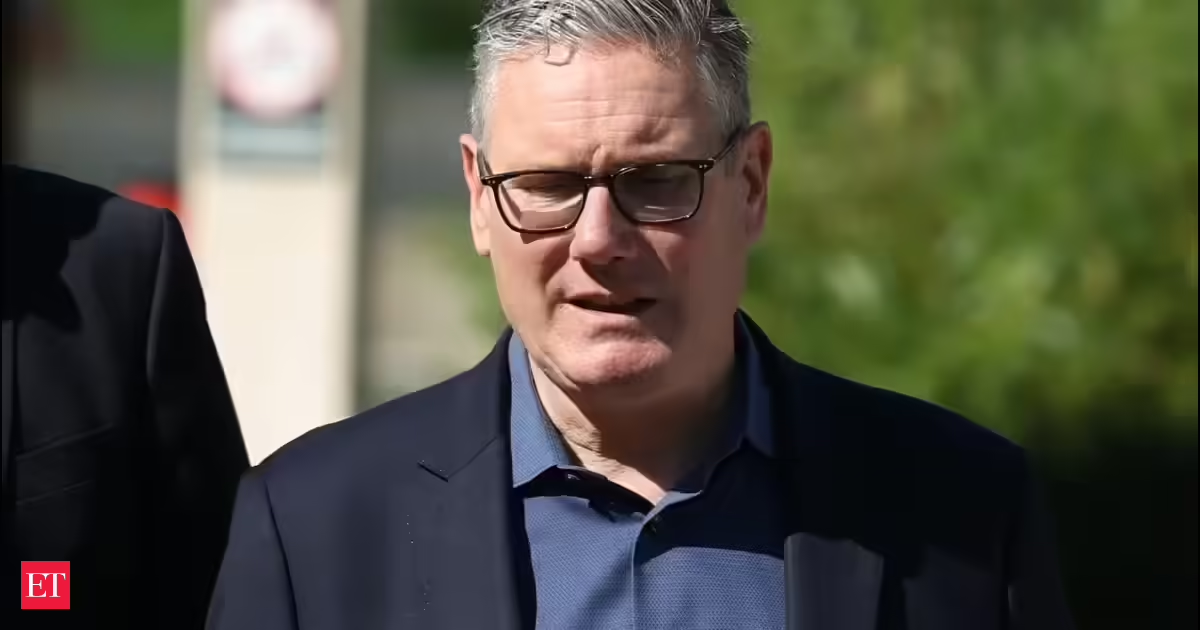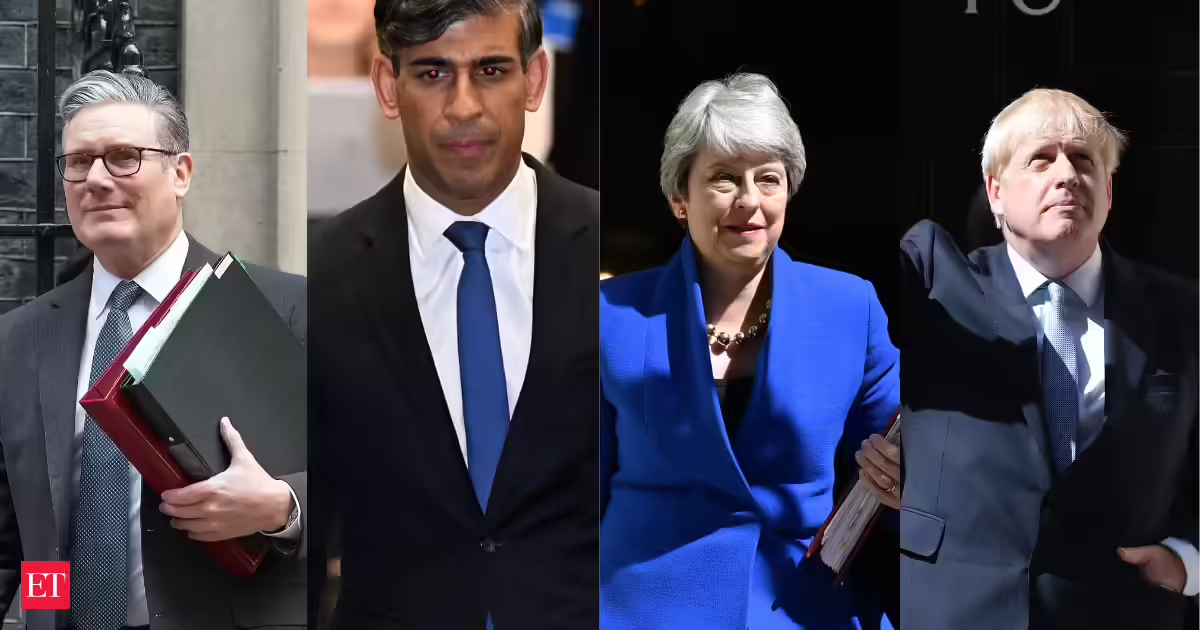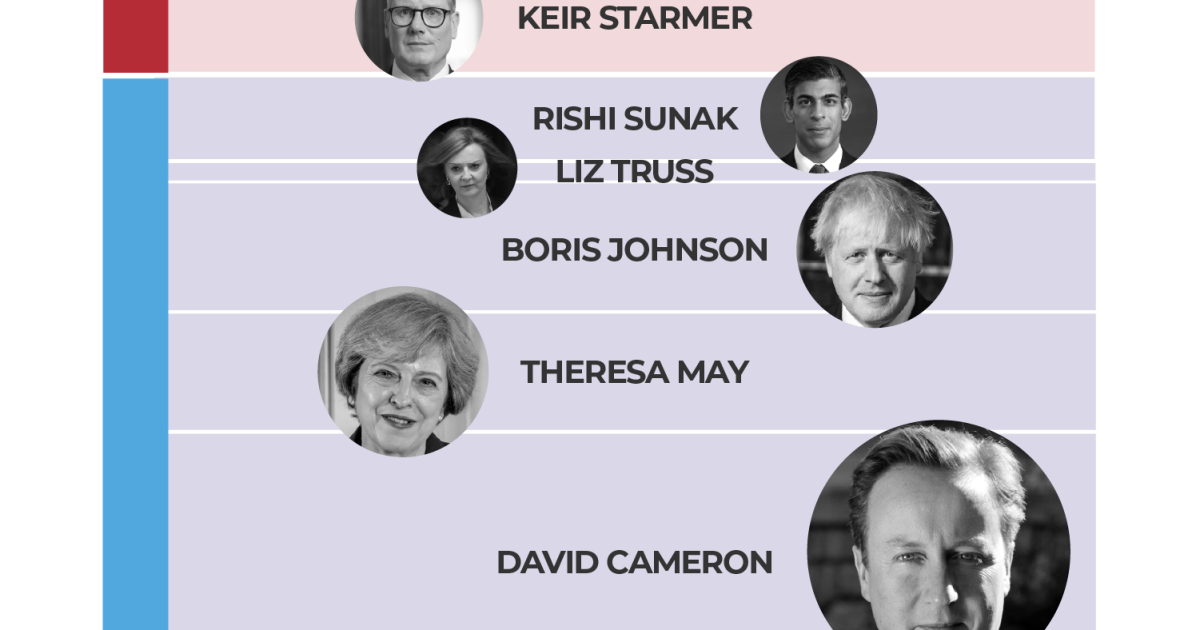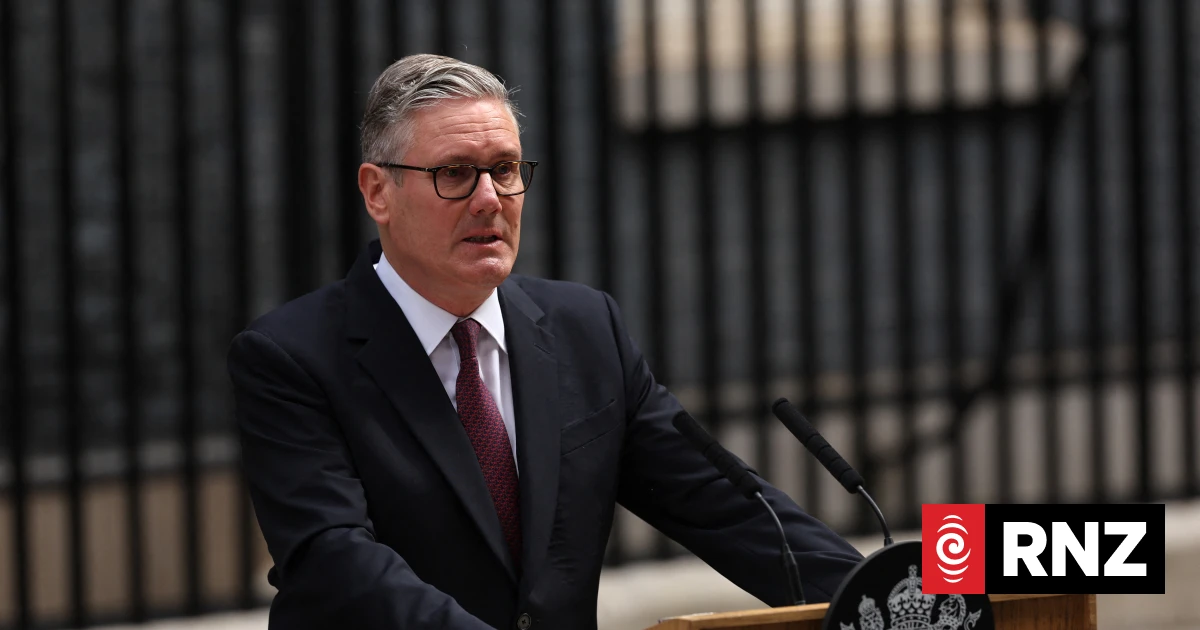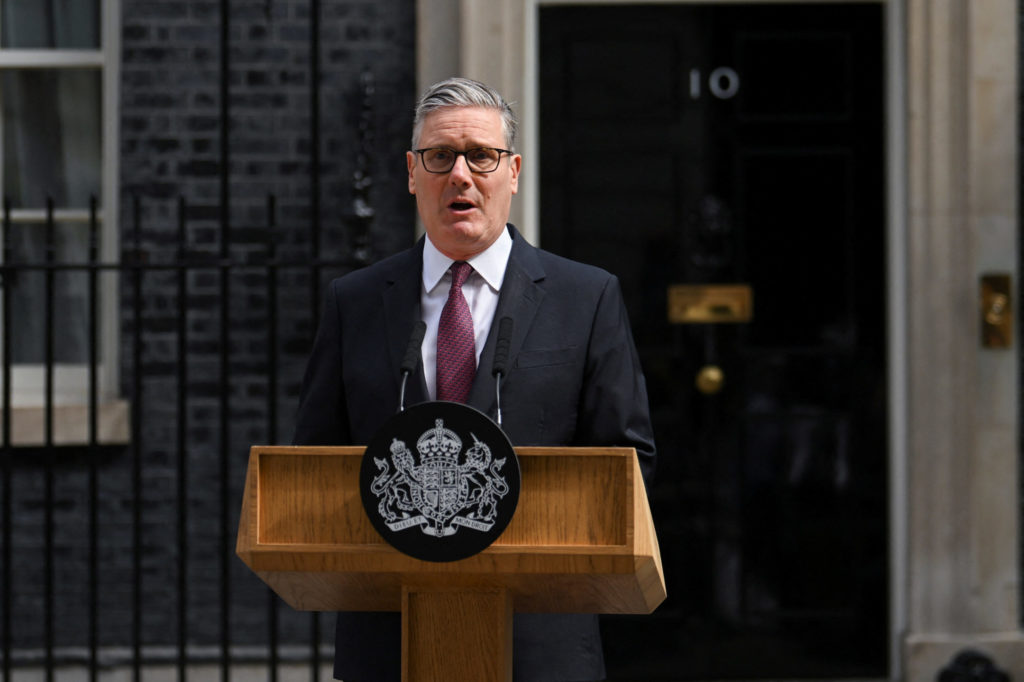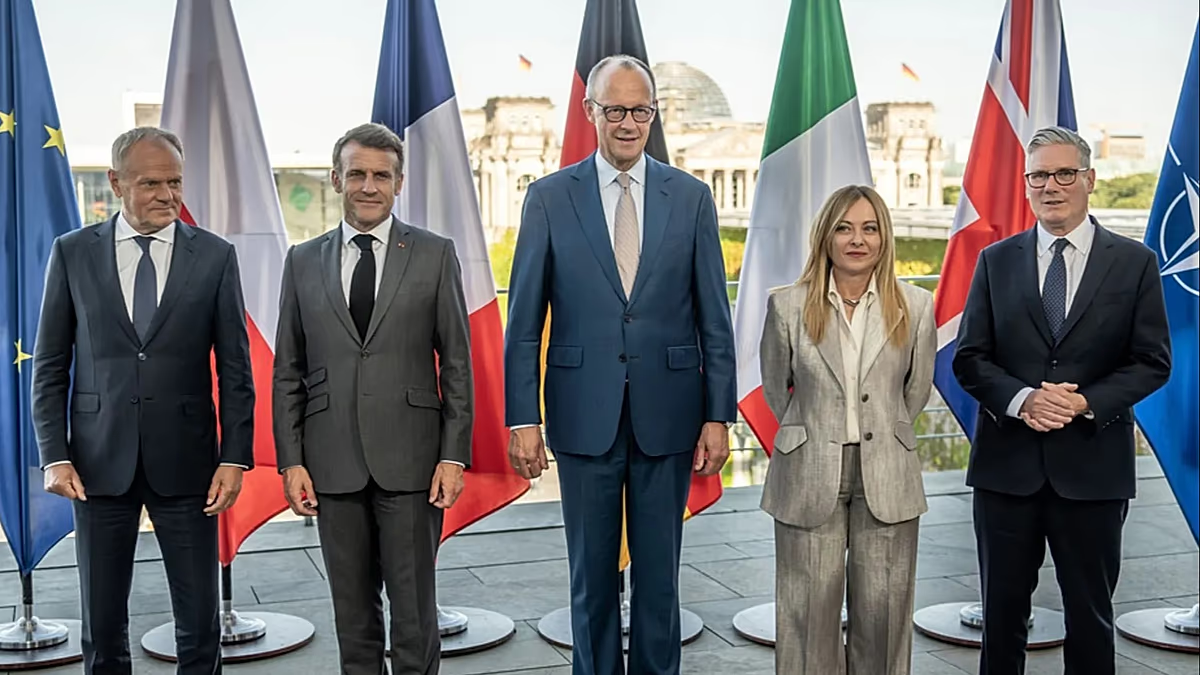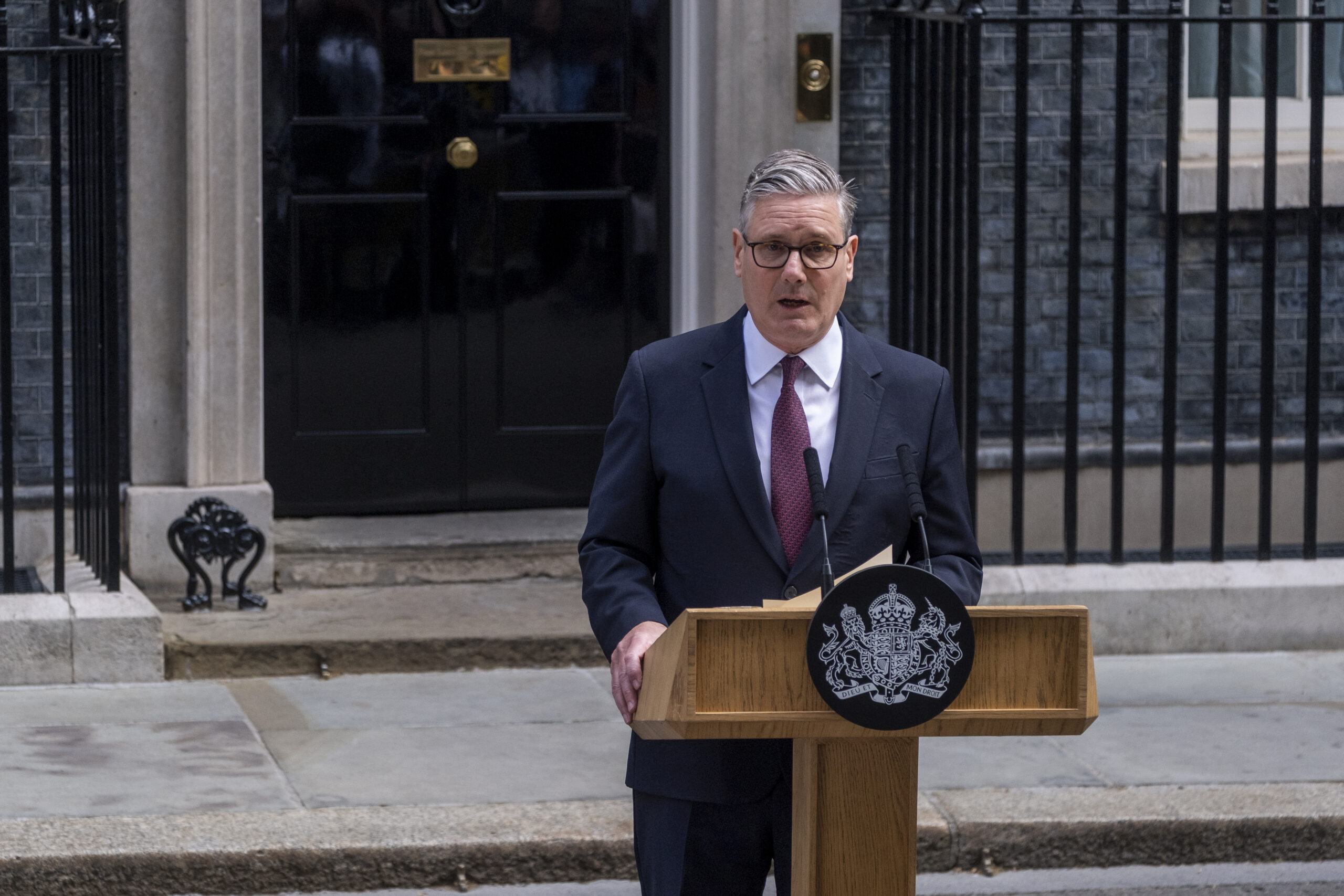
Is it Starmer or the system? On Monday, British Prime Minister Keir Starmer announced that he will resign, a decision that came after weeks of speculation about his exit and months of slipping poll numbers. Starmer is the sixth prime minister in the past decade to say his farewells from No. 10 Downing Street, and one of several leaders across Europe feeling anti-incumbency pressure to depart.
So, how much of Starmer’s exit was the man himself? How much the British state? And how much the wider politics of European liberal democracies? Our experts look at each factor below.
Starmer: Communication breakdown
Less than two years ago, Sir Keir Starmer won a general election in a landslide, bringing Labour back to power with a 174-seat majority after fourteen years in opposition.
Starmer’s tenure as Labour leader should be considered across his six years as leader, and not just his two as prime minister. As leader of the opposition, Starmer was ruthlessly effective in wresting control of the party away from the Corbynite left back to the political center, and back to electability.