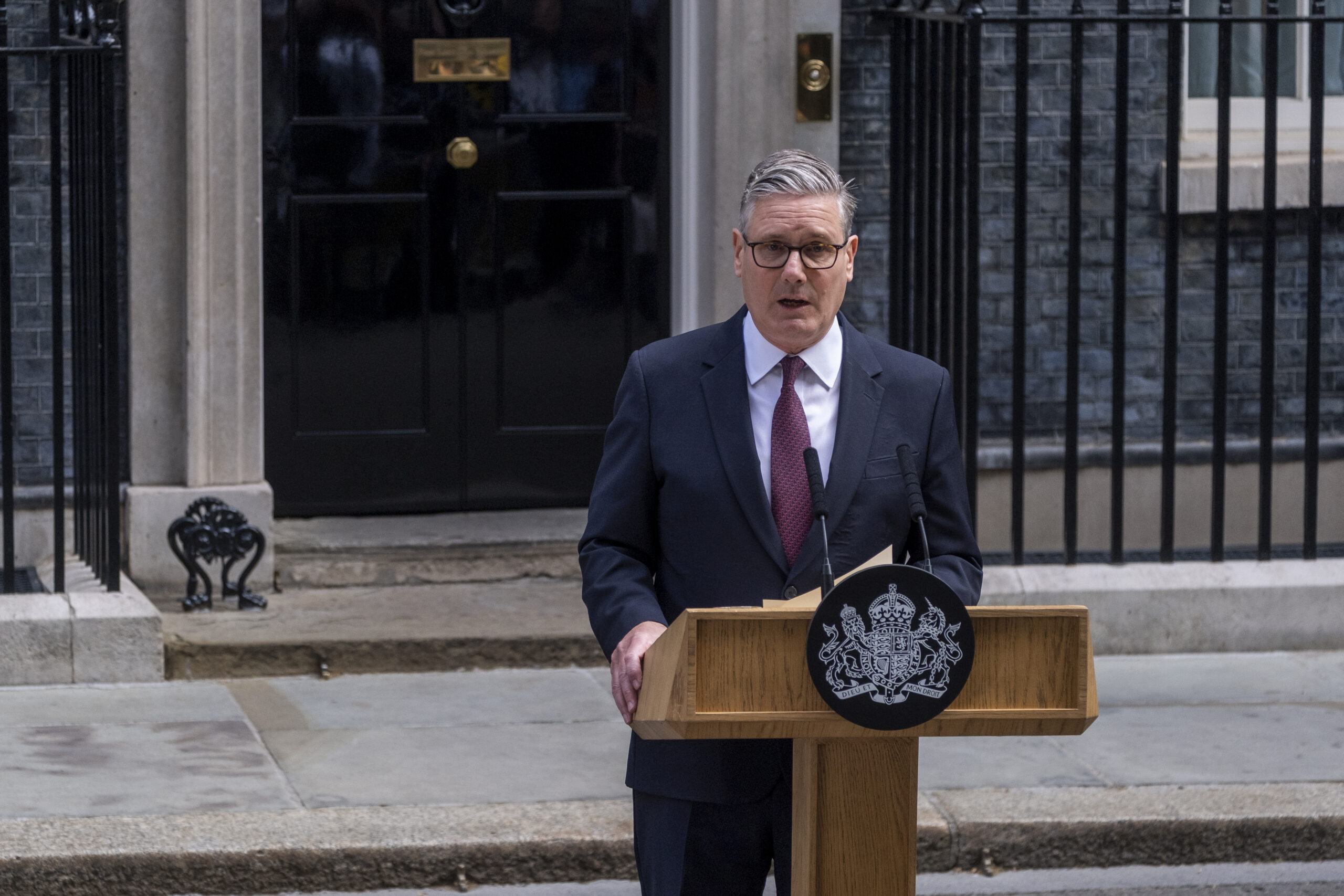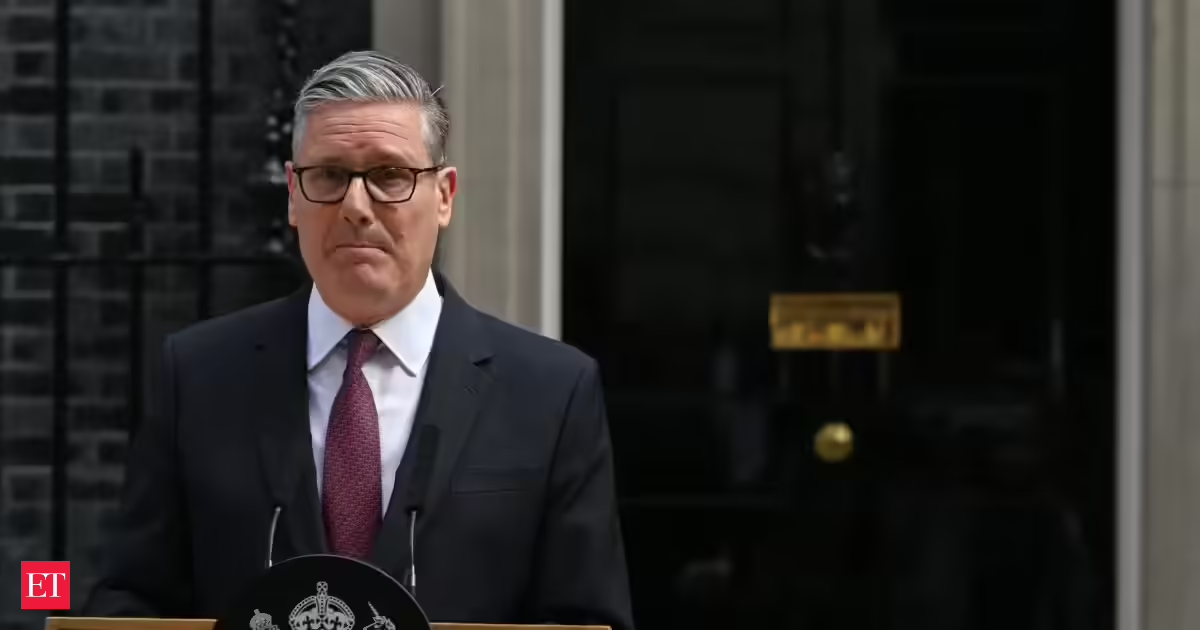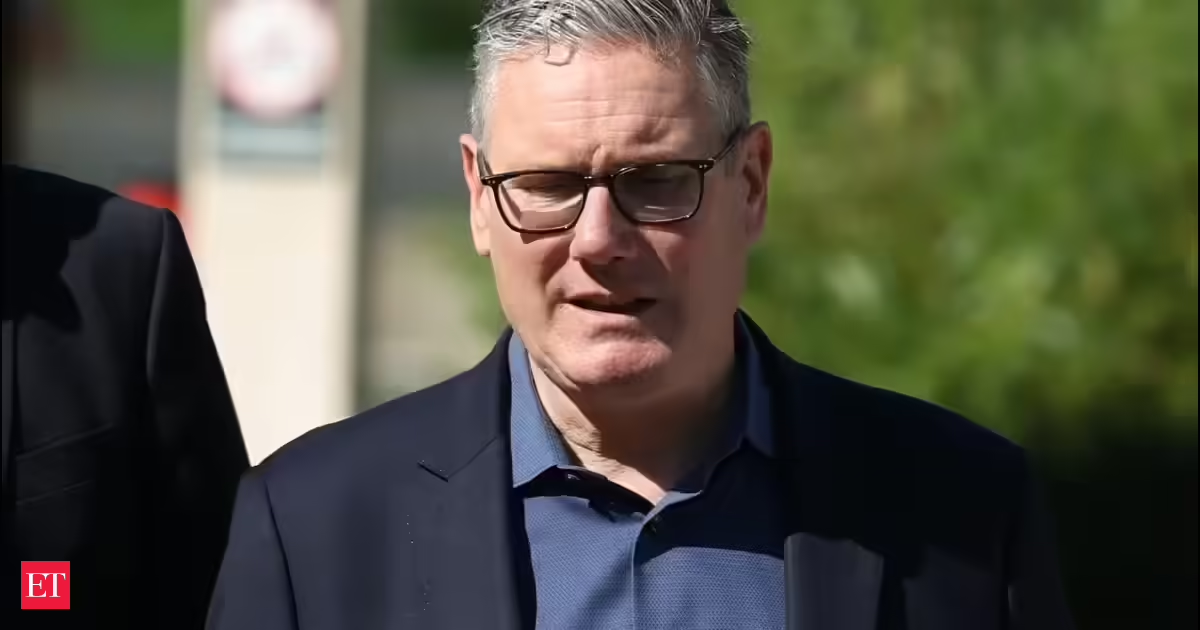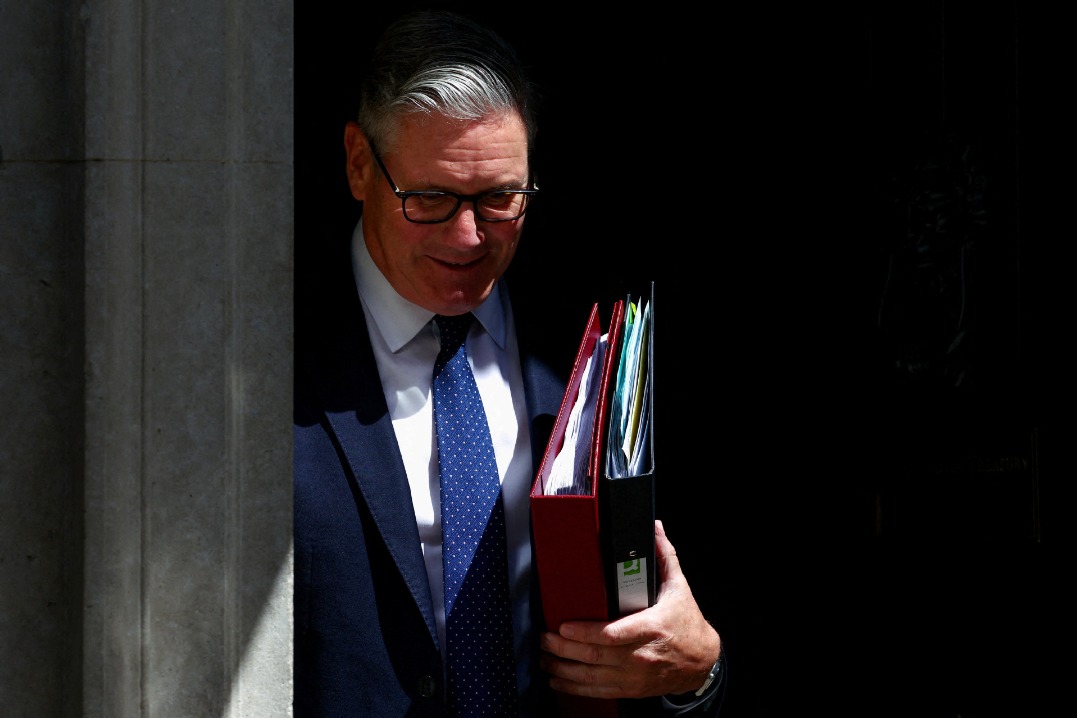
Britain's Prime Minister Keir Starmer departs Downing Street to attend Prime Minister's Questions at the House of Commons, following his announcement of the timeline for his resignation, in London, Britain, June 24, 2026. [Photo/Agencies]
The resignation of British Prime Minister Keir Starmer on Monday marks yet another chapter in a decade of political instability, which experts say reflects deep-seated governance issues rather than mere political misfortune.
Britain's frequent leadership changes are the result of severe economic and social problems that have been left unresolved, experts noted. The core question the United Kingdom faces is whether its political parties can break the cycle of instability through meaningful reform to boost economic development.
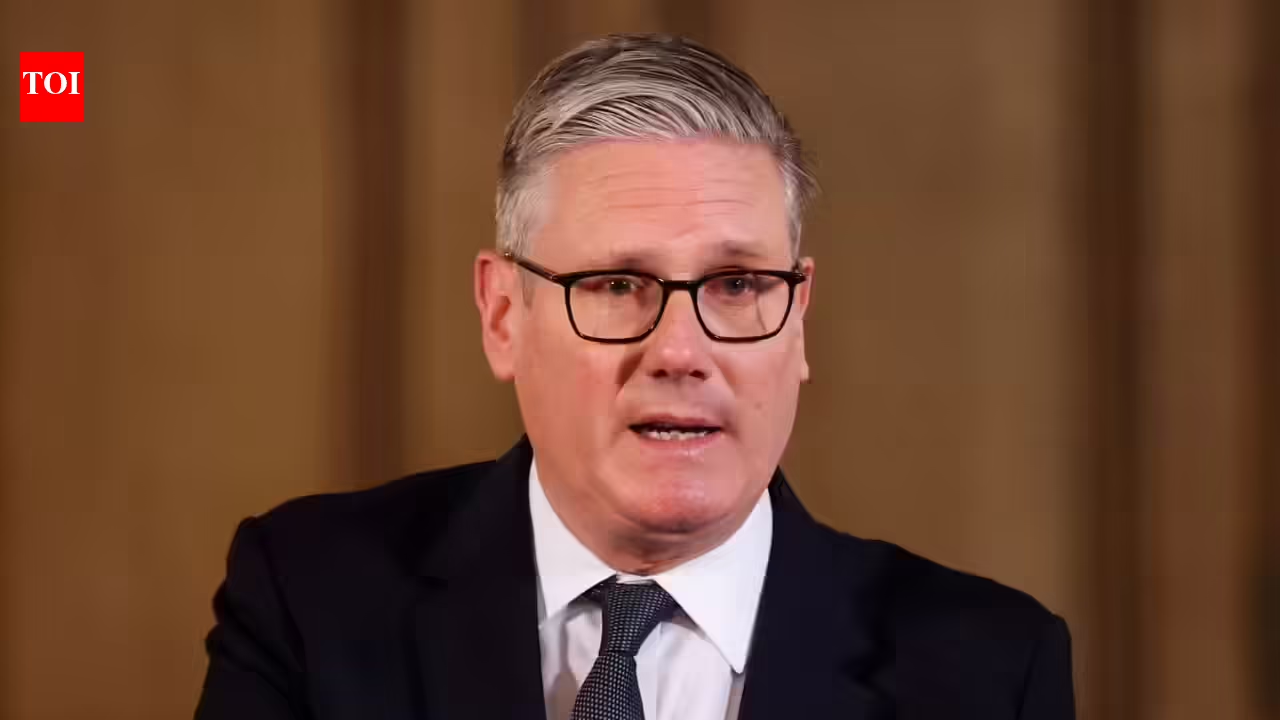
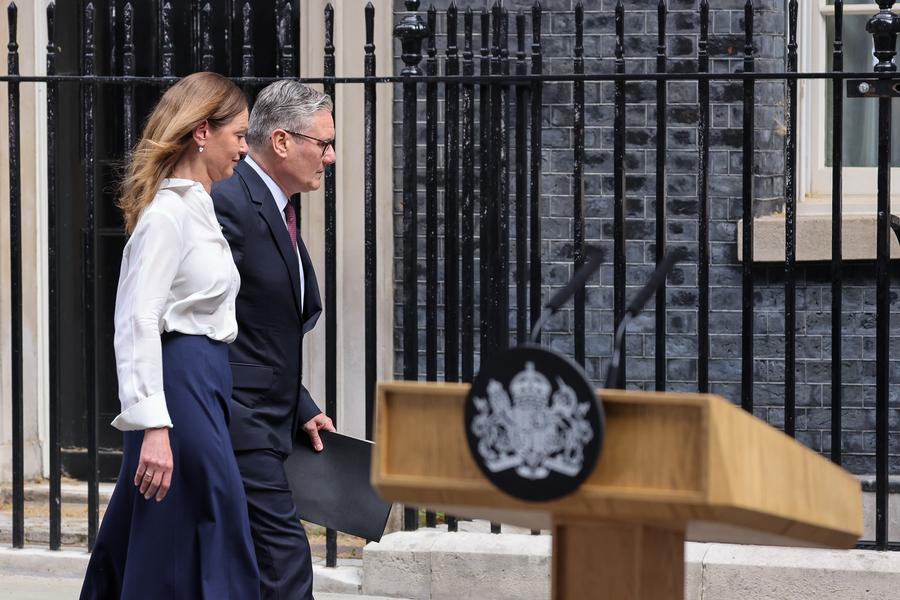
Starmer announced on Monday that he would resign as leader of the governing Labour Party and leave office once a successor is chosen.
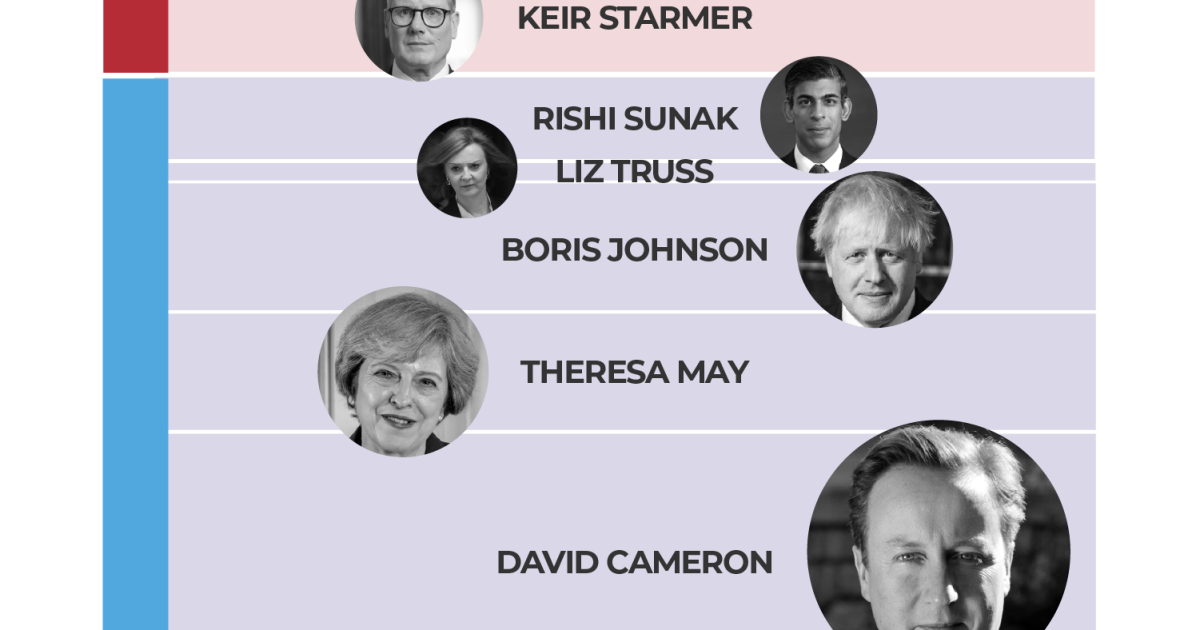
Starmer's departure means his successor will become the seventh prime minister to move into No 10 Downing Street in roughly a decade since the 2016 Brexit referendum, highlighting the instability at the top of British politics.