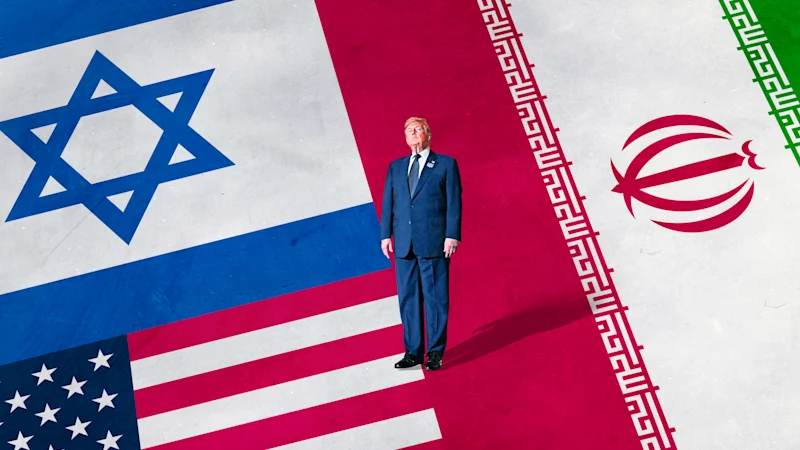
What can we learn from the first round of talks between the between the United States and Iran since their truce deal was signed last week?
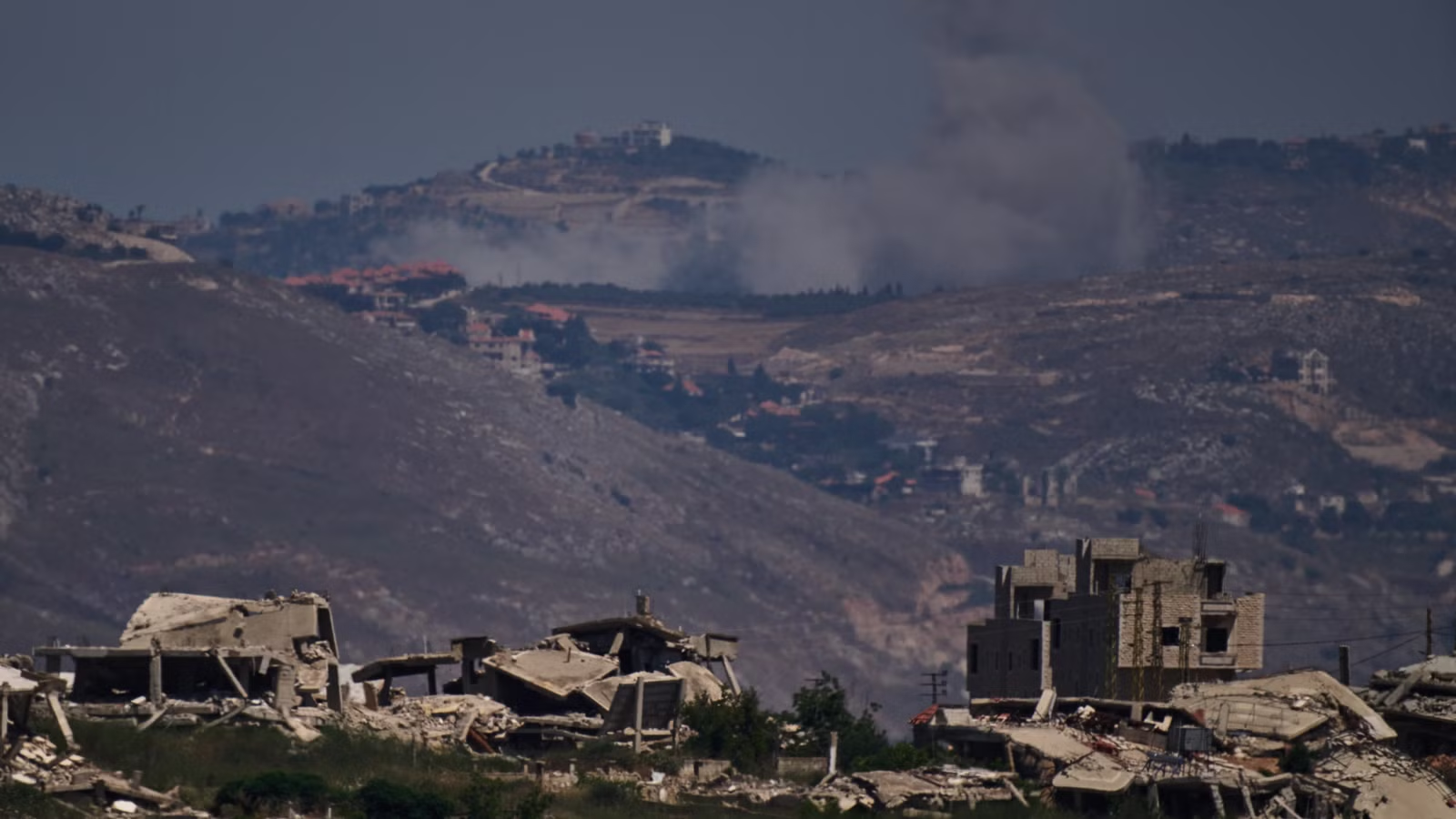
For the Trump administration, it’s going to be a difficult 60 days. Even supporters are lambasting the terms of the cease-fire, criticizing the president for handing the regime a financial windfall, raising the potential for tolls on traffic through the Strait of Hormuz, and offering no guarantees on Iran’s nuclear program or missile stockpiles. Israel has claimed that its attacks on Hezbollah in Lebanon are not covered under the deal, and this at least temporarily disrupted talks over the weekend. Beyond that, most of the hard questions have been deferred, not resolved.
That’s the nature of truce deals—they set the parameters of the negotiations and point the two sides to a broader agreement. But in this case, the most likely outcome is not a breakthrough but a violent muddle, with on-and-off, but often limited, violence.
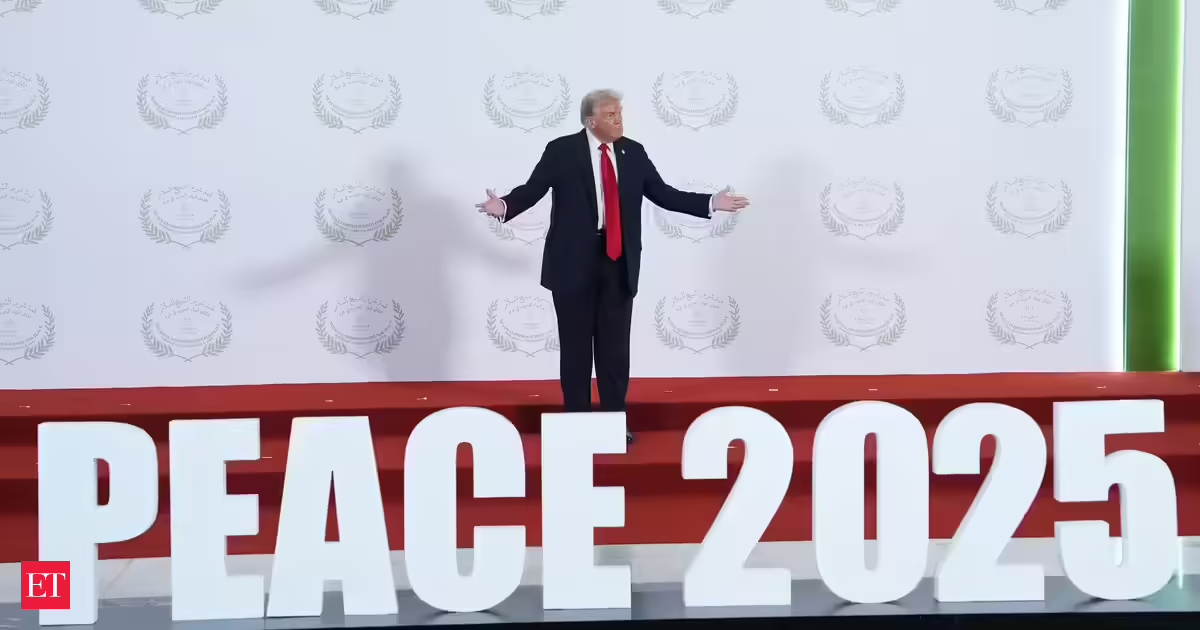
The most instructive parallel is not the Joint Comprehensive Plan of Action (JCPOA), the Iran nuclear deal forged in 2015 and abrogated by the United States in 2018, but the 2025 Gaza peace plan. This Trump-orchestrated agreement was an initial diplomatic triumph, seemingly ending a grinding and devastating war. In reality, although the Gaza deal generated optimistic headlines, it was at best a framework for continued, but limited, conflict rather than a true settlement.