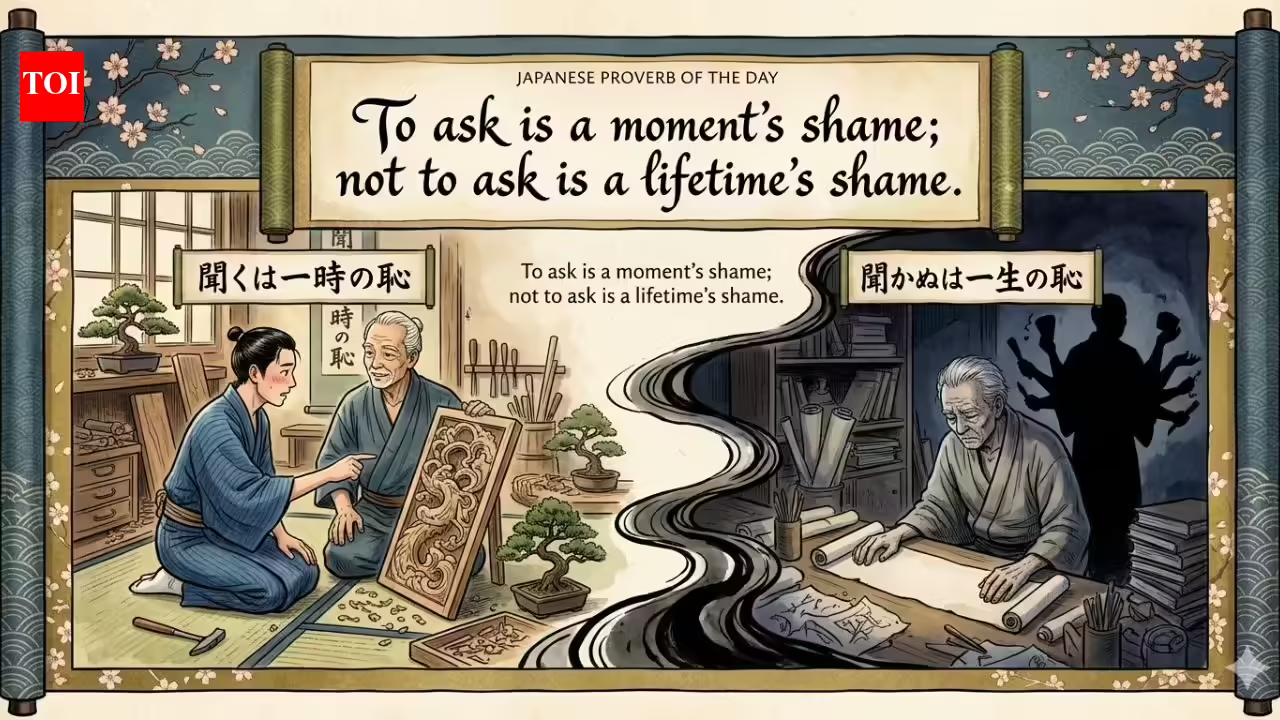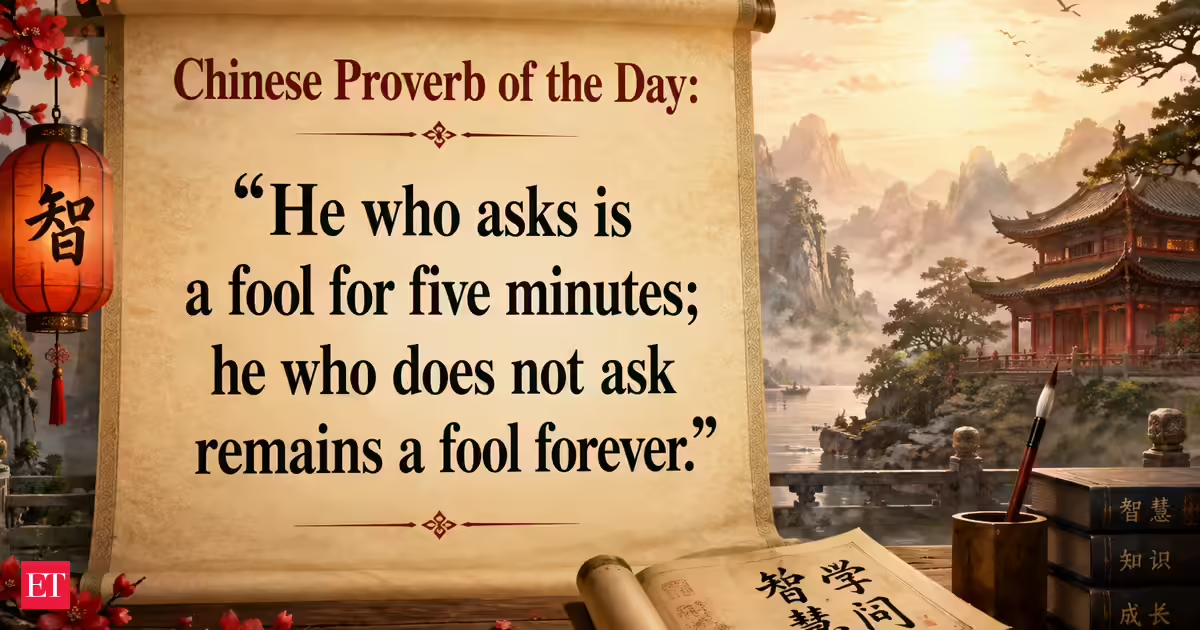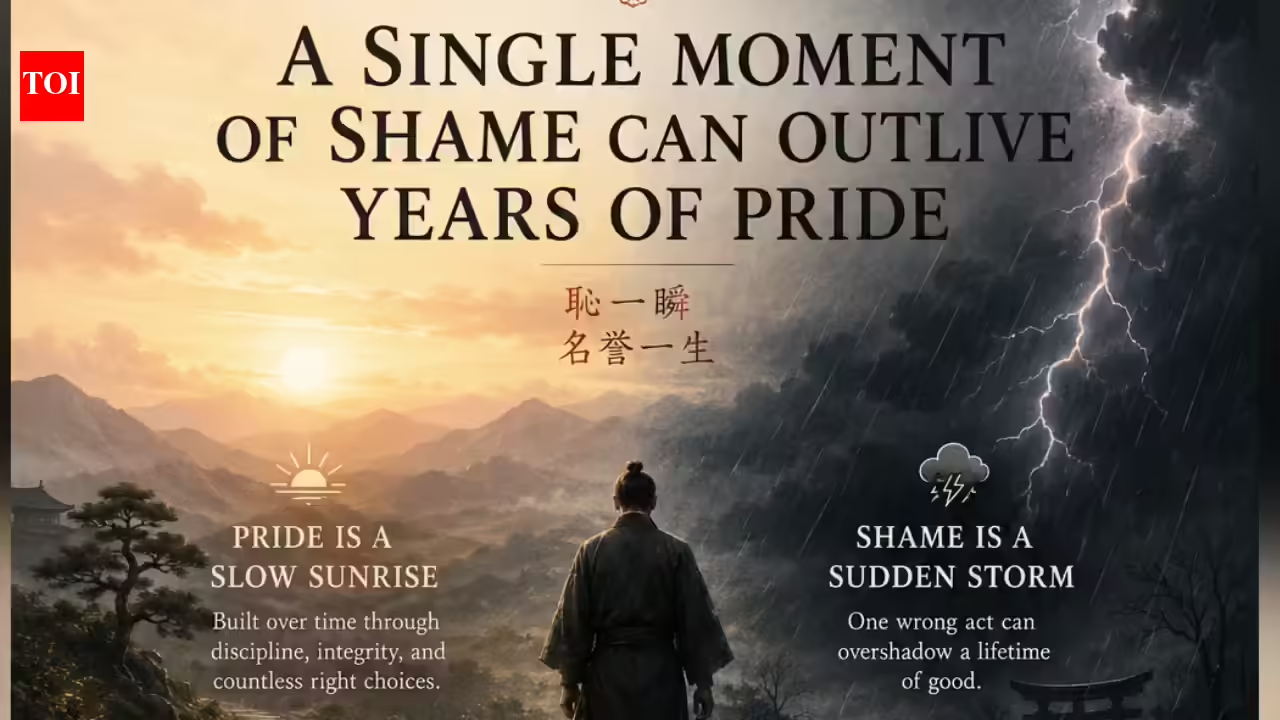
Best Proverb of the Day highlights a traditional saying that reflects the importance of curiosity, learning, and the pursuit of knowledge in everyday life. The jJapanese proverb “To ask is a moment’s shame, but not to ask is a lifetime of shame” offers insight into how fear, pride, and uncertainty can sometimes prevent people from seeking understanding. Many people hesitate to ask questions because they worry about appearing uninformed, yet true learning begins with the willingness to seek answers. Such proverbs are rooted in practical wisdom and human experience, passed down through generations to encourage growth and self-improvement. Over time, they have become valuable reminders that knowledge is gained through curiosity, humility, and the courage to ask rather than remain silent in doubt.“To ask is a moment’s shame, but not to ask is a lifetime of shame” Meaning of the ProverbBest proverb of the day highlights a timeless idea about curiosity, learning, and the role of humility in gaining knowledge. The proverb “To ask is a moment’s shame, but not to ask is a lifetime of shame” emphasizes that temporary embarrassment is far less harmful than remaining uninformed for years.The first part of the proverb suggests that asking questions may sometimes feel uncomfortable because it requires admitting that we do not know something. Many people fear looking inexperienced, uninformed, or less knowledgeable in front of others. However, this discomfort lasts only a brief moment and often leads to valuable understanding.The second part emphasizes the long-term consequences of staying silent. Refusing to ask questions out of pride or fear can prevent learning, create misunderstandings, and limit personal growth. The proverb suggests that ignorance is often maintained not by a lack of opportunity to learn, but by a reluctance to seek answers.Together, the proverb teaches that knowledge begins with curiosity and humility. True wisdom comes from being willing to ask, learn, and grow rather than pretending to know everything. What may seem like a small moment of embarrassment can become the first step toward lifelong understanding.Why Better to Ask Than to AssumeAssumptions often create misunderstandings because they are based on incomplete information. When people assume, they fill gaps with their own beliefs, experiences, or expectations, which may not reflect reality. Asking questions, on the other hand, provides clarity and helps uncover the facts. In relationships, workplaces, and everyday conversations, a simple question can prevent confusion, conflict, and unnecessary mistakes. Asking also shows respect for others by giving them the opportunity to explain their thoughts, feelings, or intentions directly. It encourages open communication and builds trust. Those who ask gain knowledge, while those who assume risk acting on incorrect information. Curiosity leads to better decisions because it is grounded in understanding rather than guesswork. The habit of asking questions promotes learning, stronger connections, and wiser choices. In most situations, a moment spent seeking clarification is far more valuable than dealing with the consequences of a mistaken assumption.Life Lessons from the ProverbThe proverb carries practical lessons about learning, self-improvement, and the importance of seeking knowledge in everyday life.1. Curiosity is the foundation of learningEvery skill, achievement, and piece of knowledge begins with a question. People who ask are more likely to grow and improve.2. Pride can limit personal growthFear of appearing uninformed often prevents people from learning. Setting aside pride opens the door to greater understanding.3. Temporary embarrassment is worth lasting knowledgeA brief moment of discomfort is a small price to pay for information that can benefit a person for years.4. Questions create opportunitiesAsking questions helps clarify doubts, solve problems, and uncover new ideas that might otherwise remain hidden.Why This Proverb Is Still Relevant TodayIn modern life, this proverb extends far beyond classrooms and formal education. It applies to workplaces, personal relationships, career development, and everyday decision-making. People often hesitate to ask questions because they fear appearing inexperienced, uninformed, or less capable than others. As a result, they may miss valuable opportunities to learn, improve, and grow.The proverb encourages curiosity, humility, and a willingness to seek understanding. It reminds us that asking questions is not a sign of weakness but a sign of intelligence and self-awareness. In many situations, the courage to ask for clarification can prevent mistakes, increase confidence, and lead to better outcomes. Ultimately, the proverb teaches a simple but powerful truth: temporary embarrassment fades quickly, but the knowledge gained from asking questions can benefit a person for a lifetime.English Equivalent and Related ExpressionsOther English expressions that reflect similar thinking include:“There is no such thing as a stupid question.”“Better to ask than to assume.”“The only foolish question is the one not asked.”“A wise person asks questions.”Each of these highlights the idea that curiosity, humility, and a willingness to learn are essential for personal growth. They emphasize that seeking knowledge through questions is often wiser than remaining silent out of fear or pride.
Best Proverb of the Day: “To ask is a moment’s shame, but not to ask is a — Life lessons on knowledge, self-improvement, courage, overcoming fear and why curiosity is the key to learning
Best Proverb of the Day highlights the meaning of “To ask is a moments shame, but not to ask is a lifetime of shame.” The Japanese proverb reflects the importance of curiosity, learning, and the courage to seek knowledge despite temporary embarrassment. It suggests that asking questions may feel uncomfortable for a brief moment, but remaining silent out of fear can lead to long-term ignorance and missed opportunities for growth.
TL;DRAI
Japanese proverb teaches that momentary shame from asking prevents lifetime ignorance, making curiosity and humility essential to learning. For tech managers, intellectual curiosity prevents costly assumptions in hiring and technology decisions, directly shaping team capability.
800 words~4 min read